
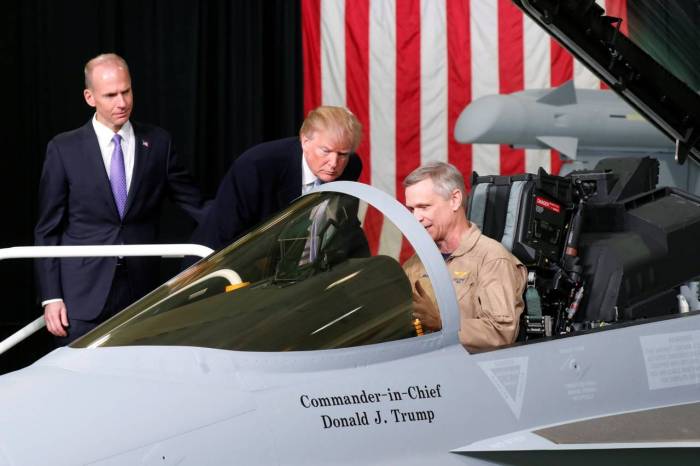

Aircraft leasing giant calls trump expand zero tariff plane pact. This bold move by a major player in the aviation industry could reshape global trade and transportation. The proposal suggests a significant shift in international policy, potentially impacting airlines, manufacturers, and the broader aviation sector. The details of the proposed agreement and its potential implications are complex, prompting keen interest from industry stakeholders and the public alike.
The aircraft leasing industry has historically been driven by factors like global economic trends and technological advancements. This proposal for a zero-tariff pact, if implemented, could introduce a new layer of complexity. This could lead to considerable shifts in market dynamics, investment strategies, and the overall future of aviation. The potential for increased competition, changes in supply chains, and shifts in geopolitical landscapes are some of the key considerations.
Background of Aircraft Leasing
Aircraft leasing is a vital component of the global aviation industry, enabling airlines to access fleets without significant upfront capital expenditure. This dynamic market has evolved significantly over the decades, transforming from a niche sector to a crucial part of airline operations. Understanding its history, key players, and economic drivers is crucial to grasping its current significance and future prospects.The aircraft leasing industry has a history intertwined with the development of commercial aviation.
Early leasing arrangements were often informal and tailored to specific needs. However, as the industry matured, more structured and formalized leasing models emerged, leading to the complex and sophisticated market we see today.
Historical Overview of Aircraft Leasing
The earliest forms of aircraft leasing emerged in the 1950s and 1960s, initially focusing on smaller, less expensive aircraft. The rise of larger, more complex aircraft in the subsequent decades spurred the development of more sophisticated leasing structures and a larger investment pool. This led to a growing need for specialized expertise in aircraft financing, maintenance, and operational management.
Major Players and Their Roles
The aircraft leasing market is populated by a diverse range of entities, each playing a specific role. Aircraft lessors, such as GE Capital Aviation Services and AerCap, are responsible for acquiring and managing aircraft, then leasing them to airlines. Airlines, in turn, benefit from access to aircraft without the need for substantial upfront investment. Maintenance providers, like Lufthansa Technik, play a critical role in ensuring aircraft reliability and safety, often through contractual agreements with lessors.
These three categories of participants form the core of the industry, working together to ensure smooth and efficient operation.
An aircraft leasing giant is pushing for Trump to expand the zero-tariff plane pact, potentially boosting international trade. Meanwhile, a related issue is emerging, with advanced nuclear companies and others urging the Senate to maintain energy tax credits, like those that encourage innovation in clean energy sources. This could indirectly benefit the aircraft leasing industry by creating a stronger, more sustainable global economy, further supporting the zero-tariff initiative.
advanced nuclear companies others urge senate keep energy tax credits This all points back to the desire for the aircraft leasing giant to expand its zero-tariff agreement.
Economic Factors Influencing Aircraft Leasing
Several economic factors significantly impact the aircraft leasing market. Fuel costs and economic downturns, for example, can significantly affect airline profitability and demand for aircraft. Changes in global trade and economic activity also influence airline expansion and contraction plans, which directly impact the demand for aircraft and leasing services.
Key Financial Metrics Related to Aircraft Leasing
Understanding the financial aspects of aircraft leasing is crucial. Key metrics include lease rates, residual values, and the overall return on investment (ROI). The lease rate, reflecting the cost of leasing an aircraft, is influenced by factors like the aircraft’s age, condition, and demand. Residual value, representing the anticipated market value of the aircraft at the end of the lease term, is critical in determining the overall profitability of the lease.
The ROI on an aircraft lease is a function of these metrics, alongside factors such as interest rates and market conditions.
Typical Aircraft Leasing Transaction Process
The process of aircraft leasing involves several key steps. Initially, a lessor evaluates the airline’s financial health and operational needs. Once satisfied, they secure financing for the aircraft purchase. Following this, the aircraft is delivered to the airline, and a lease agreement is signed. Regular maintenance and operational oversight are integral to ensuring the aircraft’s continued performance and adherence to regulatory standards.
The lease agreement stipulates the terms of the lease, including payment schedules and responsibilities of both the lessor and the lessee.
Trump’s Proposed Zero Tariff Plane Pact
The recent proposal for a zero-tariff agreement on aircraft, spearheaded by the former president, has ignited considerable discussion within the aviation and business sectors. This initiative, if implemented, could significantly alter the landscape of international trade in the aerospace industry, particularly for aircraft leasing companies. Understanding the potential ramifications, both positive and negative, is crucial for businesses and investors navigating this evolving market.The proposed zero-tariff agreement aims to eliminate all import duties on aircraft, a radical departure from the current global trade regime.
This is intended to stimulate trade, potentially lowering costs for consumers and fostering greater competition in the aviation industry. This move, however, presents both opportunities and challenges for aircraft leasing companies and other stakeholders.
Details of the Proposed Zero-Tariff Agreement
The specifics of the proposed zero-tariff agreement remain somewhat vague, but the core concept is clear: eliminate tariffs on the import of aircraft. This could potentially lower the overall cost of aircraft, making them more accessible to airlines and impacting the profitability of leasing companies in the long run. This would directly impact the price of planes, and the cost of maintaining or operating them.
Without tariffs, the supply chain for aircraft parts and maintenance would also experience adjustments.
Potential Economic Impacts on Aircraft Leasing
The removal of tariffs could potentially drive down the cost of aircraft, making them more attractive to airlines. This could stimulate demand for aircraft leasing, as airlines might find leasing more economical than purchasing. However, the agreement could also negatively impact lessors who have invested heavily in their current fleets. The reduced profit margins due to lower tariffs might force some lessors to adjust their business models.
A decreased demand for leasing could negatively impact their bottom lines. Ultimately, the extent of the impact will depend on the specific details of the agreement and the overall economic climate.
Comparison with Existing Trade Agreements and Policies
Current international trade agreements and policies vary significantly in their approach to tariffs on aircraft. Some agreements have already reduced tariffs, while others have maintained higher levels. The proposed zero-tariff agreement represents a significant departure from these existing frameworks, potentially setting a precedent for other industries and countries to follow. This could lead to a chain reaction in international trade agreements, or potentially create new barriers for aircraft manufacturers.
Potential Benefits and Drawbacks for Various Stakeholders
- Airlines: Reduced aircraft costs could translate to lower operating expenses, potentially boosting profitability and enabling more efficient operations. This would lower their overall costs. However, it might also reduce the need for leasing companies, impacting their business model and potentially lowering demand for their services.
- Aircraft Manufacturers: Increased demand for aircraft, potentially boosted by lower prices, could be beneficial for manufacturers. However, they may face increased competition from international manufacturers, and reduced profit margins if the agreement causes price wars.
- Aircraft Lessors: Reduced tariffs could result in a more competitive market, potentially increasing demand for their services. However, the decreased cost of aircraft could also lead to lower profit margins for lessors.
Potential Geopolitical Implications of the Agreement
The proposed zero-tariff agreement could have significant geopolitical implications, particularly in terms of international relations and trade dynamics. It could lead to a shift in the global aerospace industry, potentially impacting existing trade relationships and prompting other countries to adopt similar policies. This could also lead to trade disputes and countermeasures if other countries don’t adopt similar policies, which would affect the cost of aircraft for airlines.
This could also impact the competitiveness of manufacturers.
Impact on Aircraft Leasing Giant
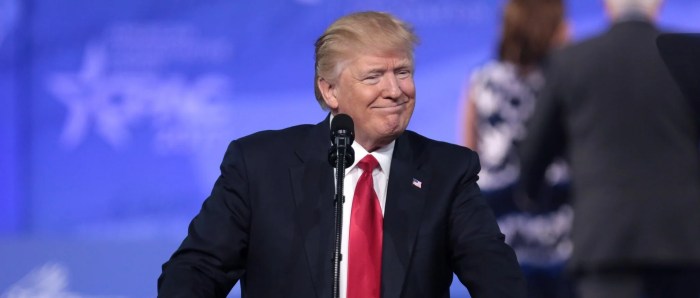
The proposed zero-tariff agreement on aircraft, spearheaded by the Trump administration, presents a complex set of implications for major aircraft leasing companies. The potential shift in trade dynamics will significantly affect their operations, contracts, and future investments. Understanding these implications is crucial for evaluating the long-term prospects of these companies.
Financial Implications
The zero-tariff agreement, if implemented, could lead to increased competition and potentially lower prices for aircraft leases. This could directly impact the profitability of aircraft leasing giants, as they might face pressure to reduce their rates to remain competitive. Conversely, reduced trade barriers could stimulate global air travel, increasing demand for aircraft and potentially boosting lease revenues. The net effect will depend on various factors, including the overall economic climate and the response of other players in the industry.
Potential Strategies
Aircraft leasing giants may adopt several strategies to mitigate potential risks and capitalize on opportunities presented by the agreement. These might include diversifying their portfolio to include different aircraft types, exploring new markets, and potentially acquiring or merging with competitors to consolidate market share. Negotiating better terms with manufacturers to secure favorable pricing for future aircraft acquisitions could also be a key strategy.
Impact on Future Investments
The agreement’s influence on future investments is multifaceted. Reduced tariffs could potentially attract more investment in the aviation sector, leading to increased demand for aircraft and potentially stimulating the leasing market. Conversely, uncertainty surrounding the agreement’s long-term viability and the potential for future trade disputes could deter some investors. The leasing giant’s investment decisions will likely depend on their assessment of the overall market outlook and their confidence in the agreement’s sustainability.
Impact on Existing Contracts and Portfolios
The agreement’s impact on existing contracts and portfolios will be significant. Lease rates might be affected by increased competition or the anticipated shift in demand. The leasing company will need to carefully analyze their existing contracts to identify potential vulnerabilities and opportunities. They might also need to renegotiate some contracts to secure more favorable terms or adjust their portfolios to align with the new market conditions.
An aircraft leasing giant is urging Trump to expand the zero-tariff plane pact, highlighting the potential economic benefits. Meanwhile, the tragic news of the deadly China chemical plant blast, with smoke still rising one day later here , serves as a stark reminder of the global interconnectedness of events. This underscores the need for careful consideration of trade policies that might inadvertently impact global supply chains, especially as the aircraft leasing giant continues to push for the expansion of the zero-tariff deal.
For instance, a company with a significant portion of its portfolio tied to aircraft operating in regions potentially affected by the agreement may need to re-evaluate their strategy.
Market Reaction
The market reaction to the news of the zero-tariff agreement will likely be mixed. Investors might initially react positively, anticipating increased demand and lower costs, driving up the stock price. However, the long-term effects, including potential fluctuations in demand and competition, might lead to fluctuations in the stock price. The response will also depend on the agreement’s specifics, its implementation, and the overall economic context.
Potential Implications for the Aviation Industry
The proposed zero-tariff plane pact, spearheaded by the Trump administration, promises to reshape the aviation industry. Its potential ramifications extend far beyond the aircraft leasing giants, impacting airlines, manufacturers, and the broader global supply chain. Understanding these implications is crucial for businesses and policymakers alike.
Impact on Airlines, Aircraft leasing giant calls trump expand zero tariff plane pact
The agreement’s effects on airlines will be multifaceted. Lowering tariffs on aircraft could lead to reduced operating costs for airlines, enabling them to potentially lower ticket prices. This could stimulate travel demand, boosting the overall aviation industry. However, airlines may face increased competition if other countries adopt similar policies. Furthermore, the long-term impact on airline profitability will depend on factors like fuel costs, maintenance expenses, and the overall health of the global economy.
Airlines must carefully assess the cost-benefit analysis before significantly adjusting their operational strategies.
Impact on Aircraft Manufacturers
Manufacturers will likely experience a surge in demand if the agreement leads to reduced prices. This could trigger increased production and investment in new facilities. However, the agreement’s success hinges on the willingness of other countries to reciprocate and maintain a level playing field. Protectionist measures in other regions could significantly impact manufacturer’s profitability and long-term plans.
A successful agreement would create a favorable environment for expansion and innovation in the aviation sector.
Impact on Related Businesses
The ripple effects extend beyond airlines and manufacturers. Companies involved in aircraft maintenance, repair, and overhaul (MRO), airport infrastructure, and related services will also feel the impact. A surge in air travel, coupled with lower aircraft costs, could lead to increased demand for these services. Conversely, protectionist measures in other regions could hinder the growth of related industries.
Supply Chain Impacts
The agreement’s implications for the supply chain are considerable. Reduced tariffs could streamline the global supply chain for aircraft parts and components, potentially reducing costs and lead times. This could result in a more efficient and responsive supply chain, leading to faster delivery times and reduced operational costs for airlines. However, geopolitical uncertainties and trade disputes could disrupt the supply chain, necessitating careful monitoring and contingency planning.
Global Trade and Transportation Impacts
The proposed pact has the potential to significantly impact global trade and transportation. Reduced tariffs on aircraft could encourage increased air cargo transportation, facilitating the movement of goods across borders. This could spur economic growth in countries with robust aviation infrastructure. However, the pact’s success will depend on reciprocal agreements and the avoidance of trade wars, ensuring that the benefits are widely distributed.
Summary of Key Impacts
| Sector | Potential Positive Impacts | Potential Negative Impacts |
|---|---|---|
| Airlines | Reduced operating costs, potentially lower ticket prices, increased travel demand. | Increased competition, potential impact on profitability. |
| Aircraft Manufacturers | Increased demand, potential for increased production and investment. | Protectionist measures in other regions, potential impact on profitability. |
| Related Businesses (MRO, Airports) | Increased demand for services, potential for economic growth. | Potential for disruption due to protectionist measures. |
| Supply Chain | Streamlined supply chain, reduced costs and lead times. | Disruptions due to geopolitical uncertainties and trade disputes. |
| Global Trade/Transportation | Increased air cargo transportation, potential economic growth. | Success dependent on reciprocal agreements and avoidance of trade wars. |
Public Perception and Policy Debate: Aircraft Leasing Giant Calls Trump Expand Zero Tariff Plane Pact
The proposed zero-tariff agreement on aircraft, while beneficial to aircraft leasing giants, has sparked a significant public and political debate. Public perception is often shaped by a complex interplay of economic factors, nationalistic sentiments, and the perceived impact on domestic industries. Understanding these nuances is crucial to evaluating the potential long-term effects of such an agreement.
Public Reception of the Agreement
The public reception of the zero-tariff plane pact has been mixed. While some segments of the population, particularly those involved in the aviation industry or benefiting from lower prices, have expressed support, others have voiced concerns. A significant portion of the public, especially those in industries potentially affected by increased competition, have shown apprehension. Concerns about job displacement and the impact on domestic manufacturers have been prevalent in public discourse.
Arguments For and Against the Zero-Tariff Policy
Proponents of the zero-tariff policy often highlight the potential for reduced prices for consumers and the boost to the aviation industry. Increased competition, they argue, will drive innovation and efficiency, benefiting both manufacturers and consumers. They often cite the historical benefits of free trade agreements, such as increased market access and lower costs.Conversely, opponents of the policy argue that the agreement could negatively impact domestic jobs and industries.
Concerns about the loss of manufacturing jobs and the potential for foreign companies to gain an unfair advantage are frequently raised. They often point to the need for protecting domestic industries and ensuring fair competition.
Political Implications of the Agreement
The agreement has significant political implications. Politicians must navigate the delicate balance between supporting international trade and appeasing domestic constituencies worried about job losses or the impact on national security. The agreement could influence election outcomes, particularly in districts or states with a strong presence of aviation-related industries or significant manufacturing sectors. Furthermore, the agreement could affect international relations, impacting future trade negotiations and potentially altering the political landscape within the countries involved.
Examples of Similar Trade Disputes and Their Outcomes
Several historical trade disputes offer valuable insights into the potential outcomes of this agreement. The North American Free Trade Agreement (NAFTA), for example, presented similar debates about job displacement and industrial competitiveness. While NAFTA led to some economic gains, it also resulted in significant job losses in certain sectors in the US. Examining these previous instances provides a framework for understanding the potential complexities and unintended consequences of the current proposed zero-tariff pact.
Comparative Analysis of Perspectives
| Perspective | Arguments | Potential Impacts |
|---|---|---|
| Pro-Agreement | Lower prices, increased competition, boost to aviation industry | Reduced costs for consumers, increased innovation and efficiency, stronger global partnerships |
| Anti-Agreement | Job losses in domestic industries, unfair competition, potential national security risks | Economic disruption, potential loss of manufacturing jobs, weakened domestic industries |
Illustrative Scenarios
The proposed zero-tariff agreement on aircraft, if successful, could significantly reshape the global aviation industry. Conversely, opposition or unforeseen consequences could lead to considerable disruption. Understanding these potential outcomes is crucial for stakeholders and policymakers alike.
Successful Agreement: A Win-Win for All
This scenario envisions a smooth implementation of the zero-tariff pact, fostering a collaborative environment among participating nations.
- Positive Effects on Aircraft Leasing Giants: Reduced import costs translate directly into lower prices for airlines, making aircraft more affordable and potentially stimulating demand. This leads to increased leasing activity and higher profits for companies like Boeing and Airbus, who see their planes gain a competitive edge.
- Positive Effects on the Aviation Industry: Lower costs benefit airlines, enabling them to offer more competitive fares, leading to increased passenger volume and boosting the overall health of the aviation sector. Improved accessibility to air travel can drive tourism and economic growth in various regions.
- Positive Effects on Global Supply Chains: Streamlined import processes and reduced trade barriers enhance efficiency in the global supply chains of aircraft manufacturers. The reduced cost of parts and materials directly influences the overall cost of production, making aircraft more affordable.
Significant Opposition: A Roadblock to Progress
In this scenario, significant opposition from various sectors or countries impedes the implementation of the zero-tariff agreement.
- Challenges to Aircraft Leasing Giants: The agreement faces opposition from domestic aircraft manufacturers who argue it unfairly disadvantages their products. This could result in a protectionist backlash, leading to reduced market share and lower profitability for aircraft leasing companies.
- Challenges to the Aviation Industry: The protracted negotiations and potential collapse of the agreement could lead to uncertainty and instability in the industry. Airlines might delay or cancel orders, leading to a downturn in demand and investment.
- Challenges to Global Supply Chains: The imposition of tariffs or trade restrictions could create bottlenecks and disruptions in the global supply chains. This could affect the delivery of parts and materials, increasing production costs and potentially impacting the profitability of manufacturers.
Unforeseen Consequences: A Surprising Turn of Events
This scenario highlights the possibility of unexpected repercussions arising from the agreement, possibly due to unforeseen economic shifts or geopolitical changes.
- Impact on Aircraft Leasing Giants: A sudden shift in global economic conditions, such as a significant recession, could drastically reduce demand for air travel, impacting leasing companies’ profitability. Fluctuations in currency exchange rates could also affect the cost of aircraft production and leasing, leading to unpredictable outcomes.
- Impact on the Aviation Industry: Unexpected disruptions in global supply chains, such as a natural disaster or a major pandemic, could lead to delays and shortages of aircraft parts, affecting airline operations and passenger travel.
- Impact on Global Supply Chains: Geopolitical tensions or new trade agreements between nations not involved in the zero-tariff pact could significantly alter the global supply chain dynamics, potentially creating new trade barriers and disruptions.
Scenarios Table
| Scenario | Impact on Aircraft Leasing Giants | Impact on Aviation Industry | Impact on Global Supply Chains |
|---|---|---|---|
| Successful Agreement | Increased leasing activity, higher profits | Competitive fares, increased passenger volume | Streamlined processes, reduced costs |
| Significant Opposition | Reduced market share, lower profitability | Uncertainty, potential downturn in demand | Bottlenecks, disruptions, increased costs |
| Unforeseen Consequences | Reduced demand, unpredictable outcomes | Disruptions, shortages of parts | Altered dynamics, new trade barriers |
Alternative Perspectives
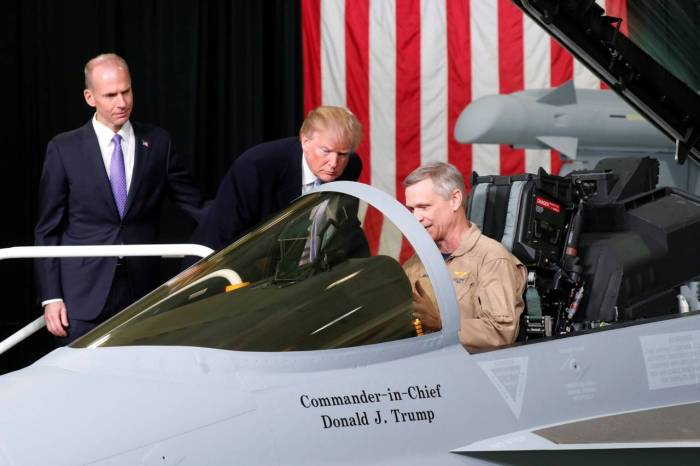
Navigating trade disputes in the aviation sector demands a multifaceted approach beyond simply imposing tariffs or zero-tariff agreements. Alternative strategies, considering the intricate web of global supply chains and the diverse needs of the aviation industry, offer a more nuanced perspective. These approaches acknowledge the potential for unintended consequences and seek solutions that promote sustainable growth and stability in the market.Different trade policies can significantly impact the aircraft leasing industry and the broader aviation sector.
A comprehensive understanding of these potential impacts is crucial for policymakers and industry stakeholders to devise effective and equitable solutions. Exploring alternative approaches helps ensure that any resolution to trade disputes is not detrimental to the overall health of the aviation industry.
An aircraft leasing giant is urging Trump to expand the zero-tariff plane pact, highlighting the crucial role of global trade in aviation. However, this comes at a time when Russia is struggling to replace bombers lost to Ukrainian drone strikes, a worrying development for global security, as detailed in this insightful article: russia faces struggle replace bombers lost ukrainian drone strikes.
This makes the need for a strong global aviation market, including tariff reductions, even more pressing for the leasing giant.
Alternative Dispute Resolution Mechanisms
Addressing trade disputes through established arbitration mechanisms or international courts can provide a structured and impartial platform for resolving conflicts. These processes often prioritize evidence-based arguments and legal precedents, leading to more objective outcomes compared to unilateral actions. The use of mediation can also be an effective tool for facilitating communication and compromise between disputing parties, ultimately leading to mutually acceptable solutions.
Impact of Different Trade Policies
Various trade policies can significantly impact the aviation industry. Protectionist measures, for example, can raise costs for consumers and hinder the competitiveness of domestic manufacturers. Conversely, policies that promote free trade can lead to increased competition and innovation but may also expose domestic industries to challenges from more aggressive competitors.
Comparative Analysis of Solutions
Different approaches to resolving trade disputes related to aircraft have varying degrees of impact on the aviation industry. The choice of approach often depends on the specific context of the dispute, the nature of the grievances, and the desired outcome.
| Approach | Pros | Cons | Long-Term Implications |
|---|---|---|---|
| Arbitration/Mediation | Impartial decision-making, structured process, potential for mutually agreeable solutions. | Can be time-consuming, may not always address broader industry concerns, limited scope depending on the agreement. | Promotes stability and predictability, fostering a more conducive environment for investment. |
| Zero-tariff agreements | Increased efficiency, reduced costs, expanded market access. | Potential for unfair competition if not properly balanced, concerns regarding national security interests. | Long-term sustainability depends on reciprocal benefits and careful consideration of national interests. |
| Subsidies/Government Support | Can bolster domestic manufacturers, potentially create jobs. | Risk of distorting the market, violating international trade rules, potential for retaliation from other nations. | May lead to short-term gains but could damage long-term competitiveness. |
Long-Term Implications of Each Approach
The long-term implications of each approach to resolving trade disputes in the aircraft sector extend beyond immediate financial gains or losses. Consideration must be given to the impact on innovation, global supply chains, and the overall health of the aviation industry. For instance, protectionist measures might boost domestic production in the short term but could stifle innovation and lead to higher prices for consumers in the long run.
Conversely, open trade policies can promote a more dynamic and innovative industry, but also require careful management to mitigate potential risks.
Future Trends
The proposed zero-tariff agreement on aircraft, while seemingly beneficial for the industry, introduces a complex set of variables impacting the future of aircraft leasing. This agreement could reshape the competitive landscape and influence the long-term strategies of aircraft leasing giants. Understanding the potential trajectories, market shifts, and technological advancements is crucial to anticipating the future of this critical sector of the aviation industry.The agreement’s impact on the future of aircraft leasing hinges on several factors, including the long-term viability of the tariff-free model, the evolution of global aviation demand, and the innovative response of aircraft manufacturers and leasing companies.
This will determine the trajectory of market growth and potential shifts in the industry’s structure.
Likely Future Trajectory of Aircraft Leasing
The zero-tariff agreement, if implemented successfully, could lead to increased demand for aircraft, fostering a more competitive market for leasing. This increased demand could potentially result in faster fleet turnover and higher lease rates, creating a favorable environment for leasing companies. However, the impact will also depend on the global economic outlook and overall aviation demand.
Projections for Market Growth and Shifts
The future market growth of aircraft leasing is contingent upon the success of the zero-tariff agreement and the prevailing economic climate. Increased trade, rising air travel, and favorable financing conditions could lead to a significant expansion in the market. Conversely, economic downturns or disruptions in the global supply chain could hinder market growth. For instance, the recent pandemic demonstrated how swiftly aviation demand can shift, impacting leasing projections.
Key Factors Influencing the Future of Aircraft Leasing
Several key factors will play a significant role in shaping the future of aircraft leasing:
- Global economic conditions:
- Sustained economic growth and rising air travel demand are crucial to driving market expansion. Conversely, economic uncertainty can lead to decreased demand and potentially hinder market growth.
- Technological advancements:
- The development of more fuel-efficient aircraft and sustainable aviation technologies could affect the demand for existing fleets and necessitate adjustments in leasing strategies.
- Regulatory responses:
- The specific regulations implemented in response to the zero-tariff agreement, such as environmental standards or safety requirements, will influence the viability of various aircraft models and their lease terms.
Potential Impact of Technological Advancements
Technological advancements, such as the development of electric or hybrid-electric aircraft, are likely to have a transformative impact on aircraft leasing. The introduction of new aircraft types will influence the demand for existing models, impacting leasing companies’ fleet strategies. For example, the gradual shift toward more fuel-efficient aircraft could affect the lease terms and profitability of older models, necessitating fleet adjustments.
The emergence of sustainable aviation fuels and the subsequent design of new aircraft will also have a major impact.
Possible Regulatory Responses to the Agreement
Regulatory responses to the zero-tariff agreement could take various forms. These responses might involve stricter environmental regulations, new safety standards, or revised tax policies that could influence the cost of aircraft ownership and leasing. For example, stricter emission standards could impact the lease profitability of older, less fuel-efficient aircraft. Additionally, new certifications for sustainable aviation fuels or electric aircraft might affect the demand for various aircraft models.
Ultimate Conclusion
In conclusion, the aircraft leasing giant’s support for Trump’s zero-tariff plane pact highlights a potential turning point in the aviation industry. The proposal’s impact on various stakeholders, from airlines to manufacturers, will be significant, with both potential benefits and drawbacks. The proposal’s success will depend on various factors, including international cooperation, public reception, and the overall economic climate. This decision could create new opportunities but also introduce new challenges for the industry, as the agreement is analyzed and implemented.