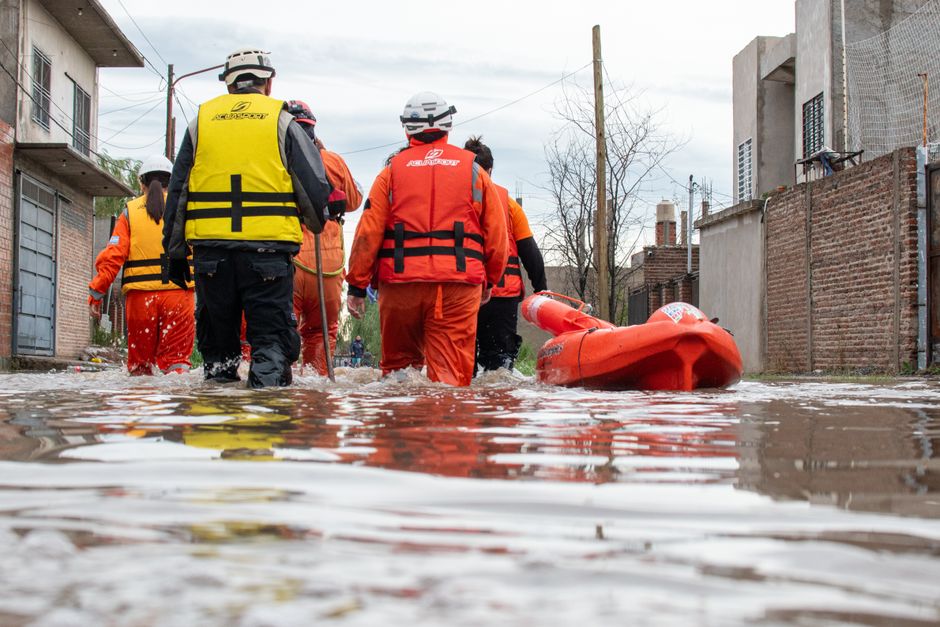
Sports Disaster Relief: Mobilizing Athletics for Crisis Response
The intersection of sports and disaster relief is a potent force, leveraging the immense popularity, resources, and organizational structures of the sporting world to address the devastating impacts of natural and man-made catastrophes. Beyond mere entertainment, sports entities, from professional leagues and teams to individual athletes and fan bases, have increasingly recognized their capacity and responsibility to contribute to humanitarian aid and recovery efforts. This engagement manifests in multifaceted ways, encompassing financial donations, in-kind contributions, volunteer mobilization, awareness campaigns, and the utilization of sporting infrastructure for relief operations. The unique appeal of sports transcends socio-economic divides, offering a platform for collective action and a sense of shared purpose during times of extreme duress.
The financial impact of sports disaster relief is substantial. Major sporting organizations, including governing bodies like the International Olympic Committee (IOC) and FIFA, as well as national leagues such as the NFL, NBA, MLB, and Premier League, frequently establish dedicated disaster relief funds or partner with established humanitarian organizations. These funds are often replenished through a variety of mechanisms. Charitable auctions of autographed memorabilia, unique fan experiences, and even game-worn equipment can generate significant income. Corporate sponsors, deeply embedded within the sports ecosystem, often match donations or contribute directly to relief efforts, amplifying the financial reach of these initiatives. Ticket sales for special fundraising games or events, where proceeds are earmarked for disaster relief, are another common and effective strategy. Furthermore, individual athletes, with their substantial personal wealth and global reach, frequently contribute to relief efforts, inspiring their followers to do the same. The aggregated financial contributions from the sports industry can represent millions, if not hundreds of millions, of dollars in critical funding for immediate relief and long-term recovery projects.
Beyond financial contributions, in-kind donations are a vital component of sports disaster relief. This can take many forms. Professional sports teams, often with extensive inventories of equipment, apparel, and training gear, can donate these items to affected communities. Jerseys, balls, training equipment, and even team facilities can be repurposed or distributed to provide essential resources. For instance, indoor arenas, typically used for basketball, hockey, or indoor soccer, can be transformed into temporary shelters, distribution centers for food and water, or medical triage points. Universities with extensive athletic departments often have similar resources available. The logistics of delivering these in-kind donations are often facilitated by the established logistical networks of sports leagues and teams, which can be surprisingly robust. This includes transportation partnerships and warehousing capabilities that can be swiftly redirected to aid disaster-stricken areas. The tangible nature of these donations provides immediate practical support to those affected, bridging critical gaps in essential supplies.
Volunteerism is another critical area where sports plays a significant role. Athletes themselves, when not actively competing or recovering from injury, often participate directly in relief efforts. They can lend their presence to community clean-up initiatives, assist in the distribution of supplies, or visit affected areas to offer emotional support and hope. Their visibility can galvanize larger volunteer efforts, drawing in fans and the general public. Many sports teams and leagues also organize dedicated volunteer days, encouraging their staff, players, and fans to contribute their time and energy. The organizational acumen developed within the sports industry, honed through managing complex event logistics and large-scale operations, can be effectively applied to coordinating disaster relief volunteer efforts, ensuring efficient deployment of human resources where they are most needed. Fan bases, often highly engaged and passionate, can be mobilized through social media campaigns and organized group efforts, turning collective fandom into a powerful force for good.
Awareness campaigns and public advocacy are perhaps the most far-reaching contributions of the sports world to disaster relief. The immense media attention that sports attracts provides an unparalleled platform for raising awareness about specific disasters and the ongoing needs of affected populations. Major sporting events, such as the Super Bowl, the World Cup, or the Olympic Games, can be leveraged to highlight relief efforts and encourage donations. Public service announcements featuring prominent athletes, broadcast during popular sporting events, can reach millions of viewers. Social media campaigns, often driven by athletes and teams, can go viral, spreading critical information and donation links rapidly. The emotional connection that fans have with their favorite teams and athletes can be channeled into empathy and a desire to help. By consistently bringing attention to humanitarian crises, the sports industry plays a crucial role in ensuring that disaster relief remains a priority in the public consciousness and that sustained support is provided beyond the initial news cycle.
The infrastructure of sports also offers tangible benefits in disaster scenarios. As mentioned, sports arenas and stadiums can serve as vital temporary shelters, providing a safe and organized space for displaced individuals. Their large capacity and existing facilities, such as restrooms and concession areas, can be quickly adapted to meet immediate needs. These venues can also function as command centers for relief operations, housing emergency personnel and coordinating logistical efforts. The communication networks and technological infrastructure associated with major sporting venues can be invaluable in restoring communication in affected areas. Moreover, the experience of sports organizations in managing large crowds and complex logistics can be directly applied to the organization and management of disaster relief distribution points, ensuring that aid reaches those who need it most efficiently and effectively. The ability to quickly deploy resources to these centralized locations is a significant advantage.
The response of the sports industry to disasters is not always reactive; it is increasingly proactive. Many organizations are developing robust disaster preparedness and resilience plans that include provisions for immediate relief. This involves establishing pre-existing relationships with humanitarian organizations, setting up contingency funds, and conducting training exercises for staff and volunteers. The focus is shifting from solely responding to crises to also building resilience within communities and preparing for future events. This can involve supporting initiatives that mitigate the impact of natural disasters, such as investing in flood defenses or earthquake-resistant infrastructure in areas where sporting events are frequently held. The long-term vision is to integrate disaster preparedness and response into the operational framework of the sports world, ensuring a sustained and impactful commitment.
The legal and policy implications of sports disaster relief are also becoming more prominent. As the involvement of sports entities in humanitarian aid grows, so does the need for clear guidelines and legal frameworks governing their contributions. This includes ensuring transparency in financial donations, compliance with charitable giving regulations, and the protection of volunteers and staff operating in challenging environments. The potential for reputational risk also necessitates careful consideration of partnerships and messaging. Furthermore, governments and international organizations are increasingly recognizing the value of collaborating with the sports sector in disaster response, leading to more formalized partnerships and integrated strategies. This collaboration can streamline efforts, avoid duplication, and maximize the impact of collective resources. The development of best practices and standardized protocols for sports-led disaster relief is an ongoing and important endeavor.
The ethical considerations surrounding sports disaster relief are also critical. While the motivations are typically altruistic, it is essential to ensure that relief efforts are conducted ethically and with the utmost respect for the dignity of affected individuals. This includes avoiding any form of "disaster tourism" or exploitation of vulnerable populations. The focus must always remain on providing genuine assistance and supporting long-term recovery. Athletes and organizations must be mindful of their privileged position and use their influence responsibly. Transparency in reporting on the impact of their contributions and accountability for funds raised are paramount. The goal is to build trust and ensure that the involvement of the sports world is perceived as a genuine force for good, unburdened by any ulterior motives.
In conclusion, the category of sports disaster relief represents a significant and evolving domain where athletic passion and humanitarian action converge. The financial, material, and organizational resources of the sports industry, combined with the inspirational power of athletes and the vast reach of their fan bases, offer an indispensable platform for addressing the devastating consequences of crises. From immediate aid and temporary shelter to long-term recovery and ongoing awareness, the sports world’s contribution to disaster relief is multifaceted, impactful, and increasingly vital in global humanitarian efforts. The continuous development of proactive strategies, ethical frameworks, and collaborative partnerships ensures that this powerful synergy will continue to grow and provide critical support to those in need for years to come. The global reach and inherent appeal of sports position it as a unique and potent ally in the face of adversity.