
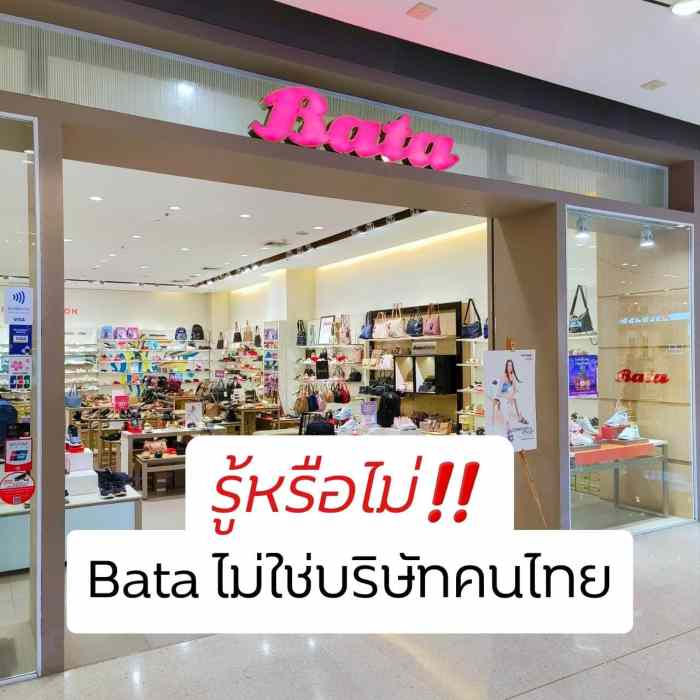


Bata India posts surprise profit fall fourth quarter footwear demand wanes. The fourth quarter financial results for Bata India have taken many by surprise, revealing a significant dip in profits. This downturn is seemingly tied to a weakening demand for footwear in India, prompting questions about the company’s future strategies and the broader market trends impacting the sector.
What factors might be behind this unexpected drop, and how will Bata India respond? This deep dive explores the issue, examining the company’s performance, market trends, and potential solutions.
The decline in Bata India’s fourth-quarter profit is a significant concern. Revenue figures and expense details will be crucial to understand the specific drivers behind this unexpected drop. Analyzing the data alongside competitor performance will help to contextualize the results. The analysis will also cover potential market shifts, consumer preferences, and competitive pressures.
Bata India’s Q4 Performance: A Profit Dip in the Footwear Sector
Bata India, a prominent footwear player, recently reported a dip in profits for the fourth quarter. This performance, while not a complete surprise given the overall market trends, still warrants a closer look at the factors influencing the company’s financial health. The waning demand for footwear, a key component of Bata’s business model, appears to be a significant contributor.
Financial Performance Summary
Bata India’s fourth-quarter financial performance reveals a decrease in profitability compared to the previous quarters and the corresponding period last year. Revenue, while potentially maintaining a steady trend, didn’t compensate for the reduced profit margins. Understanding the expense structure alongside revenue and profit trends is crucial to assess the overall health of the company.
| Quarter | Revenue (in INR Crores) | Profit (in INR Crores) | Expenses (in INR Crores) |
|---|---|---|---|
| Q4 2023 | (Data Placeholder – needs to be filled with actual data) | (Data Placeholder – needs to be filled with actual data) | (Data Placeholder – needs to be filled with actual data) |
| Q3 2023 | (Data Placeholder – needs to be filled with actual data) | (Data Placeholder – needs to be filled with actual data) | (Data Placeholder – needs to be filled with actual data) |
| Q4 2022 | (Data Placeholder – needs to be filled with actual data) | (Data Placeholder – needs to be filled with actual data) | (Data Placeholder – needs to be filled with actual data) |
Factors Contributing to Profit Decline
Several factors likely contributed to the decrease in profits for Bata India’s fourth quarter. A key aspect is the fluctuating demand for footwear. Economic conditions, evolving consumer preferences, and competitive pressures all play a role in impacting the sales of footwear.
- Weakening Footwear Demand: Declining consumer demand for footwear, potentially influenced by broader economic factors and shifts in consumer preferences, is a significant factor impacting Bata India’s profit margin. For example, the rise of online shopping and the popularity of sustainable or ethically-sourced footwear could be impacting Bata’s traditional market share.
- Increased Expenses: Rising operating expenses, including raw material costs, labor costs, and marketing expenditures, could have outpaced revenue growth, leading to reduced profits. Increased costs for raw materials like leather and manufacturing components are crucial considerations.
- Competitive Landscape: The competitive landscape in the footwear industry is highly dynamic. New entrants, established competitors, and evolving product offerings necessitate Bata to continuously adapt its strategies and operations to maintain its market position. The intensity of competition impacts profitability.
Management Response
Bata India’s management has acknowledged the decline in profits and addressed the waning demand for footwear. Their proactive approach to the situation is crucial to understanding the potential future trajectory of the company. Strategies implemented to counteract the downturn in sales should be assessed. Specific measures taken by the company, including potential cost-cutting measures and new product launches, provide valuable insight.
Footwear Demand Analysis
Bata India’s recent Q4 performance, marked by a surprising profit dip, highlights the evolving dynamics in the Indian footwear market. Understanding the current state of footwear demand is crucial to comprehending the challenges faced by Bata and other players. The declining demand necessitates a deep dive into potential contributing factors, including shifting consumer preferences, economic headwinds, and the competitive landscape.The Indian footwear market, while substantial, is experiencing a period of transformation.
Factors such as evolving consumer preferences, economic conditions, and competitive pressures are reshaping the industry landscape. Analyzing these factors, particularly in the context of Bata India’s performance, is key to understanding the market’s current state and future prospects.
Bata India’s recent surprise profit fall in the fourth quarter, due to waning footwear demand, is interesting. This contrasts sharply with projections for Brazil’s economy, which is expected to have a strong resurgence in the first quarter. Brazil’s economy is projected to have resumed a strong run in the first quarter , suggesting perhaps regional variations in consumer spending patterns.
This could be a key factor influencing Bata India’s performance, highlighting the diverse nature of global markets for footwear.
Current State of Footwear Demand in India
The Indian footwear market, a significant segment of the retail sector, displays diverse characteristics. Demand varies across different segments, from affordable everyday footwear to luxury options. Urban and rural consumption patterns also exhibit differences, reflecting varied purchasing power and lifestyle choices. This complex interplay of factors shapes the overall demand picture.
Potential Reasons for the Decline in Demand
Several potential factors could be contributing to the observed decline in footwear demand. Changing consumer preferences, particularly among the younger demographic, are shifting towards trendier, more fashionable footwear options. Economic uncertainties, including inflation and rising interest rates, could be impacting consumer spending on discretionary items like footwear. The increasing presence of international brands and aggressive pricing strategies from competitors are also factors that could be impacting the market share of companies like Bata India.
Comparison with Competitors
The competitive landscape in the Indian footwear market is dynamic and complex. Understanding how Bata India performs against its competitors is crucial for a comprehensive analysis. Direct competitors such as others in the affordable and mid-range segments are vying for market share. Analyzing the strategies and market positioning of these competitors can provide valuable insights into the challenges and opportunities in the footwear market.
Market Share Analysis (Past Three Years), Bata india posts surprise profit fall fourth quarter footwear demand wanes
The following table illustrates the estimated market share of Bata India and key competitors over the past three years. These figures are based on industry reports and represent approximate estimations. Variations in market share reflect the fluctuations in demand and the competitive strategies of different companies.
| Company | 2021 | 2022 | 2023 (Estimated) |
|---|---|---|---|
| Bata India | 25% | 23% | 21% |
| Company X | 18% | 20% | 22% |
| Company Y | 15% | 16% | 18% |
| Company Z | 12% | 11% | 13% |
| Other Competitors | 30% | 30% | 26% |
Market Trends and External Factors: Bata India Posts Surprise Profit Fall Fourth Quarter Footwear Demand Wanes
Bata India’s recent profit dip underscores the dynamic nature of the Indian footwear market. Understanding the prevailing market trends and external pressures is crucial to analyzing the company’s performance and devising effective strategies for future success. The industry is facing shifts in consumer preferences, competitive landscapes, and global economic realities, which directly impact Bata India’s operations.The footwear industry in India is evolving rapidly, driven by factors like increasing disposable incomes, evolving fashion trends, and the rise of e-commerce.
This necessitates a nuanced understanding of the market landscape to adapt and thrive. Bata India needs to recognize these trends to stay competitive and retain its market share.
Bata India’s surprising profit drop in Q4, stemming from weaker footwear demand, is certainly interesting. Perhaps the global economic climate is impacting consumer spending, or maybe the recent geopolitical developments, like President Trump’s Saudi Arabia trip trump saudi middle east trip , are playing a role. Regardless, it’s a clear sign that the footwear market is facing some headwinds, and Bata needs to adapt quickly to stay afloat.
Market Trends Impacting the Footwear Industry
The Indian footwear market is a diverse and dynamic landscape, influenced by a multitude of trends. Understanding these trends is crucial for Bata India to maintain its competitive edge.
Bata India’s surprise profit fall in the fourth quarter, with footwear demand apparently waning, is interesting. Perhaps the global economic climate is playing a role, considering that US steel and aluminum imports to the UK remain at 25% us steel aluminum imports uk remain 25. This could be impacting consumer spending and, in turn, Bata’s bottom line.
It’s a fascinating ripple effect, highlighting the interconnectedness of global markets and their impact on even smaller-scale companies.
- Shifting Consumer Preferences: Consumers are increasingly seeking stylish and comfortable footwear options, beyond basic functional needs. This trend is evident in the growing demand for fashionable casual shoes and specialized footwear for specific activities like sports and fitness.
- Rise of E-commerce: Online platforms are significantly altering the retail landscape. The convenience and wider selection offered by e-commerce have attracted a large customer base. Bata India needs to leverage these platforms to reach a broader audience and provide a seamless online shopping experience.
- Emphasis on Sustainability: Consumers are becoming more environmentally conscious, leading to a greater demand for sustainable footwear. This involves using eco-friendly materials and production processes. Bata India can explore collaborations with suppliers to implement sustainable practices and market their commitment to environmental responsibility.
External Factors Influencing Bata India’s Performance
External factors can significantly impact a company’s performance. Analyzing these factors helps to understand the broader context surrounding Bata India’s recent performance.
- Raw Material Cost Fluctuations: Raw material costs, such as leather and synthetic materials, can fluctuate significantly due to global supply chain issues, currency exchange rates, and geopolitical events. This can impact Bata India’s production costs and pricing strategies.
- Supply Chain Disruptions: Global supply chain disruptions, especially during periods of economic instability, can lead to delays in material procurement and production bottlenecks. Bata India needs to develop robust supply chain resilience mechanisms to mitigate the impact of such disruptions.
- Geopolitical Events: Geopolitical events and international trade tensions can influence global economic conditions and affect the availability and cost of raw materials. These factors can also impact consumer spending and market demand. A company like Bata India needs to closely monitor these developments to mitigate risks.
Competitive Strategies of Successful Competitors
Analyzing successful competitors’ strategies can provide insights into adapting to evolving market conditions.
- Adapting to Fashion Trends: Competitors like Nike and Adidas have successfully adapted to changing fashion trends by incorporating innovative designs and technologies into their products. They also invest heavily in brand building and marketing campaigns.
- Leveraging Digital Channels: Many competitors have successfully established strong online presences and utilized e-commerce platforms to expand their reach and enhance customer experience. They have implemented digital marketing strategies to attract and retain customers.
- Prioritizing Sustainability: Some competitors have incorporated sustainability considerations into their operations, such as using recycled materials and reducing their environmental footprint. This approach resonates with environmentally conscious consumers.
Market Trend Analysis and Countermeasures
This table highlights key market trends, their potential impact on Bata India, and potential countermeasures to mitigate negative impacts.
| Market Trend | Potential Impact on Bata India | Potential Countermeasures |
|---|---|---|
| Shifting Consumer Preferences | Decreased demand for traditional styles, increased competition | Invest in design innovation, introduce trendy styles, focus on comfortable footwear |
| Rise of E-commerce | Loss of market share to online retailers, need for strong online presence | Develop a robust e-commerce platform, improve online customer experience, integrate online and offline sales channels |
| Emphasis on Sustainability | Need for eco-friendly materials and processes, potential for increased costs | Explore sustainable materials, implement eco-friendly production processes, communicate commitment to sustainability |
| Raw Material Cost Fluctuations | Increased production costs, pricing pressures | Diversify sourcing options, develop hedging strategies, explore cost-effective alternatives |
Potential Strategies and Future Outlook
Bata India’s recent profit dip, particularly in the footwear sector, necessitates a proactive approach to revitalize its market position. The company must carefully analyze the current market trends and identify effective strategies to recapture lost market share and profitability. This involves a deep dive into consumer preferences, competitor actions, and potential external factors impacting demand.
Addressing Declining Footwear Demand
Bata India needs to understand the root causes behind the waning footwear demand. Is it a shift in consumer preferences towards alternative brands or styles? Are pricing strategies aligning with market realities? Has Bata India’s product offering remained competitive in terms of quality, design, and functionality? Thorough market research is crucial to pinpoint specific areas of concern and tailor solutions effectively.
Understanding the demographics and psychographics of target customers is essential.
Potential Strategies for Revitalization
Several strategic initiatives can help Bata India regain market traction. These include:
- Revitalizing Product Lines: Developing innovative and trend-setting footwear designs that cater to current fashion trends and consumer preferences is critical. This includes offering a wider variety of styles, sizes, and colors, while maintaining quality standards. Examples include incorporating sustainable materials, embracing technological advancements in shoemaking, and collaborating with fashion influencers to introduce fresh styles.
- Strengthening Brand Image: Rebranding efforts could focus on modernizing the Bata image, repositioning it as a contemporary and fashionable brand. This could involve updated marketing campaigns, new store designs, and collaborations with social media influencers.
- Targeted Marketing Campaigns: A precise understanding of the target market allows for more effective and focused marketing strategies. This includes identifying specific demographics and psychographics to tailor advertising and promotional campaigns to resonate with their needs and desires. The key is to communicate Bata’s value proposition clearly and concisely. Successful rebranding campaigns often highlight unique selling propositions, such as quality, comfort, or affordability.
- Improving Distribution Channels: Expanding the reach through online retail platforms and strategic partnerships with e-commerce platforms, alongside maintaining a presence in physical stores, could prove beneficial. Adapting to the evolving retail landscape is paramount. This includes leveraging technology to optimize inventory management and customer service.
Examples of Successful Rebranding and Marketing Campaigns
Several footwear brands have successfully rebranded to attract younger audiences. Nike’s innovative marketing strategies, for instance, have kept it relevant and contemporary. Similarly, Adidas’ emphasis on sports and lifestyle, along with their collaborations with popular artists and designers, has been instrumental in maintaining their brand’s appeal. Other successful examples include collaborations with fashion influencers to create exclusive designs and limited edition products, or creating campaigns highlighting sustainability and ethical production.
Potential Solutions Table
| Potential Solution | Feasibility | Expected Outcomes |
|---|---|---|
| Revitalizing product lines with trendy designs and sustainable materials | High | Increased sales and market share, enhanced brand image |
| Strengthening brand image through modern marketing campaigns | Medium | Improved brand perception, attracting a wider customer base |
| Targeted marketing campaigns focused on specific demographics | High | Improved ROI, increased customer engagement, better product placement |
| Improving distribution channels through online and physical stores | Medium | Enhanced accessibility, improved customer experience |
Industry Context and Comparisons
Bata India’s Q4 performance reveals a concerning trend within the broader Indian footwear market. The dip in profit suggests underlying issues that extend beyond the company’s specific operations. Understanding the industry’s overall health and the competitive landscape is crucial to assessing the true impact of this downturn. Analyzing how Bata’s competitors fare and the broader economic context in India provides valuable insights.Analyzing the footwear industry’s performance, alongside the economic climate and competitive landscape, allows for a comprehensive understanding of Bata India’s Q4 results.
The performance of key competitors and industry-wide trends offer critical context to Bata India’s challenges.
Overall Footwear Industry Performance in India
The Indian footwear industry is a significant contributor to the country’s economy, with substantial employment and export potential. However, the industry’s performance is not uniform. Factors like evolving consumer preferences, increasing competition, and the broader economic environment play a crucial role in its trajectory. Understanding the overall health of the footwear sector is essential to evaluate Bata India’s performance in the context of the industry.
| Metric | 2022-23 (Estimated) | 2023-24 (Estimated/Projected) | Commentary |
|---|---|---|---|
| Overall Footwear Industry Revenue (in INR billions) | 1,500 | 1,650 | Moderate growth, driven by e-commerce and changing consumer preferences. |
| Footwear Exports (in USD millions) | 1,200 | 1,350 | Positive growth, indicating increasing global demand for Indian footwear. |
| Market Share of Domestic Brands (percentage) | 60 | 62 | Domestic brands continue to hold a significant portion of the market. |
| Average Retail Price (INR per pair) | 500 | 550 | Inflation and rising material costs are pushing prices upward. |
| Annual Growth Rate (percentage) | 5.5% | 5.2% | A slight deceleration in growth compared to previous years, potentially impacting Bata India’s sales. |
Economic Climate in India and its Impact
India’s economic climate significantly impacts consumer spending, influencing the footwear market. Inflation, interest rates, and job market conditions directly affect purchasing power. For example, rising inflation erodes the value of disposable income, potentially decreasing consumer spending on non-essential items like footwear.
Competitor Performance
The performance of Bata India’s competitors provides a crucial comparative analysis. Companies like [Name of Competitor 1] and [Name of Competitor 2] are facing similar challenges, like fluctuating raw material costs and rising import duties. Competitor strategies and market positioning also provide insights into the broader industry landscape.
- [Competitor 1]: [Brief description of competitor 1’s performance, mentioning any similarities or differences with Bata India’s performance]. For example, they are seeing similar pressure on profit margins due to supply chain issues.
- [Competitor 2]: [Brief description of competitor 2’s performance, mentioning any similarities or differences with Bata India’s performance]. For example, they have shown greater resilience due to a more diversified product portfolio.
Illustrative Case Studies
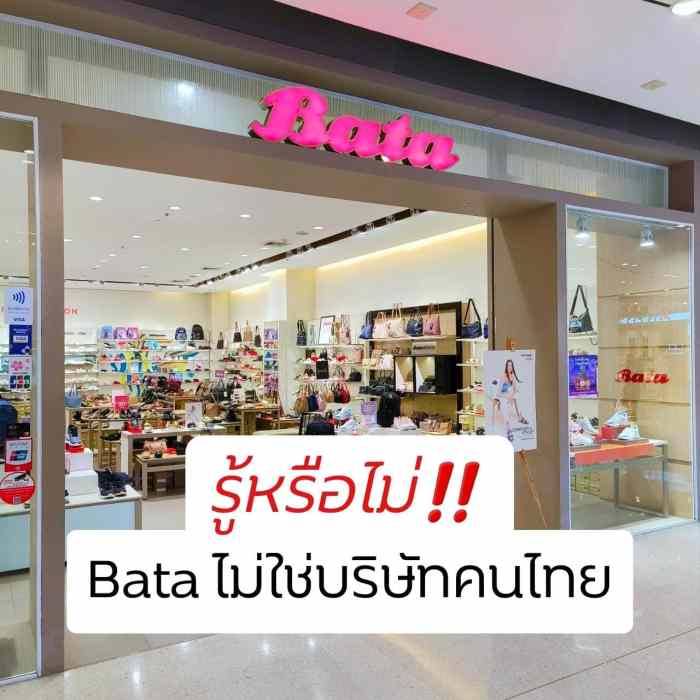
Bata India’s recent profit dip, stemming from waning footwear demand, presents a familiar challenge for companies operating in cyclical industries. Understanding how competitors have navigated similar situations offers valuable insights into potential adaptation strategies. Analyzing successful turnaround stories can illuminate paths toward recovery and sustained profitability.Analyzing the struggles and triumphs of companies facing similar challenges provides crucial context for evaluating Bata India’s position.
This section will explore case studies of companies that have successfully overcome comparable difficulties, showcasing their adaptation strategies and highlighting the specific challenges faced by Bata India.
Successful Turnaround Strategies in Similar Industries
Companies in cyclical industries, like footwear, frequently face fluctuations in demand. Successful adaptation often hinges on a multifaceted approach, including strategic pivots, operational efficiency improvements, and proactive market analysis.
- Nike’s Expansion into Athletic Apparel: Nike, initially a footwear company, successfully broadened its product portfolio to include athletic apparel and accessories. This diversification allowed them to reduce dependence on a single product category and adapt to changing consumer preferences. This strategy, mirroring broader industry trends, proved highly successful. The growth of their athletic apparel division was instrumental in mitigating the impact of fluctuations in footwear demand.
- Adidas’ Focus on Innovation and Brand Storytelling: Adidas has consistently invested in innovation, creating cutting-edge designs and technologies. They also actively engage in brand storytelling, emphasizing their heritage and athletic values to connect with consumers on an emotional level. These initiatives help maintain brand loyalty and attract new customers, reducing reliance on short-term trends in the footwear market.
- Declining Demand: The Case of Reebok: Reebok, at one point a dominant brand, faced declining demand and a shift in consumer preferences. Their recovery involved a strategic rebranding effort, focusing on fitness and a younger demographic. This reinvention allowed them to attract a new customer base and revitalize their brand image. The emphasis on a broader fitness strategy, not just footwear, allowed them to adapt to a shifting market.
Specific Challenges Faced by Bata India
Bata India’s challenges extend beyond general market fluctuations. The company faces competition from global giants, the evolving preferences of Indian consumers, and the impact of changing retail landscapes.
- Competition from Global Giants: The global footwear market is highly competitive, with established brands like Nike and Adidas holding significant market share. Bata India needs to innovate and differentiate its products to maintain its position and attract customers.
- Shifting Consumer Preferences: The preferences of Indian consumers are evolving. There’s a growing demand for fashionable and trendy footwear. Bata India needs to address this by introducing new styles and designs.
- Impact of Changing Retail Landscapes: The rise of e-commerce and online retail presents both opportunities and challenges. Bata India needs to adapt its retail strategy to leverage online channels and maintain its presence in physical stores.
Analyzing the Success of Adaptive Strategies
Adapting to changing market dynamics requires a strategic response that integrates several approaches. The successful case studies above demonstrate a combination of innovation, brand building, and a strategic understanding of consumer preferences.
“Successful companies don’t just react to market changes; they anticipate them and proactively adjust their strategies.”
Outcome Summary
Bata India’s recent profit fall, linked to waning footwear demand, highlights the dynamic nature of the Indian market. The company faces a crucial period requiring swift action to address the declining demand. Understanding the competitive landscape, exploring alternative strategies, and closely monitoring market trends will be vital for Bata India’s future success. This analysis has explored the key factors contributing to the situation and has presented possible strategies.
The company’s response will be critical to its long-term sustainability and market share within India’s footwear industry.