
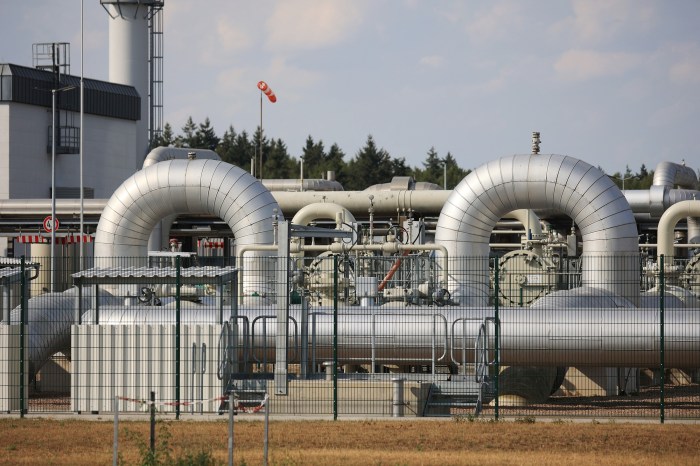

German gas pipeline lobby proposes reforms cut cost storage, aiming to streamline operations and reduce the expenses associated with gas storage. This initiative is happening amidst a complex energy landscape in Germany, where rising gas prices and the push towards energy independence are key factors driving the reforms. The lobby’s proposals delve into various aspects of gas pipeline infrastructure, including potential changes to regulations, maintenance schedules, and operational strategies, promising to affect the German energy sector significantly, both now and in the future.
The proposals detail specific reforms, exploring the potential impact on gas storage costs and infrastructure. They analyze existing regulations and industry standards, comparing them to the proposed changes. The reforms’ short-term and long-term effects on the energy sector, alongside the financial implications—cost savings and potential risks—are also scrutinized.
Background on German Gas Pipeline Lobby
The German gas pipeline lobby, a complex network of companies and organizations, plays a significant role in shaping energy policy in the country. Their influence stems from the critical infrastructure they manage and the substantial economic interests tied to the operation and expansion of gas pipelines. Understanding this lobby’s historical actions and the current political and economic context is crucial to analyzing their proposed reforms.This lobbying group has a long history, evolving alongside Germany’s reliance on natural gas.
Their influence has historically been felt through direct engagement with policymakers, advocating for projects that support their economic interests, and through shaping public perception of the necessity of gas infrastructure.
Key Players in the German Gas Pipeline Lobby
Several major players within the German energy sector are key components of the gas pipeline lobby. These include large energy companies with extensive pipeline networks, alongside engineering firms involved in pipeline construction and maintenance. Furthermore, associations representing these companies often coordinate efforts to collectively present a unified front to policymakers.
Past Actions of the Gas Pipeline Lobby
The lobby has historically advocated for the expansion of gas infrastructure, often citing the need for energy security and economic benefits associated with the sector. Examples include supporting projects for new pipelines, promoting gas storage facilities, and actively lobbying for policies that favor natural gas over other energy sources. This often involves contributing financially to political campaigns and influencing public discourse through targeted campaigns.
Current Political Climate in Germany
Germany’s political landscape is characterized by a growing focus on renewable energy sources, alongside concerns about energy security. This shift has prompted government policies aimed at reducing dependence on Russian gas and accelerating the transition to a more sustainable energy system. The ongoing war in Ukraine has further heightened these concerns, leading to a complex interplay between the need for short-term energy security and long-term climate goals.
The energy transition is a focal point in discussions between coalition partners, and this uncertainty presents challenges to the gas pipeline lobby’s traditional approach.
Economic Context Surrounding Gas Prices and Energy Security
The recent surge in gas prices, partly attributed to geopolitical factors, has highlighted the vulnerability of Germany’s energy system to external shocks. This situation has driven the German government to explore alternative energy sources and bolster domestic energy security. A key challenge lies in balancing the need to transition to a renewable energy future with maintaining the reliability of the energy supply.
The rising cost of renewable energy technologies, while necessary for long-term sustainability, presents a further economic challenge. Furthermore, the current cost of gas storage and the economic viability of existing infrastructure are at the forefront of policy debates. The current economic climate demands a careful consideration of the long-term energy security and economic viability of the sector, potentially leading to a reassessment of the role of gas pipelines in Germany’s future energy mix.
Proposed Reforms and Cost-Cutting Measures
The German gas pipeline lobby is pushing for significant reforms to reduce the costs associated with maintaining and operating the nation’s crucial gas infrastructure. These proposed changes aim to improve efficiency and competitiveness in the sector, potentially leading to lower energy prices for consumers. The reforms address a critical need to enhance the resilience and affordability of Germany’s energy supply in the face of geopolitical uncertainties and changing energy landscapes.The proposed reforms encompass a multifaceted approach, targeting various aspects of the pipeline network’s operations.
They seek to optimize maintenance schedules, explore alternative financing models, and adjust regulatory frameworks to foster innovation and cost-effectiveness. The lobby’s proposals aim to balance the need for reliable energy infrastructure with the imperative to reduce financial burdens on both the operators and the wider economy.
Specific Reforms Proposed by the Lobby
The German gas pipeline lobby advocates for several key reforms to streamline operations and lower costs. These include a reassessment of current regulatory requirements, focusing on streamlining approval processes for infrastructure projects and maintenance activities. They also propose adjustments to tariffs and pricing models to better reflect the actual costs of service provision and encourage investment in modernization.
Mechanisms for Achieving Cost Reductions
The proposed mechanisms for achieving cost reductions are designed to improve efficiency across the entire pipeline network. One key mechanism involves exploring alternative financing models, such as public-private partnerships or green bonds, to lower the cost of capital for pipeline projects and maintenance. Another strategy involves optimizing infrastructure maintenance schedules through advanced data analytics and predictive modeling, allowing for more targeted and efficient repairs and upgrades.
This preventative approach is aimed at minimizing downtime and reducing long-term maintenance expenses.
Comparison to Existing Regulations and Industry Standards
Current German regulations and industry standards concerning gas pipeline operations often focus on safety and environmental protection. The proposed reforms aim to complement these existing frameworks by incorporating cost-effectiveness as a crucial criterion. The reforms seek to achieve a balance between safety, environmental considerations, and financial sustainability, recognizing the interconnected nature of these factors. The lobby argues that by streamlining certain procedures, while maintaining stringent safety standards, substantial cost savings can be achieved.
Examples from other European countries or regions with similar energy infrastructures could be considered to analyze their cost-effective approaches and potentially adopt suitable strategies.
Potential Impacts on the German Energy Sector
The reforms, if implemented, could have significant short-term and long-term impacts on the German energy sector. Short-term impacts might include potential disruptions in pipeline operations as adjustments are made. However, long-term benefits could include a more resilient and competitive energy infrastructure, potentially leading to lower energy prices for consumers. These changes also could lead to increased investment in the sector and stimulate innovation in areas like pipeline technology and maintenance.
The reforms might influence the types of projects pursued and how companies operate, impacting their long-term strategies.
Financial Implications of the Reforms
The proposed reforms aim to reduce costs associated with gas pipeline operations. The anticipated cost savings could be substantial, potentially leading to lower energy prices for consumers and increased investment in the sector. However, potential risks include the need for upfront investment in new technologies or infrastructure, as well as the potential for unforeseen operational challenges. A comprehensive cost-benefit analysis, considering both the short-term and long-term financial implications, would be crucial.
Examples of similar reforms in other countries, including their successes and failures, could provide valuable insights. A careful assessment of the financial risks and potential returns is crucial to the success of the proposed reforms.
Impact on Gas Storage
The proposed reforms to the German gas pipeline sector are poised to significantly impact the nation’s gas storage infrastructure. These changes, aimed at lowering operational costs, will likely affect storage facility management and the overall strategy for energy security. Understanding these effects is crucial for assessing the long-term viability of gas storage in Germany’s energy mix.Current gas storage facilities in Germany play a critical role in balancing supply and demand.
The infrastructure, comprising numerous underground caverns and salt domes, represents a substantial investment and a legacy of past energy policies. However, the aging infrastructure and fluctuating market conditions require careful consideration to ensure continued viability. These facilities can serve as an important component of the energy transition, particularly in supporting renewable energy sources, which often have intermittent production.
This transition will require adaptable strategies for the management of these storage facilities.
Current Infrastructure of Gas Storage Facilities
Germany’s gas storage infrastructure is extensive, with numerous underground caverns and salt domes strategically located throughout the country. These facilities are vital for ensuring energy security during periods of low supply or high demand. The diverse range of storage technologies employed necessitates a nuanced understanding of their individual capabilities and costs.
Potential Role in the Energy Transition, German gas pipeline lobby proposes reforms cut cost storage
Gas storage facilities, with their large-scale capacity, can play a crucial role in supporting the energy transition by providing a flexible buffer for intermittent renewable energy sources like solar and wind power. This buffering function is particularly vital for maintaining grid stability and ensuring a reliable energy supply. The adaptation of these facilities to support variable renewable energy sources is a key aspect of the energy transition strategy.
Strategies for Optimizing Gas Storage Operations and Reducing Costs
Optimizing gas storage operations and reducing costs requires a multifaceted approach. Efficient management of storage capacity through advanced forecasting models, dynamic pricing mechanisms, and partnerships between storage operators and energy producers can significantly contribute to cost reduction. Furthermore, exploring the potential of smart grid technologies to enhance storage operations and integration with renewable energy sources could lead to further cost savings and improved efficiency.
- Demand-Side Management: Encouraging energy efficiency and demand-response programs can reduce the overall need for gas storage capacity during peak consumption periods.
- Technological Advancements: Implementing advanced monitoring and control systems can optimize the filling and emptying cycles of storage facilities, thereby reducing energy losses and improving operational efficiency.
- Infrastructure Modernization: Investing in upgrades and maintenance of existing facilities can improve their lifespan and reduce operational costs. Strategic planning for the potential repurposing of existing infrastructure for new energy storage technologies is critical.
Importance of Gas Storage in Ensuring Energy Security
Gas storage is critical for ensuring energy security during periods of low supply, such as during prolonged periods of cold weather or disruptions in the global gas market. The ability to draw on stored gas reserves mitigates the risk of supply shortages and maintains energy stability, which is paramount in maintaining a functional economy. The resilience of the energy system is heavily reliant on the strategic use of gas storage capacity.
Comparison of Different Gas Storage Technologies and Their Respective Costs
Different gas storage technologies, each with varying levels of efficiency and cost, are employed in Germany. The costs of maintaining and operating these facilities vary depending on the specific technology, location, and operational efficiency. Underground salt caverns are often more cost-effective over time compared to other methods.
| Storage Technology | Cost Considerations | Advantages |
|---|---|---|
| Underground Salt Caverns | Generally lower long-term operational costs, substantial storage capacity. | High storage capacity, relatively low cost per unit of storage. |
| Underground Depleted Gas Fields | Relatively high initial investment, potentially lower ongoing maintenance. | Existing infrastructure can be leveraged, potentially lower long-term costs depending on location. |
| Liquefied Natural Gas (LNG) Storage | High initial investment, potential for energy losses during liquefaction and regasification. | Flexibility to import and export gas, potentially quicker response to supply disruptions. |
Public and Political Responses
The proposed reforms to German gas pipeline infrastructure, aiming to cut costs and improve storage efficiency, are likely to spark varied reactions across stakeholders. Public opinion, often influenced by perceived impacts on energy prices and security, will play a crucial role in shaping the political landscape surrounding these changes. Understanding these potential responses is vital for assessing the feasibility and success of the reforms.
Consumer Reactions
Consumer reactions to the proposed reforms will likely hinge on their perceived impact on energy bills. If the reforms are projected to lower energy prices, there will likely be positive sentiment. Conversely, if the reforms are anticipated to increase prices or introduce instability, negative reactions are anticipated. The historical impact of similar energy policies in other countries offers valuable insights.
The German gas pipeline lobby’s proposals for reforms focused on cutting storage costs are interesting, especially considering the potential silver lining in this recession, as explored in the article recession dating silver lining. While these cost-cutting measures might seem like a short-term solution, they could also spark innovation and efficiency improvements in the long run, ultimately benefiting the industry and consumers.
Perhaps these pipeline reforms are a sign of adapting to the changing economic climate.
For instance, the UK’s energy price cap reforms, while aiming to provide price stability, generated mixed public opinions due to concerns about its long-term effectiveness. In Germany, public sentiment surrounding energy prices has been a significant factor in recent political discourse, and the reforms will need to address these concerns effectively.
The German gas pipeline lobby’s proposed reforms to cut storage costs are interesting, but they don’t seem to be addressing the larger energy picture. Meanwhile, it’s reassuring to see that Taiwan’s central bank isn’t worried about the US dollar’s reserve currency role, given the current stability of US debt, as reported in this article us debt is sound no concerns about us dollars reserve role taiwans central bank.
Ultimately, though, the focus should remain on the German pipeline proposals and their impact on the European energy market.
Industry Competitor Responses
Industry competitors, including smaller energy companies, may react to the proposed reforms in various ways. Some might see the reforms as a threat to their market share if they are unable to compete with larger, potentially more efficient players. Others may see opportunities for collaboration or innovation. The degree of competition and the potential for market consolidation will play a critical role in the industry’s response.
Government Official Responses
Government officials will likely assess the reforms based on their alignment with broader energy policy objectives. Political considerations, such as public pressure and the potential for political capital gains or losses, will heavily influence their response. The reforms’ compatibility with existing environmental regulations and the potential for job creation or displacement within the energy sector will also be significant considerations.
Successful energy policy implementation often requires careful navigation of these complexities.
Public Opinion’s Influence
Public opinion is a critical factor in shaping political support for the reforms. If public perception is negative, this could lead to increased political opposition and potentially delay or even derail the reforms. The success of similar energy reforms in other countries underscores the importance of public engagement and transparency in communication. The German government’s track record in managing public opinion regarding energy policy will be crucial in determining how the reforms are received.
Potential Reactions Summary
| Stakeholder | Potential Benefits | Potential Drawbacks |
|---|---|---|
| Consumers | Lower energy bills, improved energy security | Higher energy bills, potential instability in energy supply |
| Industry Competitors | Opportunities for collaboration or innovation | Threat to market share, potential market consolidation |
| Government Officials | Alignment with broader energy policy, political support | Public opposition, potential political backlash |
Alternatives and Future Considerations: German Gas Pipeline Lobby Proposes Reforms Cut Cost Storage
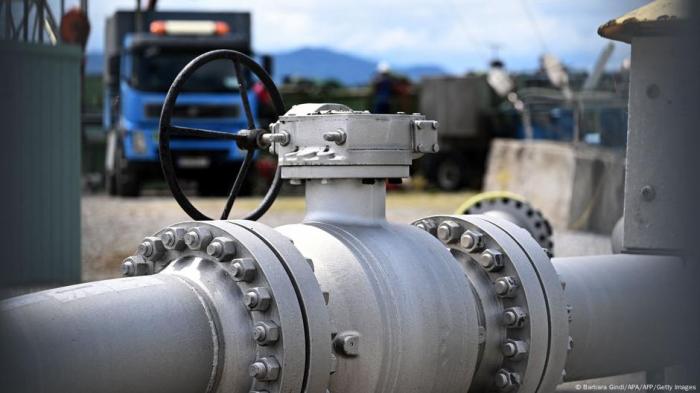
The proposed reforms to German gas pipeline storage aim to reduce costs, but a complete decoupling from fossil fuels is essential for long-term energy security and sustainability. This necessitates exploring alternative solutions beyond simply optimizing existing infrastructure. This section will delve into these alternatives, assessing their potential impact on Germany’s energy future.Exploring alternative energy sources and efficiency measures is critical for mitigating dependence on natural gas and reducing storage costs.
The German gas pipeline lobby is proposing reforms to cut storage costs, which is certainly a timely topic. Meanwhile, over in baseball, Christian Yelich, crushing it for the Brewers against the Phillies , is reminding us that sometimes the best plays are the ones that bring a crowd to their feet. Back to the gas pipeline issue, these reforms could significantly impact the energy sector.
The shift towards renewable energy, coupled with improved energy efficiency, can significantly alter the energy landscape and lessen the strain on gas storage facilities.
Alternative Solutions to Reduce Gas Storage Costs
Investing in renewable energy sources like solar and wind power, coupled with smart grids, can dramatically reduce the need for gas storage. A transition to a more decentralized energy system powered by renewables would lessen reliance on centralized fossil fuel infrastructure, including pipelines. Furthermore, implementing energy efficiency measures in buildings and industry can lower overall energy consumption, thus reducing the demand for gas storage.
Potential Long-Term Impact on Germany’s Energy Security and Sustainability
The successful implementation of these reforms can lead to enhanced energy security. Diversifying energy sources and reducing reliance on a single, potentially volatile fuel source strengthens Germany’s resilience against geopolitical instability and price shocks. Increased energy independence, combined with a reduced carbon footprint, enhances Germany’s commitment to sustainability goals.
Comparative Analysis of Various Energy Scenarios for Germany
Germany faces a crucial choice in shaping its energy future. A scenario heavily reliant on natural gas, despite cost-cutting measures, may prove vulnerable to market fluctuations and environmental concerns. Conversely, a scenario emphasizing renewable energy and energy efficiency can foster a more sustainable and resilient energy system. The long-term cost savings associated with renewables, coupled with reduced greenhouse gas emissions, could provide a more secure and environmentally responsible energy future.
Germany’s transition away from natural gas would gradually shift the balance from a fossil fuel-based energy mix to a renewable-energy dominant system.
Timeline for Implementation of Proposed Reforms
A phased approach to implementing the proposed reforms is crucial. The initial phase would focus on identifying and prioritizing energy efficiency projects, alongside supporting the expansion of renewable energy infrastructure. Subsequent phases could involve the development of smart grids and the eventual decommissioning of less efficient gas storage facilities. A detailed timeline, incorporating milestones and potential challenges, is essential for successful implementation.
A crucial factor in the timeline is securing the necessary funding and political support for the transition.
Potential Impact of Alternative Energy Strategies on Gas Storage Costs
| Strategy | Cost Savings Potential | Environmental Impact |
|---|---|---|
| Increased Renewable Energy Generation | Significant reductions in storage costs, as the demand for gas diminishes. | Reduced greenhouse gas emissions and improved air quality. |
| Improved Energy Efficiency Measures | Lower energy consumption translates to decreased reliance on gas storage. | Reduced carbon footprint and resource conservation. |
| Smart Grid Implementation | Optimized energy distribution, potentially leading to minor savings in storage costs. | Improved energy efficiency and reduced transmission losses. |
| Decentralized Energy Systems | Reduced reliance on centralized storage facilities. | Enhanced energy security and resilience. |
“A transition to a renewable energy-dominated system could significantly reduce the long-term costs associated with gas storage and improve Germany’s energy security.”
Illustrative Examples and Case Studies
The German gas pipeline lobby’s proposed reforms, aiming to reduce gas storage costs, find parallels in other European nations grappling with similar energy infrastructure challenges. Examining successful cost-cutting initiatives in comparable contexts offers valuable insights into potential strategies and outcomes. Analyzing past successes can provide a roadmap for the German initiative, helping anticipate potential pitfalls and optimize results.
Cost-Cutting Measures in Dutch Gas Storage
Dutch gas storage facilities, facing fluctuating energy prices and regulatory pressures, have implemented several cost-cutting measures. These measures include optimizing storage facility operations through advanced monitoring systems, reducing maintenance costs through preventative maintenance schedules, and renegotiating contracts with suppliers. These strategies demonstrate the potential for efficiency gains within gas storage operations.
- Optimized Operational Efficiency: Real-time monitoring and predictive maintenance models are increasingly used to minimize downtime and optimize the use of storage capacity. This allows for greater flexibility in response to market demands, which in turn lowers operating costs.
- Contractual Adjustments: Negotiating favorable terms with suppliers for equipment and services can significantly reduce the long-term costs of maintaining gas storage infrastructure. These adjustments often involve leveraging competitive market pressures to secure better pricing.
- Improved Maintenance Strategies: Preventive maintenance schedules, incorporating advanced sensor technology and data analysis, are employed to anticipate and address potential equipment failures before they impact operations. This proactive approach minimizes unexpected downtime and maintenance expenses.
Successful Initiatives in European Energy Infrastructure
Numerous case studies highlight successful cost-cutting initiatives in European energy infrastructure projects. These initiatives often involve a combination of technological advancements, strategic partnerships, and regulatory flexibility. For instance, the use of renewable energy sources within gas networks can lower operational costs and promote energy independence.
- Danish Wind Integration: Denmark’s successful integration of wind energy into its electricity grid serves as a model. By leveraging wind power’s fluctuations to manage grid stability and integrate renewable energy into the gas grid, the country has reduced costs associated with fossil fuel dependency. This demonstrates the potential for reduced energy storage needs through diversification.
- French Nuclear Power Efficiency: France’s extensive nuclear power generation infrastructure has implemented continuous improvement programs aimed at reducing operational costs. These efforts focus on advanced maintenance techniques, optimized reactor operations, and streamlining supply chains.
- Spanish Solar Energy Deployment: Spain’s significant investment in solar energy has led to lower energy costs through greater renewable energy production. The reduced reliance on fossil fuels has indirectly reduced costs for gas storage and distribution.
Illustrative Cost Reduction Data
The following table presents a hypothetical example of cost reduction in a European gas storage facility. The figures represent estimated reductions and do not reflect specific data from a particular case study.
| Year | Initial Costs (€ millions) | Cost-Cutting Measures Implemented | Reduced Costs ( € millions) |
|---|---|---|---|
| 2022 | 15 | Improved maintenance schedules, renegotiated contracts | 2 |
| 2023 | 13 | Optimized storage operations, advanced monitoring | 1 |
| 2024 | 12 | Integration of renewable energy | 1 |
Ending Remarks
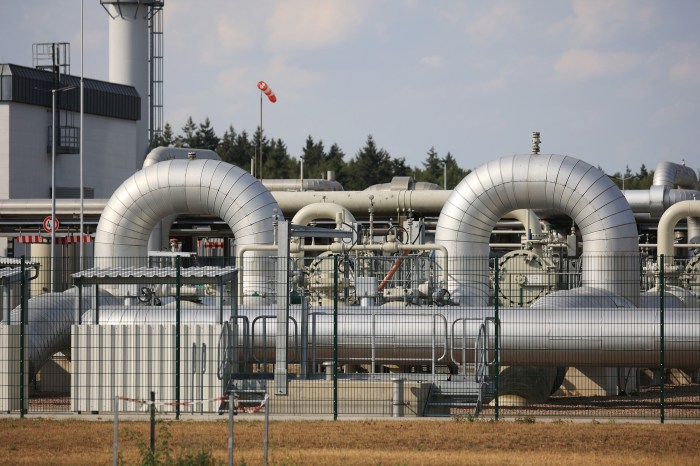
The German gas pipeline lobby’s proposals to cut gas storage costs are complex, impacting various stakeholders. Public and political reactions are anticipated to be diverse, with potential benefits and drawbacks for consumers, industry competitors, and government officials. Alternative solutions like renewable energy investments and energy efficiency measures are also explored, offering a broader perspective on Germany’s energy future.
The potential long-term impact on energy security and sustainability is carefully evaluated, alongside a comparative analysis of energy scenarios for Germany.