

How Gen Z gender divide is reshaping democracy sets the stage for this enthralling narrative, offering readers a glimpse into a story that is rich in detail and brimming with originality. Gen Z’s evolving understanding of gender identity is significantly impacting political engagement and shaping the future of democratic processes. From their unique perspectives on gender-related issues to their innovative methods of political activism, this generation is undeniably reshaping the very fabric of democracy.
This exploration delves into the nuances of Gen Z’s gender identities, examining how social media, cultural shifts, and family dynamics have influenced their understanding of gender. We’ll also analyze their political engagement, highlighting the key issues that resonate most strongly with them and the various ways they participate in political discourse. Further, the potential for divisions within Gen Z based on gender and political viewpoints will be explored, providing examples of different political stances taken by different gender identities within this generation.
Finally, the impact on democratic processes and future implications will be detailed.
Defining Gen Z Gender Identity: How Gen Z Gender Divide Is Reshaping Democracy
Gen Z, born between the mid-1990s and early 2010s, is navigating a world increasingly accepting of diverse gender identities. Their understanding of gender identity is shaped by a unique confluence of factors, including readily available information, rapidly evolving social norms, and the ever-present influence of social media. This generation’s perspectives on gender are significantly different from those of previous generations, reflecting a broader societal shift towards inclusivity and self-expression.This exploration delves into the multifaceted understanding of gender identity within Gen Z, encompassing traditional views, non-binary identities, and fluid gender expressions.
We will analyze the factors that have influenced this evolution and how Gen Z’s perspective differs from previous generations.
Gen Z’s Diverse Perspectives on Gender Identity
Gen Z’s approach to gender identity is marked by a broad spectrum of views. While some Gen Z individuals hold traditional gender identities, a significant portion embrace non-binary and gender-fluid identities. This diversity reflects a growing acceptance of diverse gender expressions, challenging the binary view of male and female. This generation is increasingly comfortable with self-identification that extends beyond rigid categories, fostering a more fluid and inclusive understanding of gender.
Evolution of Gender Identity Concepts
The concept of gender identity has evolved significantly within Gen Z compared to previous generations. Previous generations often experienced societal pressure to conform to traditional gender roles, limiting the exploration of diverse identities. Gen Z, on the other hand, is exposed to a wider range of perspectives through social media and diverse media representations. This exposure allows them to explore and define their identities in more nuanced and personalized ways.
Gen Z’s evolving views on gender roles are definitely impacting how democracy functions. This shift is influencing everything from voting patterns to political activism. Interestingly, the recent news about BMO hiring former BofA executive Aron Levine to lead US rejigs teams here highlights how businesses are also responding to these changing demographics. Ultimately, this changing dynamic within Gen Z is a significant force reshaping the future of democracy in significant ways.
The internet and social media platforms have fostered a sense of community and support for individuals exploring their gender identities. This has created a space where individuals can openly express themselves and connect with others who share similar experiences.
Factors Influencing Gen Z’s Evolving Gender Identity
Several factors contribute to the evolving gender identity landscape within Gen Z. Social media platforms, such as TikTok and Instagram, are powerful tools for shaping perceptions and disseminating information about diverse gender identities. These platforms provide spaces for self-expression, education, and community building around gender identity.Cultural shifts, including increasing acceptance of LGBTQ+ rights, have also influenced Gen Z’s views.
The rise of LGBTQ+ representation in media and popular culture has normalized diverse gender expressions, leading to a greater acceptance and understanding within Gen Z. Family dynamics play a crucial role as well. Open-minded and supportive family environments can encourage the exploration of different gender identities, whereas restrictive environments may limit exploration and self-expression. These various influences combine to create a complex picture of how Gen Z understands and interacts with gender identity.
Key Differences in Gender Identity Views
| Factor | Gen Z | Previous Generations |
|---|---|---|
| Traditional Gender Roles | Increasingly challenged and viewed as limiting. | Often viewed as normative and expected. |
| Non-Binary and Gender Fluid Identities | More readily accepted and explored. | Less accepted and often stigmatized. |
| Social Media Influence | Significant impact on shaping perceptions and expressing identities. | Limited impact compared to Gen Z’s reliance on social media. |
| Cultural Shifts | Exposed to broader perspectives and acceptance of LGBTQ+ rights. | Generally less exposed to diversity in gender expression. |
| Family Dynamics | Open-minded families encourage self-expression and exploration. | Families often held stricter views on gender roles. |
Gen Z’s Political Engagement
Gen Z, the generation born between the early 1990s and the early 2010s, is rapidly emerging as a significant force in shaping political discourse. Their unique experiences and perspectives, particularly those shaped by evolving gender identities and social media, are influencing how they engage with political processes. This generation’s political engagement is multifaceted and often driven by a desire for social justice and equality.This generation’s political participation extends beyond traditional methods like voting.
Gen Z is actively involved in online activism, protests, and community organizing, often leveraging technology and social media platforms to amplify their voices and mobilize support for causes they believe in. This engagement is often focused on gender-related issues, demonstrating a strong commitment to equality and challenging traditional norms.
Extent of Political Participation
Gen Z’s engagement in political processes is notable, although not uniform across all members. Voting rates among Gen Z are still developing, though research shows a growing interest and participation in elections as they become eligible. Activism, including online campaigns, social media advocacy, and participation in protests, is a prominent form of political expression for this generation. Direct involvement in political discussions, either online or in person, is also a key component of their political engagement.
Key Political Issues Resonating with Gen Z
Gender equality is a significant driver of Gen Z’s political engagement. Issues like pay equity, reproductive rights, gender-based violence, and LGBTQ+ rights are at the forefront of their concerns. Their understanding of gender identity and expression is often more nuanced and inclusive than previous generations, leading to a strong advocacy for policies that support diverse experiences. This is often intertwined with other critical issues like climate change, economic inequality, and racial justice.
Gen Z’s evolving gender identities are undeniably reshaping democratic discourse and political participation. While exploring these shifts, it’s fascinating to consider how historical figures like Saint Augustine and Pope Leo XIV navigated similar societal challenges in their time. Their struggles and triumphs, as detailed in the article on history saint augustine pope leo xiv , offer intriguing parallels to the current generational conversations about gender equality and its impact on democratic systems.
Ultimately, these historical and contemporary perspectives highlight the ongoing, dynamic nature of democracy’s evolution.
Methods of Political Discourse
Gen Z utilizes a variety of methods to participate in political discourse. Social media activism, often employing platforms like Twitter, TikTok, and Instagram, allows for rapid dissemination of information and mobilization of support. Protests and demonstrations, frequently organized through online platforms and fueled by social media, are a visible manifestation of Gen Z’s political voice. Community organizing, which fosters local action and collective efforts, is another important aspect of their engagement, often addressing specific issues in their communities.
Examples of Gen Z Political Campaigns Related to Gender Equality
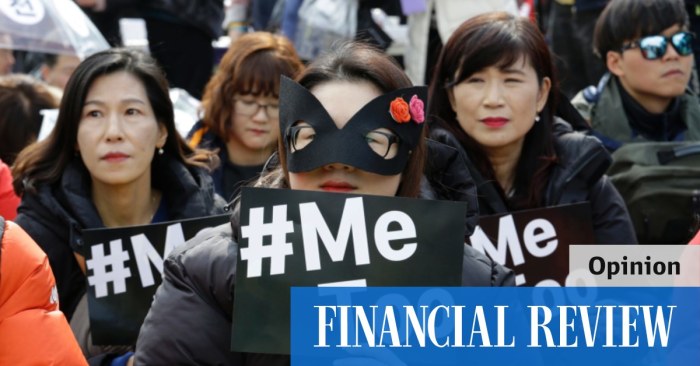
- #MeToo Movement: This movement, while not exclusively Gen Z-led, saw significant participation and amplification by this generation on social media platforms, demonstrating their ability to leverage technology for collective action and demanding accountability for gender-based violence.
- Advocacy for LGBTQ+ Rights: Gen Z has been actively involved in campaigns promoting LGBTQ+ rights and inclusion, often using social media to raise awareness and organize protests against discrimination. Their advocacy is evident in initiatives focused on legislation and policy changes.
- Reproductive Rights Campaigns: Gen Z’s involvement in campaigns related to reproductive rights is notable, highlighting their commitment to access to healthcare and bodily autonomy. Their activism includes supporting organizations and initiatives working to protect and expand reproductive rights.
- Pay Equity Initiatives: Gen Z has participated in campaigns demanding fair compensation for women in the workplace, often through social media and community organizing, pushing for policy changes and awareness of gender pay gaps.
Gender-Based Political Divisions within Gen Z
Gen Z, a generation shaped by rapid technological advancements and social media, is navigating complex political landscapes. While united by certain shared experiences and values, potential divisions based on gender identities and political viewpoints are emerging. Understanding these nuances is crucial for comprehending the evolving dynamics of Gen Z’s political engagement.Political polarization, often amplified by social media, is creating a fertile ground for gender-based divisions within Gen Z.
Different experiences and perspectives based on gender can lead to varied interpretations of political issues, potentially fostering distinct political stances. The intersection of gender identity with other factors, such as race, socioeconomic status, and geographic location, further complicates this dynamic.
Political Issues Creating Gender-Based Divisions
The diverse experiences and perspectives of Gen Z regarding political issues can lead to significant gender-based divisions. Issues like reproductive rights, gender equality in the workplace, and representation in political leadership are particularly potent in shaping these divisions.
Examples of Different Political Stances by Gender Identity
Gen Z exhibits a range of political stances regarding various issues, influenced by gender identity. For instance, on the issue of reproductive rights, some women within Gen Z might advocate for increased access to reproductive healthcare, while others may hold more conservative views. Similarly, regarding gender equality in the workplace, Gen Z men and women may hold differing opinions on policies aimed at achieving gender parity.
Comparison of Political Views Across Gender Identities
| Gender Identity | Reproductive Rights | Gender Equality in Workplace | Political Representation |
|---|---|---|---|
| Cisgender Women | Generally favor increased access to reproductive healthcare, including abortion, and support policies promoting gender equality. | Advocate for equal pay, flexible work arrangements, and an end to gender-based discrimination in the workplace. | Seek greater representation of women in political positions and leadership roles. |
| Cisgender Men | Views on reproductive rights vary, with some supporting access and others opposing it. | Support fair compensation and opportunities for all genders, but perspectives on specific policies vary. | Support diverse representation but may have differing views on quotas or affirmative action. |
| Transgender and Non-Binary Individuals | Often prioritize the rights of transgender individuals related to reproductive healthcare, including access to transition-related care. | Focus on inclusive policies that address the unique challenges faced by transgender and non-binary individuals in the workplace. | Advocate for policies that protect and advance the rights of transgender and non-binary individuals in politics. |
Impact on Democratic Processes
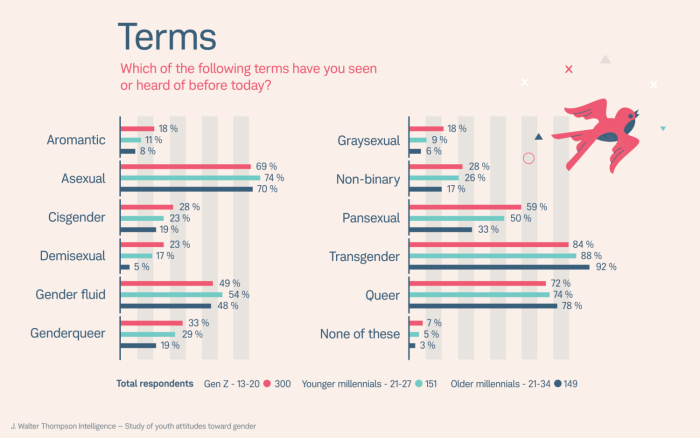
Gen Z’s evolving understanding of gender identity and their robust political engagement are undeniably reshaping democratic processes. This generation’s unique perspectives are influencing policy debates and potentially altering election outcomes in ways that are still unfolding. The impact is not merely a generational shift but a fundamental reimagining of how gender intersects with political participation and representation.The shift is evident in the increased emphasis on inclusivity and representation within Gen Z.
They are demanding more nuanced and comprehensive policies that address the specific needs and concerns of individuals across the gender spectrum. This heightened awareness and advocacy are impacting policy debates, pushing for legislative changes, and driving a paradigm shift in how political discourse engages with gender.
Influence on Policy Debates
Gen Z’s active participation in online discussions and social movements has significantly amplified their voices in policy debates. Their engagement with platforms like Twitter, TikTok, and Instagram has fostered the development of a unique and widespread collective consciousness around gender issues. This, in turn, has led to greater pressure on politicians and policymakers to address these concerns in their legislative agendas.
Issues such as LGBTQ+ rights, reproductive rights, and gender-based violence are receiving increased attention due to Gen Z’s vocal advocacy.
Impact on Legislative Decisions
Gen Z’s influence on legislative decisions is multifaceted. Their engagement in lobbying efforts, organizing protests, and participating in town halls demonstrates a growing understanding of the legislative process. This direct engagement fosters a dynamic interplay between the electorate and their representatives. This activism is particularly visible in the advocacy for gender-neutral language in legal documents and policies.
The increased attention to gender-neutral language in legislation signifies a significant shift in acknowledging the diversity of gender identities.
Effect on Election Outcomes, How gen z gender divide is reshaping democracy
Gen Z’s demographic size and growing political engagement can potentially sway election outcomes. Their distinct political viewpoints on issues like climate change, economic inequality, and social justice are shaping their voting patterns. The growing understanding of gender identity among Gen Z is driving a demand for policies that reflect the needs of all citizens, potentially influencing the election of candidates who align with these values.
The rise of young voters, including Gen Z, signifies a substantial shift in electoral dynamics, with their unique perspective holding increasing weight.
Future Political Landscapes
The emergence of a more diverse and inclusive understanding of gender identity within Gen Z suggests a future political landscape that is potentially more representative and equitable. Gen Z’s emphasis on inclusivity and equality will likely lead to a more nuanced and complex approach to policy-making, as the need to cater to a wider range of viewpoints becomes increasingly critical.
Political parties and candidates will need to adapt to this evolving landscape by engaging with Gen Z’s concerns and incorporating their perspectives into their platforms. Their engagement with issues of diversity, equity, and inclusion is transforming the political sphere, demanding a more comprehensive understanding of gender and its relationship with power.
Future Implications for Democracy
Gen Z’s evolving understanding of gender identity and its intersection with political engagement is poised to significantly reshape the future of democracy. This generation’s unique perspective, shaped by social media and global interconnectedness, presents both exciting opportunities and potential challenges for democratic systems. Understanding these dynamics is crucial for navigating the evolving political landscape and ensuring inclusivity and representation for all.The interplay between Gen Z’s gender-based political views and the future of democracy is complex.
This generation’s experiences and perspectives, often shaped by diverse and intersectional identities, are likely to push democratic systems to adapt and evolve. The challenges inherent in these shifts include fostering dialogue and understanding across differing viewpoints and ensuring equitable representation in political processes. Conversely, these evolving viewpoints can offer opportunities for enhanced inclusivity and innovation in governance.
Potential Challenges for Democratic Systems
The increasing political polarization within Gen Z based on gender identity can create challenges for democratic systems. Difficulties in fostering dialogue and finding common ground across diverse viewpoints can hinder collaborative decision-making. Furthermore, the potential for marginalized voices to be overshadowed or unheard in the political process poses a risk to democratic principles. Such challenges demand proactive strategies to address them.
Potential Opportunities for Democratic Systems
Gen Z’s engagement with gender identity and politics presents a unique opportunity for democratic innovation. The generation’s embrace of diverse perspectives can lead to more inclusive and representative political processes. This can result in more nuanced policy solutions that address the needs of a wider range of citizens. Their active participation in shaping democratic processes can also lead to greater public trust and engagement.
Gen Z’s evolving gender identities are definitely impacting how they view democracy, leading to fascinating shifts in political engagement. It’s a complex dynamic, and like the intriguing choices in the Netflix show Weak Hero Class 2, weak hero class 2 netflix ending explained , it’s not always clear-cut. Ultimately, these nuanced viewpoints are reshaping the very fabric of democratic participation in a generation.
Strategies for Bridging Political Divides
Bridging the political divides within Gen Z based on gender identity requires a multifaceted approach. Promoting open dialogue and fostering empathy through educational programs and community initiatives can help build understanding. Creating platforms for diverse voices to be heard and represented in political discussions is also crucial. Recognizing and valuing intersectionality is vital, acknowledging that gender identity intersects with other identities such as race, ethnicity, and socioeconomic status.
Examples of Successful Strategies for Incorporating Diverse Perspectives
Several examples exist of successful strategies for incorporating diverse perspectives into democratic processes. For instance, the use of deliberative polling techniques can create structured opportunities for dialogue among diverse groups. Furthermore, incorporating diverse representation on governing bodies and decision-making panels can lead to a more inclusive and nuanced approach to policymaking. Such initiatives can help foster a greater understanding of different perspectives and experiences.
Promoting initiatives that encourage intergenerational dialogue can facilitate a deeper understanding between older generations and Gen Z, contributing to more cohesive democratic processes.
Visual Representation of Gen Z Gender and Politics
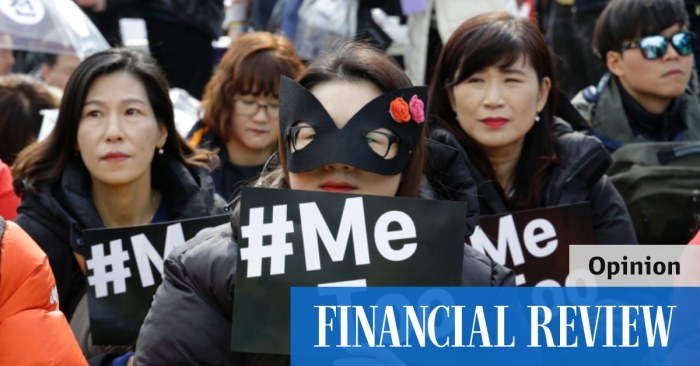
Gen Z, known for its digital fluency and diverse perspectives, uses visual language to express complex political and gender identities. This visual communication is a powerful tool for advocacy, fostering community, and shaping the narrative around gender and politics. Understanding the imagery and symbolism employed by this generation is crucial for grasping their evolving political landscape.Visual communication is deeply intertwined with Gen Z’s digital native experience.
They are adept at using social media platforms, creating personalized content, and engaging in online activism. The way they visually represent their gender identities and political viewpoints reflects this fluency, often blending personal expression with broader social movements.
Visual Elements in Gen Z Political Discourse
Gen Z utilizes a wide range of visual elements to convey their views on gender and politics. This includes memes, infographics, and digital art, often featuring bold colors, stylized fonts, and impactful imagery. These visual tools allow for quick, accessible communication and foster a sense of shared identity among peers.
“Memes, GIFs, and other forms of online humor frequently address societal issues, including gender equality and political activism.”
Symbolic Representations of Gender Identity
Gen Z’s expression of gender identity is often visually progressive and inclusive. The use of non-binary pronouns and gender-neutral terms is reflected in their visual choices. For instance, gender-fluid individuals might use color palettes or symbols that aren’t traditionally associated with a specific gender. Images of diverse body types and expressions of self-love are also common.
Political Visuals
Gen Z utilizes visual communication to express their political opinions. Their use of graphics, illustrations, and imagery is often to challenge traditional political messaging. For example, posters or social media posts using stylized fonts, vibrant colors, and graphic design elements are often seen in activism related to social justice issues and environmental concerns.
“Gen Z’s visual communication often utilizes bold colors and graphics to convey strong political messages.”
Visual Representation of Different Viewpoints
| Viewpoint | Visual Characteristics | Example |
|---|---|---|
| Gender Equality Advocates | Diverse imagery representing various gender identities; inclusive color palettes; imagery that highlights the importance of gender equality. | A graphic featuring people of all genders in various roles, all wearing the same color, emphasizing equal opportunities. |
| Environmental Activists | Images of nature and environmental damage, often accompanied by simple, yet impactful graphics that convey the urgency of the issue. | A photo of a polluted river overlaid with a graphic depicting the potential for environmental restoration. |
| Social Justice Advocates | Imagery highlighting systemic inequalities; images of marginalized groups; use of bold colors and graphics to convey the urgency of the situation. | A graphic depicting a person struggling with systemic barriers to opportunity, alongside a call to action using a bright, assertive font. |
This table provides a simplified representation of the diverse visual language used by Gen Z. It is crucial to remember that this visual language is fluid and evolves constantly.
Final Review
In conclusion, Gen Z’s evolving gender identities and political engagement are demonstrably reshaping democratic processes. Their unique perspectives are influencing policy debates, legislative decisions, and potentially election outcomes. While divisions based on gender and political viewpoints may exist, strategies for bridging these divides and incorporating diverse perspectives into democratic processes are also emerging. The future of democracy is undeniably intertwined with Gen Z’s evolving understanding of gender, offering both challenges and opportunities for the democratic system.
This generation’s impact on the political landscape is profound, and its story is far from over.