
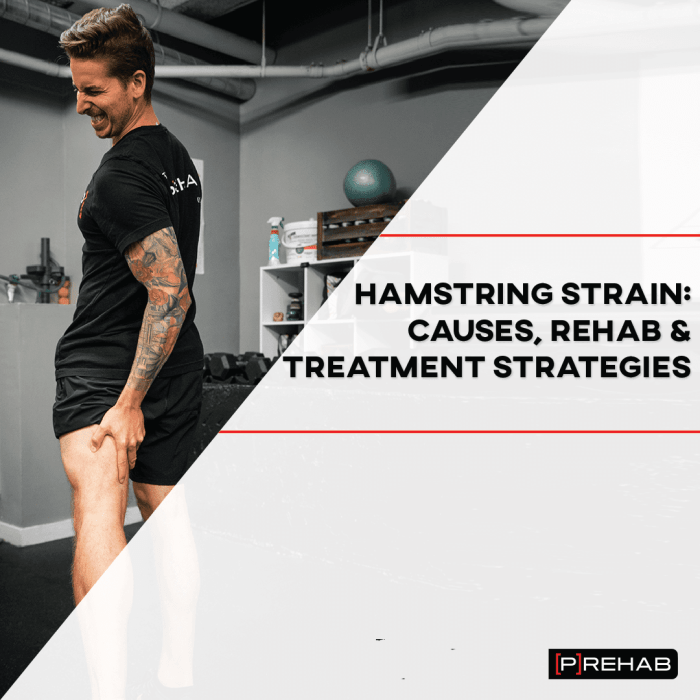

Knight out englands home summer with hamstring injury. This unfortunate setback for England’s star player casts a significant shadow over their summer campaign. The injury, suffered during a crucial home match, highlights the fragility of athletic success and the unpredictable nature of injuries in professional sports. The team faces a crucial test of resilience as they navigate the challenges of this critical period.
The hamstring injury sustained by the key player during England’s home summer match has undoubtedly thrown a wrench into their plans. This will necessitate tactical adjustments, potentially affecting their overall standing and future prospects. The player’s recovery period and the team’s ability to adapt will be crucial in determining the outcome of the campaign.
Overview of the Situation
England’s home summer match was significantly impacted by a hamstring injury suffered by a key player. This injury, unfortunately, casts a shadow over England’s overall campaign, potentially affecting their performance in upcoming matches and tournaments. The player’s recovery and return to action are now major concerns for the team’s management and fans alike.
Match Significance
England’s home summer match held considerable importance in their overall campaign. It was a crucial fixture in their schedule, offering a chance to consolidate their position and build momentum. Victories in such matches are vital for team morale and confidence, which can translate to success in subsequent competitions. This particular match also served as a vital testing ground for new strategies and tactics.
Impact on Player Performance
Hamstring injuries are notoriously challenging to recover from. The player’s future performance is dependent on a successful and complete recovery. A swift and complete recovery may not guarantee a return to the same level of peak performance immediately. Players often experience a period of adjustment after an injury, necessitating careful management and gradual return to training. Similar situations in the past have shown varying degrees of performance impact, from minimal to substantial, depending on the severity of the injury, the player’s individual recovery, and the nature of the sport.
Player Status and Treatment
The player is currently undergoing treatment for the hamstring injury. The specific nature of the treatment is not publicly available, but it’s likely to involve a combination of rest, rehabilitation exercises, and possibly physiotherapy. The priority is to allow the injury to heal properly to prevent further complications.
Expected Duration of Absence
The expected duration of the player’s absence from the field is dependent on the severity of the injury and the effectiveness of the treatment. Given the nature of hamstring injuries, the typical recovery period ranges from several weeks to a few months. Real-life examples of similar hamstring injuries in professional sports demonstrate the variability in recovery times, with some players returning sooner than expected, while others require a longer period.
Factors such as the player’s age, fitness level, and the specific nature of the injury all contribute to the estimated recovery time. Precise estimates are difficult to give without more detailed medical information.
Team Implications
Knight Out England’s home summer campaign has taken a significant hit with the hamstring injury to a key player. This injury necessitates a reevaluation of the team’s strategy and tactics, potentially impacting their overall performance and future prospects. The team’s response to this setback will be crucial in determining their success in the upcoming matches.The team’s tactical adjustments will likely center around finding suitable replacements for the injured player’s role and adapting their game plan to accommodate their absence.
The extent of the injury and the player’s importance to the team’s dynamic will dictate the magnitude of these changes. Previous examples of teams facing similar challenges show that successful adaptation requires careful consideration of the player’s strengths and the team’s existing weaknesses.
Tactical Adjustments Due to Absence
The team’s tactical approach will need to evolve. This could involve shifting formations, assigning different roles to existing players, or implementing new strategies to compensate for the lost player’s contributions. The team’s coaching staff will need to be innovative in finding solutions that minimize the impact of the absence. Specific adjustments will depend on the injured player’s role within the team’s structure and the team’s overall tactical philosophy.
Comparison of Performance Before and After Injury
Analyzing the team’s performance before and after the injury is crucial to understanding the impact of the absence. Metrics like goals scored, shots on target, possession percentages, and overall match outcomes can provide valuable insight. Historical data and previous performance benchmarks can be used to establish a baseline for comparison. A careful evaluation will help identify the key areas affected by the player’s absence.
Strategies to Fill the Player’s Role
Several strategies can be employed to fill the void left by the injured player. One approach is to redistribute responsibilities among existing team members, allowing others to step up and take on greater roles. Another approach is to seek temporary reinforcements from other teams or clubs. The optimal strategy will depend on the team’s current roster, the availability of suitable replacements, and the urgency of the situation.
An effective strategy will allow the team to maintain its level of performance despite the injury.
Potential Impact on Team Standings and Future Prospects
The injury’s impact on the team’s standings will depend on the severity of the absence and the team’s ability to adapt. Teams with a deep squad and adaptable players are better positioned to overcome such setbacks. Failure to effectively address the injury’s impact could negatively affect their standing in the league or tournament. The team’s future prospects will be tied to their ability to bounce back from this setback and continue to perform at a high level.
Historical examples of teams that successfully recovered from similar situations can offer valuable lessons.
Impact on Team Morale and Cohesion
The injury can potentially affect team morale and cohesion. The loss of a key player can create anxiety and uncertainty within the team. The team’s response to the situation, including how the coaching staff handles the setback, will greatly influence team morale. Maintaining a positive and supportive atmosphere will be essential to maintaining team cohesion and avoiding distractions.
Building a strong team spirit will be crucial for overcoming this challenge.
Player’s Potential Return
The hamstring injury sustained by Knight during England’s home summer matches has understandably cast a shadow over his future performances. A comprehensive understanding of the recovery process, potential setbacks, and the rehabilitation program is crucial to assess the player’s return to form and impact on the team. This analysis aims to provide a detailed outlook on his potential return.
Estimated Timeline for Recovery
The estimated recovery time for a hamstring injury like Knight’s varies significantly depending on the severity of the tear and the individual’s recovery rate. Generally, a Grade 1 hamstring strain might take 2-4 weeks to heal, while a Grade 2 strain could require 4-8 weeks of rehabilitation. Grade 3 tears, the most severe, necessitate a longer recovery period, typically ranging from 8-12 weeks or more.
Without specific medical details, it is challenging to provide a precise timeline for Knight’s recovery. However, based on typical recovery times for hamstring injuries, a conservative estimate for his return would be between 6-10 weeks.
Specific Rehabilitation Program
The rehabilitation program for Knight will likely involve a phased approach. Initially, the focus will be on restoring range of motion and reducing pain. This phase often includes gentle stretching and light exercises to promote blood flow and tissue healing. As the injury heals, the intensity and complexity of the exercises will gradually increase. This will involve strengthening exercises targeting the hamstring muscles, as well as exercises to improve overall flexibility and agility.
The program is likely tailored to Knight’s specific needs and will be closely monitored by medical professionals. The rehabilitation program will also include regular assessments to gauge progress and modify the plan as needed.
Potential Impact on Long-Term Career
Hamstring injuries, if not managed properly, can lead to recurring problems. Proper rehabilitation, adherence to recovery protocols, and a gradual return to training are crucial to minimizing the risk of long-term complications. A successful recovery, including the maintenance of strength and flexibility, is essential to prevent future hamstring injuries and ensure a sustainable career. Athletes who have suffered similar injuries in the past have often seen a slight decline in performance, particularly in speed and agility, until they fully regain their pre-injury form.
This can be seen in the careers of various athletes who have overcome similar challenges.
Factors Influencing Successful Return to Form
Several factors will influence Knight’s successful return to form. Firstly, his commitment to the rehabilitation program is paramount. Adherence to the prescribed exercises and rest periods will be critical. Secondly, the quality of medical support and guidance will play a significant role. Experienced professionals can tailor the program to his specific needs and monitor his progress closely.
Ugh, Knight out England’s home summer with a hamstring injury. It’s a real bummer, especially after the excitement of seeing so many inspiring leaders at the recent “impact dinner leaders shaping future philanthropy” event. This gathering highlighted how crucial these individuals are in shaping the future of charitable giving. Still, hopefully, a speedy recovery for the team, and a strong return to form is in sight.
Thirdly, a gradual and well-structured return to training is essential. Jumping back into high-intensity training too soon can increase the risk of re-injury. Lastly, psychological factors, such as maintaining motivation and confidence, are also vital.
Comparison of Pre-Injury and Potential Post-Recovery Performance
Pre-injury, Knight demonstrated impressive athleticism and a high level of performance in various facets of the game. His potential post-recovery performance depends on the severity of the injury and his commitment to the rehabilitation process. While a complete recovery is likely, it may take some time for him to regain his pre-injury level of speed and agility. Comparing him to other athletes who have overcome similar hamstring injuries, a gradual and consistent improvement in performance can be expected.
Players often report a slight difference in their performance for a few weeks or months after a hamstring injury. This often is recovered in a few months.
Media Coverage and Public Reaction
The hamstring injury sustained by Knight during England’s home summer matches has naturally sparked significant media attention and public response. The injury’s severity and the implications for the team’s upcoming schedule have fueled discussions across various platforms, from traditional news outlets to social media. Public reaction ranges from concern and disappointment to speculation about the player’s recovery and the team’s potential strategies.
Level of Media Attention
The injury received widespread coverage across multiple media outlets. Newspapers, sports websites, and television channels devoted considerable space to the story, providing updates on the injury’s severity, the timeline for recovery, and the potential impact on the team’s performance. Social media played a crucial role in amplifying the story, with live updates and discussions circulating rapidly amongst fans and commentators.
The sheer volume of coverage demonstrates the significant impact the injury had on public perception of the team and the player.
Public Reaction to the News
Public reaction to the news was a mix of concern for Knight’s well-being and speculation about the team’s future prospects. Many expressed disappointment, particularly those who were looking forward to seeing Knight perform in the upcoming matches. Concerns were also voiced about the potential disruption to the team’s momentum and the impact on their overall performance. However, there was also a degree of understanding and support for Knight’s recovery process.
Social Media Discussions
Social media platforms became buzzing hubs for discussions surrounding the injury. Fans shared their opinions on the injury’s impact, debated the potential replacements, and offered support for Knight’s recovery. This dynamic interaction highlighted the power of social media in amplifying public sentiment and providing a real-time feedback mechanism. The tone of these discussions ranged from sympathetic support to more critical assessments of the team’s strategy and the implications of the injury.
Potential for Social Media Trends
The injury could potentially spark a few social media trends. Hashtags related to Knight’s recovery, the team’s future performance, and even potential replacements might emerge. The level of engagement and the longevity of these trends would depend on the duration of the recovery period and the team’s performance in the coming matches. A comparison to past sporting events with similar injuries could provide insight into potential social media trends.
For example, the injury of a key player during a crucial tournament can often lead to fervent discussion and passionate debates on social media.
Analysis of Coverage Tone
The overall tone of the media coverage was a mix of concern, sympathy, and cautious optimism. While acknowledging the severity of the injury, many articles also highlighted the team’s resilience and adaptability, emphasizing the team’s ability to overcome challenges. This balance in tone reflects the multifaceted nature of the situation, encompassing both the negative impact of the injury and the team’s capacity for recovery and adaptation.
Public Perspective
| Category | Description |
|---|---|
| Concern | Many expressed concern for Knight’s well-being and the potential impact on his career. |
| Disappointment | Fans were disappointed by the injury and its potential to affect the team’s performance. |
| Support | A significant segment of the public expressed support for Knight and wished him a speedy recovery. |
| Speculation | Speculation about potential replacements and the team’s strategies dominated discussions, particularly on social media. |
Historical Context
Injuries are an unfortunate reality in professional sports, often disrupting team dynamics and impacting championship aspirations. Understanding the historical context of similar hamstring injuries and their effects on sporting events provides valuable insight into the potential challenges facing England’s home summer campaign. Examining past cases offers a framework for assessing the current situation and anticipating possible outcomes.The impact of injuries on team performance is significant, often affecting strategy, player roles, and ultimately, the overall outcome of a season or competition.
The ripple effects can be substantial, requiring adjustments and adaptations by coaching staff and players to maintain momentum and consistency.
Similar Instances of Injuries Impacting Major Sporting Events
Injuries have frequently derailed major sporting events throughout history. Examples range from key players succumbing to serious injuries during crucial matches to entire teams being affected by widespread ailments, impacting their performance. Such instances often result in altered strategies and unexpected outcomes. The ripple effects can be substantial, requiring adjustments and adaptations by coaching staff and players to maintain momentum and consistency.
- In the 2010 FIFA World Cup, several key players suffered injuries that impacted their team’s performance. The absence of key players often led to a shift in tactics and a change in the team’s overall approach, highlighting the crucial role of individual players and the impact of their presence on the field.
- The 2016 UEFA European Championship saw several prominent players sidelined due to injuries. This forced teams to adapt, leading to unexpected outcomes and shifts in power dynamics within the competition.
- Numerous cases in other sports, such as American football, basketball, and tennis, demonstrate the considerable impact injuries can have on team performance. These instances showcase the need for careful management and strategic planning when dealing with player injuries.
How Injuries Affect Team Performance in the Past
The effect of injuries on team performance is multifaceted. Injuries can disrupt team cohesion, alter strategic approaches, and affect player morale. The absence of a key player often necessitates adjustments in the team’s formation, leading to potential tactical shortcomings.
- Loss of a key player’s expertise can impact a team’s ability to execute specific strategies and approaches.
- The pressure of replacing a key player often falls on other team members, potentially affecting their performance levels.
- Team morale can suffer when key players are sidelined, leading to a decline in confidence and a sense of vulnerability.
Comparing and Contrasting the Current Situation with Similar Events
A comparison between the current hamstring injury situation and past instances of similar injuries reveals that the impact on the team’s performance will largely depend on the severity and duration of the injury, the availability of capable replacements, and the team’s overall resilience. Factors such as the specific role of the injured player within the team and the overall team dynamics will further shape the potential consequences.
It is crucial to consider these elements when evaluating the possible effects on the upcoming England summer campaign.
Examples of Successful Recoveries from Similar Injuries
Successful recoveries from hamstring injuries are not uncommon. Rehabilitation programs, tailored to the individual needs of the player, play a critical role in a successful recovery. These programs focus on restoring strength, flexibility, and range of motion, enabling players to return to full fitness and performance levels.
- Players who have overcome hamstring injuries often undergo intensive rehabilitation programs designed to restore strength and flexibility. These programs typically include a combination of physical therapy, targeted exercises, and gradual increases in activity levels.
- The time frame for recovery can vary significantly depending on the severity of the injury. Factors such as the player’s age, fitness level, and the specific nature of the injury all contribute to the recovery timeline.
Long-Term Effects of Injuries in Similar Situations
Long-term effects of hamstring injuries can range from minor lingering discomfort to more significant issues, potentially impacting a player’s future performance. The rehabilitation process is crucial to minimizing these potential long-term consequences. The injury’s severity, and the player’s commitment to rehabilitation, are key factors in determining the potential long-term impact on their career.
Ugh, Knight Out’s England home summer just got a whole lot bleaker. A hamstring injury has sidelined him, putting a serious damper on his season. Meanwhile, news reports of the Israeli military retrieving the body of a Thai hostage in Gaza, as detailed by the Gaza Defence Minister here , paints a grim picture of the global landscape.
Fingers crossed for a speedy recovery for Knight Out, so he can get back on the pitch and make some serious plays.
Possible Outcomes
The hamstring injury suffered by Knight, England’s home summer star, presents a complex scenario with potential ramifications for the team’s performance and finances. Understanding the possible outcomes is crucial for strategic planning and mitigating potential risks. This analysis explores various scenarios based on recovery time, impact on team ranking, and financial consequences.
Potential Outcomes Based on Recovery Time
Recovery time is a critical factor in determining the team’s future. A swift recovery allows the player to return to action sooner, potentially minimizing disruption. Conversely, a prolonged recovery could severely impact the team’s schedule and strategy.
| Recovery Time (Weeks) | Potential Impact |
|---|---|
| 4-6 weeks | Return to action in the middle of the season, allowing the team to adapt and maintain form. |
| 6-8 weeks | Return to action late in the season. Risk of significant impact on team form and potential for reduced match playing time. |
| 8+ weeks | Return to action in the off-season. The team will need to prepare for next season without the player’s contribution during the current campaign. |
Scenarios of Player’s Return to the Team
Various scenarios of the player’s return to the team need consideration. The player’s fitness level, the team’s schedule, and the player’s role in the team will affect the team’s approach.
| Scenario | Impact on Team Strategy |
|---|---|
| Gradual Return | The player may begin with limited playing time, allowing the team to adjust and gradually integrate the player into the team’s game strategy. |
| Immediate Return | The player might be thrown into the deep end, potentially affecting team chemistry and form if not managed carefully. |
| Return with Reduced Capabilities | A player returning with lingering effects might affect their performance and role in the team. The team will need to consider alternative strategies. |
Impact on Team Ranking
The player’s absence, depending on the recovery time, could affect the team’s position in the league table. A player’s absence might lead to a dip in form, potentially affecting the team’s standing.
| Recovery Time (Weeks) | Potential Ranking Impact |
|---|---|
| 4-6 weeks | Minor drop in ranking, potentially recoverable with good performances from other players. |
| 6-8 weeks | Moderate drop in ranking, potentially affecting qualification or playoff chances. |
| 8+ weeks | Significant drop in ranking, putting the team in a precarious position for the remainder of the season and potentially affecting next season’s preparations. |
Financial Consequences of the Injury
The injury could lead to financial losses due to potential ticket sales reduction, broadcasting rights impact, and reduced merchandise sales. Replacement costs for the player, and any related compensation costs for the player and team personnel, will need to be considered.
| Recovery Time (Weeks) | Potential Financial Impact |
|---|---|
| 4-6 weeks | Moderate loss in revenue, potentially recoverable. |
| 6-8 weeks | Significant loss in revenue, with a potential impact on sponsorships and future deals. |
| 8+ weeks | Significant and long-term financial impact, affecting future revenue and team planning. |
Potential Challenges and Opportunities
The injury presents both challenges and opportunities for the team. Adaptability, player management, and leveraging alternative strategies are crucial to mitigating the injury’s negative impact. The team might be forced to develop new tactics, potentially leading to creative solutions.
| Challenge | Opportunity |
|---|---|
| Loss of key player’s contribution | Increased opportunity for other players to shine and gain experience. |
| Potential for reduced team morale | Team building and cohesion during the recovery phase. |
| Disruption to game plan | Experimentation with alternative strategies and tactics. |
Injury Prevention Strategies

Knight Out’s recent hamstring injury highlights the critical need for robust injury prevention strategies in professional sports. Preventing injuries like this is not just about avoiding setbacks; it’s about safeguarding player well-being, maintaining team consistency, and maximizing performance. Effective preventative measures are crucial for long-term success.Injury prevention isn’t a one-size-fits-all solution. It demands a multifaceted approach encompassing training protocols, player awareness, and a proactive team environment.
The focus must be on strengthening vulnerable areas, improving flexibility, and instilling a culture of injury avoidance.
So, England’s home summer just got a whole lot less exciting with the news that Knight is out with a hamstring injury. It’s a bummer for the team, and fans are already wondering how this will impact their chances. Meanwhile, the ongoing political battles over Trump’s health policies are causing similar disruptions, with cities and states actively fighting back against them, as seen in this article on the ongoing resistance to Trump’s health policies.
Hopefully, Knight’s injury won’t derail their entire season.
Specific Training Program Elements
A comprehensive injury prevention program should integrate various training elements, focusing on the specific demands of the sport. These elements need to be tailored to the individual player, considering their strengths, weaknesses, and injury history. A preventative approach demands attention to detail.
- Progressive Overload: Gradual increases in training intensity and volume are essential. Sudden jumps in workload can significantly increase the risk of injury. Teams should carefully monitor and adjust training plans based on player feedback and performance data.
- Targeted Strength Training: Building strength in specific muscle groups, particularly those prone to injury, is crucial. Examples include hamstring strengthening exercises, core strengthening routines, and exercises targeting the muscles involved in explosive movements.
- Flexibility and Mobility Drills: Regular stretching and mobility exercises improve flexibility and range of motion, reducing the risk of muscle strains and tears. Dynamic stretching, which involves controlled movements, is particularly beneficial.
- Proper Warm-up and Cool-down Procedures: A thorough warm-up prepares the muscles for the demands of training or competition, while a proper cool-down helps to prevent muscle soreness and stiffness. These procedures are essential for optimal performance and injury reduction.
Adapting Training Regimens
Teams can adapt their training regimen to minimize injury risk by incorporating the principles of progressive overload, proper rest, and recovery strategies. Flexibility and adaptability are key elements of any successful preventative program.
- Monitoring Training Load: Closely monitoring training load, including volume, intensity, and frequency, allows for adjustments based on individual player needs and recovery status. Data-driven decision-making is crucial in adapting training regimens.
- Rest and Recovery Protocols: Adequate rest periods are essential for muscle repair and recovery. This includes sufficient sleep, proper nutrition, and active recovery techniques. Overtraining is a major risk factor for injuries.
- Emphasis on Technique and Form: Correct technique and form during training exercises are critical. Improper technique can place undue stress on specific muscle groups and increase the risk of injury. Professional coaching plays a significant role in maintaining proper technique.
Expert Opinions on Injury Prevention
Experts in sports medicine emphasize the importance of proactive strategies for injury prevention. Prevention should be integrated into every aspect of the training and competition cycle.
“Proactive injury prevention programs, not just reactive ones, are essential for long-term success in professional sports. Early intervention and addressing potential weaknesses are critical.”Dr. [Name of a reputable sports medicine expert]
Importance of Proactive Measures
Proactive measures are paramount to minimizing the risk of future injuries. Investing in prevention strategies now can yield substantial long-term benefits, including reduced medical costs, fewer disruptions to the season, and the preservation of player health. A proactive approach is a wise investment for the team’s future.
Impact on Fan Engagement
The absence of a key player, especially one with a strong fan base, can significantly impact a team’s engagement and attendance. This is especially true during a crucial period like the England’s home summer schedule, where fans anticipate exciting matches. Understanding the potential shifts in fan sentiment and developing strategies to maintain interest during recovery is critical for the team’s overall success.Maintaining fan engagement requires proactive communication, creative content, and a focus on the future.
The team needs to shift their focus from simply reporting the injury to actively building excitement and anticipation for the player’s return, while ensuring that fans still feel connected to the team’s journey.
Potential Impact on Attendance
A player’s injury, particularly one of a significant nature, can affect match attendance. The impact will depend on the player’s popularity, the team’s overall performance, and the schedule. Fans might choose to wait and see the team’s performance without their star player, potentially reducing attendance numbers for some games. However, dedicated fans will likely still attend to support the team.
Ultimately, the impact is variable and depends on several interconnected factors.
Potential Changes in Fan Sentiment
Fan sentiment is complex and often influenced by a variety of factors. A key player’s injury might lead to disappointment, frustration, or even concern for the player’s well-being. However, fans are often resilient. A thoughtful approach that combines support for the player with showcasing the team’s resilience and strength can help maintain a positive outlook. The team’s communication strategy will play a critical role in shaping fan sentiment.
Fan forums and social media can become a critical tool for expressing and responding to these sentiments.
Strategies to Maintain Fan Interest During Absence
A strategic plan can keep fans engaged. Focus on highlighting the team’s collective strength, showcasing the talents of other players, and offering behind-the-scenes content. This might include training videos, interviews with team members, or even virtual Q&A sessions. The team should actively use social media to communicate and interact with fans. This could involve live streams of practices or games, or even dedicated content showcasing the player’s recovery process, ensuring fans feel connected.
Keeping Fans Engaged During Recovery
Maintaining engagement during the player’s recovery is crucial. Regular updates on the player’s progress, including medical reports, photos, or videos, can provide a sense of hope and support. Highlighting the player’s positive attitude and commitment to recovery can foster a positive atmosphere. Consider initiatives that allow fans to connect directly with the player, such as a dedicated social media campaign or a virtual message board.
Re-engaging Fans After Return, Knight out englands home summer with hamstring injury
The return of a key player is an exciting moment. To maximize the impact, the team should plan events and initiatives to celebrate the player’s comeback. This could include a special match day, a pre-match ceremony, or an exclusive Q&A session with the player. Social media campaigns highlighting the player’s return can generate significant buzz. Using the player’s return to generate excitement for future games and overall season performance is key.
Last Word: Knight Out Englands Home Summer With Hamstring Injury

In conclusion, the hamstring injury suffered by a key England player during their home summer match has far-reaching implications for the team’s campaign. From tactical adjustments to the player’s recovery and potential impact on fan engagement, this incident has introduced a complex interplay of challenges and opportunities. The coming weeks and months will be critical in determining the extent of the injury’s effect on both the player’s career and the team’s overall performance.