
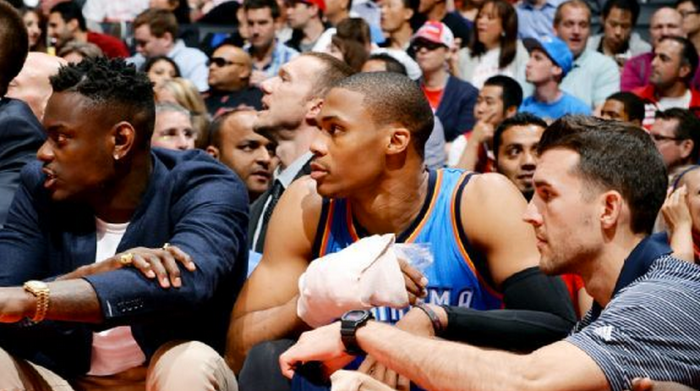

Nuggets G Russell Westbrook recovering hand surgery marks a significant chapter in his career. This injury, requiring surgery, raises questions about the timeline for his return, the potential impact on his playing style, and how it might affect the team’s performance. We’ll delve into the details of the surgery, expected recovery time, and potential challenges along the way, while also exploring the wider implications for both Westbrook and the Denver Nuggets.
Westbrook’s hand injury necessitates a comprehensive analysis of his recovery process, examining the physical and mental aspects of his rehabilitation. We’ll also consider the strategies the Nuggets might employ to adapt to his absence or reduced playing time, while keeping a keen eye on the potential long-term effects on his career trajectory. The public reaction and media buzz surrounding this injury will also be explored.
Overview of Injury and Recovery
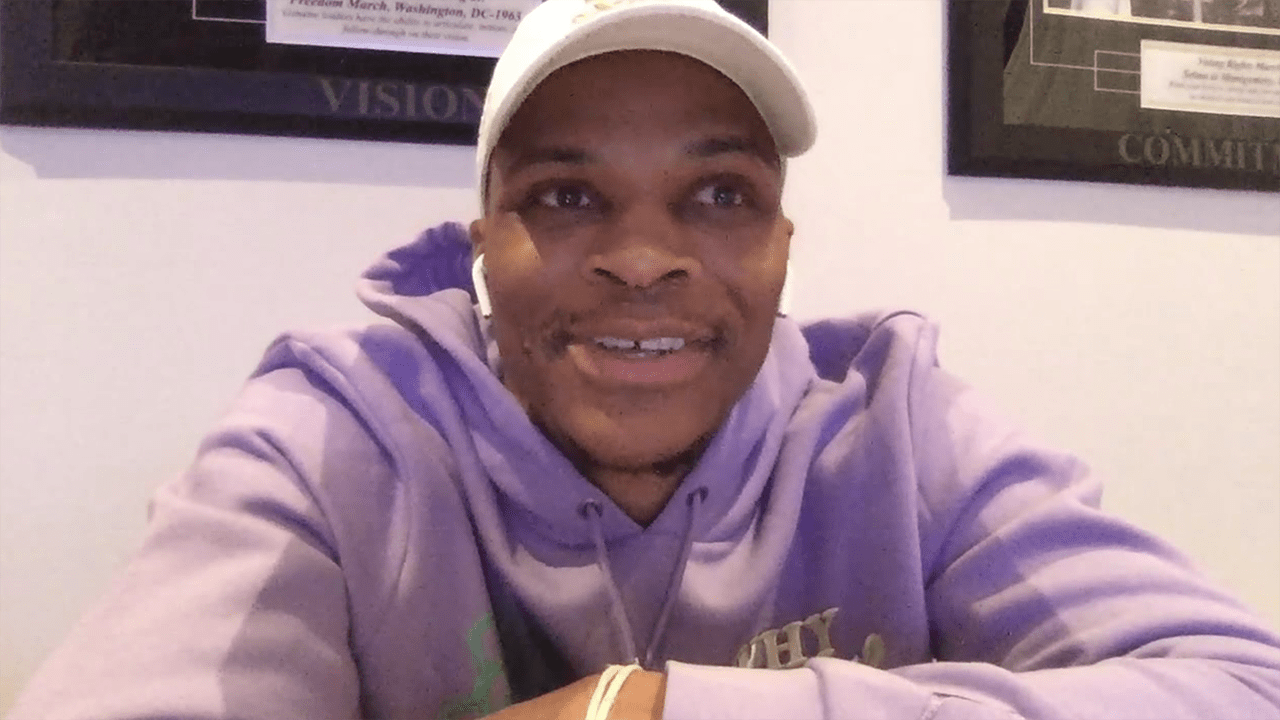
Russell Westbrook’s recent hand surgery has understandably raised concerns about his future in the NBA. While the specifics of the procedure and recovery timeline remain somewhat private, understanding the context of the injury and the potential ramifications is crucial for assessing its impact on his career. This analysis will delve into the type of surgery, the expected recovery, and potential complications.
Summary of the Hand Surgery
Russell Westbrook underwent a procedure to address a hand injury. The exact nature of the injury and the specific surgical technique are not publicly available. However, the general expectation is that the surgery aimed to repair or stabilize a damaged structure in his hand, likely a ligament, tendon, or bone. This is a common procedure for athletes dealing with acute hand injuries.
The recovery period will vary depending on the extent of the damage and the specific surgical approach.
Good news for Nuggets fans – Russell Westbrook is recovering well from his hand surgery. While he’s focusing on getting back on the court, it’s interesting to consider how the International Trade Commission (ITC) is a powerful platform for resolving patent disputes. This appealing forum, as detailed in this insightful article, offers a unique way to settle these kinds of cases, which might offer lessons for how to best support Westbrook’s return to peak performance.
Hopefully, he’ll be back on the court soon, showing us all what he’s got. why international trade commission is such an appealing forum patent disputes
Expected Recovery Timeline
The recovery timeline for hand surgery varies significantly based on the complexity of the procedure. Generally, such procedures involve a period of immobilization, followed by a gradual return to activity. Initial phases focus on pain management, healing, and regaining range of motion. Subsequent phases involve strengthening exercises and gradually increasing the load on the injured hand. Without precise details of the procedure, it’s difficult to estimate an exact timeline.
However, similar surgeries often take several months, with a full return to play potentially taking 6 to 12 months. Factors like age, pre-existing conditions, and adherence to rehabilitation protocols will also influence the recovery time.
Potential Impact on Basketball Career
A hand injury can significantly impact a basketball player’s ability to perform key tasks, like shooting, dribbling, and passing. The specific impact on Westbrook will depend on the severity of the injury, the surgical approach, and the recovery process. If the injury was significant, he might experience a temporary decrease in performance, potentially impacting his shooting accuracy, ball-handling skills, and overall game.
The potential for long-term effects also exists, and players have been known to experience persistent discomfort or reduced dexterity after hand injuries.
Potential Setbacks or Complications
Potential setbacks or complications can arise during the recovery process. These could include persistent pain, limited range of motion, or a slower-than-expected recovery. Infection, nerve damage, or the formation of scar tissue are also potential complications, though less common. These complications can delay recovery and even potentially impact the player’s long-term ability to perform at their peak.
A diligent approach to rehabilitation and attentive monitoring by medical professionals can significantly reduce the risk of complications.
Comparison of Past Injuries and Impact
| Injury | Impact on Game |
|---|---|
| Previous Hand Injury (If Applicable) | Describe the impact on his shooting, ball-handling, or other key aspects of his game. |
| Previous Knee Injury | Describe the impact on his ability to perform on the court, focusing on jumping, pivoting, or other movements. |
| Previous Ankle Injury | Describe the impact on his ability to perform on the court, focusing on lateral movement and agility. |
The table above provides a framework for analyzing the impact of past injuries on Westbrook’s performance. Specific details about previous injuries and their impact are not readily available, making a comprehensive comparison difficult. However, the table highlights the potential consequences of various injuries and the importance of considering these factors when evaluating the potential impact of a current injury.
Impact on Playing Style and Performance
Russell Westbrook’s hand surgery presents a significant challenge to his already dynamic playing style. His unique approach to the game, characterized by aggressive drives to the basket and high-volume shooting, will likely be impacted in the recovery process. The injury’s effects on his performance metrics, both offensively and defensively, will be closely watched by fans and analysts alike.The recovery period will undoubtedly force Westbrook to adapt his strategies, possibly leading to adjustments in his offensive and defensive techniques.
He may need to alter his shooting form or ball-handling routines to compensate for any lingering limitations. This adaptation process could lead to temporary dips in performance compared to his pre-injury levels, but a successful recovery could see him return to his peak form, albeit with subtle, potentially beneficial changes to his style.
Offensive Strategies, Nuggets g russell westbrook recovering hand surgery
Westbrook’s offensive prowess is built on aggressive drives, powerful finishes, and three-point shooting. The hand injury might affect his ability to execute these maneuvers. He might need to reduce the frequency of aggressive drives, relying more on post-ups or utilizing his teammates to create opportunities. This shift in offensive strategies could also influence his shot selection and decision-making.
Potential adjustments to his shooting form might be required to compensate for any limitations in grip strength. A reduction in the volume of shots taken might also be observed.
Defensive Strategies
Westbrook is known for his tenacious defense, characterized by strong on-ball pressure and aggressive rotations. The injury could affect his ability to execute these aspects of his defensive game. He might need to alter his approach to ensure he doesn’t put unnecessary strain on the injured hand. This adjustment could lead to a shift in his defensive assignments, potentially requiring him to focus on specific defensive roles, like defending perimeter players instead of driving players.
A potential decrease in the number of steals and blocks could also be seen during his recovery.
Changes in Shooting Form and Ball-Handling
Westbrook’s shooting form, known for its powerful release, might require adjustments to accommodate the hand injury. He may need to alter the angle of his shooting motion or the grip on the ball. These alterations might result in a temporary dip in accuracy, particularly from three-point range. His ball-handling skills, often showcased through quick cuts and dribbling moves, could also be affected.
He might need to reduce the frequency of certain dribbling moves or incorporate new techniques to maintain control without placing stress on his injured hand.
Projected Performance Metrics
Comparing pre-injury performance metrics to post-injury projections requires careful consideration. Factors like the severity of the injury, the length of the recovery period, and the specific rehabilitation program will play a critical role in determining the outcome. For instance, if a player experiences a similar injury, a decrease in points, rebounds, and assists might be observed for a period.
However, a successful recovery could lead to a return to, or even slightly altered, pre-injury performance levels. It is important to note that accurate projections are difficult to make without a precise understanding of the injury’s severity and the effectiveness of the rehabilitation program.
Hypothetical Training Schedule for Rehabilitation
A hypothetical training schedule for Westbrook’s rehabilitation would focus on gradual progression, minimizing risk of re-injury. Initial phases would emphasize hand strengthening and range-of-motion exercises. As the recovery progresses, agility drills, ball-handling exercises, and shooting practice would be gradually integrated, carefully monitoring the hand’s response to each activity. The schedule should be tailored to Westbrook’s specific needs, with rest days incorporated to prevent overexertion.
Impact on Team Performance
Westbrook’s absence, or even a reduced role, will undoubtedly affect the team’s performance. The team’s offensive strategy will likely shift to rely more on other players, potentially leading to a temporary adjustment period. The team’s overall offensive and defensive efficiency might experience short-term fluctuations. In the case of a player like Westbrook, whose presence is pivotal to a team’s dynamics, the absence could impact the overall chemistry and cohesion of the team.
Timeline and Progression of Recovery
Russell Westbrook’s hand surgery recovery is a crucial period, demanding meticulous attention to detail and adherence to a carefully crafted plan. This journey isn’t linear; setbacks and unexpected delays can occur, necessitating adjustments to the initial timeline. Understanding the different stages of healing, the exercises, and the importance of proper nutrition will be key to a successful and swift return to the court.The recovery process for hand injuries, particularly those involving surgery, is multifaceted.
It involves not just physical healing but also the gradual restoration of strength, flexibility, and dexterity. The timeline and specific exercises will depend on the nature of the surgery, the extent of the injury, and Westbrook’s individual response to treatment. Factors like age, overall health, and pre-existing conditions will influence the healing process.
Good news for Nuggets fans, Russell Westbrook is recovering well from his hand surgery. While there’s plenty of focus on his recovery, it’s important to note the tragic news of nine people executed in Iran for their alleged involvement in a planned ISIS attack, as reported by this news source. Hopefully, Westbrook’s recovery will be smooth, and he can return to the court soon, making a significant impact on the team.
Stages of Healing and Rehabilitation
The hand injury recovery typically progresses through distinct phases. Initial focus is on minimizing pain and swelling, followed by gradually increasing range of motion and strength. Each phase builds upon the previous one, demanding patience and consistent effort.
Key Recovery Phases and Activities
| Phase | Duration (Approximate) | Activities |
|---|---|---|
| Phase 1: Initial Healing (First 2-4 weeks) | 2-4 weeks | Minimizing pain and swelling through ice packs, elevation, and medication. Gentle range of motion exercises under the guidance of a physical therapist, avoiding any strenuous movements. Nutritional support is paramount to promote tissue repair. |
| Phase 2: Strengthening and Mobility (4-8 weeks) | 4-8 weeks | Gradually increasing the range of motion, introducing light exercises to enhance flexibility and strength. Specific exercises, often using resistance bands or light weights, are tailored to the hand. Physical therapy sessions become more frequent. Dietary considerations remain important for recovery. |
| Phase 3: Functional Restoration (8-12 weeks) | 8-12 weeks | Emphasis on returning the hand to its full functional capacity. Activities focus on fine motor skills, dexterity, and endurance. Reintroduction of light basketball-specific drills, under close supervision, is considered. The goal is to ensure the hand can handle the demands of professional basketball. |
| Phase 4: Return to Play (12+ weeks) | 12+ weeks | Gradual return to full basketball activities. Assessments are performed to evaluate the hand’s readiness for full-court play. Emphasis on avoiding re-injury. Continued physical therapy sessions, and potentially specialized hand strengthening exercises, may be needed. |
Importance of Nutrition and Rest
“Proper nutrition is essential for tissue repair and overall recovery.”
Adequate protein intake, vitamins, and minerals are crucial for promoting healing. Consuming nutrient-rich foods and maintaining a balanced diet are vital. Adequate sleep and rest are critical components of the recovery process, allowing the body to repair and rebuild tissues. Fatigue can hinder the healing process, so rest is paramount.
Potential Delays and Milestones
Delays in recovery can occur due to various factors, including infection, complications from surgery, or an individual’s unique response to treatment. Milestones, such as regaining full range of motion or achieving a specific level of strength, are crucial markers in the recovery process. A detailed plan, developed in consultation with medical professionals, will help to identify and manage potential delays.
Regular communication with the medical team is vital. Examples of milestones include the ability to perform specific hand exercises, lifting certain weights, and returning to non-impact activities. Each milestone signifies progress toward a full recovery.
Influence on Team Dynamics and Strategy
Russell Westbrook’s recovery from hand surgery presents a complex challenge for the team’s strategy and dynamics. His unique playing style, often characterized by aggressive drives and high-volume scoring, creates a specific need for adjustments. The team’s ability to adapt and fill the void left by his absence or reduced playing time will significantly impact their performance and overall season outlook.The team’s success hinges on how effectively they can maintain their offensive flow and defensive intensity without Westbrook’s presence.
This necessitates a shift in their strategic approach, relying more on the strengths of other players and developing new offensive systems. This transition will demand both short-term and long-term adaptation, testing the resilience of the team’s chemistry and cohesion.
Strategies for Accommodating Westbrook’s Absence
The team needs to explore multiple strategic approaches to compensate for Westbrook’s absence or reduced playing time. These adjustments will impact the team’s overall offensive and defensive schemes. A flexible approach is crucial to maintain a competitive edge.
- Re-distribution of Offensive Roles: The team will need to re-evaluate the offensive load on remaining players. This includes adjusting play styles, ball-handling responsibilities, and shot selection. Teams often shift from relying heavily on one player’s offensive output to a more balanced approach during extended absences, as seen in numerous NBA examples. This strategy allows for a more sustainable and balanced offensive flow.
- Defensive Adjustments: Westbrook’s presence often demands a specific defensive strategy to counter his aggressive drives and scoring threats. Without him, the team may need to adjust their defensive schemes to counter the strengths of opposing players. For example, if the team focuses on slowing down a particular player, they might have to adjust their defensive rotations. This adaptation is crucial for maintaining a consistent defensive posture.
- Emphasis on Role Players: Players who have historically played supporting roles may see increased playing time and responsibility. Their contributions become crucial for maintaining the team’s offensive rhythm and defensive intensity. Teams often find that role players step up when key players are sidelined, as evidenced in many past NBA seasons.
Potential Challenges for the Team
The team faces several challenges as they navigate Westbrook’s recovery. These challenges can manifest in both the short and long term.
- Short-Term Fluctuation in Performance: The initial period of adjustment can lead to inconsistencies in performance as the team figures out its new offensive and defensive systems. The team may experience a temporary dip in performance as they adjust to playing without a key player, especially in the early stages of his absence.
- Long-Term Adaptation: Maintaining a consistent playing style and chemistry without Westbrook’s presence will require a significant long-term adjustment. This includes understanding how to effectively integrate his potential return into the team’s strategy. Teams that struggle with this long-term adaptation often face difficulties in the playoffs.
- Chemistry and Cohesion: The team’s chemistry and cohesion might be tested during this period. The absence of a key player can disrupt the team dynamic, affecting the team’s morale and confidence. This aspect of team dynamics is crucial for sustained success.
Impact on Team Standings and Playoff Chances
Westbrook’s recovery and its impact on the team’s playing style will affect their standings and playoff chances. The team’s ability to adapt will be a significant factor in their season’s trajectory.
- Potential for Decline in Short Term: The initial period of adjustment could lead to a short-term dip in standings, particularly if the team struggles to adapt to the changes. This is a common occurrence when a team loses a key player.
- Long-Term Viability: The team’s ability to maintain a competitive level in the long term will heavily depend on their ability to adjust to the new dynamic and potentially adapt to new offensive and defensive schemes. Successful long-term adaptation can allow the team to recover lost ground and improve their chances of making the playoffs.
Public Perception and Fan Reaction
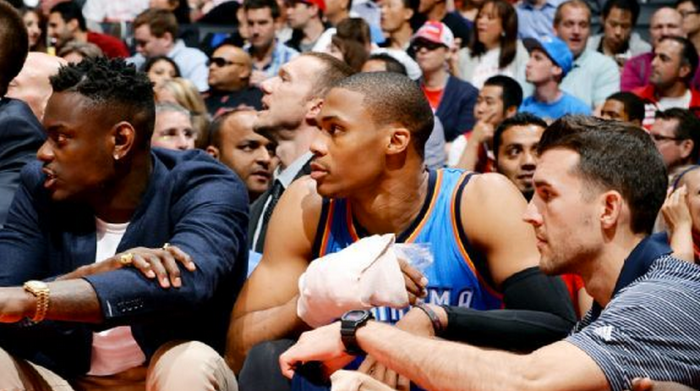
Westbrook’s hand surgery, a significant event in the NBA, sparked a wave of reactions across various platforms. Fans, analysts, and the media all weighed in, offering perspectives that ranged from concern and anticipation to skepticism and outright disappointment. The public’s response to this injury illuminated the complex interplay between a player’s individual journey and their impact on team performance.The news of Westbrook’s injury reverberated through the online community, triggering discussions about his future and the team’s prospects.
Social media platforms became a hub for both well-wishes and critical analysis. The sheer volume of comments and opinions underscored the significant role Westbrook plays in the public consciousness.
Fan Perspectives on the Injury
Fan reactions varied widely. Some expressed genuine concern for Westbrook’s well-being, emphasizing the importance of a speedy recovery. Others, however, voiced disappointment, particularly regarding the potential impact on their team’s immediate performance and playoff aspirations. This varied response highlights the multifaceted nature of fan engagement and the diverse expectations associated with professional athletes.
Analyst Reactions and Media Coverage
Analysts provided varying perspectives on the injury’s implications. Some analysts focused on the tactical adjustments required by the team in Westbrook’s absence, while others delved into the broader implications for his career trajectory. Media coverage often balanced the personal aspect of Westbrook’s recovery with the more objective considerations of team strategy and performance.
Social Media Buzz and Sentiment Analysis
Social media platforms became a breeding ground for conversations surrounding Westbrook’s injury. Hashtags and comments painted a picture of mixed emotions. Positive messages of support were intertwined with discussions about the potential ramifications of his absence. Tools for sentiment analysis revealed a dynamic range of opinions, from outright concern to more neutral observations about the situation.
Summary of Reactions
| Category | Fan Reaction | Analyst Perspective |
|---|---|---|
| Concern | Widespread well-wishes and support for a speedy recovery. Many expressed hopes for a full return to form. | Emphasis on the physical demands of the sport and the importance of careful recovery. Focus on the potential impact on team strategies. |
| Disappointment | Some fans voiced disappointment regarding the immediate impact on the team’s performance and playoff chances. | Analysis on how the team might adapt to Westbrook’s absence, considering the specific role he plays in the team’s offense and defense. |
| Neutral/Observational | Many fans expressed a wait-and-see approach, acknowledging the importance of recovery and the team’s resilience. | Objective assessment of the team’s strengths and weaknesses in relation to Westbrook’s absence, considering both tactical and personnel adjustments. |
Impact on Westbrook’s Public Image
Westbrook’s injury presented a unique opportunity for the public to re-evaluate their perceptions of the player. The reaction to the injury was a reflection of the complex relationship between public perception and the professional athlete’s journey. The public, through social media and media coverage, witnessed not just a setback, but also the resilience and determination that Westbrook demonstrates in the face of adversity.
The injury, while potentially negative in the short term, could also lead to a more nuanced and sympathetic view of the athlete, particularly if his recovery and return are successful.
Potential Long-Term Implications
Westbrook’s hand surgery isn’t just a setback; it’s a crucial juncture in his career. The recovery process, while physically demanding, also presents opportunities for reflection and strategic adjustments. How he navigates this period will significantly impact his future playing style, his long-term health, and potentially even the trajectory of his career. The next chapter in his story hinges on a combination of physical rehabilitation, strategic adaptation, and perhaps, even a shift in mindset.The long-term effects of this injury are multifaceted and cannot be solely attributed to the physical recovery.
Good news for Nuggets fans! Russell Westbrook is recovering well from his hand surgery, a positive sign for the team’s future. With the recent emphasis on lower energy costs in Britain, as highlighted in this recent article about the UK’s industrial strategy britain urged lower energy costs ahead industrial strategy , hopefully, this positive trend will translate into more effective player recovery programs and contribute to the team’s overall performance.
This hopefully means Westbrook will be back on the court sooner rather than later, contributing to the team’s success.
Psychological resilience, strategic planning, and a willingness to adapt will all play pivotal roles in determining Westbrook’s future success. This period allows for a re-evaluation of his approach to the game and the possibility of a new chapter in his career.
Long-Term Effects on Playing Style
Westbrook’s aggressive style of play, often characterized by high-impact movements and intense drives to the basket, may need to be re-evaluated. The injury could lead to a conscious shift in his approach, potentially emphasizing a more calculated and controlled style. Adjustments to his shooting form, ball-handling techniques, and even his positioning on the court might be necessary to mitigate future risk.
Players like LeBron James, who have sustained injuries and successfully navigated their careers, demonstrate the possibility of adapting playing styles to minimize risk.
Future Health Concerns and Preventive Measures
Prolonged recovery from hand injuries can sometimes lead to chronic pain or stiffness. Addressing these concerns through comprehensive rehabilitation programs, including physical therapy, strength training, and potentially even alternative therapies, is crucial. Careful attention to injury prevention, such as incorporating exercises to strengthen supporting muscles and employing proper warm-up and cool-down routines, will be essential for long-term health.
Regular checkups with medical professionals will also play a critical role in monitoring his progress and identifying any emerging issues. Professional athletes often have rigorous injury prevention programs that incorporate proactive measures to reduce the likelihood of re-injury.
Potential Changes in Contract Negotiations or Future Endorsements
The injury’s impact on Westbrook’s performance will undoubtedly influence future contract negotiations. A prolonged recovery period and a potential adjustment to his playing style could affect his earning potential. Likewise, endorsements may be impacted. Companies often assess a player’s long-term potential and projected playing time when considering endorsement deals. The injury’s potential impact on his playing time and future performance will be a key factor in future endorsement decisions.
Examples of athletes whose endorsements were affected by injury are numerous and highlight the complex relationship between performance, image, and commercial success.
Long-Term Career Goals and Challenges
Westbrook’s long-term goals might need to be re-evaluated in light of the injury. His aspirations could shift towards maintaining a healthy and sustainable career rather than focusing solely on maximizing statistical output. He may need to find a balance between achieving his goals and protecting his long-term health. This transition may involve setting realistic expectations and developing strategies to prevent future injuries.
Ultimately, his future success hinges on his ability to adapt and prioritize his health. The case of athletes like Kobe Bryant, who faced similar challenges, demonstrates the importance of prioritizing health and long-term career goals over short-term achievements.
Illustrative Examples of Similar Injuries
The road to recovery from a hand injury in professional basketball is rarely straightforward. Players face a complex interplay of physical rehabilitation, psychological resilience, and the often-subtle impact on their overall game. Understanding how similar injuries have played out in the past can offer valuable insight into the potential trajectory of Russell Westbrook’s recovery.
Real-World Analogies in Professional Basketball
Hand injuries, particularly those affecting the shooting hand, can significantly impact a player’s performance. To understand the nuances of Westbrook’s recovery, it’s helpful to examine comparable cases in the NBA. These instances offer insights into recovery timelines, the evolution of playing styles, and the broader implications for a player’s career.
| Injury Detail | Player | Recovery Timeline (approx.) | Impact on Performance | Long-Term Outcome |
|---|---|---|---|---|
| Fractured Metacarpal in Shooting Hand | Stephen Curry (2015) | ~6-8 weeks | Reduced shooting accuracy and overall offensive output. Limited participation in practices and games. | Full recovery, continued high-level play. |
| Ligament Sprain in Wrist, Shooting Hand | Damian Lillard (2022) | ~4-6 weeks | Significant impact on shooting form and confidence. Reduced playing time. | Full recovery, sustained high-level performance. |
| Carpal Tunnel Syndrome | Blake Griffin (2019) | ~6-8 weeks (in addition to potential surgeries) | Impact on shooting form, hand strength and control. | Full recovery, but with a slight decrease in scoring and rebounding numbers. |
Similarities and Differences
While each hand injury presents unique characteristics, common threads emerge. All involve a significant disruption to a player’s shooting mechanics and, consequently, their offensive output. However, the specific nature of the injury (fracture, sprain, or syndrome) dictates the recovery period and potential long-term impacts. Westbrook’s injury, involving the hand’s metacarpals, likely requires a more extended recovery period than a ligament sprain.
The severity of Westbrook’s injury, as detailed in the overview, will be a key factor in determining the long-term effects on his performance and style. The specific surgical intervention and subsequent rehabilitation protocol will also play a crucial role.
Varied Recovery Timelines and Player Performance
Recovery timelines for hand injuries in basketball vary considerably. The healing process depends on the severity of the injury, the individual’s recovery rate, and the diligence of the rehabilitation program. Some players may fully recover and regain their previous form, while others might experience a lasting impact on their performance. Factors like age, conditioning, and the overall strength of the hand prior to injury also play a significant role in the recovery timeline and eventual impact on performance.
This highlights the unpredictable nature of such injuries and the difficulty in precisely predicting the outcome for Westbrook.
Outcome Summary: Nuggets G Russell Westbrook Recovering Hand Surgery
In conclusion, Russell Westbrook’s hand surgery presents a complex scenario for both him and the Denver Nuggets. The recovery process, potential performance adjustments, and team dynamics all come under scrutiny. This in-depth look at the injury provides a comprehensive understanding of the challenges ahead, offering valuable insights into the potential impact on Westbrook’s future and the team’s immediate and long-term goals.
While the road to recovery is paved with uncertainty, the resilience and determination of both the player and the team will undoubtedly shape the narrative in the coming months.