
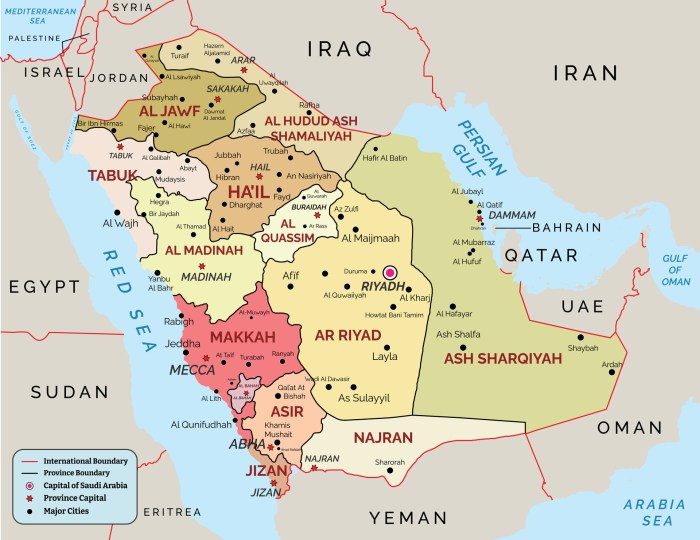

Saudi carrier Flyadeal start flights syria ceo says the airline is venturing into the Syrian market, marking a significant step in regional aviation. This announcement comes amidst a complex geopolitical landscape, raising questions about the economic and social implications for both Saudi Arabia and Syria. The move could reshape travel patterns, potentially boosting trade and tourism. It’s a bold step, and we’ll explore the potential challenges and opportunities that lie ahead for Flyadeal and the aviation industry.
Flyadeal, a low-cost carrier, is likely evaluating the potential benefits and risks of entering the Syrian market. Factors like the current geopolitical climate, existing infrastructure, and the target market’s economic situation will undoubtedly influence their strategy. The announcement likely signals a calculated assessment of the market’s potential, taking into account previous attempts and existing competition.
Flyadeal’s Entry into Syria: Background and Context: Saudi Carrier Flyadeal Start Flights Syria Ceo Says
Flyadeal, the Saudi Arabian low-cost carrier, has announced its intention to commence flights to Syria. This announcement signals a significant shift in regional aviation, particularly in the context of the ongoing geopolitical complexities surrounding the country. The move carries substantial implications for both the Saudi and Syrian economies, potentially opening new avenues for trade and tourism.The announcement suggests a cautious but deliberate approach to re-engage with Syria, a country with a complex and often volatile history.
The decision, if carried out, will be closely watched by international observers, given its potential to reshape regional dynamics.
Historical Overview of Flyadeal’s Operations
Flyadeal, established in 2017, quickly gained recognition as a key player in the Saudi Arabian aviation sector. Its focus on low-cost operations and extensive network development has made it a vital part of the Kingdom’s efforts to boost domestic travel and accessibility. Its current route network primarily focuses on connecting major cities within the Middle East and North Africa.
Current Geopolitical Landscape in Syria
Syria has been embroiled in a protracted civil war since 2011, leading to significant economic hardship and displacement. The ongoing conflict has disrupted the country’s infrastructure and limited its connectivity with the rest of the world. The political landscape remains complex, with various factions and international actors involved.
Significance of the Announcement in Relation to Regional Aviation
The planned flights to Syria mark a notable step towards regional integration and connectivity. This initiative could potentially revitalize the Syrian aviation sector, boosting economic activity and attracting international attention. It also underscores a changing regional perspective on international relations. It’s a sign that even with the complexities, countries are starting to engage with Syria in a more active way.
Economic Implications for Saudi Arabia and Syria
The introduction of Flyadeal flights to Syria is expected to have significant economic implications for both countries. For Saudi Arabia, it could open new markets for its goods and services, potentially increasing trade and investment opportunities. For Syria, the new connectivity could facilitate the inflow of foreign investment and aid, as well as the return of Syrian refugees and expats.
Previous Attempts by Saudi Arabian Carriers to Operate in Syria
There have been no known previous attempts by Saudi Arabian carriers to operate in Syria. This announcement represents a novel approach to the region.
Potential Factors Influencing the Decision to Start Flights
Several factors may have influenced the decision to initiate flights. These include the evolving political climate in the region, economic considerations, and the potential for increased trade and tourism. A growing recognition of the need to support the Syrian economy and reintegrate Syria into the global economy might be a contributing factor.
Comparison of Flyadeal’s Current Route Network to Potential New Routes in Syria
| Flyadeal Current Routes | Potential New Routes in Syria |
|---|---|
| Riyadh, Jeddah, Dammam, etc. to various cities in the Middle East and North Africa | Riyadh, Jeddah, Dammam, etc. to Damascus, Aleppo, Latakia, etc. |
Flyadeal’s existing network spans a significant portion of the Middle East. The potential routes in Syria would extend this reach, connecting Saudi Arabia to key cities within Syria. This could open up new tourism opportunities and trade links.
Airline Strategy and Objectives

Flyadeal’s foray into the Syrian market represents a calculated gamble, demanding a nuanced understanding of the region’s unique dynamics. The airline’s strategy must address the complex political and economic landscape while navigating potential hurdles to profitability. This analysis delves into Flyadeal’s business model, target market, and strategic rationale for entering the Syrian market, exploring the potential challenges and benefits involved.
Flyadeal’s Business Model and Target Market
Flyadeal’s business model hinges on low-cost operations, aiming for high passenger volume to offset lower ticket prices. This approach, successful in other markets, relies on efficient resource allocation and cost-cutting measures. Their target market likely includes budget-conscious travelers, both domestic and potentially those from neighboring countries seeking affordable air travel options. The airline aims to capture the demand for affordable transportation, especially considering the economic conditions in the region.
This could include tourists, business travelers, and individuals seeking affordable options to connect with family and friends.
Potential Challenges in the Syrian Market
Several challenges could hinder Flyadeal’s success in Syria. Political instability, sanctions, and security concerns remain significant obstacles. Infrastructure limitations, including airport capacity and maintenance, could also pose operational difficulties. Currency fluctuations and economic uncertainty within Syria and neighboring regions could influence demand and pricing strategies. The airline will also need to navigate complex regulatory environments and customs procedures unique to Syria.
Limited infrastructure and bureaucratic hurdles might affect Flyadeal’s ability to operate efficiently.
Strategic Rationale Behind Expanding into the Syrian Market
Flyadeal’s entry into the Syrian market suggests a strategic focus on expanding its network and potentially capturing market share. This move could be driven by a desire to tap into a previously untapped passenger base, particularly considering the potential for economic growth within the region. Furthermore, the potential for increased passenger traffic, though uncertain, could offer significant revenue opportunities.
The market is still underdeveloped in terms of air travel, so a first mover advantage might be substantial.
Potential Benefits of Operating in Syria for Flyadeal
Flyadeal could potentially gain substantial benefits by operating in Syria. A larger network and wider range of destinations could boost its overall visibility and market reach. The potential for increased passenger traffic and market share could significantly contribute to revenue growth. The expansion to a new market could attract new investors and solidify Flyadeal’s position as a regional player.
This new market presence could enhance its reputation and brand image, leading to potential expansion in other markets.
Impact of Competition from Other Airlines
Competition from other regional airlines, particularly those with established networks, could pose a significant challenge. These competitors might offer competitive pricing or superior services, potentially hindering Flyadeal’s market share gains. Flyadeal will need to implement strategies to differentiate itself, perhaps through targeted pricing or unique service offerings, to attract and retain customers. The airline will need to carefully analyze competitor strategies and adapt accordingly.
Flyadeal’s Competitive Advantages and Disadvantages in the Syrian Market
| Competitive Advantages | Competitive Disadvantages |
|---|---|
| Low-cost model, potentially attractive to budget-conscious travelers. | Political and security risks in the region, impacting safety and operational reliability. |
| Potential for market expansion and increased network coverage. | Limited infrastructure and regulatory hurdles in the Syrian market. |
| Established experience in low-cost operations. | Lack of prior experience operating in the Syrian market, requiring adaptation to local conditions. |
| Potential for economies of scale if passenger volume is high. | Currency fluctuations and economic uncertainty in the region could affect demand and pricing. |
| Experienced management and operations team. | Competition from other airlines with established networks and superior services. |
Impact on the Aviation Industry
Flyadeal’s foray into Syrian airspace marks a significant development in the Middle Eastern aviation landscape. This new route presents both opportunities and challenges for the regional aviation industry, impacting everything from travel patterns to the competitive dynamics among airlines. The decision to establish a presence in Syria is likely based on a combination of strategic and economic factors, including potential market expansion and untapped travel demand.
Flyadeal, the Saudi Arabian carrier, is launching flights to Syria, according to their CEO. This is quite a move, but given the recent discussion about the Slovak central bank chief, Kazimir, not getting another term as prime minister here , it raises questions about geopolitical strategy and economic implications. Perhaps the expansion into Syria reflects a broader shift in the region’s economic landscape, which is something to watch closely.
This new route from Flyadeal will be interesting to see how it plays out.
Potential Impact on Regional Air Travel Patterns
The introduction of a new direct route between Saudi Arabia and Syria will undoubtedly influence regional air travel patterns. Existing routes might see adjustments as travelers seek the most convenient and cost-effective options. This could lead to a shift in passenger traffic, with some passengers choosing Flyadeal’s route over existing options. For instance, passengers traveling between major hubs in the region might find the new direct route preferable, impacting existing airlines’ schedules and market share.
Implications for Tourism and Trade
The establishment of a new air link between Saudi Arabia and Syria could potentially stimulate both tourism and trade. Increased accessibility between the two countries could attract tourists to Syrian destinations, fostering cultural exchange and boosting the tourism sector. Similarly, improved connectivity could facilitate the movement of goods and services, opening new avenues for trade and economic partnerships. This could manifest in increased cargo capacity on Flyadeal flights, leading to greater opportunities for businesses in both countries.
Comparison of Flyadeal’s Flight Schedules with Other Airlines
A comprehensive comparison of Flyadeal’s flight schedules with those of other airlines operating in the region is crucial. This analysis would need to consider factors such as flight frequency, duration, and pricing strategies. The availability of direct flights, connecting flights, and the convenience of travel times will be key factors influencing passengers’ choices. Flyadeal’s pricing strategy will also play a crucial role in attracting passengers and competing with established carriers.
Potential Ripple Effects on Other Airlines’ Operations in the Middle East
The entry of Flyadeal into the Syrian market could trigger a response from other airlines in the Middle East. Existing airlines might adjust their pricing strategies, flight frequencies, or routes to maintain market share and competitiveness. This could result in a dynamic pricing environment, impacting the overall cost of air travel in the region.
Effect on the Overall Market Share of Air Travel in the Region
Flyadeal’s entry into the Syrian market will undoubtedly influence the overall market share of air travel in the region. This will depend on several factors, including the level of passenger demand, the effectiveness of Flyadeal’s marketing efforts, and the responses of competitors. A surge in passenger traffic between Saudi Arabia and Syria could lead to a significant shift in market share, benefiting Flyadeal and potentially impacting other airlines.
Summary Table: Growth Opportunities and Risks for the Aviation Industry
| Factors | Growth Opportunities | Risks |
|---|---|---|
| Passenger Demand | Increased travel between Saudi Arabia and Syria, potentially leading to higher passenger numbers and revenue. | Potential fluctuations in demand due to economic or political factors in either country. |
| Competition | Increased competition could drive down prices and stimulate innovation in the aviation sector. | Potential price wars or strategies that might negatively impact profit margins for existing airlines. |
| Trade & Tourism | Improved connectivity could facilitate trade and tourism, creating new revenue streams and economic partnerships. | Political instability or security concerns in Syria could hinder tourism and trade. |
| Infrastructure | Development of new airports and improved infrastructure in Syria could enhance accessibility. | Infrastructure limitations or delays in Syria could impact the smooth operation of the route. |
| Fuel Costs | Potential for economies of scale in fuel consumption with increased air traffic. | Fluctuations in fuel prices can significantly affect airline profitability. |
Socio-Economic Implications
Flyadeal’s entry into the Syrian market, while seemingly a simple aviation move, carries significant socio-economic ramifications. The potential for increased trade, tourism, and employment opportunities is substantial, but so are the inherent risks and challenges. The already complex economic landscape of Syria, coupled with the potential for political and logistical hurdles, makes a nuanced understanding of the implications crucial.The arrival of Flyadeal promises to reshape the economic fabric of Syria.
This is particularly pertinent considering the ongoing reconstruction efforts and the necessity for boosting economic activity in the country. This new air link has the potential to revolutionize the way Syrians interact with the rest of the world, fostering a more interconnected future.
Potential Impact on Employment and Economic Development
The introduction of Flyadeal will likely stimulate employment in various sectors, including aviation, tourism, and related industries. New jobs will emerge in air traffic control, airport operations, ground handling, and related support services. The influx of tourists and increased trade could further expand employment opportunities in hospitality, retail, and other service sectors. The airline’s operations will directly contribute to the growth of Syria’s GDP.
This effect is particularly relevant in a country experiencing economic hardship, where job creation is paramount. Examples of similar economic transformations can be seen in countries that have experienced post-conflict reconstruction, where new transportation links have catalyzed economic revival.
Potential Consequences for Tourism and Trade Within the Region
Flyadeal’s operations can stimulate tourism and trade within the region. The ease of travel between Syria and neighboring countries, facilitated by the new air link, could significantly increase tourism and business opportunities. Syria’s rich history and cultural heritage can attract tourists, boosting revenue for local businesses. Increased trade with other countries can provide Syria with access to new markets and resources.
Flyadeal, the Saudi carrier, launching flights to Syria, is certainly a noteworthy development. This new route could open up exciting possibilities for travel in the region. Meanwhile, the upcoming CONCACAF final between Cruz Azul and Vancouver, a match with a rich history at stake, promises to be an electrifying event. Will the result mirror the strategic implications of Flyadeal’s Syrian venture?
Check out the details of this crucial CONCACAF final here for a deeper understanding of the sporting history. Regardless, Flyadeal’s Syrian initiative is bound to have significant impacts on the region’s economic landscape.
This will contribute to regional economic growth, benefiting not only Syria but also the surrounding countries. A prime example of this dynamic can be observed in the post-conflict recovery of certain regions, where new transportation infrastructure has become a vital catalyst for economic development and increased trade.
Role of Flyadeal in Promoting Connectivity and Economic Exchange
Flyadeal’s role extends beyond simply connecting cities. The airline can play a crucial role in promoting economic exchange by facilitating the movement of goods, services, and people. The increased connectivity can accelerate the flow of investments, fostering new partnerships and collaborations. The airline’s network can facilitate the exchange of ideas, knowledge, and cultural experiences, creating a more vibrant and interconnected region.
The benefits are not confined to a single nation; they can have a far-reaching impact on the regional economy.
Flyadeal, the Saudi carrier, is starting flights to Syria, according to their CEO. It’s interesting to see this new route emerge, but it’s important to remember that recent events, like the mischaracterization of the tragic Carlow gun incident as a massacre, highlight the importance of verifying information. This incident, which wrongly claimed bystanders were shot, is a stark reminder to be cautious of online narratives and to rely on credible sources.
Thankfully, Flyadeal’s expansion into Syria is a positive development, as it can potentially boost economic ties between the two nations. This article provides more context on the misinformation surrounding the Carlow incident.
Potential Cultural Exchange Opportunities
The new flights offer a unique opportunity for cultural exchange. Interactions between Syrian and other nationalities will be encouraged, promoting mutual understanding and respect. Tourism can facilitate cultural exchange, enabling individuals to experience different traditions and perspectives. Such interactions can foster a greater sense of shared humanity and understanding between various cultures. History is replete with examples of how cross-cultural exchanges have fostered mutual understanding and economic progress.
Comparison of Socio-Economic Situation in Syria to Other Middle Eastern Regions
| Characteristic | Syria | UAE | Saudi Arabia |
|---|---|---|---|
| GDP per capita | Low | High | High |
| Unemployment rate | High | Low | Low |
| Tourism revenue | Low (pre-conflict) | High | High |
| Trade volume | Low (pre-conflict) | High | High |
This table provides a basic comparison, highlighting the stark differences in socio-economic conditions between Syria and more developed Middle Eastern nations. The disparities underscore the importance of Flyadeal’s potential impact on Syria’s recovery and development. Significant disparities in economic output and employment levels are clear when comparing Syria with other regions in the Middle East. The table reflects the substantial challenges that Syria faces in catching up to its regional peers, and Flyadeal’s efforts can be seen as a crucial step toward addressing these challenges.
Potential Challenges and Risks
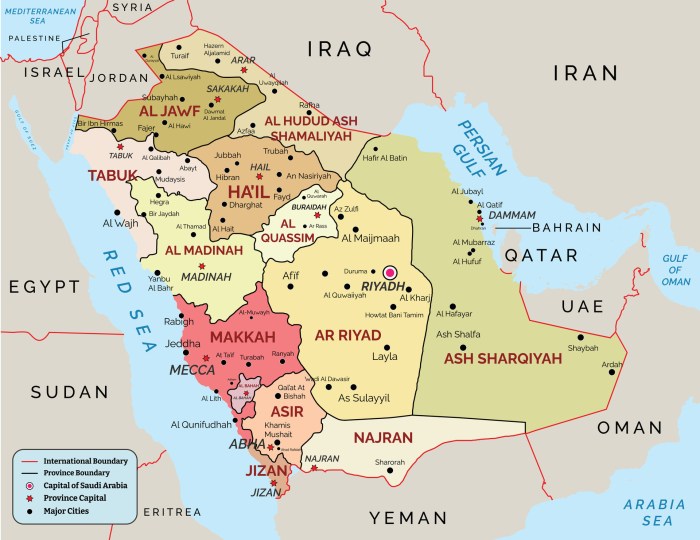
Flyadeal’s foray into the Syrian market, while potentially lucrative, presents a complex web of challenges. Navigating the region’s volatile political climate, existing infrastructure limitations, and potential security concerns is crucial for the airline’s success. The decision carries significant risks, demanding careful assessment and strategic planning to mitigate these potential downsides.
Security Concerns
The ongoing geopolitical situation in Syria poses significant security risks for Flyadeal’s operations. Areas of operation may experience unpredictable security incidents, including terrorist attacks or armed conflicts. The airline must implement stringent security measures, including enhanced passenger screening procedures and robust threat assessments, to ensure the safety of its passengers and crew. A pre-emptive analysis of potential hotspots and routes is essential for proactive risk management.
Consideration of the airline’s insurance policies and their coverage in conflict zones is also critical.
Regulatory Hurdles
Syria’s regulatory environment may present unforeseen challenges. Existing regulations, particularly concerning aviation, may be incomplete, poorly enforced, or even absent in some regions. Flyadeal will likely face obstacles in obtaining necessary permits, licenses, and approvals for flight operations. There might be conflicting regulations from international bodies and Syria’s government, demanding meticulous adherence to all applicable guidelines. Furthermore, variations in standards and procedures across different Syrian airports may also cause delays or operational complications.
Financial Risks
Operating in Syria involves significant financial risks. Currency fluctuations, economic sanctions, and unpredictable market conditions could negatively impact Flyadeal’s profitability. Limited infrastructure and underdeveloped facilities may increase operating costs. The airline must carefully assess the market’s demand and adjust its pricing strategies to ensure profitability in the face of these potential economic uncertainties. Case studies of other airlines operating in politically sensitive regions, highlighting their financial performance and challenges, would be helpful in forecasting the financial outlook.
Political Risks, Saudi carrier flyadeal start flights syria ceo says
The political instability in Syria is a major concern. Sudden shifts in government policies, political tensions, or diplomatic crises could disrupt Flyadeal’s operations. Political instability can lead to flight cancellations, travel restrictions, and disruptions to supply chains. The airline must be prepared for these potential scenarios and develop contingency plans to mitigate disruptions. Monitoring political developments closely and adapting to the changing political landscape is crucial.
Logistical Challenges
Navigating the Syrian market presents logistical difficulties. Infrastructure limitations, including underdeveloped airports and air traffic control systems, may create operational inefficiencies. Limited access to reliable ground support services, such as maintenance and catering, could hinder smooth operations. Potential difficulties in communication and coordination with local authorities, including visa requirements and customs procedures, need to be thoroughly investigated.
Furthermore, difficulties in accessing spare parts and personnel might be problematic.
Potential Scenarios and Outcomes
| Scenario | Potential Outcome |
|---|---|
| High security incidents and travel advisories | Flight cancellations, decreased passenger traffic, reputational damage, and potential financial losses. |
| Stricter regulatory environment and bureaucratic delays | Increased operational costs, delays in obtaining necessary approvals, and potential disruptions to scheduled flights. |
| Significant currency fluctuations and economic sanctions | Reduced profitability, difficulties in managing operating costs, and potential financial instability. |
| Political instability and sudden policy changes | Travel restrictions, flight cancellations, and disruptions to the airline’s overall operations. |
| Logistical difficulties and infrastructure limitations | Increased operational costs, delays, and potential safety concerns. |
Public Perception and Stakeholder Analysis
The launch of Flyadeal flights into Syria marks a significant development, potentially impacting public opinion and investor confidence in both countries. Understanding the perspectives of various stakeholders is crucial to assessing the long-term viability and success of this venture. Different groups, from governments to local populations, will have varying reactions and concerns.This section delves into the potential public reactions, investor sentiment, and the perspectives of various stakeholders.
It examines the concerns of local populations in both Syria and Saudi Arabia, highlighting the importance of public relations for Flyadeal’s success in this new market.
Potential Public Reactions in Both Countries
Public reactions to Flyadeal’s entry into Syria will likely be mixed and multifaceted. In Syria, there might be enthusiasm among those seeking increased connectivity and economic opportunities. Conversely, some may harbor concerns about the potential for increased foreign influence or exploitation. In Saudi Arabia, positive public perception could be fueled by the airline’s expansion into a new market, promoting its image as a forward-thinking and globally-minded enterprise.
However, some citizens might question the strategic wisdom of investing in a region with political complexities.
Impact on Investor Sentiment and Market Confidence
The launch of Flyadeal flights could influence investor sentiment in both countries. Positive news about increased trade and tourism could lead to an uptick in stock prices. Conversely, concerns about political instability or economic challenges in Syria might deter some investors. The success of the new flights will be a key indicator of market confidence. A successful start, evidenced by high passenger numbers and positive financial performance, would likely bolster investor confidence.
Stakeholder Perspectives
Several stakeholders have distinct perspectives on Flyadeal’s entry into the Syrian market.
- Government: Syrian and Saudi Arabian governments may view the new flights as a positive development, potentially boosting economic growth and facilitating trade. However, concerns about regulatory compliance and security measures might also arise.
- Locals: In Syria, locals may welcome increased connectivity and the potential for job creation in the aviation sector. Conversely, concerns about the impact on local businesses and the potential for cultural clashes may also emerge. In Saudi Arabia, locals might view the expansion as a way to diversify the airline’s presence and increase market share. Concerns regarding potential financial losses or risks associated with a politically sensitive region may also exist.
- Competitors: Existing airlines operating in the region might view Flyadeal’s expansion as a threat, potentially leading to increased competition and price wars. They may also question Flyadeal’s ability to effectively manage operations in a politically volatile region. Strategies for countering this competitive pressure could include focusing on niche markets or offering competitive pricing and value-added services.
Potential Concerns of Local Populations
Local populations in both Syria and Saudi Arabia may have various concerns about Flyadeal’s new flights. In Syria, concerns about safety, security, and the potential for exploitation of the region may be present. In Saudi Arabia, some might be concerned about the potential financial risks and the possible political repercussions of expanding into a politically complex region. Addressing these concerns through transparent communication and a clear commitment to responsible operations will be vital.
Importance of Public Relations for Flyadeal
Effective public relations will be paramount to managing stakeholder expectations and fostering a positive image for Flyadeal. Transparent communication, demonstrating a commitment to safety and ethical business practices, and proactively addressing concerns will be crucial. Building trust and rapport with local populations will be essential for long-term success. A robust public relations strategy will be critical in shaping public opinion and mitigating potential risks.
Comparison of Stakeholder Perspectives
| Stakeholder | Positive Perspective | Negative Perspective |
|---|---|---|
| Syrian Government | Increased trade, economic growth, and tourism | Regulatory compliance challenges, security concerns |
| Syrian Locals | Increased connectivity, job opportunities | Potential for exploitation, cultural clashes, impact on local businesses |
| Saudi Arabian Government | Expansion of the airline, diversification of markets | Potential financial risks, political repercussions |
| Saudi Arabian Locals | Diversification of the airline’s presence, increase in market share | Potential financial losses, political risks associated with the region |
| Competitors | Increased competition, potential for price wars | Flyadeal’s ability to manage operations in a politically volatile region |
Conclusive Thoughts
In conclusion, Flyadeal’s decision to operate flights to Syria is a complex one with numerous potential implications. From a regional aviation perspective, it could disrupt existing patterns and create new opportunities. For Syria, the arrival of a new airline could stimulate economic activity and create jobs. However, the complexities of the geopolitical landscape, potential security concerns, and regulatory hurdles are all factors to consider.
The long-term impact on the Syrian market and the overall regional aviation industry remains to be seen. This decision is likely a strategic move that will be closely watched.