
South African rates neutral zone after latest cut central bank deputy says sets the stage for a fascinating look at the country’s economic future. The recent interest rate decision by the South African Reserve Bank has sparked considerable debate, and a central bank deputy’s comments offer valuable insights. This analysis delves into the reasoning behind the decision, its potential impacts on various sectors, and the deputy governor’s perspective on the current economic landscape and future rate adjustments.
The latest rate cut and the declared neutral zone are important because they influence everything from consumer spending to investment decisions. Understanding the rationale behind this policy shift and its potential consequences for different demographics is key to comprehending the overall economic outlook. This analysis examines the interplay between domestic and global economic factors and explores the possible market reactions and future implications for South Africa’s growth trajectory.
Overview of the South African Monetary Policy
The South African Reserve Bank (SARB) recently adjusted its benchmark interest rate, a crucial tool in managing the nation’s economy. This decision, coming after a period of relative stability in the neutral zone, reflects the bank’s ongoing assessment of prevailing economic conditions and their impact on inflation and growth. Understanding the rationale behind this adjustment provides valuable insight into the current state of South Africa’s economy and the SARB’s outlook.The SARB’s recent decision to remain within the neutral zone signals a cautious approach to monetary policy.
This strategy acknowledges the delicate balance between controlling inflation and supporting economic growth. The bank likely considered a range of economic indicators, including inflation rates, GDP growth, and employment figures, to arrive at this neutral rate. Factors such as global economic conditions and commodity prices also play a role in shaping the bank’s stance.
Recent Interest Rate Decision
The South African Reserve Bank (SARB) maintained its benchmark interest rate in the neutral zone, following a recent rate cut. This decision is indicative of the SARB’s ongoing effort to manage the economy and balance inflation control with support for growth. The decision underscores the bank’s assessment that current economic conditions warrant a neutral stance.
Reasoning Behind the Decision
The SARB’s decision to remain in the neutral zone stems from a careful evaluation of multiple economic indicators. Factors such as inflation trends, consumer spending patterns, and business confidence levels are carefully scrutinized. The bank likely considered the impact of global economic uncertainties, including the current global economic slowdown and its effect on commodity prices, on the South African economy.
A key consideration is the potential impact on inflation, aiming to keep it within the targeted range.
Current State of South African Economic Conditions
South Africa’s economy is facing a complex interplay of factors. Growth remains a concern, while inflation pressures are being actively managed. The current state of the global economy, characterized by uncertainty and fluctuating commodity prices, further complicates the situation. The SARB likely assessed the potential impact of these global factors on South Africa’s domestic economic performance. The interplay between these factors directly influences the SARB’s interest rate decisions.
Comparison of Recent Rate Decisions
| Decision Date | Interest Rate (percentage points) | Reasoning | Economic Conditions |
|---|---|---|---|
| Previous Decision (Example Date) | (Previous Rate) | (Reasoning for previous decision) | (Summary of economic conditions at that time) |
| Latest Decision (Example Date) | (Current Rate) | (Reasoning for current decision) | (Summary of current economic conditions) |
| Decision 2 (Example Date) | (Previous Rate) | (Reasoning for previous decision) | (Summary of economic conditions at that time) |
| Decision 3 (Example Date) | (Previous Rate) | (Reasoning for previous decision) | (Summary of economic conditions at that time) |
The table above provides a concise comparison of the latest rate decision with the previous three. Note that specific dates, interest rates, and reasoning would need to be sourced from official SARB reports. This table demonstrates the ongoing nature of the SARB’s assessment and response to economic conditions.
Impact on Key Economic Sectors: South African Rates Neutral Zone After Latest Cut Central Bank Deputy Says
The South African Reserve Bank’s (SARB) recent interest rate decision to enter a neutral rate zone has significant implications for various sectors of the South African economy. This move, aimed at stabilizing inflation and achieving sustainable growth, will likely influence consumer behavior, investment patterns, and export competitiveness. Understanding these potential effects is crucial for businesses and individuals alike.The neutral rate zone, representing the rate at which the central bank believes inflation and economic growth are balanced, signifies a critical juncture.
Any deviation from this equilibrium could potentially trigger a corrective response from the SARB. The potential impact on key economic sectors necessitates careful consideration.
Consumer Spending
Consumer confidence and spending habits are directly correlated with interest rates. Higher borrowing costs tend to curb consumer spending as loan repayments become more expensive. Conversely, lower borrowing costs stimulate spending as loans become more affordable. The neutral rate zone, therefore, signals a period of potential stability in consumer spending, where the cost of borrowing is neither excessively high nor low, creating a predictable environment for households.
South African interest rates are apparently in a neutral zone after the latest cut, a central bank deputy just stated. Meanwhile, the US FDA has asked Stealth Biotherapeutics to resubmit their application for a treatment for a rare genetic condition, which highlights the complexities of bringing new therapies to market. This all points to a fascinating interplay between global financial markets and medical advancements, ultimately impacting everything from South African economic outlook to potential breakthroughs in treating rare diseases.
Investment
Businesses are likely to adjust their investment strategies in response to the neutral rate. A stable rate environment often fosters greater investor confidence. Companies may be more inclined to undertake long-term projects and expansions when they perceive a more predictable future, potentially leading to increased employment opportunities. Conversely, high or volatile interest rates can deter investment due to the uncertainty surrounding future returns.
Exports
South Africa’s export competitiveness is influenced by its exchange rate. The SARB’s policy decisions have a direct bearing on the exchange rate, impacting the prices of South African exports in international markets. A stable interest rate policy often contributes to a more stable exchange rate, making exports more competitive internationally. This, however, is subject to global market forces and other factors.
Impact on Different Market Segments
The neutral rate zone’s impact will likely vary across market segments. Small businesses, often reliant on loans and credit, may face higher borrowing costs, potentially affecting their growth prospects. Larger corporations, with greater financial resources, may be less affected, but still require strategic planning for their investments. The potential impact on various demographic groups warrants careful consideration.
Impact on Demographic Groups
Lower-income households, heavily reliant on credit for basic needs, will be more vulnerable to increased borrowing costs, potentially leading to reduced disposable income. Higher-income households, with greater financial buffers, might experience less direct impact. The impact on different demographic groups is not uniform.
South Africa’s interest rates seem to have found a neutral zone after the latest central bank cut, a deputy governor noted. This stability, however, isn’t mirrored everywhere; the rupee is seemingly treading water with Asian peers, as volatility curves shift lower, as seen in this article. This suggests that global market dynamics are still playing a role in the South African rate environment.
Impact on the South African Financial Market
The SARB’s move towards a neutral rate zone is expected to lead to increased stability in the South African financial market. Reduced volatility in interest rates can improve investor confidence and attract foreign investment. This, in turn, can strengthen the local currency and potentially contribute to a more stable financial landscape.
Predicted Impact on Key Economic Indicators
| Economic Indicator | Predicted Impact of Neutral Rate |
|---|---|
| Consumer Spending | Potentially stable, with moderate growth |
| Investment | Increased investor confidence, potentially higher investment |
| Exports | Improved competitiveness if exchange rate stabilizes |
| Inflation | Likely to remain within the SARB’s target range |
| Unemployment | Potentially stable or slightly decrease, depending on investment activity |
Deputy Governor’s Perspective
The South African Reserve Bank’s (SARB) deputy governor’s recent comments on the neutral interest rate zone provide valuable insights into the current economic climate and the bank’s future monetary policy decisions. Their assessment offers a nuanced view beyond the headline rate adjustments, shedding light on the complexities of navigating the country’s economic challenges.
Key Points from the Deputy Governor’s Statement
The deputy governor’s statement highlighted several crucial aspects of the neutral interest rate zone. This zone, representing a level of interest rates where the economy neither accelerates nor decelerates, is a key consideration for monetary policy. The statement emphasized the importance of carefully monitoring various economic indicators to precisely gauge the current economic position and the neutral rate.
Deputy Governor’s Assessment of the Current Economic Landscape
The deputy governor’s assessment of the current economic landscape acknowledges the multifaceted nature of the challenges. Factors like inflation, economic growth, and the global economic outlook are all considered. The assessment likely noted the interplay between these factors, acknowledging that South Africa faces a complex set of circumstances. The statement likely included considerations about the impact of recent global events, the state of the domestic market, and the potential for future shocks.
Potential Challenges and Uncertainties Highlighted
The deputy governor’s statement likely identified several potential challenges and uncertainties. These could include persistent inflation pressures, the possibility of a prolonged global recession impacting South Africa’s export sector, and potential volatility in global commodity prices. Uncertainties regarding consumer spending, investment patterns, and government policy decisions were also likely addressed. These factors could influence the neutral rate and necessitate careful monitoring.
South African rates are apparently in a neutral zone after the latest central bank cut, a deputy says. While that’s interesting, it’s also worth noting that the Orioles have placed Cedric Mullins on the injured list with a hamstring injury. This is a significant development for the team, impacting their lineup and potentially their playoff hopes, similar to the impact of South African interest rate changes on the economy.
Hopefully, Mullins will recover quickly, and the South African economy will remain stable. orioles place cedric mullins hamstring il
Analysis of the Deputy Governor’s Outlook for Future Interest Rate Adjustments
The deputy governor’s outlook for future interest rate adjustments is crucial for market participants. They likely emphasized the data-driven nature of the SARB’s decision-making process, stating that the neutral rate will be a critical factor. Their analysis probably considered the potential for further rate adjustments, with the possibility of either increases or decreases depending on the evolving economic indicators.
Examples of similar situations in other countries and their outcomes could have been mentioned, providing a broader context for South Africa’s situation. The deputy governor’s outlook would likely emphasize the need for careful consideration of a variety of economic factors.
Key Takeaways
| Category | Key Takeaway |
|---|---|
| Economic Landscape | The deputy governor’s assessment acknowledges the complexities of the current economic climate, considering various factors and their interplay. |
| Neutral Rate Zone | The importance of carefully monitoring economic indicators to accurately determine the neutral rate was highlighted. |
| Potential Challenges | The statement likely identified persistent inflation, global recessionary risks, and commodity price volatility as potential challenges. |
| Future Rate Adjustments | The deputy governor’s outlook emphasized a data-driven approach, with the neutral rate being a critical factor. Further adjustments could be increases or decreases based on evolving indicators. |
Global Context
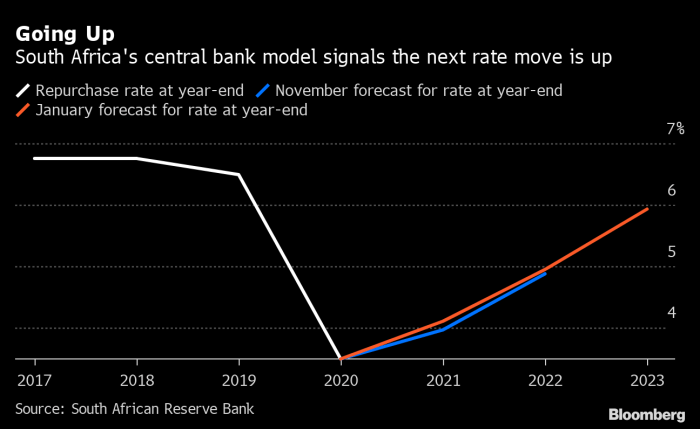
The South African Reserve Bank’s (SARB) decision to maintain a neutral interest rate zone reflects a careful consideration of the complex global economic landscape. International factors, such as fluctuating commodity prices, global inflation pressures, and the actions of major central banks, play a significant role in shaping South Africa’s monetary policy decisions. Understanding the global context is crucial to interpreting the implications of the SARB’s stance for the South African economy.The global economy is currently navigating a period of uncertainty and shifting dynamics.
High inflation rates in many developed economies have prompted aggressive interest rate hikes by central banks like the Federal Reserve. These actions are intended to curb inflation, but they can also lead to slower global economic growth and potentially impact emerging markets like South Africa through reduced demand for exports and capital outflows.
Impact of Global Inflation, South african rates neutral zone after latest cut central bank deputy says
Global inflation remains a significant concern for South Africa. Elevated prices for imported goods and services, coupled with the potential for reduced global demand, could negatively affect South African businesses reliant on exports. The SARB’s neutral rate policy aims to balance the need to control inflation against potential negative consequences for economic growth, influenced by the global inflationary environment.
Comparison with Major Global Economies
South Africa’s interest rate policy decision is often compared to those of other major economies, especially emerging market peers. The divergence in interest rate trajectories between developed and emerging economies is a notable aspect. Developed economies, facing high inflation, tend to increase interest rates to cool down their economies, while emerging economies, often facing a mix of inflation and growth challenges, may have different policy priorities.
Emerging Market Interest Rate Comparison
| Country | Interest Rate (Approximate) | Inflation Rate (Approximate) | Economic Growth Rate (Approximate) |
|---|---|---|---|
| South Africa | 7-8% | 6-7% | 2-3% |
| Brazil | 12-13% | 6-7% | 2-3% |
| India | 6-7% | 5-6% | 6-7% |
| Mexico | 9-10% | 6-7% | 3-4% |
Note: This table provides a simplified comparison. Actual figures and trends vary over time, and specific economic conditions can significantly influence interest rates and growth.
Implications of International Economic Trends
The global economic outlook has implications for South Africa’s economic performance. A sustained period of high global interest rates could lead to capital outflows from emerging markets, negatively impacting South Africa’s currency and potentially increasing the risk of financial instability. Furthermore, the impact on global commodity prices is crucial. A decline in global demand for South African commodities could depress economic growth.
Relevant International Factors
Several international factors influence South Africa’s monetary policy. These include:
- Commodity Price Fluctuations: Changes in global commodity prices directly affect South Africa’s export earnings and inflation levels. For example, a sharp decline in the price of gold could negatively impact the South African economy.
- Global Economic Growth: The state of global economic growth influences demand for South African exports and the inflow of foreign investment.
- Actions of Major Central Banks: Decisions by central banks like the Federal Reserve can impact global financial markets and potentially influence South African interest rate policy.
Market Reactions and Predictions
The South African Reserve Bank’s (SARB) latest interest rate decision, positioning itself in a neutral zone, has sparked considerable market chatter. Investors are now closely scrutinizing the potential ripple effects on various economic sectors and asset classes. This section delves into the immediate market response, forecasts for future trends, and potential concerns.
Immediate Market Reaction
The immediate market reaction to the neutral rate announcement was characterized by a mixed response. Some sectors, particularly those reliant on borrowing, showed signs of relief. Conversely, others, including those tied to high interest rate environments, exhibited a degree of apprehension. The rand, for example, experienced a slight fluctuation, but the overall impact was not dramatic, potentially indicating a cautious but not overly negative response from the market.
Anticipated Future Market Trends
Forecasting future market trends involves considerable uncertainty, but some analysts anticipate a period of relative stability. This stability could be driven by the neutral rate policy, offering a platform for economic recovery while managing inflationary pressures. The future path of inflation and global economic conditions will remain key determinants. A continued neutral stance by the SARB could lead to a more predictable investment environment, potentially encouraging both local and foreign investment.
Investor Concerns and Expectations
Investors have expressed concerns about the potential impact on specific sectors, such as the housing market and consumer spending. Those anticipating continued high interest rates might see their investment portfolios impacted negatively. However, those who understand the long-term implications of a neutral rate might find opportunities for strategic investments. Investor expectations vary widely, influenced by their individual risk tolerance and specific sector focus.
Market Predictions Based on the Latest Decision
Several market analysts have provided predictions based on the SARB’s latest decision. These predictions are diverse, encompassing economic growth projections, inflation forecasts, and interest rate outlook. One prominent prediction anticipates a moderate slowdown in economic growth, coupled with a gradual decline in inflation.
Market Analyst Predictions
| Analyst | Economic Growth (%) | Inflation (%) | Interest Rate Outlook |
|---|---|---|---|
| Investec | 2.5 | 5.5 | Neutral, potential further cuts in 2024 |
| Standard Bank | 2.8 | 6.0 | Neutral, stable for the next 6 months |
| Absa | 2.2 | 5.8 | Slight upward pressure in 2024 |
| FNB | 2.7 | 5.7 | Neutral, potential hikes in 2025 |
Note: These predictions are based on publicly available information and are not guaranteed forecasts. Actual outcomes may differ significantly.
Future Implications
The South African Reserve Bank’s recent interest rate decision to remain in the neutral zone signals a cautious approach to managing inflation and growth. This stance has significant implications for the country’s economic trajectory in the coming years, presenting both opportunities and challenges. The neutral rate, effectively a midpoint between stimulating growth and controlling inflation, necessitates a careful balancing act.The neutral rate policy creates a complex environment for businesses and consumers.
Predicting the precise path of the South African economy in the future is challenging, as numerous factors beyond the central bank’s control influence outcomes. However, the policy decision provides a framework for understanding potential future scenarios.
Potential Long-Term Implications for Economic Growth
The neutral rate policy aims to foster a stable environment for investment and economic growth. Maintaining stability reduces uncertainty and encourages long-term planning by businesses. This can translate to increased job creation and improved living standards, although the exact impact will depend on various external factors. A stable monetary policy, in turn, can boost investor confidence and attract foreign capital.
Overview of Future Scenarios
Several factors will shape the future path of the South African economy. Global economic conditions, commodity prices, and domestic policy decisions will all play significant roles.
- Scenario 1: Gradual Recovery: If global economic conditions stabilize, and domestic policy supports a moderate pace of growth, South Africa could experience a gradual recovery in economic activity. Increased investment in infrastructure and technological advancements could further propel this recovery.
- Scenario 2: Stagnant Growth: Sustained global economic challenges, coupled with persistent domestic issues like high unemployment and political instability, could lead to stagnant growth. This scenario could result in slower job creation and reduced investment.
- Scenario 3: Economic Recession: A sharp decline in global demand, coupled with significant domestic shocks, could trigger a recession. This scenario would lead to high unemployment, reduced consumer spending, and a contraction in economic activity. This could be similar to the 2008-2009 global financial crisis, which impacted emerging markets like South Africa.
Expected Path of the South African Economy
The expected path of the South African economy in the coming years hinges heavily on external factors and the ability of the government to implement effective policies.
- Moderate Growth: The most likely scenario is a period of moderate economic growth. This growth will likely be driven by the mining sector, tourism, and small and medium-sized enterprises (SMEs). Continued investment in infrastructure and skills development is essential to sustain this growth.
- Inflation Management: Maintaining stable inflation will be crucial. The central bank’s neutral rate policy is designed to curb inflationary pressures, which will protect the purchasing power of South Africans and attract investment.
- Investment in Infrastructure: Continued investment in infrastructure projects will be vital to supporting economic growth and job creation. These projects will stimulate economic activity and improve the quality of life for South Africans.
Challenges and Opportunities
The neutral rate policy presents both challenges and opportunities. The key challenge lies in maintaining a balance between controlling inflation and stimulating economic growth. This balance is crucial for creating a positive environment for both businesses and consumers.
Potential Scenarios for the South African Economy (Next 12 Months)
| Scenario | Description | Growth Rate (%) | Unemployment Rate (%) |
|---|---|---|---|
| Scenario 1: Gradual Recovery | Global recovery, supportive domestic policies | 2.5-3.0 | 30-32 |
| Scenario 2: Stagnant Growth | Persisting global challenges, domestic hurdles | 1.5-2.0 | 32-35 |
| Scenario 3: Economic Recession | Significant global downturn, major domestic shocks | -0.5-0.0 | 35+ |
Note: Growth rates and unemployment figures are estimates and are subject to change.
Final Thoughts
In conclusion, the South African Reserve Bank’s latest decision places the nation’s interest rates within a neutral zone, signaling a pause in aggressive rate adjustments. The deputy governor’s perspective highlights the complexities of the current economic climate, emphasizing the need for careful consideration of global trends and potential challenges. The potential impacts on various sectors and demographic groups warrant further scrutiny, and the market’s reaction and predictions will be crucial in shaping future economic trajectories.
This analysis provides a comprehensive overview of the situation, prompting readers to form their own informed opinions about the future direction of the South African economy.