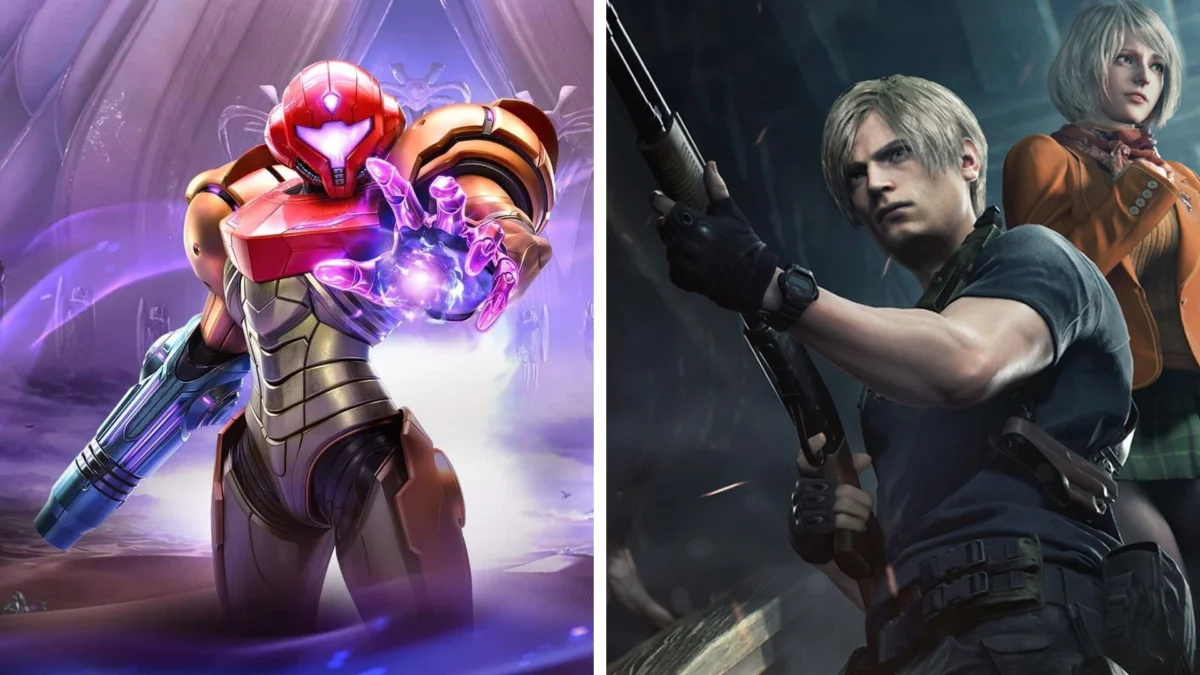
The launch of Metroid Prime 4: Beyond on the Nintendo Switch family of consoles failed to achieve the critical acclaim or commercial momentum anticipated by both developers and the franchise’s enduring fanbase. Following an extensive development cycle spanning more than half a decade under the direction of Retro Studios—the original creative force behind the seminal GameCube trilogy—the game’s arrival was met with a polarizing reception. Critics and players alike cited underwhelming narrative design choices, controversial traversal mechanics, and an abrupt narrative conclusion that left many questioning the future trajectory of the interstellar bounty hunter.
This reception stands in stark contrast to the historical legacy of the Metroid Prime sub-series, which originally debuted in 2002 to universal praise. At the turn of the millennium, when numerous historic 2D franchises struggled to make the precarious technical leap into three-dimensional space, Metroid Prime established a gold standard for atmospheric first-person exploration, environmental storytelling, and combat design. Subsequent entries, including Metroid Prime 2: Echoes and Metroid Prime 3: Corruption, refined these mechanics by introducing sophisticated weaponry, interconnected planetary sectors, and innovative movement systems. However, the nearly two-decade hiatus between the release of Corruption and the launch of Beyond generated unprecedented expectations that ultimately proved difficult for the sequel to satisfy.
The Current State of the Franchise and Historical Parallels
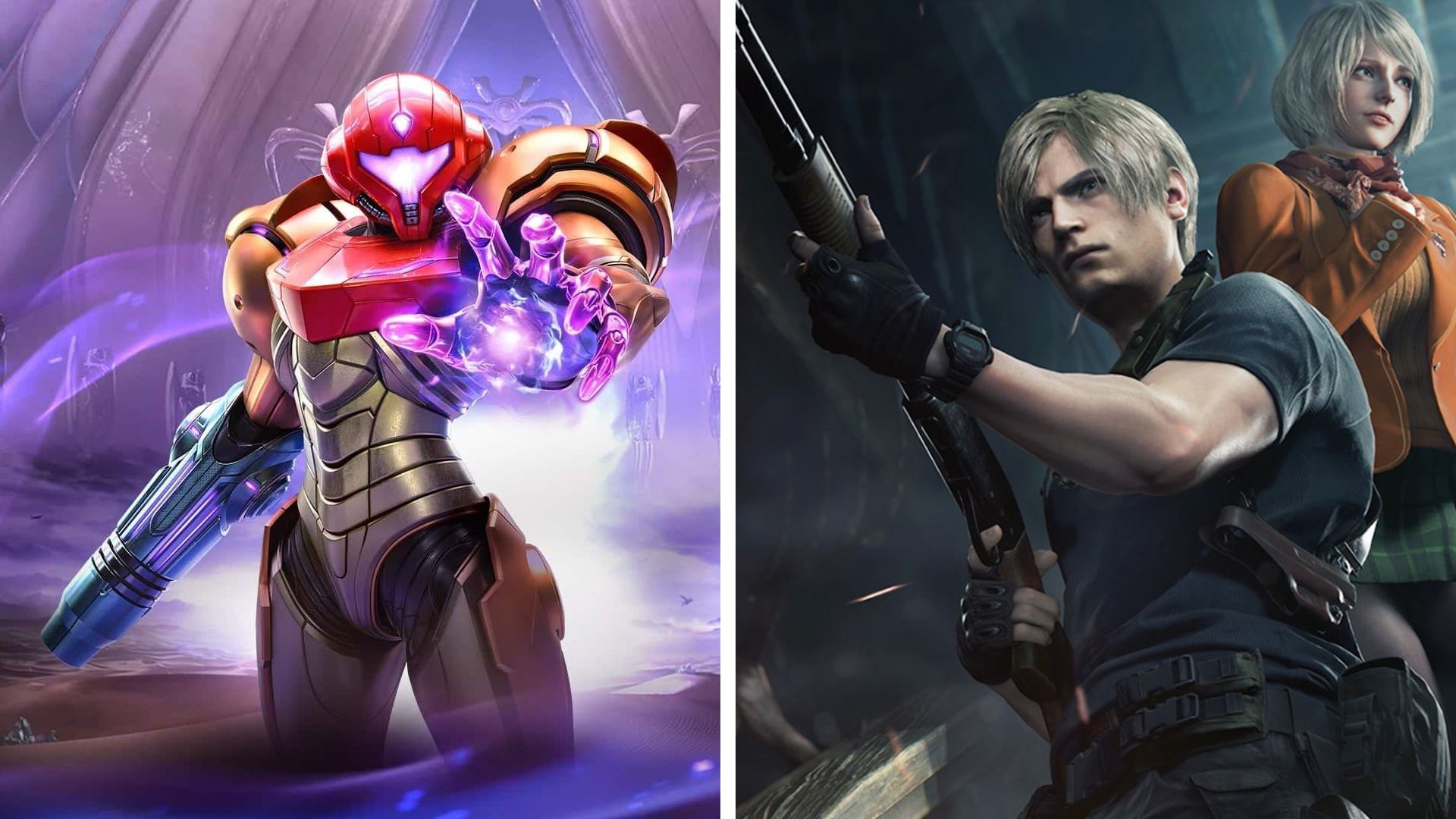
The subdued response to Metroid Prime 4: Beyond has prompted industry analysts and dedicated fans to reexamine how Nintendo manages its premier science-fiction intellectual property. Notably, the lack of modern availability for the classic sequels—neither Metroid Prime 2 nor Metroid Prime 3 has received an official port, standalone remaster, or inclusion on the Nintendo Switch Online service—has exacerbated a sense of stagnation for the series.
This predicament bears a striking resemblance to the challenges faced by Capcom a decade prior. Following the commercial missteps of 2012’s Resident Evil 6—a critically maligned entry characterized by bloated campaigns and a departure from foundational survival-horror principles—Capcom’s premier horror franchise faced an existential crisis. The publisher recognized that simply pushing forward with incremental sequels would alienate the core demographic.
Capcom’s strategic pivot involved two distinct approaches: the development of innovative new directions, such as the first-person perspective in Resident Evil 7: Biohazard, and the comprehensive, ground-up reimagining of legacy titles through modern game engines. The acclaimed remakes of Resident Evil 2, Resident Evil 3, and Resident Evil 4 successfully demonstrated how classic level designs, atmospheric tension, and core narratives could be translated into contemporary technological frameworks without losing the identity of the source material. By maintaining the underlying structural bones while completely modernizing the visual fidelity, audio design, and control paradigms, Capcom revitalized a flagging portfolio and restored consumer confidence.
Applying the Engine Blueprint to Tallon IV
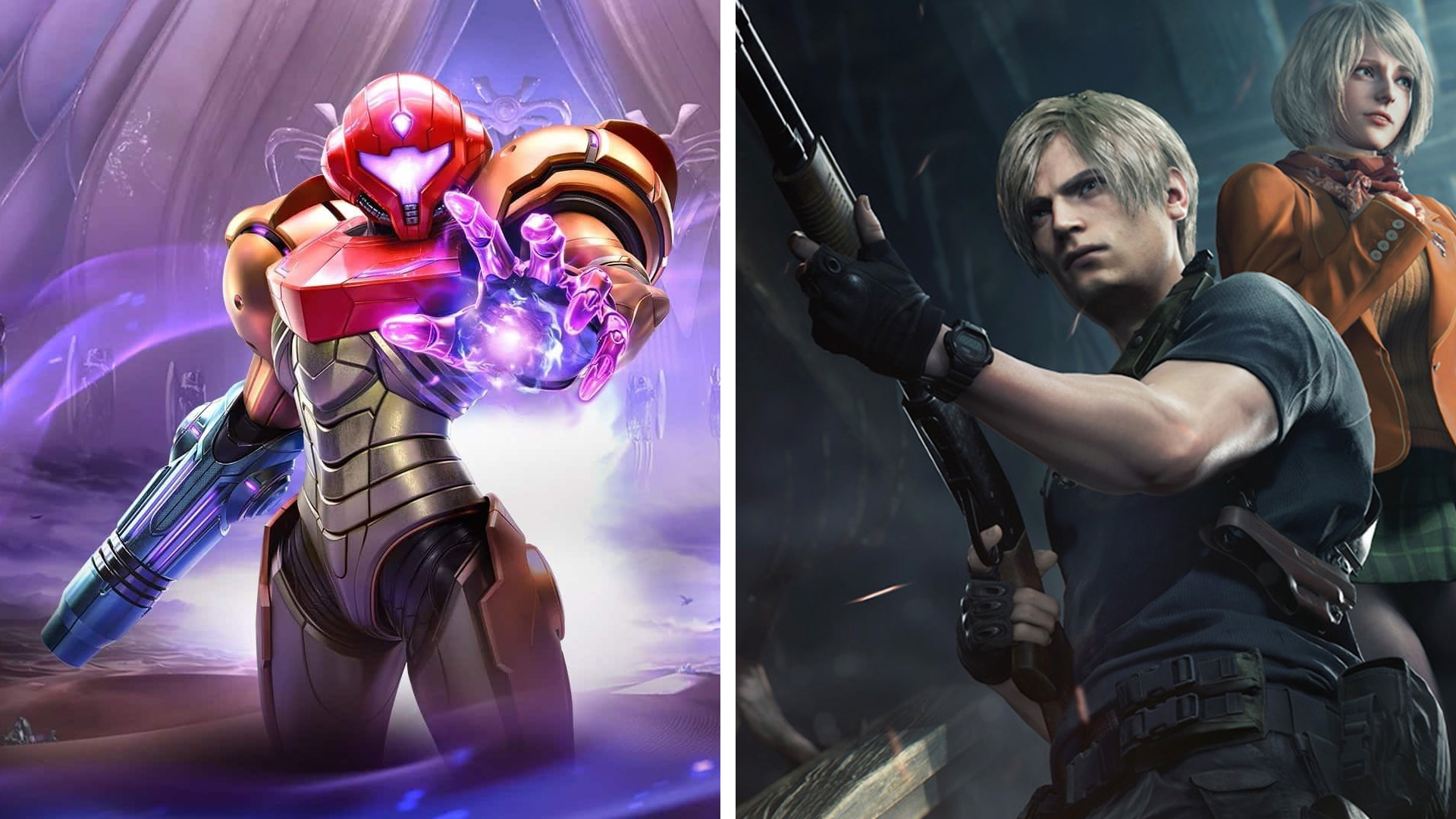
A parallel methodology could offer a viable path forward for Nintendo and the Metroid Prime property. Rather than allowing the foundational trilogy to remain isolated on aging hardware or relying solely on straightforward texture upscales, Nintendo could leverage the advanced engine architecture developed for Metroid Prime 4: Beyond to construct a comprehensive Metroid Prime Trilogy Remake.
While 2023’s Metroid Prime Remastered provided players with enhanced geometry, high-resolution textures, and modern dual-stick control configurations for the original GameCube title, it remained fundamentally tethered to the underlying code of 2002. A true ground-up remake utilizing a contemporary game engine would afford Retro Studios or an associated internal division the opportunity to render iconic environments—such as the bio-dome research facilities of the Frigate Orpheon and the sprawling, ruined ecosystems of Tallon IV—with unprecedented graphical fidelity and immersive lighting.
Drawing further inspiration from Capcom’s production pipeline, a reimagined trilogy could introduce subtle narrative reframing and structural expansions. Industry observers have noted that integrating narrative connective tissue between 2004’s Metroid Prime spin-offs and the broader series lore could enrich the overarching timeline. For instance, a cohesive remake project could theoretically incorporate prologue sequences bridging the events of Metroid: Zero Mission directly into the boarding of the Space Pirate vessel that initiates the first Prime title, establishing a continuous narrative arc for newcomers and veterans alike.
Addressing the Omission of Competitive and Cooperative Modes

Beyond single-player campaign enhancements, a modern multi-game collection could rectify a notable omission from recent franchise entries: the absence of robust multiplayer functionality. Metroid Prime 2: Echoes introduced a split-screen and LAN multiplayer suite featuring Deathmatch and Bounty Modes across a variety of distinct arenas. These modes offered a fast-paced, mechanically unique interpretation of the series’ first-person combat, utilizing morph ball mechanics, localized power-ups, and vertical arena layouts.
The complete absence of multiplayer features in Metroid Prime 4: Beyond was widely noted by the community as a missed opportunity, particularly given the evolution of online networking infrastructure and communication capabilities on modern hardware. A comprehensive remake initiative could reintroduce and expand upon these foundational multiplayer offerings, providing dedicated online matchmaking, cross-platform compatibility where applicable, and custom map creation tools. Furthermore, the implementation of cooperative campaign modes or wave-based survival scenarios—featuring iconic adversaries from the Space Pirate hierarchy and Phazon-corrupted fauna—would significantly extend the replay value of the package.
Market Implications and Strategic Risks for Nintendo
As the video game industry navigates an era marked by corporate restructuring, studio closures, and an increasing reliance on safe, high-yield franchise investments, major publishers face heightened pressure to maximize the return on their intellectual properties. Microsoft’s recent strategic realignments and Sony’s selective curation of major first-party projects underscore an industry-wide trend toward risk mitigation. In this environment, historical franchises that experience critical or commercial setbacks risk being relegated to prolonged dormancy.

For Nintendo, the Metroid series has historically occupied a prestigious tier of critical acclaim, even if its sales figures occasionally trail behind commercial flagships like Super Mario, The Legend of Zelda, and Pokémon. The prolonged development cycles required for modern AAA titles mean that misfires carry substantial financial and temporal opportunity costs. Leaving a foundational pillar like Metroid in an uncertain state risks alienating a dedicated demographic that waited nearly two decades for the continuation of the Prime storyline.
While 2021’s critically acclaimed Metroid Dread demonstrated that the 2D side-scrolling lineage remains robust and creatively vibrant under the stewardship of MercurySteam, the first-person Prime sub-series represents a distinct pillar of the brand identity. Ensuring the long-term health of the IP requires both forward-looking innovation and a careful preservation of the elements that originally established its reputation.
Conclusion and Future Outlook
The strategic calculus facing Nintendo regarding Samus Aran’s digital future involves balancing ambitious new developments with respectful stewardship of past achievements. While standalone ports via subscription services offer marginal engagement, they do not address the technological gulf separating early-2000s game design from contemporary expectations.

By evaluating the revitalization strategies employed by industry peers, Nintendo possesses a clear blueprint for rehabilitating classic experiences for modern audiences. Whether through expanded digital availability of legacy titles, thoughtfully executed remasters, or ambitious, engine-level remakes of the core trilogy, decisive action is required to ensure that the Metroid Prime universe avoids prolonged obscurity. Without a concerted effort to recalibrate the franchise’s trajectory, the adventures of Samus Aran risk becoming increasingly disconnected from the evolving expectations of the modern interactive entertainment landscape.