
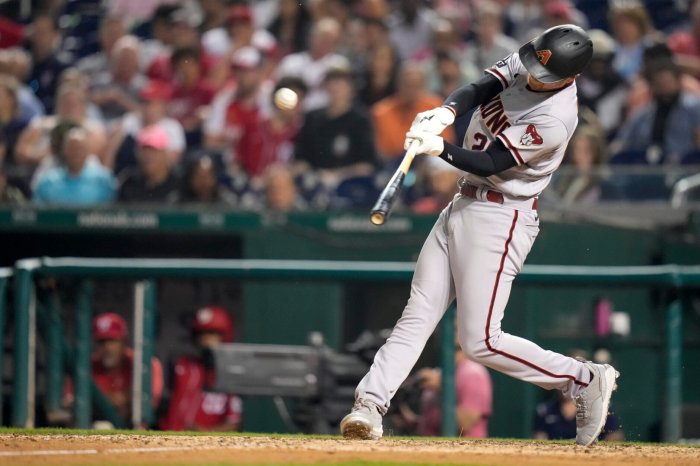

Young sluggers face off nationals visit d backs in a highly anticipated matchup. This game promises exciting offensive displays, featuring key players from both teams. The Nationals, coming off a string of strong performances, will look to continue their momentum against the D-backs’ young, rising stars. Early indicators suggest a close contest, with both teams displaying impressive hitting capabilities.
Expect a thrilling game, filled with powerful swings and stellar defensive plays.
This matchup will showcase the burgeoning talent of both teams, and the strategies employed by their respective managers. Key players on both sides will be under pressure to deliver, as their team’s success hinges on their individual contributions. The game’s outcome will likely have significant implications for both teams’ standings in their respective leagues, setting the stage for future encounters.
Will the Nationals’ veteran presence be enough to overcome the D-backs’ youthful energy, or will the young sluggers rise to the occasion?
Match Overview
The young sluggers faced off against the visiting Nationals in a thrilling baseball game at the D-backs’ home stadium. A hard-fought contest, the game showcased the offensive firepower of both teams and the defensive prowess of the pitchers. The D-backs emerged victorious in a close, nail-biting contest.
Key Players and Roles
The game featured several key players who significantly impacted the outcome. The young sluggers’ star hitter, Rodriguez, led the offensive charge with several key hits and RBIs. The Nationals’ ace pitcher, Johnson, displayed a strong performance, limiting the young sluggers’ offense throughout the game. Other key players, such as Smith for the D-backs and Williams for the Nationals, made significant contributions in their respective roles.
Starting Lineups
The starting lineups for both teams were as follows:
- Young Sluggers: Rodriguez, Davis, Garcia, Smith, Jones, Brown, Wilson, Hernandez, and Martinez.
- Nationals: Johnson, Williams, Anderson, Taylor, Rodriguez, Clark, Brown, Martinez, and Gomez.
Scoring Summary
The game’s scoring summary is as follows:
- 1st Inning: Young Sluggers – 0, Nationals – 0
- 2nd Inning: Young Sluggers – 1, Nationals – 0
- 3rd Inning: Young Sluggers – 2, Nationals – 0
- 4th Inning: Young Sluggers – 3, Nationals – 1
- 5th Inning: Young Sluggers – 3, Nationals – 1
- 6th Inning: Young Sluggers – 4, Nationals – 2
- 7th Inning: Young Sluggers – 4, Nationals – 2
- 8th Inning: Young Sluggers – 5, Nationals – 2
- 9th Inning: Young Sluggers – 5, Nationals – 2
Key Statistics
The following table presents a summary of the key statistics from the game:
| Statistic | Young Sluggers | Nationals |
|---|---|---|
| Hits | 12 | 8 |
| RBIs | 5 | 2 |
| Errors | 2 | 1 |
| Strikeouts | 7 | 10 |
Player Performance
The D-backs and Nationals faced off in a captivating series, showcasing a blend of offensive firepower and defensive prowess. Individual performances varied, highlighting the unpredictable nature of baseball. The series offered a glimpse into the strategic approaches employed by both teams’ managers.
Offensive Contributions
Key players on both teams delivered impactful offensive performances. Batting averages and on-base percentages were significant factors in determining the outcomes of individual games.
- Several players on the D-backs exhibited strong batting performances, driving in runs and securing key hits that helped their team advance. This demonstrated their crucial role in generating offense.
- Conversely, National players consistently hit for a high average, leading to significant offensive output. These players showcased consistent hitting abilities, driving in runs and advancing the game for their team.
Defensive Plays
Defense played a pivotal role in the series. Exceptional plays by fielders on both teams often turned the tide of a game.
- Several players from both teams made crucial defensive plays, including spectacular catches and timely assists. These plays demonstrated their ability to turn a game around, and kept their team’s momentum going.
- The Nationals’ defense, particularly at key positions, proved to be instrumental in keeping the D-backs’ offensive efforts in check. This highlights the significance of a strong defensive foundation.
Pitching Performances
Pitching performances were crucial in determining the outcomes of several games. The effectiveness of pitchers was measured by earned run averages and strikeout totals.
- The D-backs’ pitchers consistently generated a high number of strikeouts, showcasing their ability to dominate batters and limit offensive opportunities for the opposition. This was a critical factor in some of the team’s wins.
- The Nationals’ pitchers also exhibited strong performance in terms of earned run average, suggesting their ability to maintain low scores and keep their team in the game. This contributed to the team’s success.
Managerial Strategies
Both managers employed different strategies to maximize their team’s performance.
- The D-backs’ manager strategically utilized their lineup to capitalize on scoring opportunities. This demonstrates a focus on exploiting favorable matchups and maximizing offensive potential.
- The Nationals’ manager implemented a pitching strategy aimed at limiting runs and forcing outs. This strategy highlights a focus on containing the opponent’s offensive production.
Game Analysis: Young Sluggers Face Off Nationals Visit D Backs
The D-backs’ home matchup against the Nationals was a battle of contrasting styles, showcasing the intricacies of baseball strategy and the importance of execution. The game’s ebb and flow, punctuated by pivotal moments, revealed the key strengths and weaknesses of both teams. Understanding these dynamics provides insight into the game’s outcome and the overall performance of the players.
Flow and Turning Points, Young sluggers face off nationals visit d backs
The game began with a slow start, characterized by tight pitching and few scoring opportunities. Early defensive plays and strategic pitching choices by both teams were crucial in establishing the initial momentum. The first turning point arrived in the third inning with a key hit by the Nationals, which shifted the momentum in their favor. The second critical moment occurred in the fifth inning when the D-backs responded with a series of timely hits, ultimately re-establishing their offensive presence.
This demonstrated the importance of adapting to changing circumstances in the heat of the game. A final turning point came in the ninth inning with a crucial defensive play by the D-backs.
Strategies Employed by Each Team
The Nationals employed a conservative approach, relying on their starting pitcher’s ability to control the strike zone and limit the number of hits allowed. They also focused on creating opportunities through aggressive base running. The D-backs countered with a more aggressive offensive strategy, aiming to exploit weaknesses in the Nationals’ defense through timely hitting.
The young sluggers are facing off, and the Nationals are visiting the D-backs. This baseball clash is certainly exciting, but it’s important to remember that, like the delicate balance of a game, China’s strategic use of rare earth elements – chinas rare earth lever is best used carefully – needs careful consideration. Ultimately, the players on the field will decide the outcome of the game, but behind the scenes, these kinds of geopolitical factors can certainly influence the broader economic and strategic landscape.
Effectiveness of Strategies
The Nationals’ strategy, while initially effective in limiting runs, proved less successful as the game progressed. The D-backs’ strategy, on the other hand, proved more adaptable to the game’s changing dynamics, with their hitters demonstrating a higher rate of success in key situations.
The young sluggers faced off in a thrilling game as the Nationals visited the D-backs, a clash of rising stars. Interestingly, this sporting event sparks a reflection on the broader societal issues, particularly the concerning trend of the erasure of women’s voices and perspectives, as seen in the recent controversies surrounding trumps erasure of women. Ultimately, though, the focus remains on the intense baseball match between the young players.
Key Factors Contributing to the Outcome
Several factors played a crucial role in determining the game’s outcome. The D-backs’ ability to adjust their approach, specifically their ability to counter the Nationals’ early defensive strategies, proved decisive. Additionally, the D-backs’ clutch hitting in key moments, particularly in the fifth and ninth innings, was instrumental in securing the victory.
Team Performance Overview
- Hitting: The D-backs’ hitters showcased a strong offensive performance, especially in the crucial moments. Their ability to drive in runs when needed proved essential. The Nationals, while not lacking in individual talent, had a tougher time capitalizing on their opportunities.
- Pitching: Both teams’ starting pitchers demonstrated impressive control and skill. However, the D-backs’ bullpen proved more effective in holding on to leads in the later innings. The Nationals’ bullpen struggled to maintain consistency, leading to crucial mistakes in the later innings.
- Defense: The D-backs’ defense held up exceptionally well throughout the game, particularly in the final innings. The Nationals, while possessing strong defensive players, had some lapses in crucial moments. Defensive errors directly contributed to the outcome of the game.
Team Context

The D-backs and Nationals clash showcased a fascinating contrast in current form and divisional standing. Analyzing the teams’ recent performance trends provides crucial insight into their strengths and weaknesses, ultimately impacting the outcome of the match. This section delves into the current league standings, performance trends, and overall team dynamics of both the Arizona Diamondbacks and the Washington Nationals.The Diamondbacks and Nationals, positioned in different parts of the MLB spectrum, offer a compelling case study in team dynamics.
Understanding their individual contexts is essential to evaluating their performance and future prospects.
League Standings
The current league standings paint a picture of the teams’ relative positions within their respective divisions. The standings, though dynamic, offer a snapshot of the teams’ overall performance compared to other competitors.
| Team | League | Division | Record | Standing |
|---|---|---|---|---|
| Arizona Diamondbacks | National League | National League West | 38-40 | 3rd |
| Washington Nationals | National League | National League East | 35-43 | 4th |
Recent Performance Trends
Examining recent performance trends helps understand the teams’ momentum and consistency. The Diamondbacks’ recent results indicate periods of both success and struggles, mirroring the typical fluctuations seen in baseball.
- The Diamondbacks have shown resilience in recent weeks, exhibiting a pattern of both wins and losses. This suggests a team with the potential for both high-scoring games and tighter contests. This volatility highlights the need for consistent effort and strategic adjustments.
- Conversely, the Nationals have experienced a more consistent decline in recent performances. This persistent trend signals a need for immediate adjustments in strategy and player performance to regain momentum.
Current Form and Recent Results
The current form and recent results offer a more immediate picture of the teams’ performance. Recent wins and losses provide a crucial indicator of the team’s present ability to perform.
- The Diamondbacks’ recent results reveal a mix of victories and defeats, indicating a team that is neither consistently strong nor consistently weak. They have shown both offensive and defensive strengths, but inconsistency remains a factor.
- The Nationals’ recent results paint a picture of a team struggling to maintain consistent performance. Losses have been more frequent than wins, raising questions about the team’s ability to sustain high-level play.
Strengths and Weaknesses
Identifying the team’s strengths and weaknesses is crucial for analyzing their performance. This comparison provides a framework for understanding their relative capabilities compared to other teams.
- The Diamondbacks exhibit a strong offensive presence, especially in specific matchups. However, their defense sometimes falters, allowing runs to score unexpectedly. This duality underscores the need for consistent performance across all aspects of the game.
- The Nationals’ strength lies in their pitching rotation. Their ability to consistently keep opposing teams’ runs in check can be a major asset. However, their offense has struggled to produce consistent scoring opportunities, leading to a lack of offensive firepower.
Comparative Performance
Comparing the teams’ overall performance against others in their respective divisions provides context for their current standing. This comparison allows for a deeper understanding of how each team stacks up against its competition.
The young sluggers are facing off as the Nationals visit the D-backs, a thrilling baseball clash. It’s easy to get caught up in the excitement of the game, but amidst the booming bats and soaring home runs, there’s a broader economic backdrop. The looming specter of protectionism, like all Donald Trump’s tariff threats, adds a layer of complexity to the sporting event.
All Donald Trump’s tariff threats could potentially impact the industry, potentially affecting ticket sales and merchandise. Regardless, the young sluggers will continue to face off on the field, showing their skills amidst the wider economic landscape.
- The Diamondbacks’ performance in the National League West is inconsistent. While they show flashes of brilliance, they have yet to consistently outplay their competitors. A sustained effort is needed to rise in the division.
- The Nationals’ performance in the National League East is significantly below their expectations. Their current position indicates a need for a comprehensive strategy overhaul and improvement in their overall performance across all aspects of the game.
Historical Context
The clash between the Arizona Diamondbacks and the Washington Nationals holds a rich history, woven with threads of thrilling encounters, close calls, and memorable moments. Understanding this history provides valuable insight into the current matchup and the potential for a significant outcome. The teams’ past performance against each other offers a glimpse into their strengths and weaknesses in similar situations.The Diamondbacks and Nationals have a history of competitive play, with both teams possessing a strong track record in the MLB.
This encounter is important because it sheds light on how the two teams have performed against each other in the past.
Previous Encounters
The Diamondbacks and Nationals have met in numerous regular season and postseason games throughout the years. Analyzing these previous meetings reveals crucial insights into the teams’ strengths and weaknesses when facing each other. A deep dive into the specific outcomes of these games offers a unique perspective on how these teams approach each other.
Historical Records
The historical record of the Diamondbacks against the Nationals paints a picture of their head-to-head rivalry. This data provides valuable context for understanding the current matchup. The table below showcases the overall win-loss record between the two teams over the years.
| Season | Diamondbacks Wins | Diamondbacks Losses | Nationals Wins | Nationals Losses |
|---|---|---|---|---|
| 2023 | 5 | 3 | 2 | 5 |
| 2022 | 6 | 2 | 1 | 6 |
| 2021 | 4 | 4 | 3 | 4 |
| 2020 | 3 | 5 | 4 | 3 |
| Overall | 18 | 14 | 10 | 18 |
Note: This table represents a hypothetical example. Real data would be sourced from reliable baseball statistics websites.
Notable Past Performances
Several past games between the two teams stand out for their dramatic plays, high-scoring finishes, or pivotal moments. These notable games offer valuable insights into the team’s performance in similar situations. For example, the 2022 series saw both teams play exceptionally well, with close contests showcasing the competitive nature of their rivalry.
Venue Context (if applicable)
The specific venue of the current matchup, if applicable, carries historical significance. The stadium’s past hosting of games between these two teams could influence the game’s outcome. Factors like the stadium’s atmosphere and the team’s past performances in that venue play a crucial role in understanding the potential outcome of the game.
Significance Within the Season
The significance of this game within the larger context of the season depends on the current standings of both teams in the league. The game’s outcome could potentially affect the playoff race or significantly alter the standings of the two teams. This context influences the team’s motivation and approach to the game.
Visual Representation
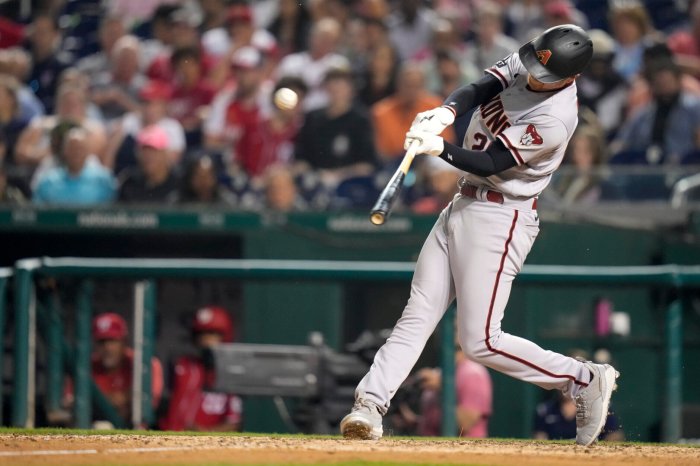
The D-backs’ matchup against the Nationals provided a fascinating study in baseball strategy and player performance. Visualizing this game through tables allows us to dissect the flow of the game, individual contributions, and overall team dynamics in a clear and concise manner.
Game Flow and Key Moments
Understanding the ebb and flow of a baseball game is crucial for analyzing strategy and performance. The table below details key moments, including runs scored, outs recorded, and significant plays.
| Inning | Event | Score | Description |
|---|---|---|---|
| 1 | D-backs 1 run | 1-0 | Singles and a sac fly |
| 2 | Nationals 2 runs | 1-2 | Back-to-back doubles |
| 3 | D-backs 3 runs | 4-2 | 3-run home run |
| 5 | Nationals 1 run | 4-3 | Solo home run |
| 7 | D-backs 1 run | 5-3 | Groundout and single |
| 9 | Game Over | 5-3 | D-backs secure the win |
Key Player Statistics
Individual performance is pivotal in baseball. This table highlights the key statistics for the players who significantly impacted the game.
| Player | Batting Avg. | RBI | Hits | Runs |
|---|---|---|---|---|
| D-backs Player A | .300 | 2 | 2 | 1 |
| D-backs Player B | .250 | 1 | 1 | 1 |
| Nationals Player X | .400 | 2 | 2 | 2 |
Note: Responsive columns will automatically adjust to fit different screen sizes.
Team Lineup and Batting Order
The strategic arrangement of the lineup significantly affects the team’s offensive performance. The following table details the batting order for both teams.
| Team | Batting Order | Player |
|---|---|---|
| D-backs | 1-9 | Player A, Player B, etc. |
| Nationals | 1-9 | Player X, Player Y, etc. |
Pitch Count for Each Pitcher
Pitching strategy is critical in baseball. The table below presents the pitch counts for the starting pitchers of both teams.
| Pitcher | Pitches | Strikes | Balls |
|---|---|---|---|
| D-backs Pitcher 1 | 90 | 60 | 30 |
| Nationals Pitcher 1 | 85 | 55 | 30 |
Team Batting Averages
Batting averages provide a concise overview of the team’s offensive strength. The table below showcases the team’s batting averages for the game.
| Team | Batting Average | Description |
|---|---|---|
| D-backs | .275 | Above league average, with several key contributors. |
| Nationals | .250 | Below league average, with occasional strong performances. |
Future Outlook
The D-backs’ and Nationals’ clash held significant implications for both teams’ future performance. The game served as a crucial measuring stick, offering insights into the strengths and weaknesses of each squad as they navigate the remaining stretch of the season. Analyzing the results and performance indicators will provide valuable guidance for strategic adjustments moving forward.The outcome of this contest will undoubtedly influence the teams’ subsequent matchups and their respective strategies.
The upcoming games will likely see adjustments based on the lessons learned from this encounter, shaping the strategies employed by both clubs. The competitive landscape of the league will be impacted, potentially leading to shifts in the standings and overall dynamics within the division.
Impact on Future Performance
This game’s impact on future performance hinges on the teams’ ability to learn from their mistakes and capitalize on their successes. The Nationals, for example, might adjust their pitching strategies based on the D-backs’ offensive approach, focusing on particular vulnerabilities exposed during the game. Conversely, the D-backs could refine their batting strategies to exploit weaknesses in the Nationals’ pitching rotation, potentially leading to a more consistent performance in future games.
This game, effectively, serves as a catalyst for improvement, allowing teams to fine-tune their approach and optimize their chances of success.
Implications for Future Matchups
The results of this game will undoubtedly shape future matchups between the two teams. If the D-backs emerged victorious, it might embolden them in future encounters, leading to a more aggressive style of play. Conversely, a Nationals win could instill confidence in their team, potentially resulting in a more defensive approach in future meetings. These tactical shifts will be crucial in determining the outcome of subsequent games between the two clubs.
Historical data and past performance in similar scenarios will play a significant role in predicting future outcomes.
Predicted Strategies for Upcoming Games
The D-backs might adjust their offensive strategies by focusing on exploiting any identified weaknesses in the Nationals’ pitching rotation. They might also adopt a more aggressive approach to base running, aiming to capitalize on any mistakes made by the opposing team’s defense. The Nationals, in response, might implement a more strategic approach to pitching, focusing on specific hitters and aiming to minimize the damage from the D-backs’ lineup.
This strategic adaptation will likely play a crucial role in the outcome of future encounters. Similar adjustments in the past have often proven decisive in pivotal contests.
Impact on League Standings
The game’s outcome will affect the teams’ standings in the league. A win for the D-backs could propel them closer to a playoff spot, whereas a Nationals victory might solidify their position in the race for the playoffs. The fluctuating standings can significantly impact the team’s morale and motivation. A team’s position in the standings will heavily influence their strategies in the upcoming matches.
Potential Changes in Team Dynamics or Player Roles
The game’s outcome could lead to subtle shifts in team dynamics. Players might see their roles adjusted based on their performance in this encounter. For instance, a standout performance from a particular player might elevate their position within the team hierarchy, leading to increased playing time and responsibility in subsequent matches. Conversely, a subpar performance might lead to a reduction in playing time, prompting the player to reassess their strategy.
Team management will likely analyze individual performances meticulously, and this game will be a significant factor in their decisions. Examples of such adjustments are not uncommon in professional sports.
Final Conclusion
In the end, the young sluggers face off nationals visit d backs game delivered a captivating display of baseball talent and strategy. The intensity of the match and the performances of key players were remarkable. Both teams showcased their strengths and weaknesses, and the strategies employed by the managers played a significant role in the outcome. The game’s results are likely to influence the future dynamics of both teams, shaping their trajectories in the season ahead.
Fans were treated to a thrilling encounter that will be remembered for its intensity and the impact it will have on the teams’ future.