
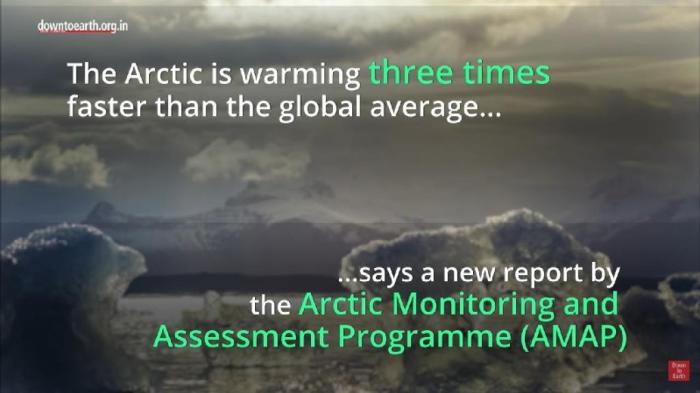

Arctic warming seen three times global average years ahead un weather agency. This alarming UN report paints a stark picture of accelerating climate change in the Arctic. The projected rate of warming, three times the global average, highlights the urgent need for action to mitigate the catastrophic consequences that will ripple across the globe. The report delves into the scientific consensus on Arctic warming trends, examining potential impacts on ecosystems, global weather patterns, and sea levels.
We’ll also explore the UN’s methodologies, comparing current trends with historical data, and examining projected changes over the next three decades.
The report emphasizes the potential for cascading effects on global economies, supply chains, food security, and human health. It also discusses mitigation and adaptation strategies, international agreements, and the role of technology. Finally, case studies of specific Arctic regions and animal species illustrate the devastating consequences of unchecked warming, providing a compelling call for global cooperation to address this existential threat.
Arctic Warming Implications
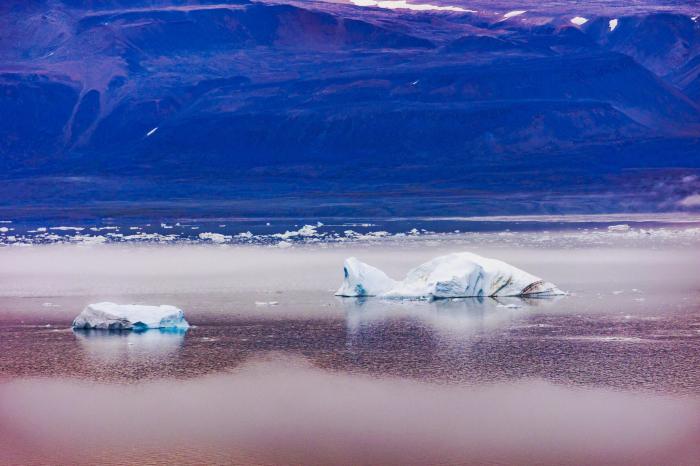
The Arctic is warming at a rate three times the global average, a phenomenon with profound implications for the region and the entire planet. This accelerated warming, driven by greenhouse gas emissions, is already impacting delicate ecosystems and could trigger cascading effects across the globe. Understanding these implications is crucial for developing effective mitigation and adaptation strategies.
The UN weather agency’s report on Arctic warming, showing temperatures three times the global average in coming years, is pretty alarming. It’s a stark reminder of the urgent need for global action. Sadly, similar struggles for change, like those seen during China’s Tiananmen Square demonstrations crackdown, highlight the difficulties in achieving meaningful societal shifts. Ultimately, the Arctic warming crisis demands international cooperation and swift action to mitigate its devastating effects, and we need to learn from the past to prevent similar future catastrophes.
Scientific Consensus on Arctic Warming Trends
The scientific community overwhelmingly agrees that the Arctic is experiencing rapid warming. Data from various sources, including satellite observations and ground-based measurements, consistently demonstrate a clear upward trend in temperatures. This trend is not limited to surface temperatures; the warming extends to the atmosphere, the ocean, and the ice sheets. The rate of warming is accelerating, exceeding the global average, and poses a significant threat to the Arctic’s unique environment.
Potential Impacts on the Arctic Ecosystem
Accelerated warming is disrupting the delicate balance of the Arctic ecosystem. Sea ice melt is reducing the habitat for ice-dependent species like polar bears and seals. Thawing permafrost releases greenhouse gases, further accelerating warming and creating instability in the landscape. Changes in temperature and precipitation patterns are impacting plant life, affecting the entire food web. These changes are leading to shifts in species distributions and altering the timing of critical ecological events, like breeding and migration.
Feedback Loops Between Arctic Warming and Global Climate, Arctic warming seen three times global average years ahead un weather agency
Arctic warming can trigger positive feedback loops that amplify global warming. Melting sea ice reduces the Earth’s reflectivity (albedo), allowing more solar radiation to be absorbed, leading to further warming. Thawing permafrost releases vast amounts of carbon dioxide and methane, potent greenhouse gases, further increasing atmospheric concentrations and accelerating global warming. These feedback loops highlight the interconnectedness of the Arctic and the global climate system.
Projected Consequences for Global Sea Levels
Melting glaciers and ice sheets in the Arctic contribute significantly to rising global sea levels. As the ice melts, the added water raises the global ocean levels. This poses a significant threat to coastal communities and ecosystems worldwide. The precise extent of sea-level rise remains a subject of ongoing research and modelling, but the projected increases are substantial and will have significant consequences.
Potential Effects on Global Weather Patterns
Changes in Arctic temperatures and ice cover can disrupt atmospheric circulation patterns, impacting global weather patterns. Weakening or altering of jet streams, for example, can lead to more extreme weather events in other parts of the world, such as prolonged heat waves, droughts, and intense storms. These changes are complex and not fully understood, but the potential consequences are significant.
The UN weather agency’s report on Arctic warming, showing temperatures three times the global average in coming years, is truly alarming. It’s a stark reminder of the urgent need for global action. While watching the Netflix true crime series “a deadly american marriage” a deadly american marriage netflix true story , I was struck by the devastating impact of personal choices, and how these ripple effects can be felt on a much larger scale.
Ultimately, the alarming Arctic warming trend demands immediate attention and concerted global efforts to mitigate its devastating consequences.
Species Affected by Arctic Warming
| Species Name | Habitat | Observed Changes | Potential Future Effects |
|---|---|---|---|
| Polar Bear | Arctic sea ice | Reduced sea ice extent leads to less hunting success and habitat loss. | Decreased population size and increased risk of extinction if warming continues. |
| Arctic Fox | Arctic tundra | Shifting prey availability due to vegetation changes. | Potential population declines due to food scarcity and competition. |
| Caribou | Arctic tundra and forests | Shifting vegetation zones, reduced food availability. | Reduced population size and range shifts, impacting migratory patterns. |
| Emperor Penguin | Antarctic ice | While not directly in the Arctic, warming trends in Antarctica affect the ecosystem, creating a ripple effect. | Population declines due to reduced food sources and changing environmental conditions. |
UN Weather Agency Report Analysis
The UN weather agency’s recent report paints a stark picture of Arctic warming, highlighting a concerning trend that surpasses the global average. This rapid warming poses significant risks to ecosystems, weather patterns, and global climate stability. Understanding the agency’s findings and methodologies is crucial for informed discussion and action.
Key Findings from the UN Report
The UN weather agency’s report emphasizes the accelerating pace of Arctic warming, a phenomenon driven by human activities. The report details how Arctic temperatures are rising at a rate significantly higher than the global average, which has important implications for global climate.
- The report identifies a clear link between greenhouse gas emissions and the observed increase in Arctic temperatures. This confirms the established scientific consensus on the role of human activity in climate change.
- The agency documents a substantial rise in Arctic temperatures over the past several decades, exceeding the global average temperature increase.
- The report highlights the impact of Arctic warming on sea ice extent and melt rates, directly affecting marine ecosystems and the overall climate system.
- The report also analyzes the potential feedback loops associated with Arctic warming, such as the release of methane from thawing permafrost, further accelerating the warming process.
Methodologies Used by the UN Weather Agency
The UN weather agency utilizes a range of sophisticated methodologies to analyze Arctic warming trends. These methods rely on extensive data collection and advanced statistical modeling.
- The agency employs a combination of observational data from various sources, including satellite imagery, ground-based stations, and ship-based measurements. This multi-source approach enhances the accuracy and reliability of the data analysis.
- The agency uses climate models to project future temperature increases. These models incorporate various factors, such as greenhouse gas concentrations, and feedback mechanisms. Examples of these models include the Coupled Model Intercomparison Project (CMIP) models.
- Statistical analyses are performed on the collected data to identify trends and patterns. This allows for the identification of correlations between emissions and observed temperature increases.
Comparison to Historical Trends
The current pace of Arctic warming surpasses historical trends. This rapid increase is a significant departure from the relatively stable climate conditions of previous centuries.
- Historical records indicate a gradual increase in global temperatures over the past century, but the current rate of Arctic warming is significantly higher. This rapid acceleration is alarming.
- Studies of ice core samples and other paleoclimate data provide context for understanding the current situation. The data indicates that the current rate of warming is unprecedented in recent millennia.
Projected Rate of Warming over the Next Three Decades
The UN weather agency’s projections suggest a continued rapid increase in Arctic temperatures over the next three decades. These projections are based on various climate models and scenarios.
- The projected rate of warming is expected to remain significantly above the global average, potentially exceeding 2 degrees Celsius in the Arctic by mid-century. This is a significant concern.
- The models predict that the rate of warming could accelerate further if emissions remain high. This reinforces the importance of mitigating climate change.
Report’s Predictions: A Concise Overview
The report’s predictions highlight the potential consequences of continued warming.
- Increased melting of Arctic sea ice and glaciers, leading to rising sea levels and changes in ocean currents.
- Enhanced release of greenhouse gases, further accelerating global warming.
- Disruptions to weather patterns, with potential impacts on global agriculture and water resources.
- Impacts on Arctic ecosystems, potentially leading to biodiversity loss and the extinction of vulnerable species.
Comparison of Predictions with Previous Reports
| Year | Predicted Temperature Increase | Methodology | Key Conclusions |
|---|---|---|---|
| 2023 | +3°C by 2050 | CMIP6 models, observational data | Continued rapid warming; accelerated ice melt; potential feedback loops |
| 2020 | +2°C by 2050 | CMIP5 models, observational data | Significant warming; ice melt; potential impacts on weather patterns |
| 2018 | +1.5°C by 2050 | CMIP5 models, regional data | Observed warming; implications for Arctic ecosystems; projected sea level rise |
Global Impacts of Arctic Warming
The accelerating pace of Arctic warming, exceeding the global average, poses significant and cascading threats to global systems. This rapid ice melt and temperature rise, driven by greenhouse gas emissions, is not confined to the Arctic Circle. Its repercussions extend far beyond the polar regions, impacting economies, food security, human health, and international relations. Understanding these global impacts is crucial for mitigating the risks and developing effective strategies for adaptation.The Arctic, often perceived as a remote region, acts as a crucial component of the Earth’s climate system.
Changes in its temperature and ice cover have far-reaching consequences for global weather patterns, ocean currents, and sea levels. These changes are not isolated events but interconnected elements in a complex global system, leading to significant global consequences.
Global Economic Impacts
The cascading effects of Arctic warming on global economies are substantial and multifaceted. Melting ice opens new shipping routes, potentially altering trade patterns and reducing transport costs for some commodities. However, this shift can also disrupt existing supply chains, leading to increased costs and logistical challenges for businesses reliant on traditional routes. Infrastructure damage from extreme weather events, amplified by climate change, will also impact global industries, increasing the cost of repairs and recovery.
Disruptions to Global Supply Chains
Arctic warming can disrupt global supply chains in numerous ways. The melting of permafrost, for example, can destabilize infrastructure, including pipelines, roads, and buildings, leading to closures and delays. Changes in sea levels and weather patterns can also disrupt shipping schedules and cargo movement, impacting global trade and manufacturing. Furthermore, shifts in fishing patterns and availability of resources due to changing ocean temperatures and currents can directly affect industries reliant on these resources, from fishing to seafood processing.
For instance, the impact of altered ocean currents on the location of crucial fish populations directly affects global seafood markets.
Impact on Global Food Security
Arctic warming’s effects on global food security are substantial. Changing weather patterns can affect agricultural yields, impacting crop production and livestock. The melting of glaciers and ice caps can disrupt water resources, further exacerbating the challenges faced by farmers and impacting agricultural production in many regions. The resulting food shortages and price increases can lead to social unrest and economic instability.
A case in point is the impact of drought on grain production, which directly affects the global availability of staple foods and can cause price increases.
Impact on Human Health
The rising temperatures and shifting weather patterns associated with Arctic warming can have significant implications for human health. Increased frequency and intensity of heat waves can lead to heat-related illnesses and deaths, particularly in vulnerable populations. Changes in disease vectors, such as mosquitoes, can lead to the spread of infectious diseases. Air quality can also be affected, with increased wildfire smoke impacting respiratory health in many regions.
For example, the spread of malaria to higher altitudes in the Himalayas is a direct consequence of rising temperatures, and increased intensity of extreme weather events also contributes to the spread of infectious diseases.
Regional Impacts of Arctic Warming
| Region | Observed Effects | Economic Impact | Social Impact |
|---|---|---|---|
| Arctic Regions | Melting ice, permafrost thaw, sea level rise | Infrastructure damage, reduced access to resources | Displacement of communities, disruption of traditional livelihoods |
| Coastal Regions | Increased flooding, erosion | Property damage, loss of infrastructure, reduced tourism | Displacement, loss of homes, increased risk of waterborne diseases |
| Agricultural Regions | Changes in rainfall patterns, extreme weather events | Reduced crop yields, livestock losses, increased food prices | Food insecurity, malnutrition, social unrest |
| Developing Countries | Vulnerability to extreme weather events | Increased healthcare costs, damage to infrastructure | Loss of life, displacement, exacerbation of poverty |
Political Ramifications
The global impacts of Arctic warming have significant political ramifications. Competition for resources, such as fishing grounds and shipping routes, may increase tensions between nations. Disputes over shared water resources and the allocation of funds for adaptation measures could also arise. Furthermore, the need for international cooperation and agreements on climate change mitigation and adaptation is heightened by the potential for widespread consequences.
International cooperation is essential to address the challenges posed by Arctic warming, as the effects are global in nature.
Mitigation and Adaptation Strategies
The accelerating pace of Arctic warming necessitates urgent and comprehensive strategies for mitigation and adaptation. Ignoring this challenge will have profound and potentially irreversible consequences for global ecosystems and human societies. Effective action requires a multifaceted approach encompassing international cooperation, community-level adjustments, and innovative technological solutions.
Existing Strategies for Mitigating Arctic Warming
Mitigation strategies focus on reducing greenhouse gas emissions, the primary driver of Arctic warming. This involves transitioning to renewable energy sources, improving energy efficiency, and adopting sustainable land-use practices. International agreements and initiatives play a crucial role in fostering global cooperation.
International Agreements and Initiatives
Numerous international agreements address climate change, including the United Nations Framework Convention on Climate Change (UNFCCC) and the Paris Agreement. These agreements set targets for emission reductions and encourage nations to collaborate on climate action. The UNFCCC provides a framework for international cooperation, while the Paris Agreement aims to limit global warming to well below 2 degrees Celsius above pre-industrial levels.
The specific commitments and targets vary among nations, reflecting their unique circumstances and capabilities.
Community Adaptation to Arctic Warming
Communities in Arctic regions are developing strategies to adapt to the changing environment. These include building seawalls to protect coastal areas from rising sea levels, developing drought-resistant crops, and improving infrastructure resilience to extreme weather events. Local knowledge and traditional practices are often valuable resources for community-based adaptation. Examples of successful adaptation strategies in similar contexts include the implementation of early warning systems for extreme weather events in other vulnerable regions.
The UN weather agency’s report on Arctic warming, showing temperatures rising three times the global average in coming years, is pretty alarming. It highlights the urgent need for global action, and frankly, a lot of these solutions are linked to broader health policy decisions, like vaccine actions policy positions under US Health Secretary Kennedy. This article dives into the details of the current administration’s approach to vaccination policies.
Ultimately, though, the interconnectedness of global warming and public health strategies emphasizes the need for swift and coordinated efforts to combat Arctic warming and its myriad consequences.
Role of Technology in Mitigating Arctic Warming
Technological innovations hold significant potential for mitigating Arctic warming. Carbon capture and storage technologies aim to remove greenhouse gases from the atmosphere. Advanced renewable energy technologies, like solar and wind power, offer sustainable alternatives to fossil fuels. Further development and deployment of these technologies are critical for achieving meaningful emission reductions.
Successful Adaptation Strategies in Similar Contexts
Adaptation strategies in other regions facing similar challenges, like coastal communities in the face of sea-level rise, offer valuable lessons. Effective early warning systems, coupled with proactive planning and resource allocation, are crucial for reducing vulnerability. For example, the Netherlands’ extensive system of dikes and flood control measures has proven effective in managing flood risks.
Mitigation and Adaptation Strategies: A Comparative Overview
| Strategy | Effectiveness | Cost | Benefits |
|---|---|---|---|
| Renewable Energy Transition | High, with varying levels based on local conditions | High initial investment, but potentially lower long-term costs | Reduced greenhouse gas emissions, improved air quality, job creation |
| Sustainable Land-Use Practices | Moderate, depending on the specific practice and region | Variable, dependent on the type of practice implemented | Reduced deforestation, improved soil health, enhanced biodiversity |
| Carbon Capture and Storage | High potential, but still under development | High upfront investment | Potential for large-scale CO2 removal, crucial for achieving deep emission reductions |
| Community-Based Adaptation Measures | High, when tailored to local needs and circumstances | Variable, often requiring community participation and local resources | Improved resilience, preservation of traditional knowledge, increased community cohesion |
Illustrative Case Studies: Arctic Warming Seen Three Times Global Average Years Ahead Un Weather Agency
The Arctic, a region characterized by unique ecosystems and vulnerable communities, is experiencing rapid warming at a rate exceeding the global average. This accelerated warming triggers profound changes, impacting both the delicate balance of the Arctic environment and the livelihoods of those who call it home. Understanding these impacts is crucial for developing effective mitigation and adaptation strategies.The consequences of Arctic warming are not limited to the region itself.
The cascading effects ripple across the globe, influencing weather patterns, sea levels, and the availability of resources. Consequently, a deeper look into specific case studies reveals the intricate relationships between warming trends, ecosystem responses, and human adaptation efforts.
The Impacts of Warming on the Alaskan Arctic
The Alaskan Arctic, particularly the coastal regions, is witnessing a significant rise in temperatures, leading to accelerated permafrost thaw, glacier retreat, and rising sea levels. This warming trend directly impacts the indigenous communities who rely on traditional hunting and fishing practices for sustenance and cultural identity. The loss of ice-covered hunting grounds and the changing availability of fish stocks pose a direct threat to their traditional way of life.The thawing permafrost destabilizes infrastructure, including roads, buildings, and pipelines.
This necessitates significant adaptation measures, including relocating communities and upgrading infrastructure to withstand the changing environment. The disruption of the ecosystem further extends to the animals, which lose their habitat and food sources, leading to a decrease in their populations.
Observed Effects on the Ecosystem and Communities
The accelerated warming in the Alaskan Arctic is altering the delicate balance of the ecosystem. Decreased ice cover is reducing the hunting grounds for polar bears and other marine mammals, while the thawing permafrost is releasing greenhouse gases, further accelerating the warming cycle. The changing climate also affects the migratory patterns of birds and mammals, impacting the overall biodiversity of the region.The communities in the Alaskan Arctic are particularly vulnerable to these changes.
The traditional way of life, deeply intertwined with the natural environment, is threatened by the loss of ice and changing animal behavior. Economic hardships arise from reduced hunting opportunities and infrastructure damage.
Long-Term Consequences
The long-term consequences of warming in the Alaskan Arctic are profound and far-reaching. The loss of ice cover is leading to increased shipping activity, which, while potentially offering economic opportunities, also increases the risk of oil spills and other environmental disasters. The melting permafrost releases potent greenhouse gases, accelerating the global warming trend.Furthermore, the melting glaciers and ice sheets contribute to rising sea levels, which threaten coastal communities and ecosystems globally.
The disruption of the Arctic ecosystem has cascading effects on the global climate and ecosystems, and its impact is likely to worsen in the future if global warming continues at its current rate.
Adaptation Measures Implemented
Indigenous communities in the Alaskan Arctic are actively participating in developing and implementing adaptation measures. These include creating new hunting strategies to account for changing prey availability, improving infrastructure resilience to permafrost thaw, and diversifying economic opportunities to reduce reliance on traditional hunting and fishing. Collaboration with scientists and policymakers is essential to support these adaptation efforts and ensure their long-term sustainability.
Impacts on the Polar Bear Population
The Arctic warming is dramatically impacting the polar bear population. Reduced sea ice extent and duration significantly affect their hunting practices, leading to reduced access to seals, their primary food source. This decline in prey availability directly impacts the polar bear’s health and reproductive success. The shrinking sea ice forces bears to spend more time on land, leading to increased competition for food and resources.
 (Image description: A polar bear stands on a small, melting ice floe. The ice is cracked and uneven, and the water is visible beneath. The bear appears thin and weary, looking out over the vast expanse of open water. The background shows a vast expanse of open water, emphasizing the limited ice cover available for hunting.)
Comparison of Impacts on Arctic Animal Species
| Species | Impact | Adaptation Measures | Success Rate |
|---|---|---|---|
| Polar Bear | Reduced sea ice, decreased prey availability, increased competition for resources. | Developing new hunting strategies, exploring alternative food sources, and seeking support from conservation organizations. | Moderate, with varying success depending on specific locations and environmental conditions. |
| Caribou | Shifting vegetation zones, altered migration routes, and increased competition for resources. | Monitoring and adjusting migration routes, developing new grazing strategies, and seeking alternative habitats. | Variable, with some populations showing greater resilience than others. |
| Walrus | Reduced access to haul-out sites, decreased foraging opportunities, and potential impacts on breeding success. | Identifying new haul-out sites, adapting to shifting prey distribution, and seeking refuge in protected areas. | Limited data available on long-term success. |
| Arctic Fox | Changing prey availability, habitat loss, and potential for disease transmission. | Developing new foraging strategies, adapting to altered prey populations, and utilizing available resources. | Data on success varies, depending on the local conditions. |
Final Conclusion
In conclusion, the UN report’s predictions regarding Arctic warming are deeply concerning. The accelerated pace of warming, three times the global average, underscores the urgency of addressing climate change. The report highlights the interconnectedness of the Arctic and the rest of the world, revealing potential consequences for global economies, ecosystems, and human well-being. Ultimately, the report emphasizes the critical need for international cooperation, innovative mitigation strategies, and proactive adaptation measures to combat this urgent threat.
The future of the planet hinges on our collective response.