Flix Orders Trains Worth €2.4 Billion from Talgo and Siemens Mobility
The European rail industry has witnessed a seismic shift with Flix, the global mobility provider, placing a colossal order for 100 high-speed trains worth approximately €2.4 billion. This landmark procurement is divided between two of the sector’s titans: Spanish manufacturer Talgo and German powerhouse Siemens Mobility. The order is set to revolutionize long-distance rail travel across Europe, significantly expanding Flix’s footprint in the rail sector and challenging the dominance of incumbent national operators. This strategic move underscores Flix’s ambition to become a multimodal transport leader, offering seamless travel solutions across buses, trains, and ride-sharing. The financial implications are substantial, representing one of the largest single orders for new passenger trains in recent European history and signaling a strong vote of confidence in the future of rail as a sustainable and efficient mode of transport. The procurement process was rigorous, involving extensive evaluations of technical capabilities, production capacity, and lifecycle costs. Both Talgo and Siemens have a proven track record in delivering high-quality rolling stock, and their combined expertise will be crucial in meeting Flix’s demanding specifications and ambitious deployment timelines. The chosen train platforms are designed for interoperability, a critical factor for operating across diverse European rail networks with varying technical standards and signaling systems. This will enable Flix to establish direct, high-speed routes connecting major cities and regions, bypassing the need for complex train changes and reducing overall journey times. The economic impact of this order extends beyond the manufacturers, creating jobs, fostering innovation in manufacturing technologies, and boosting local economies in Spain and Germany. Furthermore, it serves as a powerful catalyst for increased competition within the European rail market, potentially leading to lower fares and improved services for passengers.
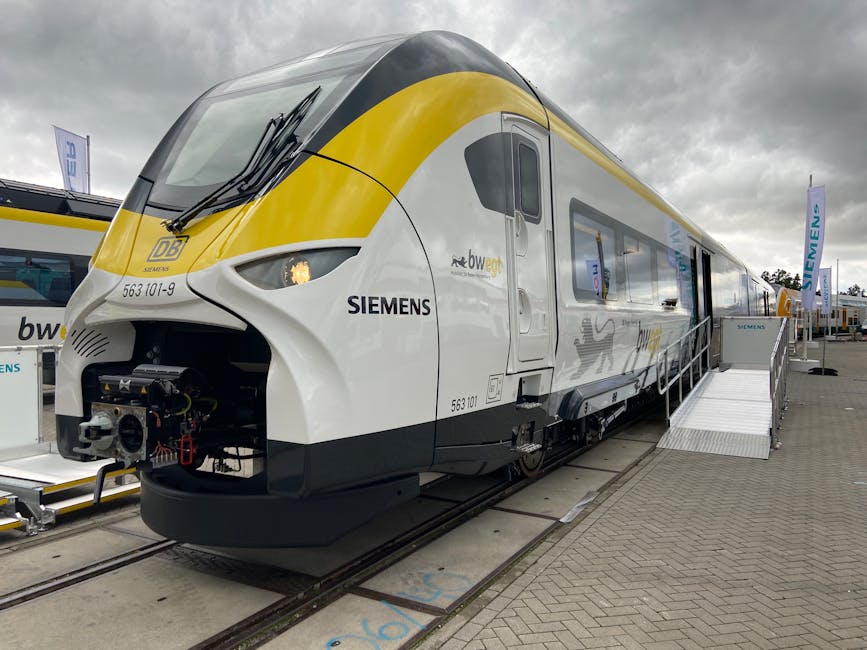
The €2.4 billion order is strategically split to leverage the distinct strengths of Talgo and Siemens Mobility. Talgo is slated to deliver a significant portion of the order, likely focusing on their innovative Avril platform. These trains are renowned for their lightweight construction, energy efficiency, and advanced bogie technology, which allows for higher speeds and greater passenger comfort, particularly on conventional lines that may not be fully upgraded for ultra-high-speed operations. Talgo’s modular design also offers flexibility, enabling Flix to customize configurations to suit specific route demands, such as varying passenger capacities and onboard amenities. The Avril trains are designed to meet stringent European interoperability standards, facilitating their operation across multiple countries without the need for extensive modifications. Siemens Mobility, on the other hand, is expected to contribute with its Velaro platform, a well-established and highly successful high-speed train series that has been a cornerstone of many European high-speed networks, including Germany’s ICE fleet. The Velaro platform is characterized by its robust engineering, high reliability, and advanced traction systems, offering exceptional performance on dedicated high-speed lines. Siemens’ expertise in digital train control systems and onboard diagnostics will also be instrumental in ensuring the operational efficiency and safety of Flix’s new fleet. The collaboration between Talgo and Siemens, while seemingly competitive, also reflects a pragmatic approach to managing a large-scale procurement. By awarding contracts to both, Flix mitigates supply chain risks and ensures a diversified production pipeline. Furthermore, this dual sourcing strategy allows Flix to benefit from potential synergies in maintenance and servicing, potentially leading to cost savings over the operational life of the trains. The specific breakdown of train types and quantities for each manufacturer is expected to be finalized in the coming months, but the overarching goal is to create a versatile and modern fleet capable of meeting the diverse operational needs of Flix’s expanding rail network.
Flix’s decision to invest so heavily in a new rail fleet is a clear indication of its long-term strategy to integrate and expand its multimodal transport offering. For years, FlixBus has been a dominant force in European intercity bus travel, known for its affordable fares and extensive network. The move into rail signifies a deliberate attempt to capture a larger share of the long-distance travel market, a segment that is increasingly attractive due to growing environmental concerns and a desire for more comfortable and efficient travel options. By operating its own high-speed trains, Flix can offer a more seamless and integrated travel experience. Passengers will be able to book a single ticket that encompasses their bus journey to a central station and their onward high-speed train, eliminating the need for multiple bookings and reducing the risk of missed connections. This integrated approach is a key differentiator that Flix believes will appeal to a broad spectrum of travelers, from budget-conscious students to business professionals seeking reliable and efficient transport. The company’s existing expertise in route planning, dynamic pricing, and customer service, honed through its bus operations, will be directly transferable to its rail ventures. This existing infrastructure and operational know-how provide a significant competitive advantage as Flix enters the more complex and regulated rail market. The scale of this train order is also a strong statement about Flix’s confidence in the future of rail travel. Despite challenges such as infrastructure limitations and competition from airlines and car travel, Flix sees significant growth potential in rail, particularly as governments across Europe commit to investing in sustainable transport solutions. The order is a proactive step to secure a modern, high-capacity fleet that will enable Flix to capitalize on this anticipated growth.
The operational implications of this €2.4 billion order are vast. The 100 trains will be deployed across Flix’s existing and planned rail routes throughout Europe. This will involve expanding into new markets and increasing frequencies on existing high-demand corridors. The interoperable nature of the chosen train platforms is paramount. This means that trains can travel across national borders without requiring costly and time-consuming technical modifications or locomotive changes. This is a significant hurdle that has historically limited the seamless operation of private rail operators across Europe. By investing in interoperable rolling stock, Flix is positioning itself to create truly pan-European high-speed rail lines, connecting cities that are currently served by fragmented national rail networks. This will require close collaboration with infrastructure managers and national railway companies in various countries to secure track access and integrate Flix’s services into the existing rail ecosystem. The initial focus is expected to be on routes where Flix already has a strong bus presence, leveraging its existing customer base and brand recognition. However, the long-term vision undoubtedly includes establishing new direct high-speed services between major European hubs, potentially challenging established rail incumbents on their most lucrative routes. The maintenance and servicing of such a large fleet will also be a significant undertaking. Flix will need to establish a robust network of depots and workshops across its operating regions, or forge strategic partnerships with existing maintenance providers. The long-term service agreements with Talgo and Siemens will likely include provisions for ongoing maintenance and technical support, ensuring the operational readiness and longevity of the new trains. This order is not just about acquiring rolling stock; it’s about building a comprehensive rail operation from the ground up, encompassing fleet management, route optimization, and customer service, all within the complex regulatory framework of the European rail sector.
The environmental benefits of this significant investment in rail are a crucial aspect of Flix’s strategy and a key driver for many governments prioritizing sustainable transport. Rail travel is inherently more environmentally friendly than air or road travel, with significantly lower carbon emissions per passenger kilometer. By introducing a large fleet of modern, energy-efficient high-speed trains, Flix is directly contributing to reducing the carbon footprint of long-distance travel in Europe. These new trains are expected to incorporate the latest advancements in energy efficiency technology, further minimizing their environmental impact. This aligns with the European Union’s Green Deal objectives, which aim to make the EU climate-neutral by 2050. The shift from more carbon-intensive modes of transport to rail will not only reduce greenhouse gas emissions but also alleviate congestion on roads and at airports. Furthermore, the development and manufacturing of these trains by Talgo and Siemens will also adhere to stringent environmental standards, from the sourcing of materials to the production processes. This holistic approach to sustainability is becoming increasingly important for large corporations and is a key factor in attracting environmentally conscious travelers. The growing demand for sustainable travel options presents a significant opportunity for rail, and Flix’s proactive investment in a modern fleet positions it to capitalize on this trend. This order can be seen as a major catalyst for encouraging more people to choose rail over other modes of transport, thereby contributing to a broader societal shift towards more sustainable mobility. The long-term vision is to create a network of green and efficient travel options that benefit both passengers and the planet.
The competitive landscape of the European rail market is being reshaped by this order. Historically, national rail operators have held a near-monopoly on long-distance and high-speed routes within their respective countries. However, deregulation and the opening of the market to private operators have fostered increased competition. Flix, with its established brand, customer base, and proven operational model in the bus sector, is now poised to become a major disruptor in the rail market. The acquisition of 100 high-speed trains signals a long-term commitment to challenging incumbents on price, service, and network coverage. This increased competition is expected to benefit consumers through lower fares, improved service quality, and greater innovation in travel offerings. Passengers can anticipate more direct routes, more frequent services, and potentially new types of onboard services as Flix seeks to differentiate itself. The order also has implications for other private rail operators and potential new entrants. The significant capital investment required to procure new rolling stock has been a barrier to entry for some. However, Flix’s bold move may inspire other operators to pursue similar strategies, further intensifying competition. The success of Flix’s rail venture will depend on its ability to navigate the complexities of the rail industry, including track access negotiations, regulatory compliance, and operational efficiency. However, this massive investment in rolling stock provides a strong foundation for its ambitions. The order is a clear signal that Flix is not merely an opportunistic player but a determined contender aiming to establish a dominant presence in the European long-distance transport market, encompassing both bus and rail. The collaborative approach with established manufacturers like Talgo and Siemens ensures access to proven technology and production capacity, mitigating some of the inherent risks associated with launching such a large-scale rail operation.
