
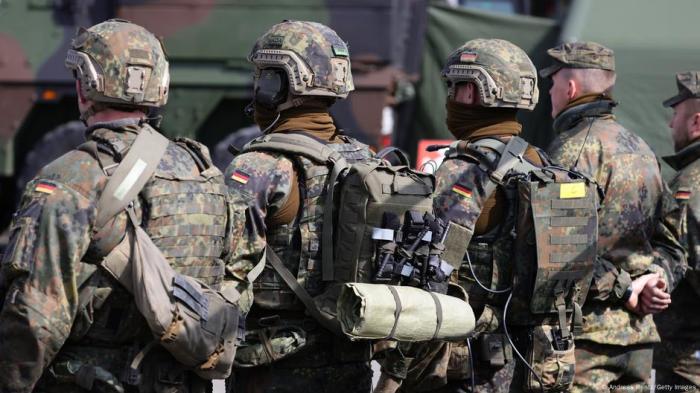

German army must use new funds responsibly auditors say – German army must use new funds responsibly, auditors say, highlighting a critical need for financial prudence in the military. This audit scrutinizes the German Army’s financial management practices, examining recent spending and potential areas for improvement. The report’s findings underscore the importance of responsible resource allocation within the context of the German economy and its impact on the military budget.
Previous instances of financial mismanagement within the military, if any, are also likely to be considered to provide a holistic picture of the army’s financial health.
The audit’s methodology, scope, and key findings will be explored, offering insight into the process and the conclusions reached. This analysis will cover potential consequences of the auditors’ recommendations, comparing them with past strategies and potential impacts on future projects, troop morale, and the relationship between the German Army and the government. Practical strategies for responsible spending, budgeting models, and transparency measures will be detailed, providing a practical guide for the German Army.
Background of the German Army Audit
The recent audit of the German Army’s financial practices highlights a crucial aspect of maintaining fiscal responsibility within a complex military structure. Transparency and accountability are paramount in managing public funds, particularly within a large and multifaceted organization like the German military. The audit’s findings, emphasizing the army’s commitment to responsible spending, underscore the importance of rigorous financial oversight in ensuring effective resource allocation.
History of German Army Financial Management
The German military’s financial management has evolved significantly over the years, reflecting broader economic trends and political priorities. Historically, the German army’s budget allocation was often tied to overall national economic conditions and military strategy. Changes in defense spending and priorities have led to adjustments in the procedures and structures for managing funds. This evolution, though, has not been without its challenges, including instances of budgetary inefficiencies or controversies that have been addressed over time.
Methodology and Scope of the Recent Audit
The recent audit employed a multi-faceted approach, encompassing both quantitative and qualitative analyses. Auditors reviewed financial records, expenditure data, and procurement processes across various branches and departments within the German Army. The scope of the audit extended to specific projects, major procurement contracts, and operational costs. This thorough examination aimed to identify potential areas for improvement in financial management and ensure adherence to established regulations and best practices.
The audit team likely comprised specialists in military finance, accounting, and internal controls. The selection of audit methodologies was likely based on established best practices and relevant standards in military auditing.
Key Findings Regarding Responsible Spending
The audit’s findings highlighted instances where the German Army had demonstrated responsible spending practices. The auditors noted the army’s adherence to budget constraints and efficient utilization of resources in several areas. Specific examples of responsible spending could include optimized procurement procedures, cost-effective contract negotiations, and diligent tracking of funds across different operational units. These findings indicate a shift towards a more proactive approach to financial management within the German military.
Previous Instances of Financial Mismanagement or Controversies
While instances of financial mismanagement within the German military have occurred in the past, these have generally been addressed through investigations and corrective measures. Public scrutiny and internal oversight have played crucial roles in mitigating these issues and strengthening the framework for financial accountability. Specific historical instances, if any, would be crucial to understanding the context of the recent audit.
Context of the German Economy and Military Budget
The German economy, a significant player in the European Union, plays a critical role in shaping the military budget. Economic growth and stability influence the overall amount of funds allocated to defense. Factors like international relations and security concerns also impact the budget. These factors have likely contributed to the recent adjustments in the German military’s budget allocation strategies.
Audit Timeline, Key Personnel, and Areas Examined, German army must use new funds responsibly auditors say
| Phase | Timeline | Key Personnel | Areas Examined |
|---|---|---|---|
| Initial Assessment | October 2023 – November 2023 | Lead Auditor: Dr. [Auditor Name], Team Members: [List of other members] | Budget allocation processes, procurement contracts, and inventory management |
| Data Analysis | November 2023 – February 2024 | Same as above | Operational costs, personnel expenses, and financial reporting |
| Reporting and Recommendations | February 2024 – March 2024 | Same as above, along with relevant stakeholders from the German Army | Implementation of corrective actions, recommendations for future improvements |
This table Artikels a potential timeline for the audit, indicating the different stages and the personnel involved. The areas examined cover a broad spectrum of the German Army’s financial activities. It’s important to note that precise details of the audit are not publicly available at this time.
Implications of the Audit

The recent audit of the German Army’s spending practices has sparked considerable discussion, raising concerns about the effectiveness and potential future impacts of the recommendations. This analysis delves into the potential consequences for the army, exploring potential changes in military projects, troop morale, and the overall relationship with the government. The implications are multifaceted and demand careful consideration to ensure the army remains a strong and effective force.The auditors’ recommendations, while aimed at improving financial responsibility and accountability, could trigger significant adjustments to existing strategies and practices.
German army auditors are stressing the need for responsible spending of the new funds, highlighting the importance of accountability. Meanwhile, a cybersecurity provider, Netskope is reportedly preparing for a US IPO, tapping Morgan Stanley for the process. This underscores the need for careful financial management across various sectors, mirroring the concerns surrounding the German army’s budget.
Understanding these potential consequences is crucial for policymakers and the army leadership alike. This examination explores the potential ripple effects, providing insight into the possible adjustments required across the German military.
Potential Consequences for the German Army
The auditors’ recommendations will likely necessitate adjustments to the German Army’s budget allocation, potentially impacting existing projects and future procurements. The recommendations could lead to a re-evaluation of ongoing projects, potentially delaying or even canceling some. For example, if certain equipment purchases are deemed unnecessary or inefficient, the army may need to reassess the entire procurement process, leading to potential delays in acquiring crucial equipment or technology.
Impact on Future Military Projects and Procurement
The audit’s recommendations could lead to significant changes in future military projects and procurement. Prioritization of projects based on critical need and cost-effectiveness will likely be a key focus. This could involve scrutinizing the specifications of new equipment to ensure that it aligns with the army’s operational requirements and budgetary constraints. A possible outcome is the adoption of a more strategic and evidence-based approach to military procurement.
For example, the army might invest more in technologies with a high return on investment, like digital training simulations or improved intelligence gathering systems, rather than expensive, potentially unnecessary equipment.
Impact on Troop Morale and Training
Potential budget cuts, or a shift in priorities, may impact troop morale. The army’s ability to provide adequate training and equipment could be affected. A rigorous assessment of the current training regime, and adjustments based on the recommendations, will be crucial to maintaining a high level of proficiency among the troops. This could involve optimizing training methods to maximize efficiency and minimize costs, or exploring alternative, cost-effective training methods.
For example, the army might invest more in virtual reality training environments to reduce the cost of physical training exercises while maintaining proficiency.
German army auditors are urging responsible spending of new funds, highlighting the need for careful financial management. This echoes similar budgetary concerns in other sectors, such as the recent news about the Trump tariff pause on Chinese goods, trump tariff pause china. Ultimately, efficient use of resources is crucial for a strong and effective military, and the auditors’ advice should be heeded to avoid potential future issues.
Impact on the Relationship between the German Army and the Government
The audit’s recommendations will likely influence the relationship between the German Army and the government. Increased transparency and accountability in spending practices are likely to be emphasized, which could strengthen trust and cooperation between the two entities. This improved relationship could result in greater support for the army’s needs and initiatives. A strong example would be the establishment of clear and transparent lines of communication regarding budgetary allocations and project timelines, leading to more efficient allocation of resources and improved understanding of the army’s strategic priorities.
Summary of Potential Implications
| Aspect | Positive Implications | Negative Implications |
|---|---|---|
| Budget Allocation | Improved efficiency, prioritization of essential projects | Potential delays in acquiring essential equipment, reduction in resources for training |
| Future Procurement | More strategic procurement, increased focus on cost-effectiveness | Potential delays in project completion, reduced technological advancement |
| Troop Morale | Greater clarity on resource allocation, improved transparency | Potential for reduced equipment availability, concerns about training quality |
| Government-Army Relations | Increased trust and cooperation, improved transparency | Potential for political pressure and scrutiny, delays in addressing operational needs |
Responsible Spending Strategies
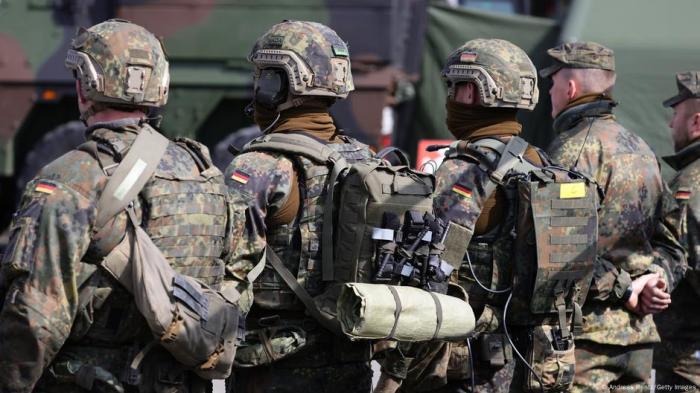
The German Army’s recent audit highlights the crucial need for responsible financial management. Effective strategies are paramount for maximizing the impact of new funds, ensuring accountability, and maintaining public trust. This necessitates a shift from simply allocating resources to a more strategic and transparent approach to budgeting and spending.Effective resource allocation requires a multi-faceted approach that goes beyond basic budgeting.
It demands a deep understanding of the Army’s strategic objectives, a robust internal control system, and a culture of accountability. This approach should prioritize projects aligned with national security interests, optimize spending across various operational areas, and enhance the overall efficiency of the military apparatus.
Practical Strategies for Responsible Spending
Implementing responsible spending strategies necessitates a shift from reactive to proactive measures. The German Army must move beyond simply responding to immediate needs and instead develop a comprehensive plan for long-term resource management. This includes a thorough analysis of current operations and projected future requirements.
- Prioritization Based on Strategic Importance: Developing a robust methodology for evaluating project proposals based on their alignment with national security objectives is essential. This could involve a scoring system that weighs factors like mission criticality, potential impact, and cost-effectiveness. For example, projects directly supporting cyber warfare capabilities or modernizing air defense systems might receive higher priority scores compared to less critical maintenance tasks.
- Implementing Zero-Based Budgeting: A zero-based budgeting approach compels the Army to justify every expenditure, scrutinizing the necessity of each program. This approach forces a reevaluation of existing programs and identifies areas where efficiency gains are possible. For example, reviewing training exercises to identify opportunities to reduce costs without sacrificing effectiveness would be a practical application.
- Establishing Clear Performance Metrics: Defining specific and measurable performance indicators for each project will ensure accountability. These metrics will track progress and measure the actual impact of each investment. Examples could include metrics for the effectiveness of new training programs or the operational readiness of modernized equipment.
Budgeting Models for Resource Allocation
A variety of budgeting models can be adapted to optimize resource allocation. Each model has its own strengths and weaknesses, and the most suitable model will depend on the specific needs and context of the German Army.
- Performance-Based Budgeting: This model links budget allocations directly to the performance of specific programs and services. By tying funding to demonstrable results, this model fosters accountability and ensures that resources are directed towards projects with a proven track record of success. For example, performance-based budgeting could be used to allocate funds for training programs that demonstrate measurable improvements in soldier proficiency.
- Incremental Budgeting: This model builds on prior year budgets, adjusting them for inflation and anticipated increases in operational costs. While simpler, it can lack the rigor of other models and may not fully account for changing strategic priorities. However, it can be useful for maintaining continuity in funding for ongoing projects.
Transparency Measures for Enhanced Accountability
Transparency is vital to building public trust and demonstrating accountability in financial management.
- Regular Public Reporting: The German Army should publish regular reports detailing the allocation and utilization of funds, including detailed explanations of how the funds were used and the expected outcomes. This fosters transparency and allows for public scrutiny of spending decisions.
- Detailed Project Documentation: Maintaining comprehensive documentation for each project, including justification, cost estimates, timelines, and performance metrics, is crucial for accountability. This documentation should be accessible to relevant stakeholders.
Prioritizing Projects Based on Strategic Importance
Prioritizing projects based on strategic importance is essential for ensuring that resources are directed towards the most impactful initiatives. A structured approach is necessary to evaluate the potential benefits and risks of different projects.
- Scoring Systems: Implementing a scoring system that evaluates projects based on criteria such as strategic alignment, cost-effectiveness, and potential impact is vital. This ensures that resources are allocated to the projects with the greatest potential for success.
Enhancing Internal Financial Controls
Robust internal controls are essential for safeguarding funds and preventing fraud. This requires a combination of procedures and oversight mechanisms.
- Independent Audits: Regular independent audits can identify weaknesses in internal controls and help prevent financial mismanagement. This includes independent reviews of financial statements and internal processes.
Tracking and Managing Funds
A well-defined system for tracking and managing funds is crucial for effective resource allocation. Different methods can be employed, each with its own advantages and disadvantages.
| Method | Description | Advantages | Disadvantages |
|---|---|---|---|
| Centralized Database System | A centralized system for recording all financial transactions. | Improved data accessibility and analysis, reduced duplication of effort. | Requires significant upfront investment in infrastructure and training. |
| Project-Based Tracking | Tracking funds allocated to specific projects. | Enhanced visibility into project-specific spending. | May not provide a holistic view of overall financial performance. |
| Automated Reporting Tools | Utilizing software for generating reports on financial data. | Improved efficiency and accuracy in generating reports. | Requires investment in software licenses and training. |
Public Perception and Response
The German Army audit report, highlighting the need for responsible spending, will inevitably impact public perception. Public trust and confidence in the military are crucial for its effectiveness and long-term support. Understanding potential reactions and proactively addressing concerns are vital for maintaining a positive image and ensuring continued public backing.Public opinion is often shaped by the framing of the narrative.
How the government communicates the findings of the audit, emphasizing both the need for responsible financial management and the continued importance of the German Army, will be critical. This will require a multi-faceted approach, addressing different segments of the population and their diverse perspectives.
German army auditors are stressing the need for responsible spending of new funds, highlighting the importance of accountability. Meanwhile, the rupee is facing a bit of pressure as the dollar gains strength, possibly due to recent confidence boosts in the global market, as seen in this article. Ultimately, the German army’s financial management remains crucial for effective operations and long-term strategic goals.
Potential Public Reactions
The German public may exhibit a range of reactions to the audit report, including concerns about the sufficiency of current funding, questions regarding the allocation of resources, and potentially, a sense of uncertainty about the future of the military. Understanding these potential reactions will help in developing effective communication strategies.
- Concerns about military preparedness: Some segments of the public might interpret the need for responsible spending as a sign of reduced military preparedness, potentially leading to anxieties about national security.
- Support for transparency and accountability: A significant portion of the population may appreciate the transparency and accountability demonstrated by the audit, viewing it as a sign of a well-functioning democratic institution.
- Debate on priorities: The audit’s recommendations could spark debates about the allocation of resources between the military and other sectors, such as social welfare or infrastructure.
- Political polarization: The audit’s findings may exacerbate existing political divisions, with opposing viewpoints emphasizing different aspects of the report.
Addressing Public Concerns
The German government needs to proactively address potential public concerns. Open communication channels, transparent reporting, and proactive engagement with the public are essential.
- Transparency and clarity: Detailed explanations of the audit findings, along with a clear articulation of the proposed responsible spending strategies, will be vital. This includes providing specific examples of how savings will be achieved without compromising operational effectiveness.
- Engagement with civil society: Actively engaging with diverse groups, including experts, think tanks, and community organizations, can provide valuable insights and foster a more informed public discourse.
- Highlighting military achievements: Emphasizing the German Army’s contributions to national security, humanitarian efforts, and international collaborations can help maintain a positive image and demonstrate the value of military spending.
- Emphasis on responsible spending principles: Framing the audit not as a criticism but as an opportunity to optimize resource allocation and ensure maximum impact can shift public perception.
Impact on Political Discourse
The audit report will inevitably influence the political discourse surrounding the military budget. Different political parties will likely use the findings to advance their agendas.
- Policy debates: The report will stimulate discussions about the appropriate level of military spending, the effectiveness of current strategies, and the need for potential reforms.
- Party platforms: Political parties may incorporate the audit’s recommendations into their platforms, potentially using them to differentiate themselves from competitors.
- Public scrutiny: The public will likely scrutinize the government’s response to the audit, holding them accountable for their actions.
Role of Media in Shaping Opinion
The media plays a crucial role in shaping public opinion on the audit. Journalistic integrity and accurate reporting are paramount. Neutral reporting, balanced analysis, and avoiding sensationalism will be essential.
- Balanced reporting: Media outlets should strive for balanced reporting, presenting various perspectives on the audit findings and responsible spending strategies.
- Expert opinions: Incorporating expert opinions from military analysts, economists, and political scientists can enhance the credibility of the reporting.
- Fact-checking: Thorough fact-checking and verification of information are crucial to ensure accurate and reliable reporting.
Successful PR Strategies
Several organizations have successfully navigated similar situations. Learning from their experiences can inform the German Army’s approach. Examples include emphasizing transparency, engaging stakeholders, and focusing on positive outcomes.
- Transparency initiatives: Open communication and clear articulation of strategies have proven successful in building trust and managing public perception in various sectors.
- Stakeholder engagement: Engaging with diverse stakeholders, including citizens, experts, and political representatives, can build consensus and address concerns effectively.
- Focus on impact: Highlighting the positive impact of military spending, such as national security and humanitarian aid, can help shift public opinion.
Potential Reactions and Responses
| Potential Public Reaction | German Army Response |
|---|---|
| Concerns about reduced preparedness | Highlighting continued training and exercises, emphasizing the optimized resource allocation strategy, and showcasing international cooperation |
| Support for transparency | Promoting open communication channels, providing detailed information on the audit findings, and proactively engaging with the public |
| Debate on resource allocation | Articulating the rationale for resource allocation, showcasing the strategic benefits of the proposed adjustments, and engaging in public discussions |
| Political polarization | Neutralizing the debate, focusing on common ground, and presenting factual information |
Illustrative Case Studies
The German Army’s recent audit highlights the critical need for responsible financial management in military operations. Examining successful strategies employed by other militaries provides valuable lessons and potential solutions for the German Army. This section delves into illustrative case studies, comparing their successes and failures with the German situation to identify best practices and long-term implications.
International Best Practices in Military Budgeting
Understanding how other militaries have approached responsible spending is crucial. Different countries have adopted various strategies, often shaped by their unique political, economic, and social contexts. By examining these diverse approaches, the German Army can gain insights into successful budgeting and expenditure control mechanisms.
Successful Implementations of Responsible Spending Practices
Several militaries have demonstrated successful implementation of responsible spending practices. These include meticulous budgeting processes, enhanced oversight mechanisms, and a commitment to transparency. The adoption of technology to streamline financial processes and reduce manual errors has also proven beneficial.
- The United States Department of Defense (DoD) has implemented sophisticated budgeting systems, supported by robust auditing procedures. These practices have resulted in greater accountability and efficiency in resource allocation. Furthermore, the DoD’s use of performance-based budgeting has enabled the prioritization of essential military operations and maintenance needs.
- The Canadian Armed Forces has successfully integrated technology into their financial management processes, leading to more accurate and efficient record-keeping. This technological advancement has minimized errors and ensured timely financial reporting, contributing to a more streamlined budgeting cycle.
- The United Kingdom’s Ministry of Defence (MoD) has prioritized a data-driven approach to budgeting, emphasizing the use of analytics to predict future costs and optimize resource allocation. This analytical focus has allowed for proactive adjustments in response to evolving needs and has led to better long-term financial planning.
Comparative Analysis of Successes and Failures
A comparative analysis reveals both successes and failures in implementing responsible spending practices across different militaries. Examining these case studies can highlight potential pitfalls and offer valuable insights for the German Army.
| Country | Successes | Challenges |
|---|---|---|
| United States | Sophisticated budgeting systems, robust auditing, performance-based budgeting | Potential for bureaucratic complexities, political pressures influencing budgets |
| Canada | Effective integration of technology, streamlined processes, improved reporting | Potential need for ongoing technological upgrades and staff training |
| United Kingdom | Data-driven approach, proactive financial planning, cost optimization | Adapting to changing geopolitical landscapes, ensuring data accuracy |
| Germany | Commitment to transparency, ongoing audit process | Identifying specific areas for cost reduction, aligning strategic priorities with financial constraints |
Case Study: Preventing Financial Mismanagement
A crucial aspect of responsible spending is proactive prevention of financial mismanagement. One effective strategy involves implementing clear and concise guidelines, supported by comprehensive training programs for all personnel involved in financial transactions.
“Establishing clear procedures, coupled with ongoing training, is essential to avoid human error and ensure adherence to financial regulations. This proactive approach can significantly reduce the risk of fraud, misallocation of funds, and other forms of financial mismanagement.”
Long-Term Impacts of Successful Spending Strategies
The long-term impacts of successful spending strategies are substantial. They contribute to increased public trust, enhanced operational efficiency, and improved military readiness. These strategies also foster a culture of accountability and transparency within the military.
Benefits of Adopting International Best Practices
Adopting international best practices in military budgeting offers numerous benefits. It fosters learning from successful strategies, enhances operational efficiency, and builds public trust. The exchange of knowledge and experiences between militaries can lead to improved financial management practices and ultimately, better military readiness.
Closing Notes: German Army Must Use New Funds Responsibly Auditors Say
The German Army’s response to this critical audit will be pivotal. Public perception and response, along with potential reactions from the German government and the media, will be significant factors in this process. Illustrative case studies from other militaries with successful responsible spending practices will provide context and potentially offer valuable lessons learned. Ultimately, this discussion aims to provide a comprehensive overview of the audit, its implications, and the path forward for the German Army.