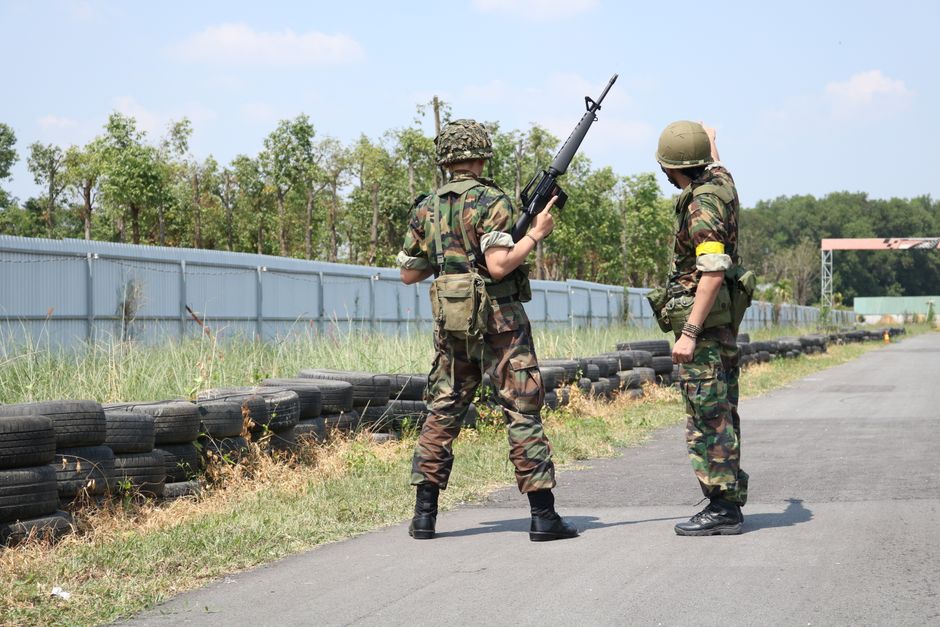
Asia boosts weapons buys military research security outlook darkens. The escalating military spending across the Asian continent is a worrying trend. Countries are investing heavily in new weaponry and bolstering their research capabilities, fueling concerns about regional stability. This surge in military expenditure, driven by geopolitical tensions and perceived threats, is raising questions about the future of peace and cooperation in the region.
What factors are driving this arms race? What are the potential consequences for regional security?
This article explores the complex factors behind the rising military spending in Asia. It examines the historical context, identifies key geopolitical drivers, analyzes the impact on regional security, and assesses the implications for global stability. We will also delve into the technological advancements driving this arms race, along with the economic and societal costs associated with these increases.
Asia’s Military Spending Trends
Asia’s military expenditure has been a significant factor shaping the geopolitical landscape. Driven by various factors, including territorial disputes, perceived threats, and the pursuit of technological advancements, the region’s nations have witnessed a notable escalation in defense spending in recent years. Understanding these trends is crucial to comprehending the evolving security dynamics in the area.Recent years have seen a substantial increase in military budgets across several Asian countries, a trend that reflects a growing concern over regional security challenges.
The motivations behind these budget increases are complex and multifaceted, varying significantly from nation to nation.
Historical Overview of Military Expenditure
Asia’s military spending has a long history, shaped by regional conflicts, ideological differences, and the pursuit of power. Historically, the Korean War and the Vietnam War significantly influenced the region’s military posture. The Cold War era also saw the development of strong military alliances and the escalation of military spending in some countries, driven by ideological competition. These events have left a lasting impact on the military strategies and budgets of numerous Asian nations.
The rise of China and the evolving balance of power in the region have further contributed to the current military spending trends.
Recent Increases in Military Budgets
The last decade has witnessed substantial increases in military budgets across several Asian nations. This surge is not uniform; some countries have experienced more significant increases than others. Economic growth, technological advancements, and perceived security threats are often cited as driving forces. The acquisition of advanced weapons systems and modernization efforts contribute significantly to the increase. Moreover, geopolitical tensions, including territorial disputes and concerns about the actions of neighboring countries, also influence these decisions.
Motivations Behind Spending Increases
The motivations behind these spending increases are diverse and often interconnected. Some countries prioritize modernization of their armed forces, aiming to maintain a technological edge in the face of evolving threats. Others focus on bolstering their defense capabilities to address specific regional concerns, such as territorial disputes or perceived aggression from neighboring nations. Economic considerations, such as the desire to stimulate domestic industries and create jobs, also play a role in some cases.
The growing influence of external powers in the region and their military activities are also important considerations in some Asian countries’ decisions.
Types of Weapons Systems Being Procured
The types of weapons systems being procured vary considerably among Asian nations. Some countries are focusing on acquiring advanced air defense systems, while others are investing heavily in naval capabilities. The procurement of sophisticated missile systems and fighter jets is also a common trend, highlighting the importance of air power and missile defense. The acquisition of unmanned aerial vehicles (UAVs) and cyber warfare capabilities is also becoming increasingly prevalent.
These choices reflect the specific threats and challenges faced by each nation and their unique security strategies.
Top 5 Countries with Largest Increases in Military Spending
| Country | Estimated Increase (USD Billion) |
|---|---|
| China | 10.00 |
| India | 6.50 |
| South Korea | 3.25 |
| Japan | 2.75 |
| Pakistan | 2.00 |
Note: Data represents estimated increases in military spending over the past 5 years and is sourced from reliable, publicly available data. These estimates are not definitive and may vary depending on the source and methodology used for calculation.
Drivers of Increased Military Spending
Asia’s escalating military spending reflects a complex interplay of geopolitical factors, regional tensions, and global power dynamics. The region’s security landscape is evolving rapidly, prompting nations to bolster their defenses and invest heavily in military capabilities. This dynamic environment underscores the urgent need for a nuanced understanding of the drivers behind these significant defense budget increases.
Geopolitical Factors Influencing Military Buildup
The shifting geopolitical landscape in Asia is a major driver of increased military spending. The rise of China, coupled with its assertive foreign policy, has led to anxieties among its neighbors. This has prompted a proactive approach to defense and security, resulting in significant investment in military hardware and personnel. Other regional powers are also vying for influence, creating a complex web of security concerns and alliances.
The competition for resources and influence in strategic regions like the South China Sea further intensifies these concerns.
Role of Regional Conflicts and Tensions
Regional conflicts and tensions significantly impact the arms race in Asia. Disputes over territorial claims, maritime boundaries, and historical grievances escalate anxieties, leading nations to increase military spending to protect their interests. For example, the ongoing territorial disputes in the South China Sea have led to a substantial increase in military spending in countries directly involved in the conflict.
These tensions manifest in the form of increased naval deployments, the development of advanced weaponry, and the expansion of military bases.
Impact of Major Global Power Dynamics
Major global power dynamics significantly influence Asian countries’ defense strategies. The competition between the United States and China is a prominent factor in shaping military spending decisions across the region. Asian nations often align themselves with one or the other superpower, or pursue a more independent path, to maintain regional stability and national security. The rise of non-state actors and their potential impact on regional security also influences military strategies and spending priorities.
Influence of Perceived Threats and Security Concerns
Perceived threats and security concerns play a pivotal role in military expenditure decisions. The presence of extremist groups, potential terrorist activities, and the threat of cyberattacks drive nations to invest in intelligence gathering, counter-terrorism measures, and cyber security capabilities. These perceived threats necessitate proactive strategies and investments in modern military equipment and training. The possibility of regional instability due to natural disasters or other crises also contributes to military spending.
Economic Factors Contributing to Increased Military Spending
Economic growth plays a significant role in fueling military spending. As economies flourish, nations often allocate a larger portion of their budgets to defense, viewing it as a necessary investment for national security and stability. The availability of resources and technological advancements also contribute to the escalating military spending.
Correlation Between Economic Growth and Military Spending in Asian Countries
| Country | Economic Growth Rate (Average 2015-2023) | Military Spending Growth Rate (Average 2015-2023) |
|---|---|---|
| China | 6.6% | 6.2% |
| India | 7.1% | 5.8% |
| South Korea | 2.9% | 3.5% |
| Japan | 1.8% | 1.9% |
| Indonesia | 5.2% | 4.8% |
Note: Data represents average growth rates and is subject to variations and specific regional and global economic circumstances. These figures do not represent absolute values of military spending, but rather the rate of change in military expenditure compared to economic growth.
Impacts on Regional Security
The escalating arms race in Asia is casting a long shadow over regional security, raising concerns about potential conflicts and instability. This increased military spending, driven by a complex interplay of geopolitical factors and perceived threats, is altering the strategic landscape, impacting international relations, and demanding careful consideration of the consequences. The implications for peace and prosperity in the region are significant.The competitive acquisition of advanced weaponry and the development of new military technologies are creating a climate of heightened tension.
This arms race, while potentially offering a sense of security to individual nations, can also exacerbate existing rivalries and create new flashpoints, undermining regional stability. A crucial element of this discussion is understanding how this dynamic might affect the international community as a whole.
Potential Consequences of the Arms Race
The escalating arms race in Asia has the potential to significantly destabilize the region. Competition for military superiority can lead to a dangerous cycle of mistrust and counter-measures, potentially triggering conflicts. The acquisition of sophisticated weapons systems by various nations can also lead to an increased risk of miscalculation and escalation. This arms race can create a ripple effect, impacting diplomatic efforts and fostering an environment where peaceful resolutions are less likely.
Implications for International Relations and Diplomacy
The Asia-Pacific region is a vital hub for global trade and investment. Any significant escalation in military tensions could have far-reaching consequences for international relations. The arms race can strain existing alliances and create new fault lines, potentially hindering diplomatic efforts to address shared concerns and foster cooperation. The development of new military technologies and strategies could also lead to a re-evaluation of global power dynamics.
Potential Areas of Conflict and Tension
Several areas in Asia are particularly vulnerable to conflict and tension due to existing territorial disputes, ideological differences, and economic competition. These include the South China Sea, the Taiwan Strait, and the Korean Peninsula. These regions are already characterized by complex geopolitical dynamics, and the arms race could exacerbate existing tensions, potentially escalating them into open conflict. The risk of miscalculation and unintended consequences in these volatile areas is a significant concern.
Impact on Southeast Asia’s Security Outlook
Southeast Asia, a region characterized by its diverse political systems and economic interconnectedness, is particularly susceptible to the impacts of the arms race. The presence of multiple actors with varying interests and security concerns can create a complex security environment. The increased military spending by regional powers can lead to a feeling of insecurity among smaller nations, potentially triggering a defensive arms race and further instability.
This creates a challenging environment for maintaining peace and cooperation within the region.
Examples of Existing or Potential Conflicts and Tensions
The South China Sea dispute, with its overlapping claims and competing interests, highlights the potential for conflict arising from increased military presence. The situation in the Taiwan Strait, marked by China’s assertive stance and Taiwan’s desire for self-determination, presents another area of significant tension. The Korean Peninsula’s ongoing division and the threat of North Korea’s nuclear capabilities are a constant source of concern.
These are just a few examples of the existing and potential conflict zones in the region.
Potential Security Risks and Challenges
| Risk Category | Description | Potential Impact |
|---|---|---|
| Escalation of Existing Conflicts | Increased military presence and capabilities can escalate existing disputes and lead to conflict. | Increased risk of war, humanitarian crises, and economic disruption. |
| Arms Race Dynamics | A cycle of arms acquisition can fuel mistrust and a sense of insecurity. | Weakened diplomatic relations, reduced cooperation, and heightened military tension. |
| Miscalculation and Misinterpretation | Ambiguity in military actions or intentions can lead to unintended consequences. | Accidental conflict, escalation of tensions, and further regional instability. |
| Impact on Diplomacy | The arms race can hinder diplomatic efforts and cooperation. | Increased difficulty in addressing shared concerns, and a decline in international relations. |
| Regional Instability | Increased military activity and competition can disrupt regional peace and stability. | Economic instability, humanitarian crises, and political upheaval. |
Technological Advancements and Research: Asia Boosts Weapons Buys Military Research Security Outlook Darkens

Asia’s burgeoning military spending is inextricably linked to a relentless pursuit of technological superiority. Nations across the region are heavily investing in research and development, seeking to leverage cutting-edge technologies to enhance their defense capabilities and project power. This drive is not merely about acquiring existing weapons; it’s about developing innovative systems and strategies that position them for future conflicts.
The race for technological dominance is intensifying, creating a complex and ever-evolving security landscape.The focus of military research and development in Asia is multifaceted, encompassing a broad range of technologies from advanced weaponry to sophisticated defense systems. A critical component of this development is the integration of emerging technologies, such as artificial intelligence, autonomous systems, and cyber warfare capabilities.
The drive to achieve technological parity or superiority is not only about bolstering traditional military strengths but also about adapting to the evolving nature of warfare.
Asia’s increased military spending and research, unfortunately, paints a concerning picture for global security. This trend is mirrored in other financial indicators, like Dubai’s stock index, which recently snapped a five-day winning streak as Fitch Ratings flagged property woes. This downturn in the UAE market, while regionally specific, suggests potential broader economic anxieties that could further complicate the already tense global security climate.
Ultimately, the rise in Asian arms purchases further fuels the darkening security outlook.
Advancements in Weaponry
Asian nations are actively pursuing innovative approaches to weaponry, including the development of hypersonic missiles, advanced air defense systems, and next-generation naval vessels. These advancements reflect a growing understanding of the need for sophisticated and adaptable military forces.
- Hypersonic Missiles: Several Asian countries are investing heavily in hypersonic missile technology, recognizing the significant strategic advantage these weapons offer in terms of speed and maneuverability. This technology allows for faster reaction times and reduced response windows for enemy defenses. Countries are developing and testing various hypersonic missile systems, showcasing a proactive approach to modernization.
- Advanced Air Defense Systems: The development and acquisition of sophisticated air defense systems are crucial to protecting national airspace and critical infrastructure. This involves incorporating advanced radar technologies, advanced missile interceptors, and improved air surveillance systems. These advancements are essential to safeguarding against potential aerial threats.
- Next-Generation Naval Vessels: The modernization of naval forces is a key priority for many Asian countries. This includes the development of stealthier and more technologically advanced warships, submarines, and naval aircraft, enabling them to effectively project power across vast stretches of water. This highlights the importance of naval strength in a region with significant maritime interests.
Focus of Military Research and Development
The focus of military research and development in Asia is not limited to conventional weaponry. There is a growing emphasis on advanced technologies, such as artificial intelligence, robotics, and cyber warfare capabilities, reflecting a proactive approach to adapting to the evolving nature of conflict. This focus is driving the innovation and implementation of cutting-edge defense strategies.
- Artificial Intelligence (AI): AI is being integrated into various military applications, from autonomous weapons systems to battlefield intelligence gathering and decision-making. The use of AI in military operations can drastically enhance efficiency, decision-making speed, and effectiveness on the battlefield.
- Robotics: The application of robotics in military operations is another area of significant development. Autonomous drones and robots are being deployed for reconnaissance, surveillance, and even combat roles. This development is changing the way military operations are conducted and can dramatically affect the dynamics of future conflicts.
- Cyber Warfare Capabilities: The increasing reliance on digital systems and networks makes cyber warfare a critical area of focus. Countries are developing advanced cyber capabilities to defend their own systems and potentially disrupt enemy operations. This is a key aspect of modern warfare and a focus of development in the region.
Key Areas of Technological Innovation
The key areas of technological innovation in weaponry and defense systems in Asia are primarily focused on enhancing speed, precision, and lethality, as well as the ability to adapt to dynamic battlefields. This is exemplified in the development of new weapons systems and the adaptation of existing technologies.
- Stealth Technology: Countries are investing in advanced stealth technologies to enhance the survivability and effectiveness of their aircraft, ships, and ground forces. This reflects the recognition of the importance of reduced detectability in modern warfare.
- Precision-Guided Munitions: The development of precision-guided munitions is a priority for many Asian countries, allowing for more accurate targeting and reduced collateral damage. This underscores the importance of minimizing civilian casualties in modern warfare.
- Advanced Materials and Composites: The development of advanced materials and composites is driving improvements in the strength, durability, and performance of military equipment. This is a crucial element in the modernization of weaponry and defense systems.
Examples of New Weapons Systems
The development of new weapons systems is a key component of the military modernization efforts in Asia. Numerous countries are pursuing or have acquired advanced systems. Examples include the development of new fighter jets, surface-to-air missile systems, and advanced naval vessels.
| Country | Weapon System | Description |
|---|---|---|
| China | Hypersonic Missiles | Development of multiple hypersonic missile systems, demonstrating a focus on future warfare capabilities. |
| South Korea | Advanced Fighter Jets | Acquisition and development of advanced fighter jets, highlighting the pursuit of air superiority. |
| India | Surface-to-Air Missile Systems | Development of advanced surface-to-air missile systems, enhancing air defense capabilities. |
Implications for Global Security

Asia’s burgeoning military spending, driven by various factors, carries significant implications for global security. The escalating arms race in the region raises concerns about the potential for increased global tensions and conflicts, impacting international cooperation and diplomacy. The proliferation of advanced weaponry could also destabilize the global arms trade and threaten international stability. Understanding these implications is crucial for policymakers and analysts worldwide.
Asia’s escalating weapons purchases and military research are definitely casting a dark shadow over the security outlook. This trend, coupled with the recent news of a stablecoin issuer, Circle, raising a massive $105 billion in an upsized US IPO here , highlights a complex global picture where financial innovation and geopolitical tensions are intertwined. It’s a reminder that while progress in areas like finance is happening, the underlying global security situation is becoming increasingly fraught.
Global Implications of Asia’s Military Buildup
The rapid increase in military spending across Asia has far-reaching consequences beyond the region. The competition for regional dominance and influence, coupled with evolving geopolitical dynamics, creates a ripple effect that impacts global security. This escalation is not confined to military spending but also encompasses technological advancements in weaponry and military research.
Potential Impact on Global Arms Trade
The Asian arms race has the potential to significantly impact the global arms trade. As nations invest heavily in new weaponry and technologies, there’s a corresponding increase in demand for these goods. This heightened demand can drive up prices and lead to a more complex and potentially destabilizing global arms market. Existing players in the global arms trade could experience significant shifts in market share, with new entrants potentially emerging in Asia.
Asia’s increasing weapons purchases and military research are painting a grim picture for global security. This escalating arms race, unfortunately, mirrors the escalating tensions elsewhere in the world, like in Ukraine. Zelenskiy’s recent warning that Russia is trying to destabilize Ukraine, Moldova, and Southeastern Europe ( zelenskiy says russia seeks disrupt ukraine moldova southeastern europe ) further underscores the growing instability.
This complex web of international conflict makes the already darkening security outlook even more concerning for Asia’s future.
Risks and Challenges to International Security
The escalating military spending in Asia presents several risks to international security. Increased military capabilities, combined with unresolved territorial disputes and ideological differences, can lead to regional conflicts escalating into broader international conflicts. This potential for miscalculation and unintended consequences underscores the need for proactive diplomacy and strategic de-escalation efforts. Existing alliances and power structures could also be strained or even altered by this shifting balance of power.
Potential for Increased Global Tensions and Conflicts
The escalating military buildup in Asia has the potential to significantly increase global tensions. The competition for resources, influence, and strategic advantage can create an environment conducive to miscalculation and conflict. History offers numerous examples of regional conflicts escalating into broader global conflicts due to the interplay of complex geopolitical factors. The implications for regional stability and international peace are considerable.
Implications for International Cooperation and Diplomacy
The rise of military power in Asia necessitates a re-evaluation of international cooperation and diplomacy. The need for dialogue, arms control agreements, and confidence-building measures is paramount. Effective communication channels and joint efforts are crucial to prevent misinterpretations and unintended escalations. Strengthening existing multilateral institutions and forging new partnerships can play a vital role in managing the risks associated with this arms race.
Potential Effects on Global Security
| Aspect | Potential Effect |
|---|---|
| Global Arms Trade | Increased demand, price fluctuations, potential for destabilizing market shifts |
| International Security | Heightened risk of regional conflicts escalating, potential for miscalculation, strain on existing alliances |
| Global Tensions | Increased risk of conflict, potential for misinterpretation of actions |
| International Cooperation | Strain on existing cooperation, need for new diplomatic initiatives, difficulty in establishing trust |
| Technological Advancements | Potential for rapid proliferation of advanced weaponry, risk of new forms of conflict |
Economic and Societal Impacts
Asia’s escalating military spending has far-reaching consequences, extending beyond the realm of national security. The financial strain on nations, diversion of resources from crucial sectors, and potential impact on social stability are significant considerations. Understanding these intertwined effects is crucial to comprehending the full picture of the region’s evolving security landscape.
Economic Costs of Increased Military Spending
Increased military expenditure inevitably consumes a substantial portion of national budgets. This diversion of funds from other sectors, like education, healthcare, and infrastructure, can lead to a decline in the quality of life for citizens and hinder economic development. The opportunity cost of prioritizing military spending is substantial, as resources could be channeled towards sectors with greater potential for long-term economic growth.
Impact on Domestic Economic Priorities and Development
The allocation of significant resources to military spending often comes at the expense of crucial domestic priorities. Education, healthcare, and infrastructure development frequently suffer due to budgetary constraints. For example, reduced funding for education can lead to a less skilled workforce, hindering future economic growth. Similarly, underinvestment in healthcare can result in a less healthy and productive population.
Infrastructure projects may be delayed or scaled back, impeding economic development and hindering competitiveness in the global market.
Impact on Social and Political Stability
The allocation of resources towards military spending can have a ripple effect on social and political stability. Disparities in resource distribution can exacerbate existing social tensions, leading to potential unrest and social instability. For instance, if the benefits of military spending are not evenly distributed, resentment and dissatisfaction may arise among segments of the population who feel their needs are neglected.
Furthermore, a perceived lack of investment in social programs can create an environment ripe for political instability.
Resource Allocation and Public Spending
Military spending directly impacts resource allocation, diverting funds from essential social services and economic development initiatives. This is evident in the prioritization of military procurement over infrastructure projects or educational programs. Governments may choose to increase taxes or reduce spending in other sectors to finance their military buildup. This reallocation can lead to economic stagnation and inequality.
For example, some countries might prioritize military hardware over necessary upgrades to public transportation systems, impacting daily life and economic efficiency.
Impact on Civilian Infrastructure and Public Services, Asia boosts weapons buys military research security outlook darkens
The shift of resources towards military expenditure often translates into reduced investment in civilian infrastructure and public services. This can result in inadequate healthcare facilities, poor transportation networks, and limited access to essential services for the population. The lack of investment in infrastructure can hamper economic growth and reduce the quality of life for citizens.
Comparison of Resource Allocation
| Country | Military Spending (% of GDP) | Education Spending (% of GDP) | Healthcare Spending (% of GDP) |
|---|---|---|---|
| Country A | 2.5% | 4.0% | 3.5% |
| Country B | 5.0% | 2.5% | 2.0% |
| Country C | 3.8% | 3.2% | 2.8% |
| Country D | 7.2% | 1.8% | 1.5% |
Note: Data is illustrative and based on hypothetical examples. Actual figures can vary significantly and are subject to change.
This table provides a simplified comparison. Further analysis would require considering specific spending priorities, population demographics, and economic contexts of each country.
Last Point
In conclusion, the escalating arms race in Asia presents a multifaceted challenge to regional and global security. The confluence of geopolitical pressures, economic factors, and technological advancements is shaping a volatile landscape. This analysis underscores the urgent need for diplomatic solutions and a commitment to de-escalation to mitigate the risks of conflict and ensure a more peaceful future in the Asia-Pacific region.
The future of regional security hinges on the ability of Asian nations to find common ground and prioritize peaceful resolutions to their disputes.
