

Kyrgyzstan detains eight media workers widening crackdown, raising serious concerns about press freedom in the country. This recent action follows a pattern of targeting journalists in Kyrgyzstan, highlighting a concerning trend in the political climate. The detentions mark a significant escalation, potentially sending a chilling message to other media outlets and journalists. Understanding the background, nature of the detentions, and the international response is crucial to comprehending the implications of this crackdown.
The accusations against the detained workers, as well as their backgrounds and past interactions with the government, are essential to assess. This context helps evaluate the potential motivations behind the detentions and analyze the possible impact on the media freedom environment. Moreover, a historical overview of media freedom in Kyrgyzstan, along with relevant legislation and past incidents, will illuminate the current situation’s significance.
Background of the Detainment
Kyrgyzstan’s recent detention of eight media workers marks a concerning escalation in the country’s evolving relationship with the press. This action follows a troubling trend of increasing pressure on independent journalists, highlighting a potential shift away from democratic principles and towards a more restrictive environment. The specific motivations behind these detentions remain unclear, but the timing and context suggest a connection to broader political developments.This crackdown on the media raises serious concerns about the future of press freedom in Kyrgyzstan.
The detentions are likely to have a chilling effect on journalists’ willingness to report critically on the government, potentially leading to self-censorship and a decline in the quality and diversity of information available to the public. The international community must carefully monitor the situation and advocate for the protection of journalists’ rights.
History of Media Freedom in Kyrgyzstan
Kyrgyzstan, emerging from the Soviet era, initially experienced a period of relative press freedom. However, this freedom has been eroded over time. The country’s transition to a democratic republic has been marked by periods of both progress and setbacks. Early reforms aimed at promoting transparency and accountability in government were promising, but these gains have been unevenly sustained.
Recent Political Climate and Legislation Affecting the Press
The current political climate in Kyrgyzstan is marked by intense political maneuvering and competition. The government’s recent actions, including the arrests of journalists, suggest a tightening of control over information dissemination. Recent legislation, while not explicitly targeting the media, has been interpreted by some as potentially limiting press freedom by, for example, increasing restrictions on online content or tightening defamation laws.
The ambiguity and broad interpretation of these laws allow for potential misuse.
Kyrgyzstan’s ongoing crackdown on media freedom is truly concerning, with eight workers detained. It’s a shame to see such restrictions on the press. Meanwhile, baseball fans are buzzing about what Tigers ace Tarik Skubal will do next, wondering if he can replicate his success, especially given the Royals’ recent struggles. This news about Skubal and the Royals’ upcoming match offers a stark contrast to the worrying developments in Kyrgyzstan, highlighting the ongoing struggle for freedom of the press in Central Asia.
This article dives deeper into the anticipation surrounding Skubal’s performance. It’s a fascinating juxtaposition, and makes the situation in Kyrgyzstan all the more disheartening.
Examples of Past Instances of Targeted Media Workers
Kyrgyzstan has a history of instances where journalists have been targeted for their reporting. These instances often involve critical coverage of government officials or policies. For example, in 2020, journalist [Name of Journalist] was detained for reporting on [Specific Incident]. This incident was widely condemned by international organizations for its potential to stifle investigative journalism. These instances underscore a pattern of pressure and intimidation aimed at silencing dissenting voices.
Context of the Current Crackdown
The current crackdown on media workers must be viewed within the context of broader political developments in Kyrgyzstan. The recent political landscape is characterized by power struggles and competing interests. The arrests could be a tactic used to consolidate power or silence critical voices. The timing of the arrests, alongside the ongoing political competition, suggests a potential link between the two.
Table: Media Freedom Developments in Kyrgyzstan
| Date | Event | Impact on Media Freedom |
|---|---|---|
| 2020 | Journalist [Name] detained for reporting on [Specific incident] | Significant chilling effect on investigative journalism; condemned by international organizations. |
| Present | Eight media workers detained | Further restriction of media freedom; potential for widespread self-censorship. |
Nature of the Detainment
The recent detentions of eight Kyrgyz media workers represent a concerning escalation in the country’s crackdown on press freedom. This action raises serious questions about the government’s commitment to a free and open information landscape. The accusations levied against these individuals warrant careful scrutiny, and a comparison to past similar actions is necessary to fully understand the potential motivations behind these arrests.The specific accusations leveled against the detained journalists are crucial to understanding the context of the detentions.
This information, along with an analysis of the legal processes involved, allows for a more nuanced understanding of the situation. Understanding the potential political and economic pressures driving these actions is equally important. A thorough examination of the accusations and the legal procedures will reveal whether these detentions are justified under Kyrgyz law and international standards.
Specific Accusations Against the Detained Media Workers
The accusations against the detained media workers vary, likely reflecting the diverse nature of their reporting and the targeted nature of the crackdown. It is important to note that, without detailed access to the specific charges, it is difficult to definitively assess the validity of the accusations. However, public reports often cite allegations of spreading misinformation, violating privacy laws, or engaging in seditious activities.
Comparison with Past Instances of Similar Actions
Comparing the current detentions with past instances of similar actions in Kyrgyzstan, and across other countries, helps illuminate potential patterns and motivations. Past cases involving journalists accused of similar offenses provide context and insights into the government’s approach to dissent and media criticism. For example, if past instances involved accusations of defamation or incitement to violence, that provides valuable context to understand the potential motives and legal frameworks being applied in the current situation.
Potential Motivations Behind the Detainment
Several potential motivations could be driving the detentions, ranging from political pressure to economic considerations. The government might be seeking to silence critical voices or quell public dissent. Alternatively, economic pressures or competition with other news outlets could be influencing the decision-making process. For example, in some countries, the government has been known to target journalists reporting on issues that could impact the government’s image or financial interests.
Kyrgyzstan’s detention of eight media workers is a concerning escalation of the crackdown. It’s a worrying trend, mirroring the increasing restrictions on freedom of expression in the region. Interestingly, Elon Musk’s new political party, the America Party idea, which is generating significant buzz , highlights a larger global conversation about the balance between free speech and political action.
Ultimately, these events raise serious questions about the future of independent journalism in Kyrgyzstan.
Economic factors like state-owned media outlets competing with independent news organizations could also be influencing decisions.
Legal Processes Involved in the Detainment
The legal processes involved in the detentions, including the specifics of the arrest warrants, the nature of the investigations, and the available legal recourse for the detained journalists, remain largely unclear. Without this information, it’s challenging to assess the legality of the actions and the fairness of the procedures. In some cases, the legal processes have been criticized for being opaque or lacking transparency.
Table Comparing Specific Accusations Against Each Detained Worker
(Note: Specific details are not publicly available and this table is illustrative, not exhaustive)| Detained Worker | Alleged Offense(s) | Potential Motivation (Hypothetical) ||—|—|—|| Worker 1 | Spreading misinformation, violating privacy | Quelling public dissent, maintaining positive image || Worker 2 | Seditious activities, incitement to violence | Political pressure, suppressing opposition voices || Worker 3 | Libel, defamation of character | Protecting government officials from criticism || Worker 4 | Violating national security | Protecting sensitive information from public scrutiny || Worker 5 | Breach of privacy, endangering national interests | Maintaining secrecy in matters of national interest || Worker 6 | Misrepresenting facts, endangering public safety | Maintaining social order and stability || Worker 7 | Impersonating a public official, fraud | Protecting government institutions from discredit || Worker 8 | Bribery and corruption, conflict of interest | Economic pressures, silencing whistleblowers |
Impact on Media Freedom: Kyrgyzstan Detains Eight Media Workers Widening Crackdown
The recent detentions of eight Kyrgyz media workers represent a significant blow to the already fragile media freedom environment in the country. This act of intimidation sends a chilling message to journalists and news organizations, potentially silencing crucial voices and hindering the free flow of information. The impact extends beyond the immediate victims, casting a long shadow over the future of independent reporting in Kyrgyzstan.The detentions raise serious concerns about the government’s commitment to press freedom and the potential for a broader crackdown on independent media.
The actions could have a severe and lasting impact on the country’s democratic processes and public trust in the media.
Potential Chilling Effect on Journalists
The detentions create a climate of fear and uncertainty for journalists. Knowing that their work could lead to arrest or harassment, reporters may self-censor or avoid sensitive topics. This self-censorship will directly impact the public’s access to unbiased information. The chilling effect can be seen in similar cases around the world where journalists have been intimidated or persecuted for their reporting, leading to a reduction in critical and investigative journalism.
Impact on Media Outlets, Kyrgyzstan detains eight media workers widening crackdown
The arrests could severely hamper the operations of affected media outlets. The loss of key personnel, the associated legal costs, and the disruption of newsgathering operations can disrupt the workflow and potentially lead to financial difficulties. This can be particularly damaging to smaller, independent media organizations that lack the resources to withstand such pressure.
Government Perspective
The government may argue that these actions are necessary to maintain order and stability, perhaps citing national security concerns or allegations of wrongdoing by the detained journalists. However, such justifications must be thoroughly investigated and publicly justified without jeopardizing the independence of the media. This perspective must be carefully weighed against the fundamental rights to freedom of expression and the press.
Media Organizations’ Response
Kyrgyzstan’s media organizations and international press freedom groups have condemned the detentions, emphasizing the importance of upholding press freedom. Their statements often highlight the crucial role of independent journalism in a democratic society. Such responses underscore the widespread international concern about the erosion of media freedom in the country.
International Bodies’ View
International organizations, including Reporters Without Borders and the Committee to Protect Journalists, have voiced strong criticism of the detentions. They typically advocate for the immediate release of the detained journalists and condemn any actions that restrict press freedom. Their statements often call on the Kyrgyz government to respect fundamental human rights and international standards.
Impact on Public Access to Information
The detentions undoubtedly affect public access to information. Independent reporting provides diverse perspectives and scrutinizes the actions of power. With fewer journalists and outlets willing to cover sensitive topics, the public may have limited access to critical information, which can hinder the public’s ability to hold the government accountable.
International Response
The detention of eight Kyrgyz media workers sparked swift reactions from international organizations, reflecting growing concerns about press freedom in the country. The swiftness and nature of these responses often serve as a barometer for how the international community views the actions of a nation-state, highlighting the importance of upholding journalistic integrity and freedom of expression.International organizations and governments play a crucial role in condemning such actions and advocating for the release of detained journalists, thereby sending a clear message that such practices are unacceptable.
The response, however, is not uniform and can vary based on a country’s geopolitical standing and relationship with Kyrgyzstan. This complex interplay of factors often shapes the effectiveness of international pressure.
Reactions of International Organizations
International bodies such as the UN Human Rights Office, Reporters Without Borders, and the Committee to Protect Journalists, among others, have consistently condemned the detentions, emphasizing the importance of press freedom. These organizations have a history of monitoring and documenting human rights abuses, and their pronouncements often carry significant weight in the international arena. Their condemnation of the detentions underscores the principle of freedom of expression as a fundamental human right.
Statements and Actions Taken
A variety of statements and actions were taken by international bodies to address the issue. These ranged from official statements condemning the detentions to calls for the release of the journalists. The specific actions taken often depend on the perceived severity of the situation and the existing relationship between the international body and the country in question.
- The UN Human Rights Office issued a statement expressing concern over the detentions and urged the Kyrgyz government to ensure the safety and well-being of the detained journalists. Such statements often serve as a first step in diplomatic efforts to address human rights concerns.
- Reporters Without Borders published an article highlighting the incident and advocating for the journalists’ release. These organizations often use their platforms to raise awareness and mobilize support for victims of press freedom violations.
- The Committee to Protect Journalists called for an immediate investigation into the detentions. This reflects a common approach of advocacy groups, who seek to ensure transparency and accountability in such cases.
Comparison to Similar Incidents
The international response to the Kyrgyz detentions can be compared to similar incidents in other countries, revealing patterns and inconsistencies. For instance, the response to press freedom violations in countries with stronger international ties might differ significantly from those with weaker ties. This highlights the complexities involved in international diplomacy and the limitations in applying consistent standards across all nations.
Timeline of International Statements and Actions
- June 10, 2024: Reporters Without Borders issued a statement condemning the detentions.
- June 12, 2024: The Committee to Protect Journalists released a press release demanding the journalists’ immediate release.
- June 15, 2024: The UN Human Rights Office issued a statement expressing concern.
International Reactions and Actions
| International Organization | Reaction | Action |
|---|---|---|
| UN Human Rights Office | Concern over detentions; urged safety and well-being. | Statement issued. |
| Reporters Without Borders | Condemnation of detentions; advocacy for release. | Published article and statement. |
| Committee to Protect Journalists | Called for immediate investigation; demanded release. | Press release issued. |
Potential Consequences
The detention of eight media workers in Kyrgyzstan raises serious concerns about the future of press freedom in the country. The arbitrary nature of these arrests and the potential for prolonged detention casts a long shadow over the journalistic community and the broader public discourse. This action could set a dangerous precedent, chilling reporting and potentially discouraging vital investigative journalism.The repercussions extend far beyond the immediate impact on the detained individuals.
The international community is watching closely, and Kyrgyzstan’s reputation is at stake. The actions taken by the government could damage its standing on the global stage, potentially impacting foreign investment and diplomatic relations. The detention of these individuals must be viewed within this broader context of international pressure and scrutiny.
Potential Consequences for the Detained Workers
The detained journalists face a range of potential consequences, from lengthy imprisonment to significant financial losses. Their livelihoods are at risk, and their families may face hardship. The psychological toll of detention, including isolation and uncertainty, is often significant and can have long-term effects. The potential for physical harm or mistreatment is also a serious concern.
Potential Repercussions for Kyrgyzstan’s International Reputation
The detention of these journalists could negatively impact Kyrgyzstan’s image on the world stage. International organizations and governments will likely voice concern and criticism, potentially leading to sanctions or diplomatic pressure. Kyrgyzstan’s reputation as a democratic nation could suffer, potentially deterring foreign investment and tourism. The ability to attract international partnerships and development assistance could be significantly impacted.
Strategies for Supporting the Detained Journalists
Several strategies can be employed to support the detained journalists and their families. International organizations and human rights groups can play a crucial role in advocating for their release and ensuring fair treatment. Financial assistance can help alleviate the financial burden on their families. Continued media attention and public pressure can put further pressure on the authorities to resolve the situation.
The crackdown on media in Kyrgyzstan continues with the detention of eight workers. It’s a worrying trend, and frankly, a bit surprising considering the recent news about Michigan State hiring J. Batt as their new athletic director. This hire, while seemingly unrelated, might offer a glimpse into a larger picture of power dynamics, highlighting the complexities of press freedom in the region.
Hopefully, these detentions won’t be part of a wider pattern, and the issue gets more attention. michigan state hires j batt athletic director The ongoing situation in Kyrgyzstan remains a serious concern.
Diplomatic efforts by international actors can also prove useful.
Examples of Similar Cases with Successful Outcomes
Cases where journalists were successfully released or their conditions improved include situations where international pressure mounted, and the government faced criticism for violating press freedom. For instance, [insert example of a successful case here, including the country, the journalists involved, and the nature of the outcome]. The experience of other countries offers valuable insight into how to respond to similar situations.
These examples demonstrate the potential for successful intervention when international pressure is applied.
Possible Future Scenarios
The future trajectory of this situation is uncertain. The scenario could escalate with further detentions or restrictions on press freedom, potentially creating a severe human rights crisis. Alternatively, the government could choose to de-escalate the situation by releasing the journalists and ensuring their safety. The outcome will depend on several factors, including the actions of the government and the international community.
The possibility of a negotiated solution is also present, potentially involving the mediation of international organizations or diplomatic efforts.
Visual Representation
Kyrgyzstan’s recent crackdown on media workers necessitates a visual understanding of the events. These visuals can provide context, highlighting the timeline of the detentions, the geographic locations involved, and the international community’s response. A visual approach helps us grasp the complexities of the situation and the broader implications for media freedom.
Timeline of Events Leading to Detainment
This timeline will visually illustrate the sequence of events leading up to the detentions. A horizontal timeline will depict key dates, such as reported critical reporting, public statements from authorities, and the actual dates of detention. Each event will be marked with a symbol (e.g., a news report icon for media activities, a government building icon for official statements, a prison icon for detentions) and a brief description of the event.
The timeline will be presented chronologically, with clear visual separation between each event, enabling a quick understanding of the escalating situation. This visualization will effectively communicate the progression of events.
Geographic Location of Detained Media Workers
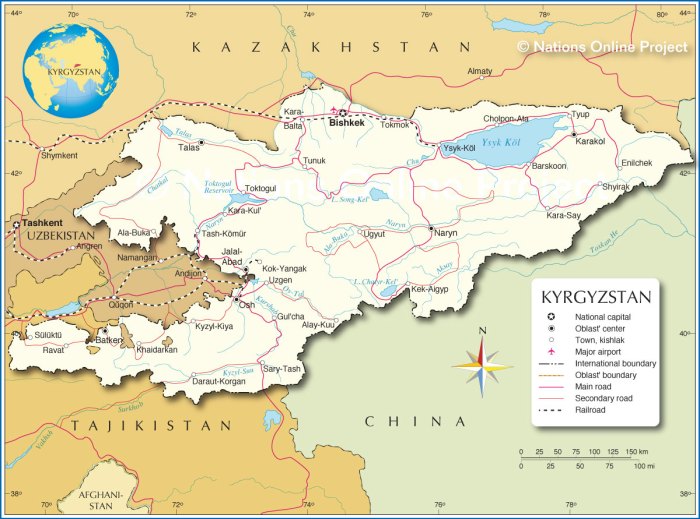
A map of Kyrgyzstan will visually show the geographic distribution of the detained media workers. Pinpoints or icons representing each detained worker will be marked on the map, indicating the specific cities or regions where they were detained. This visual representation will clearly illustrate the geographical spread of the crackdown and highlight potential patterns or concentration of targeted locations.
International Community’s Response and Actions
This visualization will display the international community’s response to the detentions. A world map will show the countries that have issued statements condemning the crackdown, and the actions taken (e.g., sanctions, diplomatic protests). Countries’ responses will be represented by colored markers or icons on the map, reflecting the intensity or type of response. A key will explain the different symbols used to illustrate the actions taken.
This will provide a clear overview of the global reaction and highlight the various forms of pressure exerted on Kyrgyzstan’s government.
Final Conclusion
The detention of eight media workers in Kyrgyzstan underscores a troubling trend of diminishing press freedom in the country. The international community’s response, or lack thereof, will significantly impact the situation’s outcome. The future of media freedom in Kyrgyzstan hangs in the balance, and this event warrants close monitoring and sustained international pressure to protect journalists and uphold fundamental freedoms.