Ukraine’s Urgent Need: €500 Million for Critical Port Facility Reconstruction
Ukraine faces a monumental task in rebuilding its vital Black Sea port infrastructure, with an estimated €500 million required to restore critical facilities damaged by ongoing conflict. These ports, the lifeblood of Ukraine’s economy and a crucial component of global food security, have been systematically targeted, impacting not only the nation’s immediate trade capacity but also its long-term recovery prospects. The strategic importance of these maritime gateways cannot be overstated. Before the full-scale invasion, Ukraine’s ports handled a significant portion of its export and import volumes, facilitating trade in agricultural products, metals, and manufactured goods. The destruction and damage inflicted upon facilities at Odesa, Chornomorsk, Mykolaiv, and other key locations have choked these vital channels, leading to severe economic repercussions and exacerbating the global food crisis. Reconstructing these facilities is not merely an act of economic recovery for Ukraine; it is a necessary step towards stabilizing international markets and mitigating widespread humanitarian challenges. The €500 million figure represents a minimum estimate, encompassing the repair and replacement of damaged quays, loading equipment, storage facilities, navigation aids, and associated logistical infrastructure. The urgency stems from the direct link between port functionality and Ukraine’s ability to generate export revenue, which is indispensable for funding its defense, social services, and eventual reconstruction.
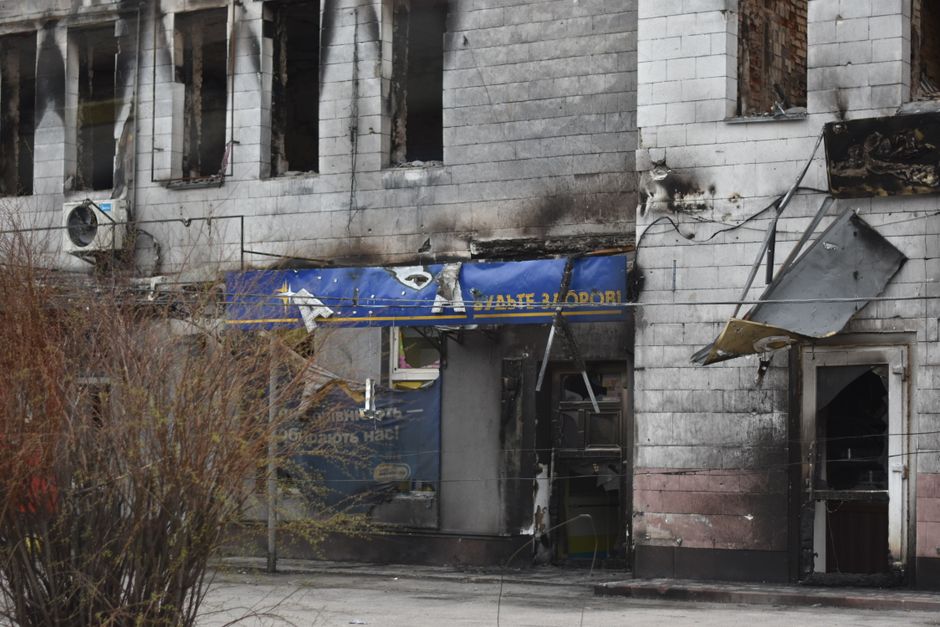
The damage to Ukraine’s port facilities is multifaceted, ranging from direct missile and drone strikes on operational infrastructure to collateral damage impacting surrounding areas and the wider port ecosystem. Specific targets have included grain terminals, container berths, fuel depots, and administrative buildings. The destruction of cranes, conveyor belts, and other loading and unloading equipment has rendered vast sections of the ports inoperable. Furthermore, the Russian navy’s blockade and shelling have created significant risks for any maritime activity, forcing the suspension of most commercial shipping. Even where physical infrastructure remains partially intact, the lingering threat of further attacks and the lack of essential security measures make their full utilization impossible. The psychological impact on port workers and the wider maritime community also contributes to the operational challenges. Comprehensive assessments of the damage are ongoing, involving Ukrainian authorities, international engineering firms, and aid organizations. These assessments are crucial for developing detailed reconstruction plans, prioritizing repair efforts based on economic impact and operational necessity, and ensuring that rebuilt facilities are resilient to future threats. The €500 million projected cost reflects the scale of destruction and the sophisticated engineering and specialized equipment required for modern port operations.
The economic implications of damaged port facilities are profound and far-reaching. For Ukraine, these ports are the primary conduits for its export earnings. The agricultural sector, a cornerstone of the Ukrainian economy, relies heavily on the Black Sea ports to ship its produce to international markets. The disruption of these exports has led to a significant decline in agricultural revenue, impacting farmers, suppliers, and the national budget. Similarly, the export of industrial goods, such as steel and iron ore, has been severely curtailed, further diminishing Ukraine’s economic output. On a global scale, Ukraine is a major supplier of grain, particularly wheat and corn. The reduced flow of these commodities from Ukraine has directly contributed to rising food prices worldwide, disproportionately affecting vulnerable populations in developing countries. The United Nations and other international bodies have repeatedly highlighted the critical role of Ukrainian grain exports in alleviating global food insecurity. Therefore, rebuilding these port facilities is not solely a matter of national economic recovery for Ukraine but also a critical humanitarian imperative for the international community. The €500 million investment is thus an investment in global stability and food security.
The reconstruction process will be complex and multifaceted, requiring a coordinated effort involving the Ukrainian government, international financial institutions, foreign governments, and private sector entities. Initial steps will involve clearing debris, conducting detailed structural assessments, and initiating emergency repairs to restore partial functionality where possible. This will be followed by the long-term rebuilding and modernization of damaged infrastructure, including the replacement of destroyed equipment and the reinforcement of existing structures. The choice of materials and construction techniques will need to consider not only efficiency and cost-effectiveness but also the need for enhanced resilience against future attacks. Advanced technologies, such as modular construction and protective barriers, may be integrated to safeguard critical assets. Furthermore, the reconstruction will need to address the logistical challenges associated with transporting heavy equipment and materials to the affected port areas, often under challenging security conditions. The €500 million funding requirement will need to be met through a combination of grants, low-interest loans, and potentially private investment, with clear accountability mechanisms to ensure efficient and transparent use of funds.
Securing the necessary €500 million for port reconstruction hinges on continued international support and commitment. Several international partners have already pledged assistance, but a substantial funding gap remains. Mobilizing these resources requires demonstrating the economic viability and strategic importance of the reconstruction projects to potential donors. This involves presenting comprehensive project proposals, outlining clear timelines, budgets, and expected outcomes. The Ukrainian government is actively engaging with international financial institutions such as the World Bank, the International Monetary Fund, and the European Bank for Reconstruction and Development, which play a crucial role in facilitating large-scale infrastructure financing. Bilateral aid from allied nations will also be essential. Discussions are underway to establish dedicated funding mechanisms and reconstruction funds that can channel financial and technical assistance effectively. The role of private sector investment, while potentially more challenging given the current security situation, could be crucial for specialized components of the reconstruction, such as the procurement of advanced loading equipment or the development of digital port management systems. Ensuring a stable and predictable environment for investment will be a key factor in attracting private capital.
Beyond the immediate financial requirements, the reconstruction of Ukraine’s port facilities also presents opportunities for modernization and enhancement of existing infrastructure. The rebuilding process can serve as a catalyst for adopting cutting-edge technologies in port management, logistics, and environmental sustainability. This includes the implementation of smart port solutions, automation of cargo handling processes, and the integration of digital platforms for real-time tracking and management of goods. Such advancements can significantly improve operational efficiency, reduce turnaround times for vessels, and enhance the overall competitiveness of Ukrainian ports in the global maritime trade landscape. Furthermore, there is an opportunity to incorporate more resilient and sustainable construction practices, employing materials and designs that minimize environmental impact and can withstand adverse weather conditions and potential future threats. Investing in modern infrastructure can also attract new types of cargo and shipping lines, diversifying Ukraine’s trade portfolio and strengthening its economic resilience in the long term. The €500 million investment is therefore not just about repairing past damage; it is about building a more robust and technologically advanced future for Ukraine’s maritime sector.
The strategic implications of restoring Ukraine’s port capabilities extend beyond mere economic recovery. It is a matter of national sovereignty and geopolitical influence. Control over its Black Sea ports is fundamental to Ukraine’s ability to assert its territorial integrity and conduct its own foreign policy. The disruption of these vital trade routes has been a key element of Russia’s strategy to isolate and weaken Ukraine. Rebuilding these facilities is therefore a direct countermeasure to such efforts, demonstrating Ukraine’s resilience and its determination to remain a sovereign and open trading nation. The successful reconstruction of port infrastructure will also bolster regional security by ensuring the free flow of goods and contributing to the economic stability of neighboring countries. A functional Ukrainian port system can serve as a crucial logistical hub for the wider Eastern European region, facilitating trade and connectivity. The €500 million investment will therefore have a ripple effect, contributing to broader regional stability and economic integration.
The human element in the reconstruction effort cannot be overlooked. The skilled workforce required to rebuild complex port facilities is essential. This includes engineers, construction workers, crane operators, and logistics personnel. Ukraine’s ability to mobilize and train a sufficient workforce will be a critical factor in the timely and efficient execution of reconstruction projects. International technical assistance and training programs will be vital in bridging any skill gaps and ensuring that the rebuilt infrastructure is maintained and operated effectively. The well-being and safety of these workers must also be a paramount concern, given the ongoing security risks in some of the affected areas. Support for port workers who have been displaced or traumatized by the conflict is also an integral part of the recovery process. Ensuring that these individuals can return to work in safe and productive environments is crucial for both economic recovery and social cohesion. The €500 million investment must therefore be seen as encompassing not only physical reconstruction but also the rebuilding of human capital and community resilience.
In conclusion, the urgent need for €500 million to rebuild Ukraine’s critical port facilities is a multifaceted imperative, encompassing economic recovery, global food security, national sovereignty, and regional stability. The scale of destruction necessitates a significant and coordinated international response. The efficient and transparent allocation of these funds, coupled with a strategic vision for modernizing and enhancing the port infrastructure, will be crucial for Ukraine’s long-term prosperity and its role in the global economy. The journey to full recovery will be long and challenging, but the restoration of its Black Sea port capabilities is a non-negotiable cornerstone of that path.
