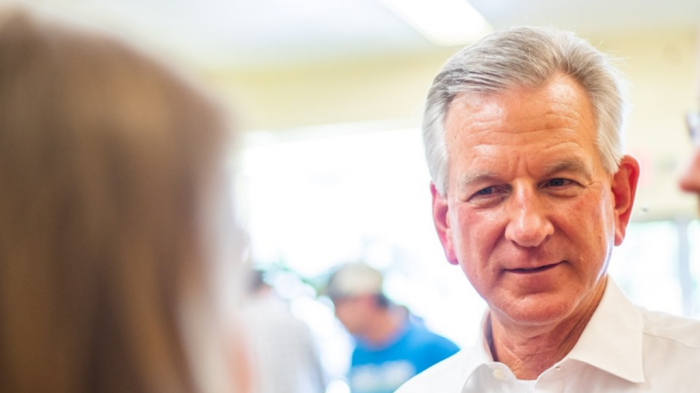

Republican tuberville announces bid alabama governor – Republican Senator Tuberville announces bid for Alabama Governor, setting the stage for a potentially compelling campaign. This move signals a shift in Alabama’s political landscape, and will undoubtedly bring scrutiny to Senator Tuberville’s political career and policy positions. He’ll be facing significant challenges, not only from a tough political climate but also from likely opponents in the race.
This article dives deep into his campaign, examining the political climate, potential strategies, voter demographics, and potential opposition.
Senator Tuberville’s background as a senator, combined with the Alabama political climate, presents a unique dynamic. His campaign platform and potential strategies will be key factors in determining the outcome. The race will likely focus on policy issues, particularly those concerning the state’s economy and key demographics.
Candidate Profile
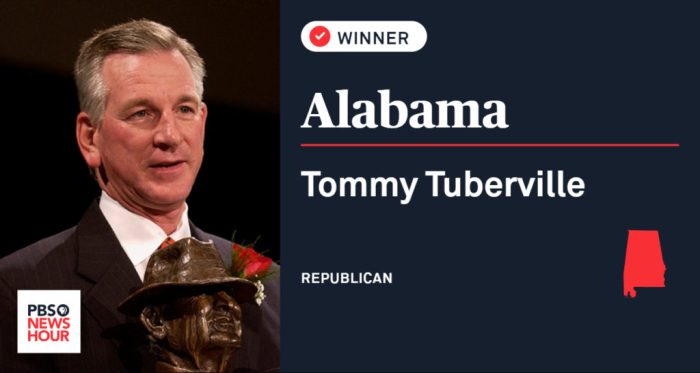
Senator Tommy Tuberville’s announcement to run for Alabama Governor marks a significant shift in the state’s political landscape. A veteran Republican politician, Tuberville brings a considerable track record in the Senate, coupled with deep roots in Alabama, to the gubernatorial race. His decision to pursue the governorship suggests a confidence in his ability to effectively lead the state and implement his policy priorities.
Background and Political Career
Tuberville, a staunch conservative, has served as a United States Senator for Alabama since 2015. Prior to his Senate career, he enjoyed a distinguished career as a college football coach, most notably at Auburn University. This background provides him with a unique perspective on leadership and team dynamics. His Senate tenure has been characterized by a strong stance against government overreach and a focus on fiscal responsibility.
Tuberville’s announcement to run for Alabama governor is certainly grabbing headlines. While political races are always interesting, it’s worth noting that the Tampa Bay Rays have also made a roster move, placing RHP Manuel Rodriguez on the 15-day injured list with a forearm issue. This injury news might seem unrelated, but it just goes to show how much is happening in the world of sports and politics right now.
All in all, Tuberville’s bid for governor is a significant development in Alabama politics.
His legislative record reflects his commitment to these principles.
Policy Positions
Tuberville’s policy positions are largely aligned with the Republican party platform. He advocates for lower taxes, reduced government spending, and a strong national defense. Crucially, these positions resonate with a significant portion of Alabama’s electorate. His views on issues such as healthcare, education, and immigration are likely to shape his gubernatorial campaign.
Strengths and Weaknesses as a Candidate
Tuberville’s experience in the Senate is a substantial asset. His familiarity with national issues and his established network of contacts could be valuable in addressing state challenges. However, his lack of direct executive experience might be a vulnerability. Translating his legislative expertise into practical governance will be a key aspect of his campaign.
Campaign Platform and Priorities
Tuberville’s campaign platform will likely focus on issues vital to Alabama. These include economic development, job creation, and education reform. He’s also likely to emphasize his commitment to protecting traditional values and ensuring a strong, secure future for the state. The specific details of his platform will be critical in shaping voter perception.
Comparison to Other Candidates
A detailed comparison of Tuberville’s stances to other potential candidates is necessary. His positions on issues such as healthcare, education funding, and environmental protection will need to be contrasted with those of his competitors. This comparison will help voters understand the nuances of the race and choose the candidate whose policies best align with their values.
Potential Campaign Strategies
Tuberville’s campaign strategies will need to effectively communicate his vision for Alabama. Leveraging his Senate experience and his deep connections within the state will be key elements. His campaign must highlight his conservative values and address the concerns of voters regarding job creation and economic opportunity.
Policy Positions Table
| Issue | Position | Potential Impact |
|---|---|---|
| Taxes | Lowering taxes to stimulate economic growth. | Could attract businesses and increase employment opportunities. However, could potentially lead to decreased government revenue for public services. |
| Healthcare | Supporting policies that promote market-based healthcare solutions. | Could lead to greater access to healthcare services, but may exacerbate existing inequalities in affordability and coverage. |
| Education | Prioritizing school choice and increased accountability in the education system. | Could lead to greater educational diversity and improved student outcomes, but may disproportionately affect disadvantaged communities. |
| Immigration | Enforcing stricter immigration laws. | Could address concerns about border security and illegal immigration, but may face criticism for its potential impact on communities with large immigrant populations. |
Political Landscape
The Alabama gubernatorial race, with Tuberville’s entrance, is set against a backdrop of a politically charged state. Alabama’s history of strong conservative leanings is a significant factor, and the current governor’s record will be a crucial point of comparison for voters. Recent events, both statewide and nationally, are likely to influence the outcome, further shaping the campaign dynamic.The current political climate in Alabama is marked by a deep-seated conservative base, although there are notable pockets of moderate and progressive voters.
This complexity will undoubtedly play out in the gubernatorial election. Understanding the state’s political ideologies and the governor’s legacy is vital to comprehending the potential trajectories of this election.
Dominant Political Ideologies
Alabama’s political landscape is predominantly conservative, with a strong emphasis on traditional values. This conservatism manifests in various policy positions, often reflecting a socially and economically conservative perspective. While a significant portion of the population adheres to these ideologies, there is a notable segment of moderate voters who may hold different views on specific issues. This mix of viewpoints will likely shape the campaign strategies of the candidates.
Current Governor’s Performance and Legacy
The current governor’s performance has been a subject of much discussion and debate, with opinions spanning the spectrum. Supporters highlight certain accomplishments, while critics point to perceived shortcomings. The governor’s legacy will undoubtedly influence the voters’ perception of the candidates and their proposed platforms. Analysis of the governor’s policy initiatives and their impact on the state will be crucial for understanding the current political climate.
Recent Political Events
Recent legislative actions and public debates have significantly influenced the political discourse in Alabama. For instance, the state’s stance on certain social issues and the ongoing debate about economic development have generated considerable public attention. These events will undoubtedly affect voter sentiment and the strategies employed by candidates.
Comparison to Past Gubernatorial Elections
Comparing the current political climate to past gubernatorial elections reveals similarities and differences. Past races have often revolved around similar issues, such as economic development and social values. Analyzing the trends from previous elections can provide insight into the likely voting patterns and strategies that candidates might employ. Understanding these historical precedents will help voters anticipate the course of the election.
Timeline of Significant Political Events in Alabama (Last 5 Years)
- 2018: Legislative session focused on education reform and tax policies. This session highlighted the ongoing debate about education and the economy.
- 2019: Passage of a significant infrastructure bill aimed at improving roads and bridges. This event demonstrated the state’s commitment to improving its infrastructure.
- 2020: The COVID-19 pandemic significantly impacted the state’s economy and public health initiatives. The pandemic created a backdrop for discussion about public health and the economy.
- 2021: Statewide debates about social issues like abortion rights and LGBTQ+ rights gained considerable traction. These discussions reflected the changing societal values in the state.
- 2022: A legislative session addressing education funding and teacher shortages. This session showcased the ongoing challenges in education funding and staffing.
The above timeline illustrates the key political events that have shaped the current political climate in Alabama. These events have contributed to the complex interplay of factors affecting the gubernatorial election.
Major Political Parties and Their Strengths/Weaknesses
| Party | Strengths | Weaknesses |
|---|---|---|
| Republican | Strong grassroots support; well-established network of volunteers and donors; generally align with the dominant ideology in the state. | Potential for alienation of moderate voters; may struggle to attract support from those with differing viewpoints. |
| Democratic | Focus on social justice issues; appeal to younger voters; can potentially tap into the moderate voter base. | Limited resources and grassroots organization compared to the Republican party; may face significant challenges in overcoming the strong conservative base. |
| Other Parties | May hold a niche presence with specific policy concerns. | Limited influence and impact due to the dominance of the Republican and Democratic parties. |
Understanding the strengths and weaknesses of each party is critical for evaluating the potential strategies of candidates and the possible outcomes of the gubernatorial election.
Campaign Strategy
Senator Tuberville’s gubernatorial bid presents a unique opportunity to leverage his national profile and conservative base in Alabama. A successful campaign hinges on effectively communicating his platform, resonating with voters, and managing potential opposition. A well-defined strategy, focusing on grassroots engagement and targeted media outreach, will be crucial for achieving success.
Potential Campaign Strategies
Tuberville’s campaign must capitalize on his strong standing within the Republican party and his familiarity with the state. A grassroots strategy, coupled with targeted media messaging, will be vital. Emphasizing his legislative experience and his understanding of Alabama’s issues will be key to winning over voters.
Fundraising Strategies
Fundraising will be a significant component of the campaign. Leveraging his existing network of donors and supporters, coupled with direct mail appeals and online fundraising platforms, will be crucial for accumulating necessary resources. Strategic partnerships with influential figures within the state will also be essential for bolstering financial support.
Reaching and Engaging Voters
Direct engagement with Alabamans will be essential. Holding town hall meetings, participating in community events, and leveraging social media platforms to connect with voters will be crucial for creating a personal connection. This personalized approach will resonate with voters on a local level, making his candidacy more relatable.
Media Strategies
A targeted media strategy is vital for building public awareness. Utilizing local news outlets, radio advertisements, and social media will allow the campaign to disseminate key messages to the electorate. Press releases, press conferences, and online advertisements will all be necessary components of this strategy. A focus on highlighting his accomplishments and positions on crucial state issues will be essential.
Highlighting Experience and Qualifications
Tuberville’s extensive legislative experience in the Senate provides a strong foundation for his gubernatorial candidacy. The campaign should effectively communicate his understanding of national issues and his ability to navigate complex political challenges. Emphasizing his voting record on relevant state issues will be essential to demonstrate his commitment to Alabamans.
Countering Criticism and Opposition
Addressing potential criticisms head-on will be critical. The campaign should preemptively address concerns about his political stances and his ability to effectively manage state-level challenges. Providing specific, detailed responses to these criticisms will be crucial for maintaining a positive image.
Campaign Strategy Outcomes
| Campaign Strategy | Potential Outcomes |
|---|---|
| Strong grassroots engagement, coupled with targeted media outreach | Increased voter awareness, positive public perception, and potentially higher turnout among Republican voters. |
| Effective fundraising strategies leveraging diverse sources of support | Sufficient financial resources to support the campaign, including staffing, advertising, and other essential operational needs. |
| Personalized engagement with voters | Enhanced voter trust and stronger connections with constituents. |
| Strategic media presence utilizing multiple channels | Wider reach and increased exposure to a broader audience. Effective communication of key messages. |
| Highlighting experience and qualifications | Building credibility and showcasing expertise. Strengthening voter confidence. |
| Preemptive and detailed responses to criticisms | Managing potential negative perceptions, mitigating damage to reputation, and potentially turning criticisms into opportunities. |
Voter Demographics and Issues: Republican Tuberville Announces Bid Alabama Governor
Alabama’s electorate presents a unique mix of demographics and concerns, significantly impacting the political landscape. Understanding these factors is crucial for any candidate seeking to connect with voters and gain support. Tuberville’s campaign must tailor its messaging to resonate with these diverse groups and address the issues that matter most to them. This analysis will examine the key demographics, concerns, and potential strategies for reaching different voter segments.
Demographic Profile of Alabama Voters
Alabama’s electorate is predominantly white, with a significant portion of voters identifying as religiously conservative. The state has a substantial rural population, contributing to a distinct economic and social context. Age distribution plays a role, with a sizable number of older voters, potentially influencing their priorities. Furthermore, the state’s minority populations, though present, are relatively smaller compared to some other states, and their specific concerns should be carefully considered.
These demographic characteristics shape the political discourse and the challenges candidates face in mobilizing support.
Key Issues and Concerns of Alabama Voters
Alabama voters frequently express concerns about economic opportunities, particularly for rural communities. Issues related to education, healthcare, and law enforcement also frequently appear in public discourse. The state’s history and cultural values significantly influence the priorities of voters, potentially impacting how issues are framed and discussed. Concerns about the direction of the nation and the role of government are often intertwined with the state’s particular needs and interests.
Potential Voter Segments for Tuberville
Tuberville can target various voter segments within Alabama’s electorate. Rural voters, particularly those concerned about economic development and job creation, are a crucial segment. Religious conservatives, often drawn to the candidate’s values, are another key group to consider. Furthermore, voters concerned about law enforcement and public safety might be attracted to a candidate with a strong stance on these issues.
Understanding these potential segments allows for targeted messaging and campaign strategies that resonate with their specific concerns.
Addressing Concerns of Different Voter Groups
Addressing the concerns of different voter groups requires a nuanced approach. For rural voters, Tuberville can emphasize policies that promote economic growth and job creation in underserved areas. For religious conservatives, highlighting shared values and a commitment to traditional principles can be a powerful strategy. Regarding law enforcement, a clear and decisive stance on public safety and supporting local law enforcement would be beneficial.
Such targeted messaging will resonate with specific voter groups and build trust within the community.
Comparison to Voter Preferences in Other States
Alabama’s voter preferences often differ from those in other states, reflecting the state’s unique economic and social environment. For example, concerns about healthcare access and environmental issues might differ from other states, and the emphasis on economic opportunities in rural areas is particularly relevant to Alabama. Comparing Alabama’s voter preferences to those in other states provides a valuable context for understanding the specific challenges and opportunities facing Tuberville’s campaign.
Economic Factors Shaping Voter Decisions
Economic factors significantly influence voter decisions in Alabama, especially in rural areas. Job opportunities, economic growth, and the cost of living are often central to voter concerns. Candidates who can effectively address these issues and present concrete plans for economic improvement are likely to attract support. In Alabama, a strong economic argument can significantly impact voter choices.
Categorizing Alabama Voters
| Demographic Group | Key Concerns | Potential Strategies |
|---|---|---|
| Rural Voters | Economic opportunities, infrastructure, job creation | Highlight policies supporting rural development, job training programs, and infrastructure improvements. |
| Religious Conservatives | Moral values, traditional principles, religious freedom | Emphasize shared values and a commitment to traditional principles. |
| Minority Voters | Equal opportunities, social justice, representation | Address their specific concerns and demonstrate a commitment to inclusivity and fairness. |
| Older Voters | Healthcare access, Social Security, Medicare | Emphasize policies that ensure the stability and accessibility of these programs. |
Potential Opposition
Tuberville’s path to the Alabama governorship won’t be straightforward. He’ll face a field of contenders, each with their own strengths and weaknesses. Understanding these rivals and their strategies is crucial to predicting the outcome of the election. Analyzing their campaign platforms and potential areas of disagreement with Tuberville will be vital to shaping the campaign narrative.Analyzing potential opponents allows for a more nuanced understanding of the political landscape.
By examining their strengths and weaknesses, campaign strategies, and potential points of conflict, a more comprehensive picture of the race emerges. This analysis helps forecast likely outcomes and allows for a more proactive campaign strategy for Tuberville.
Potential Opponents and Their Strengths
Several candidates are likely to challenge Tuberville. A thorough understanding of their campaign platforms and strategies is essential for effective campaign management. The key is identifying their potential vulnerabilities and exploiting them to Tuberville’s advantage.
- Candidate A: Known for their strong grassroots support and populist message. Their strength lies in connecting with working-class voters and emphasizing local issues. A key weakness might be a lack of experience in statewide politics. They could leverage their connection to everyday Alabamians to build a compelling narrative of change.
- Candidate B: A seasoned politician with extensive experience in the state legislature. Their strength lies in their deep understanding of state government and their ability to build coalitions. A potential weakness could be appearing out of touch with the concerns of voters outside the political elite. They might need to demonstrate a strong connection to the common voter to combat this perception.
Tuberville’s gubernatorial bid in Alabama is definitely grabbing headlines, but it’s worth considering the wider implications. For example, the recent Hong Kong regulator prodding pension funds about the US rating downgrade implications here could impact investment strategies, potentially influencing the political landscape. This, in turn, might affect the outcome of the Alabama gubernatorial race in unexpected ways.
- Candidate C: A more moderate candidate who aims to appeal to a broader spectrum of voters. Their strength lies in their ability to bridge divides, potentially uniting diverse groups. A potential weakness might be a lack of a strong identity that clearly distinguishes them from other candidates. Their strategy will likely involve highlighting their common ground with different demographics, showcasing their ability to build consensus.
Campaign Platforms and Strategies
Each candidate will likely have a unique approach to campaigning. Comparing their approaches will highlight potential areas of conflict and provide insights into how Tuberville can best counter their arguments.
- Candidate A: Their platform emphasizes economic development and job creation, with a strong focus on infrastructure projects. Their strategy will likely be centered on direct engagement with voters, utilizing town halls and local events to connect with the electorate.
- Candidate B: Their platform focuses on fiscal responsibility and streamlining state government. Their strategy will likely involve highlighting their experience and expertise in governance.
- Candidate C: Their platform will likely prioritize education reform and social programs. Their strategy will likely involve presenting themselves as a unifying figure who can bring different groups together.
Potential Areas of Conflict
Analyzing potential areas of disagreement between candidates and Tuberville will allow him to anticipate and address these points proactively. This will be crucial in shaping his messaging and solidifying his position as a candidate.
- Economic Policies: Differences in approaches to economic development and job creation are likely to emerge. Tuberville can highlight his record on supporting local businesses and entrepreneurship.
- Education Reform: Different views on education reform will likely be prominent. Tuberville can emphasize his support for school choice and parental rights.
- Healthcare: Different viewpoints on healthcare policy could create conflict. Tuberville can emphasize his position on protecting and promoting access to healthcare.
Debates and Campaign Events
Tuberville’s performance in debates and campaign events will be crucial. Preparing for potential attacks and crafting compelling responses is essential.
- Debate Strategy: Tuberville should be prepared to address specific criticisms and highlight his own strengths.
- Campaign Events: Tuberville should be ready to connect with voters on a personal level, demonstrating his understanding of local issues.
Comparative Analysis
A comparative table will highlight the key strengths and weaknesses of each potential opponent and Tuberville. This will provide a clear picture of the political landscape and allow Tuberville to position himself strategically.
| Candidate | Strengths | Weaknesses |
|---|---|---|
| Tuberville | Experience, strong conservative base | Potential for appearing out of touch with some voters |
| Candidate A | Grassroots support, populist message | Lack of statewide experience |
| Candidate B | Legislative experience, coalition-building | Potential for appearing detached from everyday voters |
| Candidate C | Moderation, broad appeal | Lack of strong identity |
Leveraging Opponents’ Weaknesses
Identifying and exploiting weaknesses in opponents’ platforms and strategies will be crucial to Tuberville’s success. This will allow him to focus his campaign efforts and capitalize on vulnerabilities.
- Candidate A: Tuberville can emphasize their lack of experience in statewide politics.
- Candidate B: Tuberville can highlight their potential disconnect from everyday voters.
- Candidate C: Tuberville can emphasize their lack of a strong, distinct identity.
Media and Public Perception
Senator Tuberville’s campaign for Alabama Governor will be significantly influenced by how the media portrays him and how the public perceives him. Public perception is a dynamic force in elections, and managing it effectively is crucial for success. A positive and consistent narrative, coupled with strategic media engagement, can significantly impact voter sentiment. This section examines how media coverage can be leveraged to project a favorable image and Artikel methods for managing public perception during the campaign.
Media Coverage Impact
Media coverage plays a critical role in shaping public opinion. Favorable reporting can boost support, while negative coverage can damage credibility. News outlets often focus on a candidate’s political stances, past actions, and personal life. The tone and depth of coverage can heavily influence how voters perceive the candidate. For instance, extensive coverage highlighting a candidate’s policy positions on key issues, presented in a positive light, can resonate with voters.
Conversely, negative stories focusing on perceived flaws or controversies can significantly erode public trust.
Managing Public Perception
A proactive approach to managing public perception is essential. This involves crafting a compelling narrative that aligns with the campaign’s goals. Transparent communication, proactive responses to criticism, and a focus on core values are vital components. The campaign should identify potential vulnerabilities and develop strategies to address them. The narrative should be consistent across all platforms, ensuring a unified message is disseminated to the public.
For example, consistently emphasizing a candidate’s commitment to economic growth and job creation can project a positive image, particularly in regions facing economic challenges.
Building a Positive Image and Narrative
Developing a positive image and narrative involves emphasizing core values, policy positions, and personal attributes that resonate with the target voter base. This includes highlighting accomplishments, addressing concerns, and emphasizing a clear vision for the future. For instance, emphasizing experience in public service, particularly in a role such as Senator, can resonate with voters seeking stability and leadership.
This narrative should be carefully crafted to connect with the emotions and priorities of the target audience.
Social Media and Digital Platforms, Republican tuberville announces bid alabama governor
Social media and digital platforms offer valuable tools for direct communication with voters. These platforms provide opportunities to engage directly, share information, and build relationships. Senator Tuberville should leverage these platforms to address concerns, highlight policy positions, and engage with voters in a meaningful way. Regularly posting engaging content, responding to comments and questions, and participating in relevant online discussions are crucial elements of a successful social media strategy.
So, Senator Tuberville’s gubernatorial bid in Alabama is definitely grabbing headlines. It’s an interesting political move, and given the recent news about German regulators finding no evidence of wrongdoing in pre-earnings calls with analysts, it makes one wonder about the implications for corporate transparency in the US. Perhaps this German watchdog’s report, detailed in their piece on german watchdog finds no abuse companies pre results calls with analysts , might offer some clues as to how to approach these situations in American politics, potentially influencing the upcoming election in Alabama.
Regardless, Tuberville’s campaign is certainly stirring things up.
For example, utilizing videos to explain complex policy issues can make them more accessible to voters.
Role of Endorsements
Endorsements from respected figures or organizations can significantly influence public opinion. Securing endorsements from key figures within the community, such as local leaders, business owners, or community activists, can build credibility and increase trust among voters. These endorsements can bolster a candidate’s image and demonstrate broad-based support.
Transparent Communication
Transparency is crucial in building trust with voters. Honest and open communication about campaign finances, policy positions, and personal values is essential. Candidates should proactively address questions and concerns, ensuring a clear and consistent message is conveyed to voters. This transparency fosters trust and helps voters understand the candidate’s commitment to serving their needs. For example, publishing regular campaign finance reports demonstrates transparency and accountability.
Potential Media Strategies and Impact
| Media Strategy | Potential Impact |
|---|---|
| Highlighting specific policy positions and their potential benefits to the state | Positive impact on voters who support those positions. |
| Emphasizing personal experiences and values | Can help voters connect with the candidate on a personal level. |
| Addressing potential criticisms in a proactive and forthright manner | Can help mitigate damage to the candidate’s image. |
| Utilizing social media to engage with voters directly and address concerns | Can build stronger connections with voters. |
| Securing endorsements from influential figures in the state | Can enhance the candidate’s credibility and appeal to a wider range of voters. |
| Maintaining consistent and transparent communication throughout the campaign | Can build trust and foster a positive image. |
Economic Outlook and Impact
Alabama’s economy, while experiencing growth, faces challenges like workforce shortages and dependence on specific industries. Inflation and rising interest rates are also impacting consumer spending and business investment. These factors will undoubtedly play a significant role in shaping the upcoming gubernatorial election. Voters will carefully consider how each candidate plans to address these economic headwinds and create a more robust and resilient future for the state.
Alabama’s Current Economic Situation
Alabama’s economy exhibits mixed trends. Manufacturing and agriculture remain significant sectors, yet the state faces challenges in attracting and retaining skilled labor, especially in high-tech industries. The state’s dependence on certain industries makes it vulnerable to external shocks, and the recent increase in the cost of living is straining household budgets. The current economic climate necessitates a strategic approach to future growth.
Economic Factors Influencing the Election
Economic anxieties are likely to be a primary concern for voters. Issues such as job creation, cost of living, and the future of specific industries will heavily influence voting decisions. Candidates’ proposed economic policies will be scrutinized for their potential impact on the state’s financial well-being and the quality of life for residents.
Potential Economic Policies of Tuberville
Tuberville’s economic platform is likely to emphasize policies that encourage business growth and job creation. He may advocate for tax cuts to stimulate investment and reduce the burden on businesses, potentially aiming for further deregulation to foster a more favorable environment for entrepreneurship. His policies might also include an emphasis on workforce development initiatives to address the current skills gap in the state’s workforce.
Impact on Different Sectors
Tuberville’s policies, if enacted, could significantly impact various sectors. Tax cuts might boost profits for corporations, potentially leading to increased investment and job growth in manufacturing and other industries. However, the impact on smaller businesses and individuals would likely vary, depending on the specific nature of the tax cuts. Workforce development initiatives could lead to a more skilled and productive workforce, potentially increasing productivity and competitiveness across all sectors.
Differentiation from Other Candidates
Tuberville’s approach to economic policy will likely differ from other candidates in its emphasis on tax cuts and deregulation. While other candidates might focus on investments in specific sectors or social programs, Tuberville’s strategy may prioritize creating a more business-friendly environment. The nuances in each candidate’s proposals will need careful examination to understand the distinct paths they envision for the state’s economic future.
Economic Forecasts and Potential Impact
Economic forecasts for Alabama predict moderate growth in the coming years, but potential challenges such as inflation and interest rate hikes could negatively impact consumer spending and business investment. These forecasts will be key factors for voters, as they will want to see how each candidate’s proposed policies will mitigate or enhance these challenges. Historical examples of economic downturns and recoveries can inform the electorate’s decisions.
Potential Economic Impacts of Each Candidate’s Policy (Hypothetical)
| Candidate | Policy | Impact on Manufacturing | Impact on Agriculture | Impact on Small Businesses |
|---|---|---|---|---|
| Tuberville | Tax cuts, deregulation | Potentially increased investment and job growth | Potentially increased efficiency and productivity | Potentially mixed; some may benefit, some may not |
| [Other Candidate 1] | Increased investments in renewable energy | Potentially limited impact | Potentially limited impact | Potentially increased opportunities |
| [Other Candidate 2] | Focus on workforce development | Potentially improved workforce skills | Potentially improved workforce skills | Potentially improved workforce skills |
End of Discussion
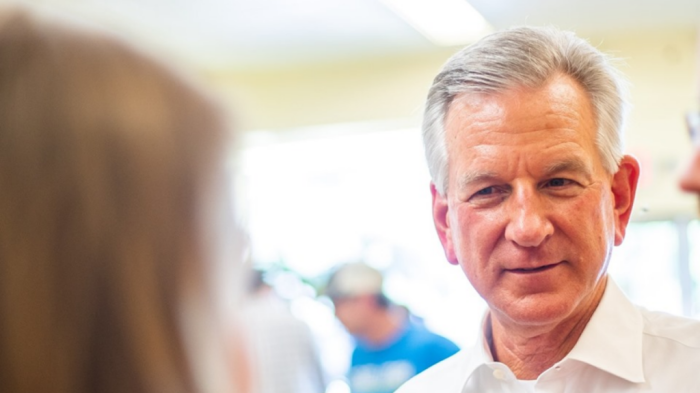
Senator Tuberville’s bid for Alabama Governor promises a highly competitive race. The interplay of his political experience, the state’s political climate, and the candidate field will shape the campaign. This analysis explores the key elements of this gubernatorial contest, including Tuberville’s potential campaign strategies, the state’s political landscape, and the likely opposition. The outcome will be closely watched, offering a glimpse into the future of Alabama politics.