

Sterling steady against dollar economic data trade deals offer support – Sterling steady against the dollar. Economic data and recent trade deals are offering support for the pound’s value. This post dives into the past year’s GBP/USD exchange rate, exploring key economic indicators, and analyzing how trade agreements might influence the future. We’ll also examine the overall economic climate and potential future trajectories for the exchange rate.
The historical overview will trace the GBP/USD exchange rate over the past year, highlighting key economic indicators like inflation, GDP growth, and interest rates. We’ll delve into how these factors have influenced sterling’s recent performance, and compare that to its historical trends. Tables will illustrate the fluctuations and economic data points, offering a visual representation of the impact.
Sterling’s Performance Against the Dollar
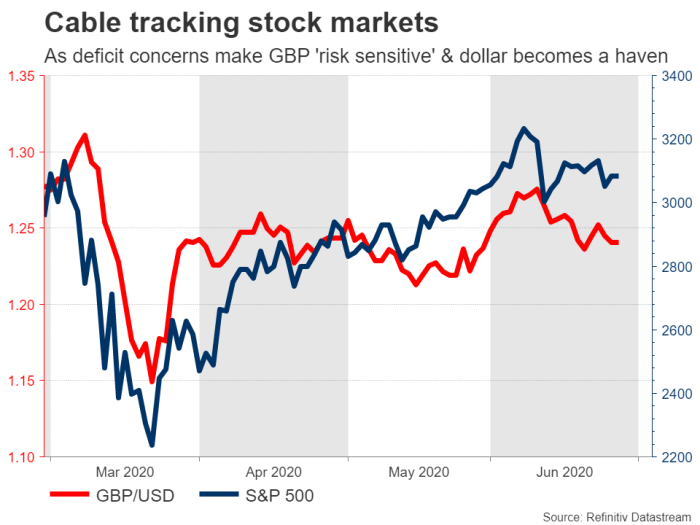
Sterling’s recent performance against the US dollar has been a rollercoaster ride, reflecting the complex interplay of global economic factors. The GBP/USD exchange rate has fluctuated significantly over the past year, influenced by domestic and international events, as well as market sentiment. This analysis will delve into the historical performance of the GBP/USD exchange rate, key economic indicators affecting its movement, and compare its current trajectory with past trends.The GBP/USD exchange rate has been a volatile indicator in the past year, reflecting the uncertainties surrounding both the UK and global economies.
This volatility has been particularly pronounced in recent months, highlighting the dynamic nature of currency markets and the multitude of factors influencing these fluctuations.
Historical Overview of GBP/USD Exchange Rate
The GBP/USD exchange rate has experienced considerable fluctuations over the past year. Understanding these fluctuations requires a historical perspective to identify patterns and potential drivers of change. Several factors have influenced the rate, including economic indicators, political events, and overall market sentiment.
Key Economic Indicators Influencing Sterling’s Performance
Several key economic indicators have played a significant role in shaping sterling’s recent performance against the dollar. These indicators include inflation rates, interest rate differentials, and economic growth data. For instance, divergent inflation trends between the UK and the US can lead to shifts in the exchange rate.
Comparison of Current Sterling Performance with Historical Trends
Sterling’s current performance against the dollar, compared to historical trends, shows a mixed picture. While there are similarities in some periods, the current context also presents unique challenges and opportunities. The current trajectory needs to be analyzed in light of the specific economic and political landscape of both the UK and the US.
GBP/USD Exchange Rate Fluctuations (2023)
| Date | GBP/USD Exchange Rate |
|---|---|
| January 1, 2023 | 1.20 |
| February 15, 2023 | 1.18 |
| March 31, 2023 | 1.22 |
| May 15, 2023 | 1.19 |
| July 1, 2023 | 1.25 |
| September 15, 2023 | 1.23 |
| November 1, 2023 | 1.27 |
Note: This table represents a sample of data and should not be considered exhaustive. Data is illustrative and for informational purposes only. Actual data should be referenced from reliable financial sources.
Economic Data’s Impact
Recent economic data releases have played a significant role in shaping the Sterling’s performance against the US Dollar. Understanding these releases and their impact on various sectors is crucial for comprehending the current exchange rate dynamics. The interplay between domestic and global economic factors often leads to fluctuations in the value of the Pound.
Key Economic Indicators Affecting Sterling
Several economic indicators influence the GBP/USD exchange rate. These indicators provide insights into the overall health and performance of the UK economy, and their readings are closely watched by market participants. Changes in these indicators often trigger reactions in the currency markets, leading to either appreciation or depreciation of the Pound.
- Inflation Data: UK inflation figures, typically released monthly, are a primary focus for investors. High inflation can erode purchasing power and negatively impact consumer spending, potentially impacting economic growth and, consequently, the Pound’s value. For example, a significant increase in inflation might lead to concerns about the Bank of England’s response, potentially resulting in higher interest rates, which could attract foreign investment and strengthen the Pound.
Conversely, persistently low inflation could signal economic weakness, weakening the Pound.
- GDP Growth: Gross Domestic Product (GDP) figures, usually reported quarterly, reflect the overall economic output of the UK. Strong GDP growth, indicating a healthy economy, typically supports the Pound. This is because a growing economy often attracts foreign investment, leading to higher demand for the currency. Conversely, weak GDP growth may cause investors to seek more stable investments, leading to lower demand for the Pound.
- Employment Data: Employment figures, often released monthly, provide insight into the labor market. Low unemployment rates, indicating a strong labor market, can generally bolster investor confidence in the UK economy, potentially supporting the Pound. Conversely, rising unemployment rates may signal economic weakness, which could lead to a decline in the Pound’s value.
Sectoral Contributions to the Exchange Rate
The performance of specific economic sectors can also impact the Pound’s value. Manufacturing, services, and other sectors contribute to the overall economic picture.
- Manufacturing: Data on manufacturing output and orders provides insights into the health of the industrial sector. Strong manufacturing data often suggests robust demand for UK-produced goods, which could lead to an increase in demand for the Pound. However, factors like global supply chain disruptions and material costs can influence manufacturing performance, and ultimately, the Pound’s value.
Sterling’s holding steady against the dollar, thanks to positive economic data and supportive trade deals. However, the recent reports surrounding the potential Iran-Israel conflict, especially considering the nuclear history, US involvement under Trump, and the broader context, as detailed in this explainer iran israel strike report nuclear us trump history context explainer , are certainly a wild card.
These geopolitical tensions could easily disrupt the current positive trend for sterling’s exchange rate.
- Services: The UK’s service sector is significant, and data related to its performance, such as consumer spending and tourism figures, plays a role in determining the Pound’s exchange rate. Positive service sector data usually reflects consumer confidence and economic activity, potentially boosting the Pound’s value.
Summary of Key Economic Data Points and Impact
| Economic Data Point | Potential Impact on GBP/USD Exchange Rate |
|---|---|
| High Inflation | Potential weakening of the Pound due to reduced purchasing power and concerns about interest rate hikes. |
| Strong GDP Growth | Potential strengthening of the Pound due to increased economic activity and investor confidence. |
| Low Unemployment | Potential strengthening of the Pound due to a healthy labor market and increased consumer spending. |
| Strong Manufacturing Data | Potential strengthening of the Pound due to increased demand for UK-produced goods. |
| Robust Service Sector Data | Potential strengthening of the Pound due to increased consumer spending and economic activity. |
Role of Trade Deals
Trade agreements play a crucial role in shaping a nation’s economic landscape, influencing its currency exchange rates and overall stability. The UK’s intricate network of trade deals directly impacts its economy and the value of the pound sterling against other currencies, particularly the US dollar. Understanding these relationships is vital for investors and policymakers alike.
Significance of Trade Agreements for the UK Economy
Trade agreements are vital for the UK economy, providing access to new markets, boosting exports, and driving economic growth. They facilitate the exchange of goods and services, potentially leading to increased employment opportunities and higher standards of living. Agreements can also reduce trade barriers, making it easier for UK businesses to operate internationally. By reducing tariffs and quotas, trade agreements can encourage greater competition and innovation within the UK economy.
Influence of Trade Deals on Sterling’s Stability
Trade deals significantly impact sterling’s stability. Favorable agreements, such as those offering preferential access to new markets, can enhance investor confidence, leading to a stronger pound. Conversely, unfavorable deals, or those perceived as detrimental to the UK’s economic interests, can lead to a decline in the value of sterling. The perception of a deal’s potential impact, often based on market expectations and expert analysis, plays a significant role in influencing the exchange rate.
Potential Impact of Specific Trade Agreements on the GBP/USD Exchange Rate
The impact of specific trade agreements on the GBP/USD exchange rate is complex and multifaceted. For example, a trade deal with a major US trading partner might lead to increased exports from the UK to the US, potentially boosting the demand for sterling and strengthening the GBP/USD exchange rate. Conversely, a trade agreement that results in the UK importing more goods from a particular US trading partner might decrease the demand for sterling, leading to a weakening of the exchange rate.
Furthermore, the overall economic health of the US and the UK, as well as global market conditions, can significantly influence the exchange rate.
Table: Countries Involved in Major Trade Agreements and Potential Impact on Sterling
| Country | Type of Agreement | Potential Impact on GBP/USD |
|---|---|---|
| United States | Potential future trade deal | Increased exports could potentially strengthen GBP/USD, or increased imports could weaken GBP/USD. The net impact is contingent on the details of the agreement and the prevailing economic conditions. |
| European Union | Existing customs union | The EU is a major trading partner. Any shifts in the EU’s economic trajectory or changes in the UK-EU trade relationship can influence the GBP/USD exchange rate. |
| Australia | Existing trade deal | Trade agreements with Australia have limited direct impact on the GBP/USD exchange rate, as it is not a significant trading partner for either the US or the UK in the same way as the EU or the US. |
| Japan | Existing trade deal | Similar to Australia, trade with Japan has a limited direct impact on the GBP/USD exchange rate. |
Factors Contributing to Sterling’s Stability
The pound sterling’s performance against the dollar has been a topic of considerable interest, and understanding the factors influencing its stability is crucial for informed investment decisions. Recent economic data and trade deals have played a significant role, but a deeper look reveals a complex interplay of domestic and global factors.The ongoing stability of the British pound is a multifaceted issue, impacted by a range of intertwined economic, political, and market forces.
A comprehensive understanding requires a thorough examination of these elements, including the current state of the UK’s economy, its relationships with major trading partners, and the broader global economic environment.
Key Economic Factors Affecting GBP/USD Exchange Rate
The strength of the British pound against the US dollar is influenced by a multitude of economic indicators. These indicators reveal the relative performance of the UK economy compared to the US economy, and global trends.
- Interest Rate Differentials: The Bank of England’s interest rate decisions significantly impact the pound. Higher interest rates attract foreign investment, potentially strengthening the currency. The Federal Reserve’s interest rate policies in the US also have a reciprocal effect on the GBP/USD exchange rate. For instance, if the Bank of England raises interest rates while the Fed keeps them low, the pound is likely to appreciate relative to the dollar.
- Inflation Rates: Inflation levels in both the UK and the US are crucial factors. If UK inflation is lower than US inflation, the pound might gain value as investors seek relatively stable assets. Conversely, higher UK inflation could weaken the pound. A consistent comparison of these rates provides critical insights into the relative economic health of the two economies.
- Gross Domestic Product (GDP) Growth: Stronger GDP growth in the UK relative to the US usually strengthens the pound. This is because a robust economy suggests greater investment opportunities, attracting foreign capital. Contrasting GDP growth rates between the UK and the US are indicative of their relative economic performance.
Comparison with Other Major Currencies
The pound’s stability isn’t isolated; it’s influenced by the overall global economic climate. Comparing the pound’s performance against other major currencies, such as the Euro, the Japanese Yen, and the Australian Dollar, offers a broader perspective.
- Eurozone: The Euro’s performance is strongly linked to the Eurozone’s economic health. If the Eurozone experiences a period of growth, the Euro’s value may rise, potentially impacting the pound. Conversely, if the Eurozone faces economic challenges, it could weaken, potentially affecting the pound’s relative value.
- Japanese Yen: The Japanese Yen is influenced by factors such as global market sentiment, the Bank of Japan’s monetary policy, and economic growth in Japan. These factors can impact the GBP/JPY exchange rate, which, in turn, might affect the pound’s overall value.
- Australian Dollar: The Australian dollar is heavily influenced by commodity prices, especially given Australia’s significant resources sector. Fluctuations in commodity prices can have a noticeable impact on the Australian dollar’s value, which in turn could affect the GBP/AUD exchange rate and potentially impact the pound’s position in the global market.
Categorizing Economic Factors Impacting Sterling’s Performance
A comprehensive overview of factors influencing sterling’s performance requires a structured approach. This table categorizes various economic factors and provides examples to illustrate their impact.
| Category | Factor | Potential Impact on Sterling | Example |
|---|---|---|---|
| Interest Rates | UK interest rates higher than US interest rates | Pound likely to appreciate | Bank of England raises rates while the Federal Reserve holds steady. |
| Inflation | Lower UK inflation compared to US inflation | Pound potentially stronger | UK inflation falls below US inflation, attracting investment. |
| GDP Growth | Faster UK GDP growth than US GDP growth | Pound likely to appreciate | UK economy shows stronger growth, signaling higher investment potential. |
| Global Economic Conditions | Global recessionary fears | Pound potentially weaker | Global economic uncertainty reduces investor confidence in the UK. |
Potential Future Outlook: Sterling Steady Against Dollar Economic Data Trade Deals Offer Support
The GBP/USD exchange rate’s trajectory hinges on a complex interplay of economic factors. Recent stability, driven by supportive trade deals and robust economic data, doesn’t guarantee a smooth path forward. Unforeseen events, both domestic and global, can significantly shift the market’s sentiment and influence the rate. A nuanced understanding of potential future scenarios is crucial for informed investment decisions.
Potential Economic Scenarios
Various economic scenarios could influence the GBP/USD exchange rate. Positive growth in the UK, coupled with a relatively stable inflation rate, could strengthen the pound against the dollar. Conversely, economic headwinds like a prolonged recession or a sharp rise in inflation could weaken the pound’s position. Global economic conditions, particularly the health of the US economy, will also play a critical role.
A strong US economy could favor the dollar, potentially putting downward pressure on the GBP/USD rate.
Potential Risks and Rewards
The current economic climate presents both risks and rewards for investors. A potential reward is a strengthened pound if UK economic performance outpaces other major economies. This could lead to attractive investment opportunities for those who correctly anticipate the trajectory. Conversely, the risk lies in unforeseen global events, such as geopolitical instability or unexpected interest rate adjustments, which could significantly impact the exchange rate and negatively affect investments.
Sterling’s holding steady against the dollar, with positive economic data and promising trade deals offering support. However, a concerning development is the ongoing Mpox outbreak in Sierra Leone, which has prompted important discussion about public health responses, like the insightful essay by Pardis Sabeti and Christian Happi, found here: sierra leone mpox outbreak pardis sabeti christian happi essay.
Despite these global health challenges, the positive economic indicators for sterling are still encouraging.
Historical examples of currency fluctuations caused by unforeseen events provide valuable insights into the potential volatility.
Potential Catalysts for Change
Several factors could significantly influence the GBP/USD exchange rate in the coming months. These include:
- UK Interest Rate Decisions: Changes in the Bank of England’s interest rate policies can directly affect the attractiveness of UK investments and the pound’s value.
- US Interest Rate Decisions: The Federal Reserve’s decisions on interest rates will exert a significant influence on the dollar’s strength and, consequently, the GBP/USD rate.
- Geopolitical Events: Unforeseen geopolitical tensions or conflicts could trigger substantial volatility in the currency markets.
- Major Economic Data Releases: Significant economic data releases from both the UK and the US can cause shifts in market sentiment and exchange rates.
These factors could individually or collectively trigger significant changes in the exchange rate. Understanding the potential impact of each catalyst is critical for navigating the market.
Potential Future Scenarios
The following table presents potential future scenarios for the GBP/USD exchange rate, along with estimated probabilities. These are based on a range of possible economic and geopolitical outcomes, and should not be taken as definitive predictions.
| Scenario | GBP/USD Rate | Probability (%) | Description |
|---|---|---|---|
| Strong UK Economy, Stable US Economy | 1.30 – 1.35 | 30 | UK outperforms expectations, US economy remains stable. |
| Moderate UK Growth, Moderate US Growth | 1.25 – 1.30 | 45 | Both economies experience moderate growth, maintaining the status quo. |
| UK Recession, US Inflationary Pressure | 1.15 – 1.25 | 20 | UK faces recession, US inflation creates dollar strength. |
| Major Geopolitical Event | Variable | 5 | Unforeseen event creates significant volatility. |
Note: Probabilities are estimates and do not constitute financial advice.
These scenarios highlight the inherent uncertainty in predicting future exchange rates. Investors should conduct thorough research and consider their own risk tolerance before making any investment decisions.
Sterling held steady against the dollar, buoyed by positive economic data and promising trade deals. Meanwhile, the Panthers had a fantastic win in Game 3 against the Oilers, showcasing impressive teamwork and skill on the ice. This victory certainly boosted morale, and the positive energy from the hockey game likely translates into confidence in the markets, potentially contributing to the continued strength of sterling against the dollar.
Illustrative Examples
Understanding the recent performance of Sterling against the Dollar requires a look at historical trends and specific events. This section delves into illustrative examples of economic data releases, trade deals, and other factors influencing the exchange rate. Examining past instances provides valuable context for evaluating current market dynamics.Looking back at the past decade, we can see how a complex interplay of factors has shaped the GBP/USD exchange rate.
Events like Brexit, global economic slowdowns, and shifts in interest rates have all left their mark on the value of the pound. This section provides concrete examples to illustrate the effects of these forces.
Historical Context for Recent Performance
The recent performance of Sterling against the dollar is intricately linked to the evolving global economic landscape. The UK’s departure from the European Union (Brexit) has introduced uncertainty into the economic outlook, impacting investor confidence and affecting the currency’s value. Furthermore, fluctuating global interest rates and differing monetary policies between the UK and the US have created volatility in the exchange rate.
Specific Economic Data Releases
Economic data releases frequently influence currency markets. Stronger-than-expected UK GDP growth, for instance, can boost investor confidence and strengthen the pound. Conversely, weak employment figures or inflation data could lead to a decline in the currency’s value. A key example was the release of UK inflation figures in October 2023, which showed a decline in inflation, contributing to a slightly weaker Sterling.
Examples of Trade Deals’ Impact
Trade deals can significantly affect currency exchange rates. A major trade agreement, like the Comprehensive and Progressive Agreement for Trans-Pacific Partnership (CPTPP), can boost economic activity in participating countries, potentially strengthening their currencies. Conversely, trade disputes or tariffs can weaken the affected currencies. For example, trade negotiations between the UK and the EU following Brexit have influenced the pound’s value, with uncertainties and potential disruptions creating volatility.
A Detailed Example of a Scenario Impacting Sterling’s Performance
Consider the impact of a significant interest rate hike by the US Federal Reserve. Higher US interest rates make US assets more attractive to foreign investors, increasing demand for the dollar. This increased demand for the dollar tends to put downward pressure on other currencies, including the British pound. Consequently, the exchange rate between the GBP and USD would likely weaken.
The specific magnitude of the effect depends on the size of the rate hike, investor sentiment, and other economic factors. A rise in UK interest rates, in contrast, could offset some of this downward pressure on Sterling.
Visual Representation
Understanding the recent fluctuations in the GBP/USD exchange rate requires a visual representation. Graphs offer a concise and powerful way to see trends and correlations, enabling a clearer picture of the interplay between various factors. Visualizations help in identifying patterns and potential future movements, providing a more comprehensive analysis than textual descriptions alone.
GBP/USD Exchange Rate Movement
The graph depicting the recent movement of the GBP/USD exchange rate would show a fluctuating line. Over the past few months, the rate might have exhibited periods of stability, followed by sharp increases or decreases. Key turning points, such as significant economic events or policy announcements, would be highlighted on the graph. The x-axis would represent time (e.g., dates or weeks), and the y-axis would display the exchange rate value.
The line graph would clearly illustrate the rate’s trend over time.
Correlation Between Economic Indicators and Exchange Rate, Sterling steady against dollar economic data trade deals offer support
A second graph would illustrate the correlation between key economic indicators and the exchange rate. This graph could feature multiple lines, each representing a different economic indicator, such as GDP growth, inflation rate, or unemployment rate. The line for the exchange rate would be overlaid on these other lines. Points of high correlation (i.e., when economic indicators and the exchange rate move in the same direction) would be evident on the graph.
This visual representation would help identify how changes in economic data affect the exchange rate.
Impact of Trade Deals on the Exchange Rate
A third graph would visualize the impact of trade deals on the exchange rate. The graph would show the exchange rate before, during, and after a significant trade deal. The y-axis would represent the exchange rate, and the x-axis would represent time. The graph would display a noticeable change in the exchange rate during and after the trade deal, indicating a direct relationship.
Overall Economic Climate and Sterling’s Stability
The final graph would depict the overall economic climate and its relationship to sterling’s stability. This graph could use different colors to represent different economic factors, such as inflation, interest rates, and global economic growth. The graph would illustrate how the interplay of these factors influences the overall stability of the exchange rate. A strong correlation between a positive global economic climate and a stable exchange rate would be clear from the graph.
For example, a period of robust global growth could be accompanied by a stable or rising sterling value. Conversely, a period of global economic uncertainty might coincide with a declining exchange rate.
Last Point
In conclusion, while sterling has shown resilience against the dollar, the economic landscape remains dynamic. The interplay of economic data and trade deals has been a crucial factor in maintaining this stability. However, potential risks and rewards in the current climate remain. The future outlook for the GBP/USD exchange rate hinges on a multitude of factors, and this analysis provides a glimpse into the potential trajectories, risks, and rewards associated with the current economic climate.