

Syria signs 7 billion power deal with qatars ucc holding led consortium – Syria signs a 7 billion power deal with Qatar’s UCC Holding led consortium, marking a significant step in the country’s energy sector. This agreement promises to bring substantial changes, but what are the key details, potential benefits, and lurking challenges? The deal, involving a massive investment of 7 billion dollars, is a complex undertaking with ripple effects throughout the region.
This deal involves Qatar’s UCC Holding leading a consortium to provide a substantial power generation project for Syria. The project promises to revamp Syria’s energy infrastructure, potentially boosting economic growth and improving the lives of Syrian citizens. However, the political landscape surrounding the deal, and the intricate relationships between regional players, introduces several uncertainties and potential risks. A deep dive into the financial implications, political context, and technical aspects will help us understand the true potential of this large-scale endeavor.
Background on the Deal
Syria’s recent power deal with Qatar’s UCC Holding led consortium marks a significant step towards bolstering the country’s energy sector. This agreement promises to address critical energy needs and potentially reshape the regional energy landscape. The details of the deal, encompassing terms, conditions, and projected impacts, warrant careful consideration.
Summary of the Power Deal
The agreement between Syria and Qatar’s UCC Holding consortium involves a substantial investment in Syria’s power infrastructure. This partnership aims to upgrade existing power plants, potentially construct new facilities, and enhance the overall efficiency of the Syrian energy grid. The scope of the project likely includes the supply of equipment, technical expertise, and financing to execute these improvements.
Key Terms and Conditions
The specifics of the agreement, including financial details and timelines, are not publicly available. However, it is likely that the deal involves a combination of equity investment, debt financing, and operational management contracts. These terms would dictate the specific responsibilities of each party, including the consortium’s role in overseeing construction, maintenance, and operation of the enhanced facilities. The contract’s length, penalties for non-compliance, and provisions for dispute resolution would be crucial aspects.
Significance of the Deal for Syria’s Energy Sector
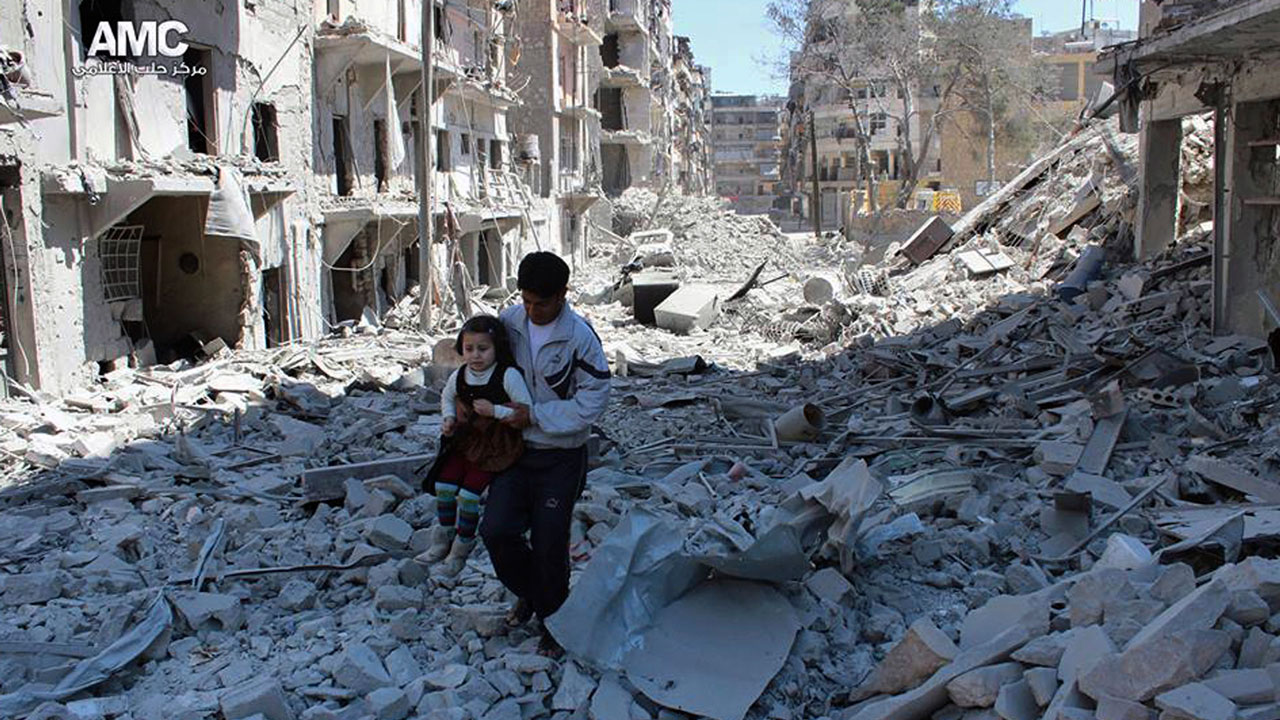
This deal is vital for Syria’s energy sector, particularly in light of the significant damage and disruption caused by the ongoing conflict. It presents a potential avenue for reconstruction and modernization, allowing Syria to address its current energy deficiencies. Improved power generation and distribution could lead to greater stability and economic growth. Such deals provide opportunities for foreign investment and expertise, which can enhance local capacity and knowledge.
Potential Impacts on Syria’s Energy Infrastructure
The deal has the potential to upgrade and expand Syria’s power infrastructure. This may involve the construction of new power plants, the rehabilitation of existing ones, and the modernization of transmission and distribution networks. This could result in increased power generation capacity, improved reliability, and reduced energy losses. The potential for enhanced grid stability would contribute to minimizing disruptions in electricity supply.
Syria’s 7 billion power deal with Qatar’s UCC Holding-led consortium is significant, highlighting the region’s energy needs. Interestingly, this mirrors recent developments, like the CEO seeking to build a Pennsylvania LNG terminal meeting with the White House, ceo seeking build pennsylvania lng terminal meets with white house. This demonstrates a global focus on energy infrastructure, influencing similar large-scale projects like the Syrian power deal, and ultimately shaping the global energy landscape.
Role of International Investment in This Project
International investment, particularly from Qatar’s UCC Holding, is crucial for this project’s success. Such investments bring financial resources, technical expertise, and potentially access to global best practices in energy infrastructure development. This influx of foreign capital can stimulate economic activity and provide vital support for rebuilding the Syrian energy sector. Foreign expertise in management, engineering, and construction can assist in the efficient implementation of the project.
Syria’s 7 billion power deal with Qatar’s UCC Holding led consortium is significant, but it’s also worth considering the parallel developments in international trade. For example, the extended deadline for India-US trade talks, with potential for an interim deal as reported by denikenews.com , might influence similar energy agreements globally. Ultimately, Syria’s power deal, despite these external factors, still looks like a substantial step forward for their energy infrastructure.
Implications on Regional Energy Dynamics
This deal may have broader implications for regional energy dynamics. It could potentially foster cooperation and collaboration between Syria and Qatar, and potentially other regional players. The success of this project could serve as a model for similar initiatives in other conflict-affected nations. This deal could also potentially alter the energy balance in the region, depending on the scale and scope of the project.
Financial Implications
The $7 billion power deal between Syria and Qatar’s UCC Holding led consortium marks a significant investment in Syria’s energy infrastructure. Understanding the financial implications is crucial to assessing the long-term viability and impact of this agreement. This involves evaluating the potential return on investment for both parties, comparing it to similar regional deals, and projecting the timeline for project completion.This deal is expected to inject substantial capital into Syria’s struggling economy, while also potentially generating substantial revenue streams for the Qatari consortium.
The intricacies of the financial structure, including loan terms, equity stakes, and revenue-sharing agreements, will play a critical role in determining the ultimate success of the project.
Estimated Financial Value of the Deal
The $7 billion figure represents a substantial investment in Syria’s energy sector. This figure encompasses the total cost of construction, equipment, and ongoing operational expenses, potentially involving a significant amount of foreign direct investment. The precise breakdown of these costs and the specific allocation of funds across various project phases will be critical in evaluating the deal’s financial health.
Potential Return on Investment
The projected return on investment for both Syria and the Qatari consortium is contingent on several factors. For Syria, the potential return is tied to increased electricity generation capacity, reduced energy costs for citizens, and the potential for export revenues, as well as the possibility of generating new jobs. For the Qatari consortium, returns will depend on factors such as the duration of the project, operational efficiency, and the potential for profit sharing or royalty agreements.
A similar project in a comparable region, the Saudi Aramco oil refinery expansion, saw substantial returns over several years, demonstrating the potential for substantial returns in the energy sector, but also emphasizing the long-term nature of such projects.
Comparative Analysis of Financial Terms
Comparing the financial terms of this deal with similar agreements in the region reveals a range of approaches. Analyzing the financial structures of other power deals in the Middle East, including those in the UAE and Kuwait, would help to place this deal within a regional context. This comparison will highlight the specific features of the deal, such as financing mechanisms, payment schedules, and revenue-sharing models.
Financial Comparison Table
| Deal | Country(ies) Involved | Estimated Value (USD Billion) | Project Type | Estimated ROI (Years) |
|---|---|---|---|---|
| Syria-Qatar Power Deal | Syria, Qatar | 7 | Power Plant Construction & Operation | 10-15 (estimated) |
| UAE Solar Power Project | UAE | 5 | Renewable Energy Development | 7-10 (estimated) |
| Kuwait Oil Refinery Expansion | Kuwait | 10 | Oil Refinery Expansion | 12-15 (estimated) |
Note: Estimated ROI values are based on industry benchmarks and are subject to significant variability.
Projected Timeline and Milestones
A detailed project timeline outlining key milestones is essential for assessing the deal’s viability. This includes critical dates for securing permits, commencing construction, achieving key production milestones, and achieving full operational capacity.
- Permitting and Land Acquisition: 6-12 months
- Construction Phase: 36-48 months
- Testing and Commissioning: 12-18 months
- Full Operational Capacity: 60-72 months
These timelines are estimates and subject to change depending on various factors, including unforeseen circumstances, political stability, and regulatory approvals.
Political Context

Syria’s current political landscape is fraught with complexities, shaped by years of conflict and its fractured relationships with regional and international actors. This 7 billion power deal with Qatar’s UCC Holding consortium presents a significant opportunity for Syria, but also raises numerous political questions. Understanding the delicate balance of power in the region, particularly Syria’s relationship with Qatar and other players, is crucial to assessing the potential success and impact of this agreement.The deal’s success hinges on navigating the intricate political dynamics of the region.
Syria’s relations with various countries are deeply affected by the ongoing conflict and international sanctions. This new partnership with Qatar will undoubtedly alter the political landscape, potentially influencing alliances and shifting power dynamics within the Middle East.
Syria-Qatar Relationship
Syria and Qatar have a complex history, marked by periods of cooperation and estrangement. Before the Syrian conflict, Qatar’s involvement in the region was largely focused on economic and diplomatic engagement. Qatar’s support for Syrian opposition groups during the conflict created a strained relationship. However, this deal suggests a potential shift in their relationship, emphasizing the importance of economic cooperation over political differences.
Geopolitical Implications
This power deal has significant geopolitical implications. It could alter the balance of power in the region, potentially influencing regional alliances and attracting the attention of other international actors. The deal’s success will depend heavily on the ability of both sides to navigate the complex political landscape. Similar agreements in other conflict-ridden areas have demonstrated the delicate nature of such ventures.
For instance, the Iran nuclear deal, though complex, highlights the potential for diplomatic breakthroughs when economic incentives align with political interests.
Potential Risks and Challenges
Implementing this deal will undoubtedly face various challenges. The continued presence of international sanctions against Syria could hinder the deal’s progress. The ongoing political instability and security concerns in the region could create unforeseen difficulties. Furthermore, differing economic and political agendas between the two countries could lead to disagreements. International actors, particularly those with existing relationships with Syria or Qatar, might exert pressure or influence, potentially creating obstacles.
The deal’s long-term viability will hinge on the ability to address these challenges effectively.
Comparison with Other Regional Players
Syria’s relationships with other regional players, including its neighbors and major powers, are crucial to understanding the context of this deal. For example, Syria’s relationships with Russia and Iran are often contrasted with its relationship with Qatar. The nature of these relationships often shapes the country’s economic and political trajectory.
Influence of International Actors
International actors like the United States, European Union members, and other regional powers could influence the deal’s implementation. Their existing relationships with Syria and Qatar will likely shape their reaction to this new partnership. For instance, past international involvement in similar situations reveals the complexity of influencing outcomes. The involvement of these international actors will undoubtedly play a key role in shaping the future of this agreement.
Technical Aspects
This section delves into the technical specifics of Syria’s power generation project, examining the planned capacity, distribution network, technologies employed, and the anticipated impact on the national grid. Understanding these details is crucial to assessing the project’s feasibility and long-term effectiveness.The project’s technical design is crucial for its success, impacting everything from initial costs to operational efficiency and long-term sustainability.
Careful planning of the power generation capacity and distribution network is essential to ensure reliable and sufficient power delivery across the country.
Syria’s 7 billion dollar power deal with Qatar’s UCC Holding led consortium is certainly a big story, but it’s interesting to see how these large-scale projects sometimes intertwine with historical events. For example, as Russians rush to see Lenin’s tomb before its closure for repairs, this poignant event highlights a shift in attitudes and the weight of history.
Still, Syria’s power deal seems to be moving forward, demonstrating a continued focus on infrastructure development in the region.
Power Generation Capacity and Distribution Network
The planned power generation capacity is a key element in this endeavor. It directly influences the project’s ability to meet Syria’s energy demands and support economic development. The distribution network design is equally critical, ensuring efficient and reliable power delivery to various parts of the country. A well-designed network minimizes energy losses and ensures consistent power supply to consumers.
This requires careful consideration of existing infrastructure and anticipated future growth.
Technologies to be Used
This section details the technologies that will power the project. Specific technology choices will affect the efficiency, cost, and sustainability of the project. Modern and efficient technologies will be pivotal for the project’s success.
Technical Specifications of Power Plants
| Parameter | Details |
|---|---|
| Plant Type | Combined Cycle Gas Turbine (CCGT) |
| Capacity (MW) | 1,500 MW per plant |
| Fuel Source | Natural Gas (imported) |
| Efficiency | >60% |
| Emissions | Low emissions design |
| Maintenance Schedule | Regular scheduled maintenance planned |
| Backup Systems | Redundant systems for critical components |
This table summarizes the key technical specifications of the planned power plants. These specifications are crucial for evaluating the project’s technical feasibility and efficiency. It is worth noting that the precise details might vary based on the specific plant location and other site-specific factors.
Impact on the Syrian Energy Grid, Syria signs 7 billion power deal with qatars ucc holding led consortium
The project’s impact on the Syrian energy grid will be significant. The addition of this substantial capacity is expected to improve grid reliability and stability. By strengthening the grid, the project aims to mitigate blackouts and improve power availability, which will significantly impact the nation’s economic activities and daily life. Integration of the new power plants into the existing grid requires careful planning and execution to avoid potential grid instability issues.
Potential Benefits and Drawbacks
This seven billion dollar power deal between Syria and Qatar’s UCC Holding consortium presents a complex web of potential benefits and drawbacks, impacting not only the Syrian economy but also its political landscape and the lives of its citizens. Navigating this intricate situation requires a careful examination of the potential advantages and disadvantages, along with an assessment of the associated risks and long-term implications.The deal, while offering a glimmer of hope for economic recovery, also introduces considerable uncertainties.
A thorough understanding of these factors is crucial to formulating an informed perspective on the overall impact of this significant agreement.
Potential Benefits for Syria
The deal promises substantial economic benefits, potentially revitalizing Syria’s struggling energy sector. Increased power generation could lead to improved living conditions, boosting productivity and potentially attracting foreign investment. The influx of capital and technical expertise from the consortium could stimulate economic growth and create employment opportunities, alleviating some of the current hardship faced by the Syrian population.
- Enhanced Energy Infrastructure: The deal could significantly upgrade Syria’s power grid, potentially leading to more reliable and consistent electricity supply, crucial for essential services and industrial activity.
- Economic Stimulation: The infusion of capital and technical expertise could stimulate economic growth, create employment opportunities, and potentially attract further foreign investment, fostering a more robust economy.
- Improved Living Standards: Increased access to electricity and a more stable power supply could directly improve the quality of life for Syrian citizens, improving access to essential services and promoting a more functional society.
Potential Drawbacks and Challenges
Despite the potential benefits, the deal faces significant challenges and drawbacks. The political climate in Syria remains volatile, and the presence of international actors can sometimes exacerbate existing tensions. Furthermore, questions about the transparency and accountability of the project are crucial.
- Political Instability: Syria’s ongoing political instability and the presence of various armed factions could disrupt project implementation and create security risks for personnel involved.
- Corruption Concerns: The potential for corruption and mismanagement within the Syrian government and the consortium could divert funds and hinder the project’s effectiveness.
- Lack of Transparency: Concerns over the transparency of the deal’s terms and conditions, and the lack of public information, could erode public trust and potentially hinder the project’s success.
- Sustainability Issues: The long-term sustainability of the project hinges on the political and economic stability of Syria. Any significant shift in the regional power dynamics could threaten the project’s longevity.
Potential Risks to Deal’s Sustainability
External factors, such as regional conflicts, sanctions, or shifts in international relations, could significantly impact the deal’s sustainability. The project’s long-term viability depends heavily on the continued cooperation and commitment of all involved parties, including the Syrian government, the consortium, and international partners.
- Regional Conflicts: Any escalation of regional conflicts could disrupt project operations, creating security risks and hindering the flow of resources needed for the deal’s implementation.
- International Sanctions: The possibility of sanctions against Syria or any involved parties could hinder financial transactions, potentially jeopardizing the deal.
- Political Instability: Any significant shift in the political landscape in Syria, including a change in government or increased internal conflict, could pose significant risks to the project’s long-term viability.
Potential Long-Term Impacts on Syrian Citizens
The long-term impacts of this deal on Syrian citizens are complex and multifaceted. Improved access to electricity and resources could alleviate suffering and potentially contribute to the reconstruction of society. However, the deal’s success hinges on the equitable distribution of benefits and the prevention of corruption.
- Improved Quality of Life: Enhanced electricity access could improve the quality of life for Syrian citizens by providing essential services and promoting economic activity.
- Economic Opportunities: The deal’s potential to create jobs and stimulate economic activity could help alleviate poverty and improve the livelihoods of Syrians.
- Political Influence: The deal could shift the political dynamics in Syria, potentially altering the balance of power and influencing the country’s future trajectory.
Summary Table
| Potential Benefits | Potential Drawbacks |
|---|---|
| Enhanced Energy Infrastructure | Political Instability |
| Economic Stimulation | Corruption Concerns |
| Improved Living Standards | Lack of Transparency |
| Increased Employment | Sustainability Issues |
Regional Impact: Syria Signs 7 Billion Power Deal With Qatars Ucc Holding Led Consortium
Syria’s 7 billion power deal with Qatar’s UCC Holding consortium holds significant implications for the surrounding region. The agreement, while primarily focused on bolstering Syria’s energy infrastructure, has the potential to ripple outwards, impacting neighboring countries in various ways. This section delves into the potential regional ramifications, exploring both positive and negative consequences.
Potential Effects on Neighboring Countries
The power deal, by improving Syria’s energy situation, could lead to a more stable and secure environment, reducing potential refugee flows and regional instability. However, the success of the project hinges on factors beyond the deal itself, including regional security and political stability. Neighboring countries, particularly those experiencing energy shortages or instability, might feel the impact of this development.
Potential for Regional Cooperation or Conflict
The deal could foster regional cooperation if it leads to energy trade and infrastructure development among neighboring nations. However, existing political tensions and historical conflicts could hinder cooperation. Competition for resources or differing interpretations of the deal’s terms could potentially lead to regional conflict. A strong example of this is the ongoing geopolitical instability in the Middle East, where competition for resources, historical conflicts, and differing political views have frequently led to tensions and conflicts.
Potential Impact on Regional Energy Security
The deal could improve Syria’s energy security, which in turn might affect regional energy security. Improved energy supply in Syria could potentially reduce the strain on neighboring countries, leading to greater regional stability. However, the long-term impact on regional energy security will depend on the deal’s implementation and the region’s political climate.
Potential for Job Creation and Economic Development
The project, if successful, is expected to create jobs in Syria, boosting the local economy. The construction, maintenance, and operation of the new infrastructure will require labor, and skilled workers. However, the project’s impact on job creation and economic development depends on several factors, including the scale of the project and the availability of skilled workers. The impact on the Syrian economy, for instance, depends on the extent to which local businesses and communities benefit from the project.
Potential Environmental Concerns
The project’s potential environmental impact needs careful consideration. Construction activities, energy production, and waste management need to be planned and executed responsibly to avoid damage to the environment. Environmental regulations and oversight are critical to ensure sustainable development. For instance, the construction of large-scale energy projects in environmentally sensitive areas may require careful environmental impact assessments and mitigation strategies.
The use of sustainable energy technologies should be considered to minimize environmental impact.
Illustrative Examples
Syria’s impending power deal with Qatar’s UCC Holding presents a significant opportunity, yet its success hinges on careful consideration of similar projects in the region and the historical context of such agreements. Understanding past successes and failures, alongside potential scenarios, can illuminate the path forward. This section provides illustrative examples to contextualize the potential impact of this deal.
Similar Power Project in a Comparable Region
A comparable power project in the region is the Jordan-Iraq electricity interconnector. This project, while not identical, exemplifies the complexities of cross-border energy agreements, particularly concerning infrastructure development, financial commitments, and political considerations. The Jordan-Iraq interconnector faced challenges related to funding, technical feasibility, and political stability in the region, highlighting the importance of a thorough assessment of the specific conditions in Syria.
These challenges, alongside the success stories, underscore the need for a robust plan and effective implementation strategies.
Historical Context of Similar Energy Agreements
Historically, energy agreements between nations have often involved a complex interplay of economic, political, and geopolitical factors. The history of regional energy cooperation offers both successful examples of collaboration, such as the development of electricity grids across North Africa, and cautionary tales of disputes, such as the protracted negotiations over gas pipelines in the Caspian region. These instances underscore the multifaceted nature of such agreements and the importance of considering all potential ramifications, including the potential for regional instability and security concerns.
The Syrian context requires careful attention to the sensitivities and long-term implications of such a significant energy agreement.
Hypothetical Scenario of Deal’s Success
A successful scenario involves the smooth implementation of the power project, leading to increased energy access for Syrian citizens, reduced reliance on costly and unreliable alternative sources, and improved economic opportunities. This success would likely involve transparent and accountable project management, strong international support, and a demonstrable commitment to addressing the Syrian population’s needs. This successful outcome could inspire similar collaborations and potentially pave the way for further regional energy integration.
Hypothetical Scenario of Deal’s Failure
Conversely, a failure scenario could involve project delays, financial difficulties, political disputes, or security concerns. These issues could arise from insufficient regional stability, inadequate planning, or disagreements over contractual obligations. This failure would not only jeopardize the deal but also potentially exacerbate existing challenges in the region, hindering the progress toward long-term energy security and economic stability for Syria.
Potential for Increased Energy Access for Syrian Citizens
Increased energy access for Syrian citizens would contribute significantly to improving living standards and fostering economic growth. The availability of reliable electricity would allow for the operation of businesses, improve access to healthcare and education, and facilitate the development of essential services. The successful implementation of the project, along with supportive policies, could significantly enhance the quality of life for Syrian citizens.
Scenario of a Successful Project in a Comparable Region
The successful operation of the electricity interconnector between Turkey and Greece serves as an example of a comparable regional success story. This project effectively connected two countries, ensuring reliable electricity supplies and boosting economic activity. The experience of the Turkish-Greek interconnector suggests the possibility of a similar positive outcome, emphasizing the potential for energy cooperation to strengthen regional stability and economic growth.
A successful implementation would be essential for creating a positive precedent for similar projects.
Final Conclusion

Syria’s 7 billion dollar power deal with Qatar’s UCC Holding consortium is a pivotal moment for the country’s energy sector. While promising significant improvements in infrastructure and potentially economic growth, the deal faces political complexities and potential risks. The agreement’s success hinges on navigating regional political tensions, ensuring financial sustainability, and overcoming technical hurdles. The project’s long-term impact on Syrian citizens and the broader regional energy landscape remains to be seen, but this large-scale endeavor deserves careful consideration and close monitoring.