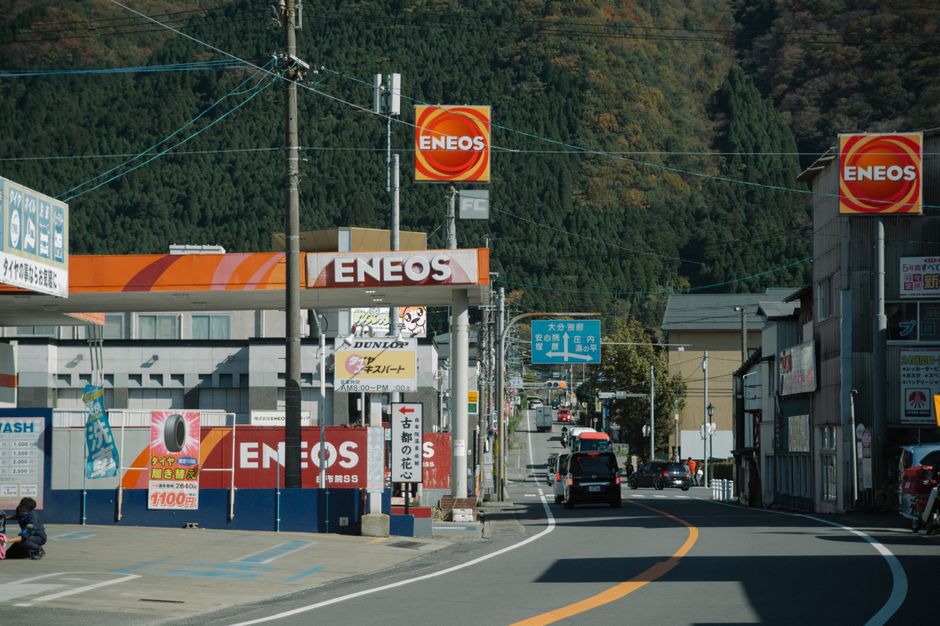
ENEOS Kawasaki Refinery Unit Faces Unplanned Shutdown: 77,000 bpd Capacity Impacted
ENEOS Corporation, Japan’s largest oil refiner, has commenced an unplanned shutdown of a significant crude distillation unit (CDU) at its Kawasaki refinery. This disruption, impacting a unit with a capacity of approximately 77,000 barrels per day (bpd), is expected to have ripple effects on regional fuel supply chains and potentially influence domestic and international oil product markets. The specific reasons for the unscheduled outage have not been fully disclosed by ENEOS, but such events typically stem from equipment malfunctions, unexpected maintenance needs, or safety concerns identified during ongoing operations. The duration of the shutdown is also currently unconfirmed, adding a layer of uncertainty for stakeholders and market observers monitoring Japanese refining operations.
The Kawasaki refinery, strategically located in the Kanagawa Prefecture, is a cornerstone of ENEOS’s refining network and a crucial supplier of refined petroleum products to the densely populated Kanto region of Japan. The affected CDU is responsible for processing crude oil into various intermediate streams that are further refined into gasoline, diesel, jet fuel, and other essential products. The immediate consequence of this shutdown is a reduction in the refinery’s overall processing capacity, forcing ENEOS to adjust its production schedules and potentially rely on other facilities or imported products to meet demand. The scale of the disruption, affecting a 77,000 bpd unit, represents a notable percentage of the refinery’s total capacity and underscores the potential for market impact.
Unplanned refinery shutdowns, while an unfortunate reality in the complex and demanding petrochemical industry, can be attributed to a multitude of factors. These can range from critical component failures requiring immediate repair to the detection of anomalies that necessitate a halt in operations for thorough investigation and rectification. The high temperatures and pressures involved in crude oil refining, coupled with the continuous nature of operations, place immense stress on equipment. Even with rigorous preventative maintenance programs, unforeseen issues can arise, leading to the need for emergency shutdowns to ensure operational integrity and, most importantly, the safety of personnel and the surrounding environment. For ENEOS, the priority would be to diagnose the root cause of the issue at the Kawasaki facility and implement the necessary repairs to resume operations as swiftly and safely as possible.
The implications of this 77,000 bpd unit shutdown extend beyond the immediate operational concerns for ENEOS. Japan, as a major industrialized nation, has a substantial demand for refined petroleum products. A reduction in domestic refining capacity, particularly in a key industrial hub like the Kanto region, could lead to increased reliance on imports to bridge the supply gap. This, in turn, could put upward pressure on prices for gasoline, diesel, and other fuels within Japan, affecting consumers and businesses. Furthermore, any significant disruption in a major refining country like Japan can have broader implications for regional and even global oil product markets. Traders and analysts will be closely watching the situation to assess potential shifts in trade flows and price differentials.
The timing of this unplanned shutdown is also a critical factor. If it occurs during a period of high demand, such as the summer driving season or a particularly cold winter requiring increased heating oil, the impact on supply and prices could be more pronounced. Conversely, if it occurs during a period of lower demand, the immediate market reaction might be more subdued. However, the uncertainty surrounding the duration of the outage means that even a shutdown during a lower demand period could become significant if it extends for an extended period. ENEOS will be under pressure to provide more clarity on the timeline for repairs and the expected restart date of the affected unit to help stabilize market expectations.
The Japanese refining sector is characterized by a consolidation of large, integrated refining complexes. ENEOS, through its extensive network, plays a dominant role. Disruptions at any of its key facilities, therefore, carry significant weight. The Kawasaki refinery is one of ENEOS’s most important assets, and an unplanned outage of this magnitude will undoubtedly trigger a review of its inventory levels and its ability to fulfill contracted supply obligations. Contingency plans are typically in place for such eventualities, involving the redirection of product from other ENEOS refineries, the purchase of products from other Japanese refiners, or the importation of specific products to meet market needs. The effectiveness of these contingency measures will be a key determinant of the overall market impact.
From an SEO perspective, keywords such as "ENEOS," "Kawasaki refinery," "unplanned shutdown," "crude distillation unit," "77,000 bpd," "Japan oil supply," "refinery outage," "petroleum products," and "fuel prices" are highly relevant. Integrating these terms naturally within the content is crucial for attracting relevant organic traffic. Discussions around the technical aspects of refinery operations, the economic implications of supply disruptions, and the geopolitical context of energy markets also contribute to the article’s depth and search engine visibility. Explaining what a crude distillation unit (CDU) does, for instance, provides valuable context for readers and boosts the article’s informational value.
The long-term implications of such events also warrant consideration. While this is an unplanned outage, it may prompt ENEOS to reassess its asset maintenance strategies and potentially accelerate planned upgrades or investments in operational resilience. The continuous drive for efficiency and reliability in the refining industry necessitates proactive measures to mitigate the risk of unplanned downtime. The financial impact on ENEOS will include the direct costs of repairs, potential lost revenue from reduced production, and possible penalties or compensation related to supply disruptions. Moreover, prolonged outages can affect a company’s reputation and investor confidence.
The global oil market is a complex interplay of supply and demand, and disruptions in one significant region can have far-reaching consequences. Japan’s position as a major importer and consumer of crude oil means that any significant change in its refining capacity can influence global trade patterns for both crude oil and refined products. While the immediate impact might be localized, market participants worldwide will be observing the situation closely for any signs of broader market adjustments. The transparency and timeliness of information released by ENEOS regarding the shutdown and its expected resolution will be critical in managing market expectations and minimizing price volatility.
In conclusion, the unplanned shutdown of ENEOS’s 77,000 bpd crude distillation unit at its Kawasaki refinery represents a significant event with potential repercussions for Japan’s fuel supply and the wider regional oil market. The ongoing assessment of the situation by ENEOS, coupled with the market’s reaction to the reduced supply, will be closely monitored by industry stakeholders. The inherent complexities of refinery operations mean that such disruptions, while undesirable, are an ongoing challenge that refiners must manage effectively to maintain operational stability and meet the world’s insatiable demand for energy. The focus remains on the safe and swift restoration of the affected unit to minimize the duration and impact of this critical supply interruption.
