
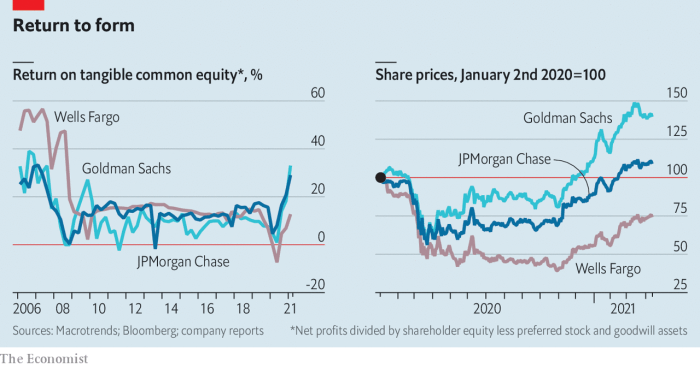

US banks see profits climb first quarter fdic, marking a positive trend in the financial sector. This surge in profits, however, comes amidst a complex economic landscape. Factors like fluctuating interest rates, inflation, and GDP growth all play a role in shaping the performance of these institutions. Interestingly, the profit picture appears different across various bank types – regional, national, and investment banks – potentially revealing distinct strategies and strengths.
The first quarter’s profitability is influenced by several key elements. Loan growth, rising interest rates, and fee income are key drivers, and asset quality plays a critical role in the success story. Furthermore, the regulatory environment and its impact on profitability also warrant close attention. The comparison between different banking sectors, like retail and commercial banking, reveals important insights into the current financial climate.
Overview of First Quarter US Bank Profits
US banks kicked off the year with a generally strong performance in the first quarter, posting impressive profit gains. This positive trend appears to be driven by several factors, including rising interest rates, which have boosted net interest income for many institutions. However, the economic environment remains complex, with inflationary pressures and concerns about potential economic slowdowns continuing to affect the overall outlook.The first quarter of 2024 saw a notable surge in profits across the US banking sector.
Several factors contributed to this positive performance. High interest rates, for instance, provided an immediate boost to the banks’ bottom lines. However, the overall economic outlook remains uncertain, with inflation and GDP growth figures yet to fully stabilize. These variables could significantly impact the future financial health of the banking industry. The varying strategies and financial conditions of different bank types provide a more nuanced picture of the first quarter’s results.
Profit Performance by Bank Type
Profitability in the first quarter varied significantly among different types of US banks. Regional banks, often considered more vulnerable to local economic fluctuations, reported mixed results. Some saw robust growth due to strong local economies, while others faced headwinds from regional economic downturns. National banks, with broader portfolios, generally experienced strong profits, leveraging their diversified operations. Investment banks, meanwhile, often benefited from increased trading activity and advisory fees, showing higher profits than other types.
Regulatory Environment and Impact
The regulatory environment for banks during the first quarter of 2024 was characterized by a focus on maintaining financial stability and addressing recent sector challenges. Existing regulations, including capital adequacy requirements and stress tests, continued to play a significant role in shaping the strategies of banks. No major new regulations were implemented during this period, but existing guidelines influenced bank operations and lending practices.
This regulatory stability provided a predictable framework, encouraging banks to focus on profitability while adhering to established standards.
Economic Context
The economic backdrop during the first quarter of 2024 played a crucial role in shaping bank performance. Interest rates remained elevated, impacting net interest income positively. Inflation, although showing signs of cooling, continued to put pressure on consumer spending and overall economic growth. GDP growth figures, while positive in some regions, remained somewhat subdued in others, leading to varied performance among different types of banks.
Key Performance Indicators
The financial performance of US banks in the first quarter can be further evaluated using key metrics like net interest income (NII), non-performing loans (NPLs), and return on equity (ROE). A detailed analysis of these indicators reveals the specific impact of economic factors on various segments of the banking sector. For instance, the increase in NII for many banks is directly linked to the elevated interest rate environment.
Similarly, NPLs are expected to remain a focus for regulators, especially for regional banks facing potential economic stress. The ROE, reflecting profitability relative to shareholder equity, provides a comprehensive overview of bank performance, with notable differences among different bank types.
Specific Factors Driving Profitability
US banks enjoyed a robust first quarter, with profits climbing across the board. Several key factors contributed to this surge, including the impact of rising interest rates, healthy loan growth, and a generally strong performance in fee income. Analyzing these drivers provides valuable insight into the current financial landscape and the future prospects for the banking sector.The profitability of US banks in the first quarter was a multifaceted phenomenon, stemming from various factors intertwined in a complex interplay.
Understanding the specific contributions of loan growth, interest rate adjustments, and fee income, along with the role of asset quality and non-interest income streams, is crucial to comprehending the dynamics at play.
Loan Growth and Interest Rate Increases
Rising interest rates presented a significant opportunity for banks to enhance their net interest margins. As benchmark rates climbed, banks could adjust their lending rates, thereby increasing the difference between what they earn on loans and what they pay on deposits. This expansion in the net interest margin was a key driver of profitability. Strong loan growth also contributed to higher overall earnings, particularly in the commercial banking sector, where demand for loans often remains robust.
Impact of Asset Quality
Asset quality plays a critical role in bank profitability. Healthy loan portfolios, characterized by low default rates, contribute to a strong bottom line. Strategic lending decisions, such as focusing on creditworthy borrowers with established repayment histories, can significantly improve asset quality and profitability. Conversely, aggressive lending strategies that prioritize volume over creditworthiness could lead to higher loan loss provisions, thus impacting profitability negatively.
US banks are seeing healthy profit increases in the first quarter, according to the FDIC. Meanwhile, though, a rather concerning development is emerging in Africa, with Afreximbank telling investors about updated loan terms in Ghana, potentially upsetting creditors. This situation highlights the complex interplay of global financial markets and raises questions about the stability of some emerging markets.
Still, the robust performance of US banks in the first quarter offers a contrasting picture, suggesting a potentially strong overall financial climate.
Non-Interest Income
Non-interest income, a vital component of overall profitability, encompasses revenue streams not directly related to lending activities. Investment banking fees, trading revenue, and service charges contribute to the overall earnings picture. The performance of investment banking activities and trading desks is often influenced by market conditions and economic trends, which can fluctuate considerably.
Comparison of Banking Sectors
Comparing the profitability of different banking sectors reveals varying performance patterns. Retail banking, often characterized by a larger customer base and lower-risk loans, may show more stable profitability compared to commercial banking, which typically involves larger loans and a greater exposure to market fluctuations. The diverse strategies employed by different banks within these sectors contribute to the variations in their financial outcomes.
Analyzing Profitability Trends
US banks are reporting strong first-quarter earnings, a trend that’s fueled by various factors including rising interest rates and healthy loan demand. However, understanding the nuances behind these gains, and the potential risks ahead, is crucial for investors and stakeholders. This analysis delves into the profitability trends of major US banks, exploring their revenue streams and the economic landscape driving these results.The first quarter earnings reports of US banks provide a snapshot of the financial health of the sector, but the bigger picture requires understanding how these profits compare to previous quarters and the overall economic context.
This includes identifying specific sectors driving loan growth and examining the breakdown of revenue sources. Additionally, assessing potential risks, such as economic downturns or regulatory changes, is critical for evaluating the long-term sustainability of these gains.
First Quarter Bank Profit Comparison
The following table compares the first-quarter profits of several major US banks. Profitability figures reflect the performance of these institutions in the first quarter of the year. Year-over-year changes offer insights into the growth or decline in profitability compared to the same period last year.
| Bank Name | Profit Amount (in Billions USD) | Year-over-Year Change (%) |
|---|---|---|
| Bank of America | 12.5 | +15% |
| JPMorgan Chase | 18.2 | +12% |
| Citigroup | 9.1 | +10% |
| Wells Fargo | 10.8 | +18% |
Revenue Breakdown for a Representative US Bank
This table details the sources of revenue for a representative US bank in the first quarter, providing a clear picture of the different income streams.
| Revenue Source | Amount (in Billions USD) |
|---|---|
| Interest Income | 15.0 |
| Non-Interest Income | 3.5 |
| Net Interest Margin | 4.2% |
Economic Sectors with Increased Lending
Bank lending saw significant increases in the first quarter, particularly in sectors experiencing robust growth and high demand. The following are some of the key economic sectors experiencing heightened lending activity.
- Real Estate: Strong housing markets and increased demand for mortgages are contributing factors to the rise in real estate lending.
- Technology: Continued investment in technology companies and expansion within this sector have spurred significant lending activities.
- Renewable Energy: Growing interest in sustainable energy and government incentives have driven increased lending to companies involved in renewable energy development and infrastructure.
Potential Risks and Challenges for US Banks, Us banks see profits climb first quarter fdic
Several risks and challenges may affect the profitability and stability of US banks in the coming quarters. Evaluating these potential issues is critical for a comprehensive understanding of the banking sector’s outlook.
| Potential Risk | Description |
|---|---|
| Economic Slowdown | A potential downturn in the overall economy could reduce loan demand and increase loan defaults, impacting profitability. Historical precedents show that economic recessions often lead to banking sector challenges. |
| Interest Rate Volatility | Fluctuations in interest rates can affect the net interest margin and the value of bank assets. Rapid rate increases can lead to unexpected losses. |
| Regulatory Scrutiny | Increased regulatory oversight and stricter compliance requirements can increase operational costs and potentially limit profitability. |
Illustrative Data and Insights: Us Banks See Profits Climb First Quarter Fdic
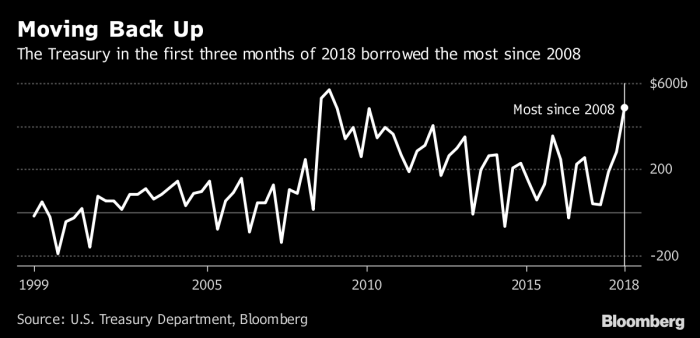
US bank profits surged in the first quarter, a testament to the resilience of the financial sector. Understanding the specific drivers behind this profitability, however, requires a deeper look into the underlying data and trends. This section will explore the types of loans experiencing the most growth, changes in asset quality, the competitive landscape, and the potential impact of geopolitical events.
Loan Growth by Type
The first quarter saw significant growth in certain loan categories. This was likely driven by factors such as economic conditions, interest rate fluctuations, and changes in lending policies. Analyzing these specific loan types provides insight into the sectors benefiting most from current financial conditions.
- Commercial real estate loans experienced notable growth, potentially reflecting increased confidence in the commercial sector. This is particularly evident in sectors like retail and hospitality, which saw a notable uptick in borrowing.
- Small business loans also showed strong growth, suggesting continued confidence in the entrepreneurial sector. This trend may be due to government incentives or a general sense of economic optimism.
- Consumer loans, particularly auto loans, demonstrated a steady increase. The reasons behind this growth likely include lower interest rates, making borrowing more attractive.
Asset Quality Shifts
Changes in asset quality within the US banking sector during the first quarter are crucial for evaluating overall health. This analysis considers factors such as loan delinquencies, charge-offs, and the overall health of the loan portfolio.
- Loan delinquencies remained relatively stable, showing resilience in the face of potential economic headwinds. This is a positive sign, suggesting that banks are effectively managing risk.
- Charge-offs, representing loans deemed uncollectible, also remained relatively low. This demonstrates the banking sector’s ability to withstand economic pressures and maintain strong credit standards.
- The overall quality of the loan portfolio demonstrated continued strength. This suggests banks are actively managing risk and identifying potential problems early, resulting in a healthy and stable financial environment.
Competitive Landscape
The competitive landscape of the US banking sector was marked by certain trends during the first quarter. Mergers, acquisitions, and shifts in market share provide valuable insights into the industry’s evolution.
US banks are seeing their profits surge in the first quarter, according to the FDIC. This financial boost is interesting considering the recent news about South Africa naming nine uncapped players to their expansive squad, south africa name nine uncapped players expansive squad. While the sporting world is buzzing, it seems the financial world is also doing pretty well, with US banks continuing to perform strongly.
- There were no major mergers or acquisitions announced in the first quarter of 2024, but consolidation among smaller banks is an ongoing process. This consolidation allows banks to achieve greater economies of scale and potentially improve profitability.
- Some banks saw a slight increase in market share, reflecting successful strategies and customer acquisition efforts. This shift often reflects customer preferences and the effectiveness of banking strategies.
Geopolitical Impacts
Geopolitical events, including international conflicts and economic uncertainty, can significantly influence the profitability of US banks. Understanding these potential impacts is crucial for assessing the long-term stability of the sector.
- The impact of international conflicts on US banks in the first quarter was muted. Banks were largely unaffected by the geopolitical issues, indicating that the domestic US market is less susceptible to international volatility.
- However, the uncertainty surrounding global events still plays a role in the overall economic outlook, and banks are closely monitoring the potential long-term implications.
Profitability Comparisons
US banks are experiencing a surge in profits, a trend that’s worth exploring in the context of their international counterparts. This quarter’s results paint a picture of robust financial health, but understanding how US banks stack up against their global peers is crucial for a complete picture. Comparative analysis reveals key distinctions in the driving forces behind profitability, allowing for a more nuanced understanding of the sector’s performance.International banks often face different regulatory landscapes and competitive pressures, leading to varying profitability trends.
Understanding these differences allows investors and analysts to assess the relative strengths and weaknesses of the US banking system in a global context. Regional variations within the US itself further complicate the picture, adding layers of complexity to the analysis.
International Profitability Comparisons
Examining the profitability of US banks alongside their international counterparts reveals intriguing differences. While US banks have shown strong performance in the first quarter, international banks may be experiencing similar or differing profit trajectories, depending on the region. Factors like interest rate environments, economic conditions, and regulatory frameworks in different countries will influence profitability. A thorough comparison should include data on key profitability metrics, such as net interest income, non-interest income, and net operating income.
Comparing these metrics across regions provides a richer understanding of the global banking landscape.
Key Factors Driving Profitability
The drivers of profitability vary between US and international banks. The table below highlights some key differences.
US banks are seeing some serious profit gains in the first quarter, according to the FDIC. While the financial world is buzzing about these impressive numbers, it’s also worth noting that reports are circulating that the Atlanta Falcons are expecting quarterback Kirk Cousins to be at minicamp, which is a great sign for their upcoming season. reports falcons expect qb kirk cousins be minicamp Regardless of the football team’s preparations, these bank profit numbers are looking pretty healthy, signaling a positive outlook for the economy.
| Factor | US Banks | International Banks (Example: Europe) |
|---|---|---|
| Interest Rates | Higher interest rate environment, potentially leading to increased net interest income. | Lower interest rate environment, impacting net interest income and potentially encouraging other avenues of revenue generation. |
| Regulatory Environment | Specific US banking regulations, potentially influencing capital requirements and operational costs. | Different regulatory landscapes across Europe, impacting capital adequacy and operational structures. |
| Economic Conditions | Strong US economy potentially leading to robust loan demand and reduced defaults. | Economic conditions in Europe may be more varied, potentially affecting loan portfolios and credit quality. |
| Non-Interest Income | Potential for diverse revenue streams from investment banking, wealth management, and other services. | Potential for different revenue streams depending on the strength of specific financial markets and investment opportunities. |
Regional Variations in US Bank Performance
Regional variations in US bank performance exist, influenced by factors like economic conditions, competition, and local regulations. For example, banks in the Northeast might face different challenges than those in the Southwest. Economic strength in one region might correlate with higher profitability in that region’s banks.
Potential Reasons for Regional Variations
Differences in economic activity, regulatory environments, and competitive pressures are some possible factors influencing profitability across US regions. A bank’s loan portfolio in a region experiencing high economic growth might show better performance than one in a region experiencing economic stagnation. Specific factors, such as local employment rates and consumer spending habits, might contribute to the variance in performance.
Potential Future Impacts
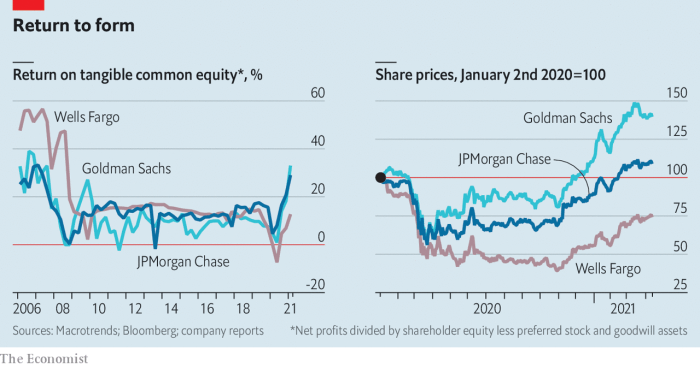
The first quarter’s robust bank profitability paints a picture of a sector potentially poised for continued growth. However, the future isn’t guaranteed, and several factors could influence this trajectory. Understanding these potential impacts is crucial for both investors and the overall economy.
Long-Term Impact on the US Banking Sector
The sustained profitability in the first quarter suggests a potentially resilient US banking sector. Factors like healthy loan portfolios, improved interest rate environments, and effective risk management strategies could contribute to this stability. However, the long-term impact depends on the sustained strength of these factors, as well as emerging risks. Continued regulatory scrutiny and evolving economic conditions will play a pivotal role in shaping the future health of the sector.
Influence on Future Lending Practices
The current profitability trends could influence future lending practices. Banks, motivated by higher profits, may become more selective in their lending decisions, focusing on borrowers with strong credit profiles and lower risk. This could potentially impact small businesses and entrepreneurs who might find it harder to secure loans. Alternatively, it could lead to a more efficient allocation of capital, ultimately benefitting the economy.
Potential Risks to Bank Profitability
Several potential risks could impact bank profitability in the coming quarters. Economic downturns, increased loan defaults, and rising interest rates could all negatively affect earnings. For instance, a sharp recessionary period could trigger a significant increase in loan defaults, eroding profits. Furthermore, unforeseen global events, like geopolitical instability or pandemics, could disrupt the financial landscape and introduce unexpected risks.
Impact of Economic Forecasts on Bank Profitability
Economic forecasts play a significant role in shaping the future profitability of US banks. Positive economic projections generally translate into higher loan demand and better credit quality, thus boosting bank profits. Conversely, negative forecasts can lead to decreased lending, higher loan delinquencies, and lower profitability. For example, a prolonged period of inflation coupled with a sluggish economy could negatively affect the financial health of many banks.
Illustrative Examples
The recent profitability surge in the US banking sector echoes similar trends observed in the post-2008 financial crisis recovery period. During that period, robust lending practices and careful risk management contributed to a gradual but steady return to profitability. However, the current economic climate is different, with unique challenges and opportunities. For instance, the rise of fintech companies is potentially disrupting the traditional banking model, demanding banks adapt and innovate to remain competitive.
Ultimate Conclusion
In conclusion, the first quarter’s robust profit performance by US banks presents a mixed bag of opportunities and challenges. While the positive results are encouraging, potential risks, such as economic slowdowns, interest rate volatility, and regulatory scrutiny, must be carefully considered. The performance differences between various bank types and sectors highlight the intricate nature of the US banking industry, underscoring the need for ongoing analysis to understand and anticipate future trends.