The Student Loan Quagmire: Frustrating Borrowers, Alarming Some Trump Voters
The escalating burden of student loan debt in the United States has transformed from a personal financial challenge into a widespread economic and political quagmire, impacting millions of Americans and, unexpectedly, resonating with a segment of Donald Trump’s voter base. This pervasive issue, characterized by ballooning principal amounts, stagnant wages, and a complex repayment system, is fueling widespread frustration, driving borrowers to despair, and prompting a surprising degree of concern among those who previously prioritized fiscal conservatism and questioned broad government spending. The sheer scale of the problem is staggering: outstanding student loan debt in the U.S. has surpassed $1.7 trillion, affecting over 43 million borrowers. This financial overhang not only impedes individual financial progress, delaying homeownership, marriage, and retirement savings, but also casts a long shadow over the broader economy, potentially dampening consumer spending and entrepreneurial activity. The narrative surrounding student loans is no longer confined to the idealistic pursuit of higher education; it has become a tale of financial entrapment for a growing number of individuals, regardless of their political affiliation.
At the core of the frustration lies the fundamental disconnect between the promised return on investment of a college degree and the harsh reality of repayment. Many borrowers entered into student loan agreements with the expectation that their education would translate into higher earning potential, enabling them to comfortably manage their debt. However, the reality for many has been a far different story. Graduates are often entering a job market with stagnant wage growth, particularly in entry-level positions, making it incredibly difficult to keep pace with their monthly loan payments, which can often rival mortgage or rent expenses. This disparity is exacerbated by the compounding nature of interest, which can cause the total amount owed to grow significantly over time, even with consistent payments. The psychological toll of this unending financial obligation cannot be overstated. Borrowers report experiencing stress, anxiety, and feelings of hopelessness, viewing their student loans not as a tool for advancement, but as an insurmountable obstacle to financial security. This pervasive sense of being trapped, coupled with the perceived lack of readily available solutions or meaningful relief, is a breeding ground for deep-seated resentment towards the existing system.
The complexity of the student loan repayment landscape further fuels borrower frustration. Navigating income-driven repayment (IDR) plans, deferment options, and forbearance can be a daunting task, often requiring extensive research and repeated contact with loan servicers. Many borrowers report receiving inconsistent or confusing information from these servicers, leading to missed deadlines, incorrect payment calculations, and ultimately, a worsening of their financial situation. The Public Service Loan Forgiveness (PSLF) program, intended to provide relief for public sector employees, has been a particular source of disappointment, with widespread reports of administrative errors and eligibility challenges that have left dedicated public servants with little to no debt cancellation. This intricate web of regulations and bureaucratic hurdles can feel designed to obscure rather than facilitate solutions, leaving borrowers feeling powerless and exploited. The sheer administrative burden of managing these loans, coupled with the constant pressure of looming payments, adds another layer of stress to an already precarious financial existence.
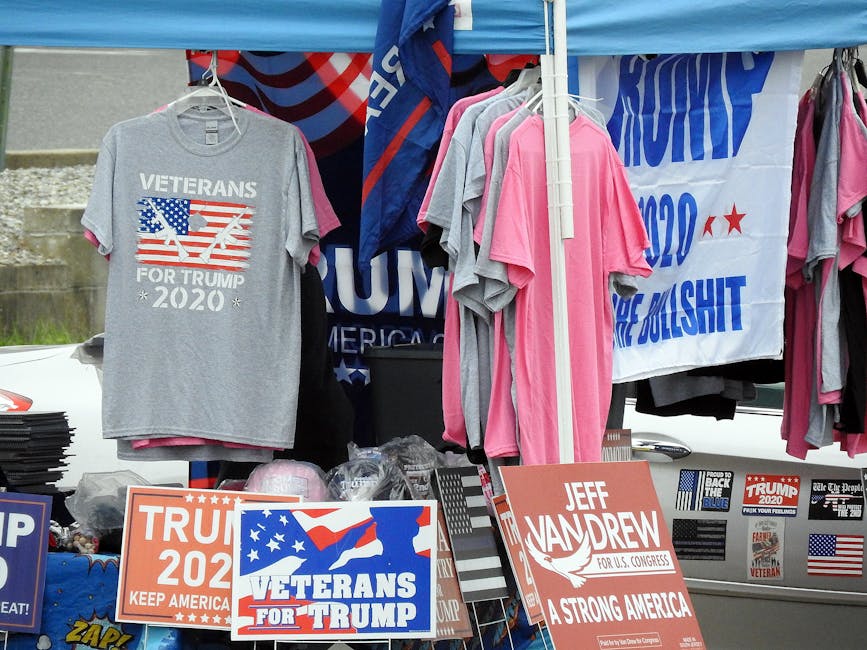
What makes the student loan quagmire particularly noteworthy from a political perspective is its unexpected resonance with a segment of Donald Trump’s voter base. This demographic, often characterized by its skepticism towards government intervention and its emphasis on fiscal responsibility, might seem unlikely to express concern over student loan relief. However, a closer examination reveals several converging factors. Many Trump voters, while not necessarily holding large student loan balances themselves, are parents or grandparents who have shouldered the financial burden of their children’s or grandchildren’s education. They have witnessed firsthand the exorbitant costs of higher education and the crushing weight of student debt on the younger generation. These individuals often express a sense of fairness and a belief that the current system is unsustainable and detrimental to the long-term economic well-being of their families and the nation. They see the ballooning national debt, partly fueled by student lending, as a betrayal of fiscal prudence and a drag on future economic prosperity.
Furthermore, some Trump voters, particularly those in working-class communities, may have chosen not to pursue higher education due to perceived prohibitive costs and the potential for overwhelming debt. They may feel that the current system disproportionately benefits those who can afford expensive degrees, while leaving others behind or saddling them with insurmountable financial obligations. This sentiment can breed resentment and a feeling of being left out of the American Dream. When these individuals witness the struggles of their children or grandchildren with student loans, it validates their initial decision to avoid higher education, but also fuels a desire for a fairer system that doesn’t penalize those who choose alternative paths or those who were unable to afford college. The idea that the government has facilitated this massive debt burden, only to offer meager solutions, can be seen as a failure of governance and an indictment of the establishment, themes that resonate strongly with a portion of the Trump electorate.
The economic implications of the student loan crisis also contribute to this growing concern among some Trump voters. High levels of student debt can depress economic growth by reducing disposable income, delaying major purchases like homes, and discouraging entrepreneurship. This can be viewed as a drag on the economy, a sentiment that aligns with the desire for economic revitalization often espoused by Trump and his supporters. They may see the student loan quagmire as a manifestation of a broken economic system that prioritizes debt accumulation over sustainable growth. The argument that student loan forgiveness or reform could stimulate the economy by freeing up capital for spending and investment can appeal to a pragmatic, results-oriented segment of the electorate. They are less concerned with the ideological underpinnings of government spending and more focused on tangible economic outcomes that benefit their communities and families.
The political discourse surrounding student loans has also evolved, with a growing acknowledgment across the political spectrum that the current situation is untenable. While traditional Democratic proposals have focused on broad-based debt forgiveness and tuition-free college, the growing frustration and the broadening appeal of the issue have forced a re-evaluation. Some Republicans, including those who have previously aligned with Trump, are beginning to recognize the economic and social costs of unchecked student debt. This has led to discussions about more targeted relief measures, reforms to the lending system, and increased accountability for universities regarding the value and cost of their degrees. The challenge lies in finding solutions that are fiscally responsible, address the immediate needs of borrowers, and do not create perverse incentives. The potential for bipartisan agreement on some aspects of student loan reform, driven by the shared concerns of parents, grandparents, and those worried about economic stagnation, represents a significant development in this complex issue.
The "student loan quagmire" is a multifaceted problem with far-reaching consequences. It is a source of immense personal frustration for millions of borrowers, creating financial instability and psychological distress. Simultaneously, it has begun to alarm a segment of the Trump voter base, who, for reasons related to intergenerational financial well-being, concerns about fairness, and a desire for economic revitalization, are increasingly viewing the student loan crisis as a critical issue demanding attention. This unexpected convergence of concerns, bridging traditional political divides, underscores the severity of the student loan crisis and suggests that any sustainable solution will require a broader coalition of support and a willingness to move beyond partisan divides to address this pressing national challenge. The ongoing dialogue, even when fraught with frustration, is a necessary step towards untangling this complex financial knot and forging a more equitable path forward for American higher education and its borrowers. The scale of the debt and the depth of the frustration are too significant to ignore, demanding comprehensive and thoughtful action.
