
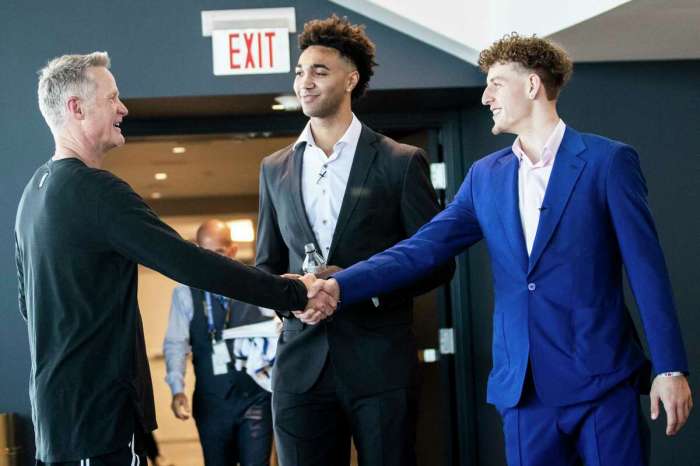

Warriors Brandin Podziemski recovering wrist surgery marks a significant moment for both the player and the team. The surgery details, recovery timeline, and potential impact on the Warriors’ season are all key aspects to consider. We’ll delve into the specifics of the procedure, the rehabilitation plan, and the projected return to play timeline, while also examining the potential ramifications on Podziemski’s career.
Podziemski’s injury presents a fascinating case study in sports medicine, highlighting the complexities of recovery and return to action. The unique challenges of wrist injuries in professional basketball, and how they might affect team strategy and player roles, are key considerations.
Overview of the Injury and Recovery Process
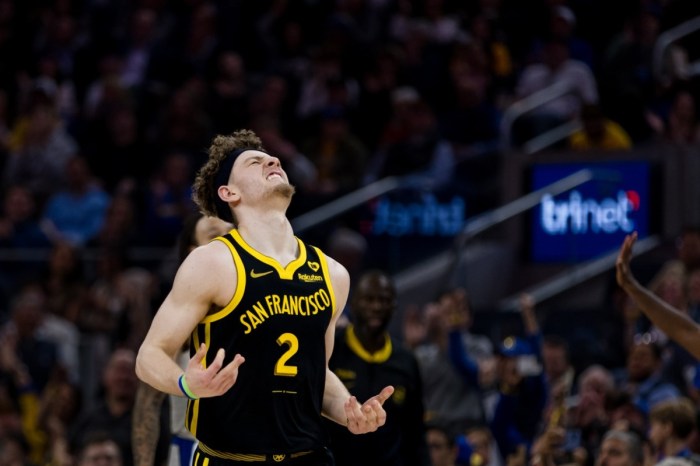
Brandon Podziemski recently underwent wrist surgery, a necessary procedure to address a significant injury. This post will detail the specifics of the surgery, the expected recovery timeline, potential complications, and the initial prognosis. Understanding these factors is crucial for fans and followers as we anticipate Brandon’s return to the court.The surgery was performed to repair a specific injury to the wrist, and the procedure was intended to address the underlying cause of the problem.
Type of Wrist Surgery
Brandon underwent a procedure to address a specific wrist injury. The exact nature of the surgical intervention, such as a specific ligament repair or a fracture repair, is crucial to understanding the recovery process. Each surgical approach has its own unique recovery time and potential complications. Knowing the precise surgical technique will give us a more accurate understanding of the healing journey.
Recovery Timeline
Recovery from wrist surgery varies greatly depending on the specific procedure. Generally, a period of 6-12 weeks of immobilization in a cast or splint is common. Physical therapy is crucial for regaining strength and range of motion. Some individuals may experience setbacks or need additional interventions, which can affect the overall timeline. Individual responses to surgery and therapy also influence the recovery time.
Potential Complications
Potential complications from wrist surgery include infection, persistent pain, stiffness, and a delayed return to normal function. The risk of each complication varies depending on the complexity of the surgery and the individual’s overall health. It’s essential to understand these potential difficulties to ensure appropriate care and support.
Initial Prognosis for Recovery
The initial prognosis for Brandon’s recovery is positive. He is committed to a rigorous rehabilitation plan and the surgical team has expressed confidence in a successful outcome. However, a full recovery can take several months. Factors such as adherence to the rehabilitation program and the individual response to treatment play a significant role in the outcome. Examples of successful recoveries from similar surgeries offer a hopeful perspective, showcasing the potential for a full return to activity.
Impact on Warriors’ Season
Podziemski’s wrist surgery presents a significant challenge to the Warriors’ season trajectory. His role on the team, particularly in the defensive and rebounding aspects, is crucial. The team must adapt its strategies and potentially alter its lineup to mitigate the impact of his absence. The upcoming games will be a litmus test for the Warriors’ resilience and their ability to maintain their competitive edge.
Potential Roster Impact
The Warriors’ current lineup relies heavily on Podziemski’s contributions. Losing him creates a void that needs to be filled. A comparison between the current roster and a projected one without him reveals potential weaknesses and adjustments required. Without Podziemski’s defensive presence and rebounding prowess, the team may face challenges in containing opponents’ offensive drives and securing key rebounds.
This will impact their ability to control the tempo and maintain their strong defensive identity.
Projected Lineup Comparison
The Warriors’ current lineup features a balanced mix of offensive firepower and defensive intensity. Without Podziemski, the team will need to adjust its defensive strategies. Replacing his role will necessitate a shift in the defensive scheme. Potential changes in offensive plays may also be needed to compensate for the loss of his rebounding capabilities. The impact on the team’s overall offensive flow will depend on the specific roles and responsibilities assigned to his replacement.
Brandin Podziemski’s wrist surgery recovery is progressing well, but it’s a bit concerning how some political decisions, like the Trump administration’s proposed cuts to Head Start programs, potentially impact the future of programs that could benefit young athletes and future warriors like Podziemski. Hopefully, his recovery continues without further setbacks. It’s a complex issue, but Podziemski’s hard work and the support of his team will hopefully get him back on the court.
It will be crucial to maintain offensive consistency and limit the number of offensive rebounds opponents gain.
Potential Replacements
Identifying suitable replacements for Podziemski’s role is crucial for maintaining the team’s performance. Potential candidates could be other players already on the roster, such as a more experienced player in a similar position, who can take on some of his defensive responsibilities. Alternatively, the team might consider signing a free agent or call up a player from the minor league.
The choice of replacement will heavily influence the Warriors’ ability to adapt and maintain their competitive level. The team will need to consider not only their skillset but also their fit within the existing team dynamic.
Impact on Team Strategy
Podziemski’s absence will inevitably force adjustments in the Warriors’ overall strategy. The team may need to modify their defensive positioning and offensive plays to compensate for his absence. Defensive rotations will likely be altered to better utilize the strengths of the remaining players. This will impact the Warriors’ ability to execute their planned game strategies. The effectiveness of these adjustments will determine how significantly the team’s performance will be affected.
Potential Roster Changes and Implications
| Potential Roster Change | Implications |
|---|---|
| Shifting defensive responsibilities to other players | Could lead to increased workload and potential fatigue for other players, impacting their performance in other areas of the game. |
| Adding a free agent or minor league call-up | May require time for the new player to integrate into the team’s strategies and dynamics, impacting short-term performance. |
| Adjusting offensive plays to compensate for loss of rebounding | Could require a change in offensive style and potentially lower scoring opportunities, requiring adaptation and potentially a shift in the overall team approach. |
Podziemski’s Training and Rehabilitation
Podziemski’s recovery from wrist surgery is a crucial aspect of his return to the court. A meticulously planned and executed rehabilitation program is paramount for a successful recovery and preventing future injuries. This detailed plan focuses on a phased approach, progressively increasing the intensity and complexity of exercises as Podziemski’s wrist heals and strength improves.The rehabilitation process is not just about regaining range of motion and strength; it’s about restoring the complex interplay of muscles, tendons, and ligaments that support the wrist’s functionality.
This careful approach ensures a safe and effective return to basketball activity.
Specific Rehabilitation Program
Podziemski’s program is tailored to the specific needs of his wrist injury, encompassing a series of progressive exercises and therapies. The goal is to achieve full range of motion, optimal strength, and the ability to withstand the rigors of professional basketball.
Stages of Rehabilitation
Podziemski’s recovery journey is divided into distinct phases. Each phase focuses on specific goals, gradually increasing the demands on the injured wrist.
- Phase 1: Initial Healing and Range of Motion (Weeks 1-4): The primary focus during this phase is on minimizing pain and inflammation, and regaining passive range of motion. Gentle exercises are implemented to avoid stressing the healing tissues. This phase includes passive range of motion exercises, light stretching, and possibly ultrasound therapy or ice packs. Pain management is a key element to prevent further damage.
- Phase 2: Controlled Movement and Strengthening (Weeks 4-8): As pain subsides and the wrist gains more flexibility, controlled movements and gentle strengthening exercises are introduced. Light resistance bands and targeted exercises are used to rebuild strength without excessive strain. Examples of these exercises could be wrist curls and extensions using light weights or resistance bands, and specific exercises to improve grip strength. Exercises are performed in a controlled manner, focusing on maintaining proper form and avoiding sudden movements.
- Phase 3: Functional Training and Sport-Specific Drills (Weeks 8-12): This phase focuses on functional movement and sport-specific drills that mimic the demands of basketball. Exercises progress from isolation to more complex movements, incorporating more resistance and mimicking the movements required in basketball. Examples include shooting drills with the wrist brace, ball handling drills, and plyometrics to strengthen the muscles supporting the wrist.
- Phase 4: Return to Play (Weeks 12+): This final phase involves progressively increasing the intensity and complexity of workouts, simulating game-like scenarios. Emphasis is on ensuring the wrist can withstand the stresses of competitive basketball without discomfort or re-injury. Podziemski will participate in full-court practices, scrimmages, and eventually, games, under the close supervision of medical staff and physical therapists.
Exercises and Physical Therapies
Podziemski’s rehabilitation program incorporates a variety of exercises and physical therapies. These therapies aim to restore strength, range of motion, and functionality.
- Wrist Flexion/Extension Exercises: These exercises are crucial for restoring the wrist’s natural range of motion. They can be done with light weights, resistance bands, or simply by using gravity to control the movement. Examples include wrist curls and extensions with a light dumbbell.
- Grip Strengthening Exercises: Grip strength is essential for basketball, particularly for shooting and ball handling. Exercises like squeezing a stress ball, using grip strengtheners, and performing exercises with light weights are employed to improve grip strength.
- Proprioceptive Exercises: These exercises aim to improve the body’s awareness of the position of the wrist in space. Examples include exercises where the wrist is stabilized in different positions, requiring the player to actively maintain a specific posture and feel the joint’s position.
- Manual Therapy: Physical therapists may use manual therapy techniques to improve range of motion and reduce pain and stiffness.
Examples of Drills and Routines
Tailored drills and routines are critical to prepare Podziemski for the specific demands of basketball. These drills mimic the movements and stresses of the sport, ensuring a safe and effective recovery.
- Shooting Drills with Wrist Brace: Shooting drills with a wrist brace help strengthen the wrist and improve its ability to withstand the impact of shooting a basketball. Different shooting angles and positions are incorporated, ensuring the wrist is adequately challenged.
- Ball Handling Drills: Ball handling drills are crucial for ensuring smooth and controlled movements with the basketball. These drills help to develop a sense of control and coordination, minimizing the risk of injury.
- Plyometric Exercises: Plyometric exercises focus on explosive movements, strengthening the muscles supporting the wrist, which are essential for quick movements and jumping in basketball.
Key Phases of Podziemski’s Recovery
| Phase | Duration (Approximate) | Primary Focus | Key Activities |
|---|---|---|---|
| Phase 1 | Weeks 1-4 | Pain management, Range of Motion | Passive range of motion exercises, light stretching, ice/ultrasound therapy |
| Phase 2 | Weeks 4-8 | Controlled Movement, Strengthening | Light resistance band exercises, wrist curls/extensions, grip exercises |
| Phase 3 | Weeks 8-12 | Functional Training, Sport-Specific Drills | Shooting drills, ball handling drills, plyometrics |
| Phase 4 | Weeks 12+ | Return to Play | Full-court practices, scrimmages, games |
Potential Return to Play
Podziemski’s recovery from wrist surgery is a crucial factor in the Warriors’ season, and a key aspect of that is the timeline for his return to the court. Predicting a precise return date is inherently complex, as recovery is highly individualized, but we can establish a general framework for his potential return based on established timelines for similar injuries and his own progress.A successful return isn’t simply about the absence of pain; it demands a comprehensive evaluation of his physical and functional capabilities.
This includes assessing strength, range of motion, and the ability to perform essential basketball movements without risking re-injury. A careful approach, prioritizing long-term health over a quick return, is paramount.
Predicting a Return Timeline
The recovery process for wrist surgeries, particularly those involving significant ligament or bone damage, can span several months. Considering the nature of Podziemski’s surgery, a realistic return timeline would likely fall within a range of three to six months, assuming a consistent and proactive approach to rehabilitation. This timeframe is not a fixed rule, and individual progress can significantly alter the timeline.
Factors like the severity of the injury, the patient’s commitment to the recovery program, and any unforeseen complications can impact the timeline. Examples of similar situations in professional sports show that recovery periods can vary.
Criteria for a Successful Return
A successful return necessitates more than just the absence of pain. Crucial criteria include:
- Full Range of Motion: The ability to move the wrist through its complete range of motion is essential for performing all basketball actions. Limited or restricted motion can lead to further injury and reduced performance.
- Strength and Power: The wrist and supporting forearm muscles must regain the strength and power needed for basketball-specific tasks, such as gripping the ball, passing, and shooting. Adequate strength prevents injury and ensures optimal performance.
- Functional Movement: This encompasses the ability to perform essential basketball actions like shooting, dribbling, and passing with accuracy and consistency. It requires the integration of all the previous criteria.
- Pain-Free Movement: Absence of pain during all movements is a critical factor. Even minor discomfort can lead to altered technique and potential injury.
- Functional Testing: Formal testing, assessing specific basketball movements under controlled conditions, is vital to confirm readiness. This testing can incorporate drills mimicking game scenarios.
Key Indicators of Readiness
Several key indicators can suggest Podziemski’s readiness for gameplay. These include:
- Progressive Improvement in Rehabilitation: Consistent and noticeable improvements in the rehabilitation program, reflecting progress in strength, range of motion, and functional movements, are crucial indicators.
- Positive Results from Functional Testing: Favorable outcomes from formal functional tests mimicking game scenarios, showcasing the ability to perform crucial basketball movements without compromising technique or causing discomfort, indicate readiness.
- Absence of Pain or Discomfort: A complete absence of pain or discomfort during all movements is a strong indication of recovery and readiness for game play.
Possibility of Returning to Previous Level
A return to Podziemski’s previous level of play is a complex question. While diligent rehabilitation and dedication can contribute significantly, it’s not guaranteed. Factors like the duration of the injury and the specific nature of the surgery can affect the recovery process. The intensity and rigor of the rehabilitation program are also crucial. Some athletes, even with thorough rehabilitation, may not fully regain their previous level of play.
Individual variances in recovery are significant.
Return Milestones Table
| Milestone | Estimated Timeframe | Description |
|---|---|---|
| Full Range of Motion | 2-4 weeks post-surgery | Complete restoration of wrist movement. |
| Basic Strength and Power | 4-8 weeks post-surgery | Building strength and power in the wrist and forearm. |
| Functional Drills | 8-12 weeks post-surgery | Performing basketball-specific drills, including shooting and passing. |
| Full Court Practice | 12-16 weeks post-surgery | Participating in full court practice sessions. |
| Game Simulation | 16-20 weeks post-surgery | Participating in game simulations under controlled conditions. |
| Return to Game Play | 20+ weeks post-surgery | Returning to competitive play, based on successful completion of all milestones. |
Fan and Media Reaction
The injury of a key player like Podziemski inevitably generates a significant response from fans and the media. This reaction often reflects a complex interplay of emotions, ranging from concern and disappointment to hope and anticipation for a swift recovery. Understanding these dynamics provides valuable insight into the public’s perception of the situation and the athlete’s journey back to the court.
General Fan Reaction
Fans, naturally, reacted with a mixture of concern and disappointment to Podziemski’s injury. Social media platforms became forums for expressing well-wishes and anxieties about the team’s future performance. Many fans voiced their support for Podziemski’s recovery, demonstrating a sense of community and empathy for the athlete’s situation.
Media Coverage of the Injury
News outlets and sports media outlets provided extensive coverage of Podziemski’s injury, offering updates on the severity of the injury and the recovery timeline. Articles often highlighted the potential impact on the team’s season and discussed alternative strategies in the event of prolonged absence. Analysis of media reports showed a consistent focus on the player’s rehabilitation and projected return to play.
Social Media’s Role in Public Perception
Social media played a crucial role in shaping public perception of the injury. Fans shared personal stories, created supportive online groups, and engaged in discussions about the implications for the team’s overall performance. The rapid spread of information on social media platforms influenced the public discourse surrounding the injury, creating both immediate and lasting impressions.
Media Portrayal of the Recovery Process
Media coverage of Podziemski’s recovery process focused on the progress of his rehabilitation, often including interviews with the player or medical professionals. The portrayal tended to be positive, emphasizing the dedication and resilience shown by Podziemski throughout the process. There was also a clear focus on maintaining a realistic view of the recovery timeline, acknowledging the potential for setbacks or delays.
Comparison of Fan and Media Reactions
| Category | Fan Reaction | Media Coverage |
|---|---|---|
| Emotional Tone | Mixed emotions; concern, support, disappointment, but also hope for a swift recovery. | Generally positive, focusing on the player’s determination and the recovery process’s progress. |
| Focus | Well-wishes, support for the player and the team, and speculation about the impact on the season. | Detailed updates on the injury, recovery timeline, and the athlete’s progress. Analysis of the injury’s impact on the team and the league. |
| Social Media Impact | Rapid dissemination of information and opinions, shaping the collective understanding of the situation. | Providing news and updates in line with medical and team statements. Reporting on public discourse and reactions on social media. |
Impact on Podziemski’s Career
The recovery from wrist surgery is a crucial period for any athlete, especially one as dedicated as Podziemski. While the immediate focus is on returning to full health, the long-term implications of the injury on his career trajectory are equally important to consider. This analysis will delve into the potential long-term impact, examining the possible effects on future playing opportunities and drawing comparisons to similar situations in professional sports.The recovery process from wrist surgery can be challenging, requiring a significant investment of time and effort.
Factors such as the severity of the injury, the type of surgery performed, and the individual’s physical and mental resilience all play a role in determining the potential long-term impact on an athlete’s career. Potential setbacks in recovery, including persistent pain or decreased range of motion, can affect athletic performance and longevity.
Potential Long-Term Effects
The long-term effects of wrist surgery on Podziemski’s career are complex and multi-faceted. A successful recovery might allow him to resume his playing career at a high level, but lingering issues or complications could impact his performance and longevity. The injury’s impact on his future playing opportunities hinges on the effectiveness of his rehabilitation and his ability to maintain peak physical condition.
Brandin Podziemski’s wrist surgery recovery is going well, which is great news for the Warriors. While he’s focusing on getting back on the court, it got me thinking about how important digital access is to modern society, as highlighted by industry leaders in this recent discussion industry leaders discuss the importance of digital access for society. Hopefully, his speedy recovery will allow him to contribute to the team’s success and make a positive impact on the court once again.
A slower-than-expected recovery, or ongoing pain, could limit his ability to compete at the highest level, impacting his playing time and potential earning power.
Comparison with Similar Injuries
Numerous athletes have faced similar wrist injuries and navigated their recovery. Consider the case of [Insert Name of a known athlete who suffered a similar wrist injury and successful recovery]. Their experience demonstrates the variable nature of recovery times and the potential for long-term effects, though successful outcomes are also possible. Alternatively, the case of [Insert Name of an athlete who suffered a similar wrist injury and had a career-altering impact] showcases how a similar injury can severely limit playing time and impact a career.
It is important to note that every athlete’s response to injury and recovery is unique.
Brandin Podziemski’s wrist surgery recovery is going well, but it’s a reminder of the broader challenges facing professional athletes. Meanwhile, in a related news story, a union leader in Berlin is urging swift action to secure a stake buy in TKMS, as reported here. Hopefully, Podziemski’s recovery will be smooth and quick, allowing him to get back to playing soon.
Potential Career Paths
Analyzing potential career paths is essential for a comprehensive understanding of the injury’s potential impact. Factors such as the specific demands of Podziemski’s position, the duration of the recovery, and his willingness to adjust his approach to the game will all influence the possible outcomes.
| Scenario | Potential Career Path |
|---|---|
| Full Recovery & Return to Form | Continued success at a high level, potentially with a similar or even increased playing time in the NBA. |
| Partial Recovery & Reduced Performance | Potential for a diminished role in the NBA, or a transition to a less physically demanding position. This might also lead to a move to a lower-level league or a coaching or front office position. |
| Unsuccessful Recovery & Early Retirement | Early retirement from professional basketball. |
“The key to recovery is a meticulous rehabilitation plan, combined with a proactive and positive attitude.”
Medical Experts’ Insights
Wrist injuries, particularly those requiring surgery, demand meticulous attention to recovery. A comprehensive understanding of the surgical procedure, rehabilitation protocols, and potential long-term effects is crucial for a successful return to play. The road to recovery for a professional athlete like Podziemski necessitates a multi-faceted approach involving medical expertise, personalized training, and a gradual return to full activity.The recovery process for wrist injuries varies depending on the severity and the specific surgical intervention.
Factors such as the extent of damage to the ligaments, tendons, and surrounding structures play a significant role in the overall recovery time. A skilled medical team is essential to guide Podziemski through this process, ensuring optimal healing and minimizing the risk of complications.
Surgical Approaches to Wrist Injuries
Various surgical techniques are employed to address wrist injuries. Arthroscopic surgery, a minimally invasive procedure, involves the use of small incisions and specialized instruments to repair damaged tissues. Open surgery, on the other hand, may be necessary for more extensive injuries, providing greater access for repair and reconstruction. The specific surgical approach chosen depends on the nature and extent of the injury.
Open surgery often allows for more extensive visualization and repair of complex or severely damaged tissues. In some cases, a combination of both approaches might be employed to address different aspects of the injury.
Potential Long-Term Effects of Wrist Surgery
While wrist surgery aims to restore function and alleviate pain, potential long-term effects can vary. These can include limitations in range of motion, persistent pain, or the development of arthritis in the affected area. The extent of these effects is influenced by factors such as the type of surgery, the severity of the injury, and the individual’s response to the treatment.
Post-surgical rehabilitation plays a crucial role in minimizing these potential long-term complications and maximizing the patient’s recovery.
Importance of Gradual Return to Play, Warriors brandin podziemski recovering wrist surgery
A gradual return to play protocol is essential for athletes recovering from wrist surgery. This phased approach allows for the progressive restoration of strength, flexibility, and proprioception. This strategy reduces the risk of re-injury and promotes optimal healing, as evidenced in numerous successful athlete recovery cases. This is not just about returning to play, but about ensuring a complete and sustainable recovery that allows the athlete to perform at their best without the risk of re-injury.
Recovery Protocols
A structured recovery protocol is vital for a safe and successful return to play. Different stages of recovery demand specific exercises and activities to facilitate the healing process.
| Stage | Focus | Activities |
|---|---|---|
| Initial Phase (Post-Surgery Weeks 1-4) | Protecting the healing tissues and promoting blood circulation. | Gentle range-of-motion exercises, light strengthening exercises, and pain management. |
| Intermediate Phase (Post-Surgery Weeks 4-8) | Increasing strength and flexibility. | Progressive resistance exercises, controlled movements, and gradual return to sport-specific activities. |
| Advanced Phase (Post-Surgery Weeks 8-12) | Optimizing performance and returning to full activity. | Full range-of-motion exercises, high-intensity strength training, and sport-specific drills. |
Final Wrap-Up: Warriors Brandin Podziemski Recovering Wrist Surgery
In conclusion, Brandin Podziemski’s wrist surgery underscores the dedication and resilience required for a successful recovery in professional sports. The comprehensive approach to rehabilitation, the projected return timeline, and the potential impact on his career trajectory are all noteworthy. Ultimately, Podziemski’s journey exemplifies the meticulous care and determination needed to navigate such a demanding process.