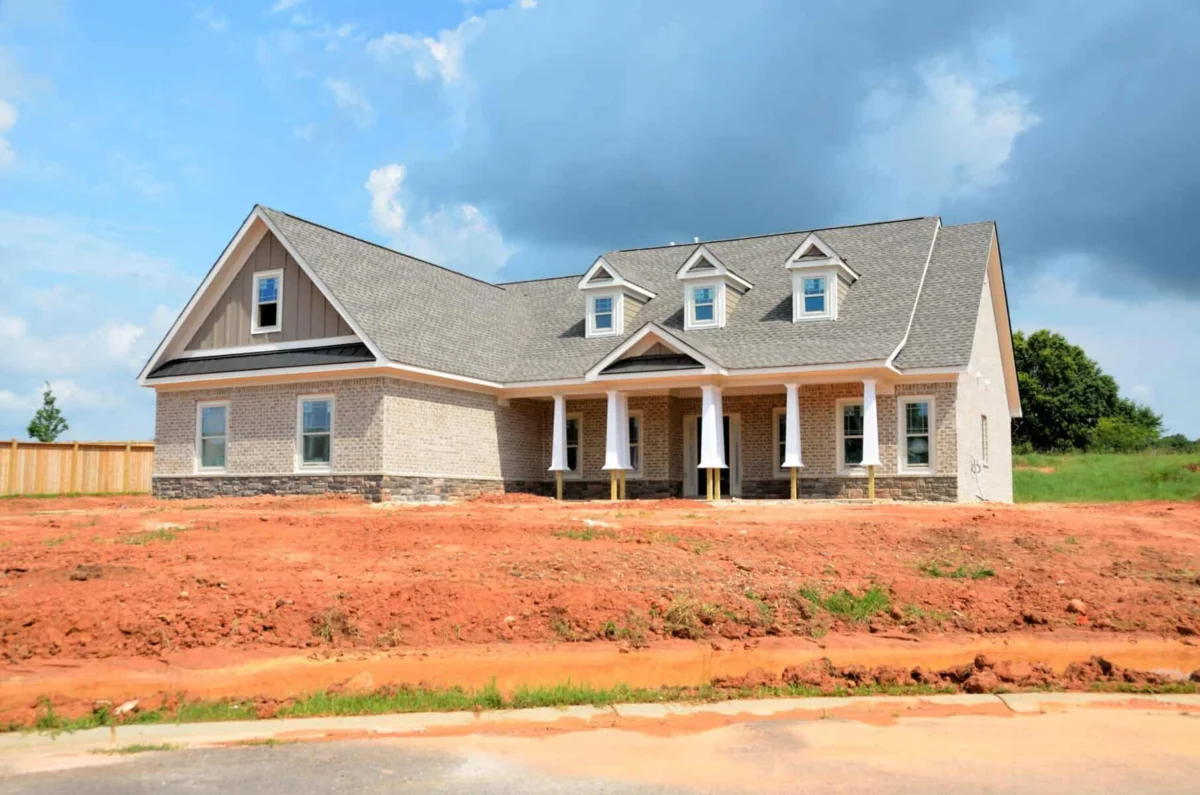
The allure of a foreclosed property often lies in its initial price tag—a figure that frequently sits well below market value, offering an enticing entry point for prospective homeowners and seasoned real estate investors alike. However, this financial discount is rarely a windfall; rather, it is an economic reflection of what remains concealed from listing photographs and casual drive-bys. Properties trapped in the foreclosure pipeline routinely sit vacant for months, occasionally years, devoid of the routine human oversight that catches minor household failures before they escalate into catastrophic structural or mechanical damage.
Whether examining an abandoned single-family dwelling in Cleveland, Ohio, where severe winter freezes routinely compromise unattended plumbing and unmaintained furnaces, or evaluating a heat-and-humidity-stressed property in Tampa, Florida, where a closed-up interior fosters rapid mold and mildew proliferation, the underlying narrative remains remarkably consistent. By the time a buyer secures the keys and discovers these latent defects, the financial burden of remediation shifts entirely from the previous owner to the new purchaser. Understanding the multifaceted risks of vacant and foreclosed properties requires a strategic approach to inspections, contractual protections, legal due diligence, and financial contingency planning.
The Reality of As-Is Transactions and Financial Reserves
The vast majority of foreclosures—whether categorized as Real Estate Owned (REO) properties managed directly by mortgage lenders or auction properties sold under court supervision—are sold strictly on an "as-is" basis. This designation means the seller assumes no responsibility for pre-existing defects, structural shortcomings, or code violations. Consequently, the sticker price on the listing is merely an entry point into a complex financial equation. The true cost of acquisition encompasses every invisible deficiency waiting behind drywall, beneath flooring systems, and within mechanical units.
Industry experts emphasize that prospective buyers must fundamentally reframe their financial budgeting when entering the foreclosure market. Private Equity List, a prominent financial advisory network, advises purchasers to approach every foreclosure with the explicit assumption that hidden damages exist. According to their market analysis, buyers should treat every property as an as-is transaction and price in what they cannot see. Because vacant homes frequently conceal burst pipes, extensive microbial growth, and stripped electrical or plumbing fixtures, maintaining a robust repair reserve fund—separate from standard contractor estimates—is essential.
This reserve fund serves as a vital financial safety net. If a buyer is fortunate and structural or mechanical surprises fail to materialize, the reserved cash can be redirected toward property improvements or retained as liquid capital. Conversely, if major failures emerge during the initial occupancy phase, the reserve prevents the buyer from facing sudden insolvency or unmanageable high-interest debt.
The Compound Effects of Vacancy on Residential Infrastructure
A lived-in home benefits from constant, low-level preventive care. Occupants instinctively recognize the early warning signs of property degradation: a subtle water drip beneath a kitchen sink, a strange hum originating from the HVAC compressor, an unusual spike in utility usage, or a damp odor emanating from a basement utility room. Immediate intervention halts these minor issues before they compound into systemic failures.
Conversely, a vacant house receives none of this continuous monitoring. Small, easily fixable anomalies are left unattended for extended periods, allowing natural environmental forces to wreak havoc. Without heating systems operating during sub-freezing weather, standing water inside supply lines freezes, expands, and fractures copper and PEX piping throughout the structure. When temperatures eventually rise, these fractured pipes release thousands of gallons of water into wall cavities and subflooring systems.
Similarly, in humid climates, stagnant indoor air combined with inactive air conditioning systems creates an ideal incubator for airborne spores, turning drywall, insulation, and framing lumber into breeding grounds for toxic mold. Pest infestations—including termites, rodents, and carpenter ants—frequently go unnoticed in empty dwellings, quietly compromising the structural integrity of load-bearing wooden components over several months.
Comprehensive Inspection Protocols for Abandoned Properties
Standard home inspections, while adequate for traditional resale transactions, often prove insufficient for properties that have undergone prolonged vacancy. Experienced home inspectors and environmental testing specialists advocate for a multi-layered, comprehensive evaluation framework designed to uncover systemic, environmental, and mechanical liabilities.
Brad Harwell of Advanced Inspections emphasizes the necessity of deploying advanced diagnostic evaluations for distressed inventory. In addition to a standard structural and mechanical review, Harwell recommends comprehensive assessments that include indoor air quality surveys, sewer scope evaluations to check for collapsed or root-invaded lateral lines, and infrared thermal imaging scans to detect hidden moisture anomalies and insulation gaps. Furthermore, diagnostic chimney scans, mold spore quantification reports, and volatile organic compound (VOC) testing provide critical insights into the livability of the space. For older housing inventory, specialized testing for radon gas, asbestos-containing materials, and lead-based paint—particularly in properties featuring older linoleum or commercial vinyl tile (CVT) flooring—is equally critical.
While every diagnostic test is not required for every single property, prioritizing environmental and structural evaluations ensures that buyers are not blindsided by hazardous materials or failing infrastructure.
Mitigating Environmental Hazards Through Contractual Safeguards
Among the most prevalent and damaging consequences of prolonged vacancy is moisture intrusion, which frequently leads to extensive mold proliferation. Because mold remediation can easily cost tens of thousands of dollars and present severe health risks, proactive buyers must integrate explicit protective contingencies into their purchase offers.
John M. Acaron of Indoor Microbial Specialist recommends embedding precise contractual language that conditions the purchase upon a rigorous, professional assessment. Acaron suggests drafting clauses that make the purchase strictly contingent upon the buyer receiving an acceptable written mold assessment—conducted by a state-licensed mold assessor—evaluating comprehensive air quality, moisture sources, and hidden fungal growth behind walls or beneath flooring surfaces.
Legal and real estate professionals advise buyers to treat such provisions as custom contractual templates, adapting the exact wording to comply with regional real estate statutes and state-specific disclosure laws. The crucial element is ensuring that the assessment is formally documented in writing, investigates the root moisture pathways rather than merely cataloging visible surface mold, and is executed by a qualified, licensed practitioner rather than an unqualified general contractor.
Navigating Property Access Challenges and Utility Activation
One of the primary logistical hurdles in acquiring a foreclosure—particularly at public trustee auctions or courthouse steps—is the complete inability to access the interior of the property prior to submitting a binding bid. In such scenarios, prospective buyers must formulate their bidding strategies based purely on external visual assessments, historical public records, and a heavy calculation of inherent risk.
When physical access is legally permitted during the pre-auction or REO listing phase, buyers must maximize the utility of their walkthrough. The inspection team at Reliance Inspections stresses that prospective buyers should coordinate with lenders or listing agents to have all primary utilities—specifically water, electricity, and gas—temporarily turned on prior to conducting a home inspection. Without active utilities, inspectors cannot safely or accurately test core residential systems, including plumbing distribution, electrical panel capacity, and central heating, ventilation, and air conditioning (HVAC) performance. Attempting to purchase a home without testing these high-cost systems amounts to a speculative gamble on the most expensive components of the structure.
When physical entry is categorically denied, successful investors shift their analytical focus from identifying specific property flaws to calculating maximum allowable risk margins. In these instances, buyers must establish their maximum financial bid by subtracting a highly conservative, worst-case repair allowance from the estimated after-repair value (ARV) of the property.
Analyzing the Acquisition Pathways: Auctions, REOs, and Pre-Foreclosures
The methodology through which a distressed property is acquired directly influences the volume of information available to the buyer, the level of direct competition, and the overall complexity of the transaction timeline.
- Sheriff and Trustee Auctions: Typically conducted on courthouse steps, these public sales require winning bidders to possess immediate, liquid capital—often cashier’s checks for the full purchase amount or a substantial non-refundable deposit due immediately upon the fall of the auctioneer’s hammer. Buyers have zero interior access, no inspection contingencies, and must assume all existing title liabilities, junior liens, and physical defects.
- Real Estate Owned (REO) Properties: These are homes that failed to sell at foreclosure auction and have reverted to the ownership of the mortgage lender or government-sponsored enterprise (such as Fannie Mae or Freddie Mac). REO properties are typically listed on the Multiple Listing Service (MLS) via specialized real estate agents. While physical access and standard inspections are generally permitted, properties are still sold strictly as-is, and lenders frequently utilize specialized, heavily biased purchase contract addenda that limit buyer protections.
- Pre-Foreclosures and Short Sales: These transactions occur before the formal foreclosure auction takes place, initiated while the homeowner is in default but still holds legal title.
Wen Deguzman, co-founder of Nassau Investments Academy, highlights the strategic advantages of targeting pre-foreclosure inventory. Deguzman notes that investors often face significantly reduced competition when negotiating directly with distressed homeowners before public auction dates are finalized. Furthermore, pre-foreclosure transactions—particularly structured short sales where the lender agrees to accept a payoff amount less than the total debt owed—allow buyers to secure properties below market value and intentionally manufacture equity at the point of purchase.
However, real estate analysts caution that short sales and pre-foreclosure acquisitions are accompanied by unique administrative complexities. Securing formal approval from institutional lenders can introduce extended processing timelines, often stretching across several months. Market conditions and regional variations dictate the feasibility of these strategies, but the fundamental need for rigorous physical inspections remains paramount regardless of the acquisition channel.
Performing Comprehensive Title and Legal Due Diligence
A residential property may appear structurally sound during physical inspections and visually appealing on paper, yet still harbor severe legal encumbrances that threaten the buyer’s capital. Legal frameworks governing foreclosure sales vary substantially across different jurisdictions. In certain states, a court-supervised ratification process is legally required before a foreclosure sale is officially finalized. Furthermore, if a distressed homeowner files for personal bankruptcy protection while a foreclosure sale is pending, the winning bidder’s cash can remain legally frozen within escrow accounts for months, halting any immediate plans for renovation or occupancy.
Brian V. Lee, managing attorney at Lee Legal, PLLC in Washington, D.C., underscores that securing the winning bid at an auction is far from the final procedural step. According to Lee, a foreclosure sale is not legally final the moment the auctioneer’s hammer falls. Prospective bidders must investigate the exact procedural standing of the property within the local judicial or trustee process, order a comprehensive title search through a reputable title insurance company, and understand that while a foreclosure sale typically extinguishes junior liens and subordinate mortgages, it rarely eliminates outstanding local property tax obligations or municipal utility liens.
Even in non-judicial foreclosure states where court ratification is not mandated, buyers are strongly advised to consult local real estate attorneys to clarify municipal-specific sale regulations, redemption periods, and title clearance protocols before committing capital.
Conclusion: Strategic Preparation for Distressed Real Estate
Purchasing a foreclosed property can represent an exceptional financial opportunity for buyers willing to embrace thorough preparation and realistic risk management. Success in the distressed property market requires abandoning the assumptions of traditional retail real estate. Buyers must operate under the strict assumption that every foreclosure is sold completely as-is, account for the hidden degradation caused by prolonged vacancy, execute exhaustive diagnostic inspections whenever physical access permits, and integrate robust environmental protections—such as mold contingencies—into their purchase agreements.
When physical access is entirely restricted, conservative financial modeling and substantial repair reserves must dictate bidding strategies. By combining meticulous physical inspections with rigorous legal title due diligence, purchasers can transform a high-risk distressed asset into a sound, long-term investment, ensuring that upfront preparation prevents catastrophic financial fallout down the road.