Madagascar is home to more than 100 distinct species of lemurs, a diverse group of primates characterized by their striking, large eyes, elongated snouts, and expressive, bushy tails. These charismatic creatures are endemic to the island nation, meaning they exist in the wild nowhere else on Earth. Typically social animals, lemurs often traverse the canopy in large, complex groups. However, this unique biological heritage is currently facing an existential crisis. Driven by rampant habitat loss, agricultural expansion, and hunting pressures, lemurs have become one of the most threatened groups of primates on the planet. As the world observes World Lemur Day—a global awareness event held annually on the last Friday of October—the international conservation community is refocusing its efforts on the critical, science-backed strategies required to prevent the extinction of these irreplaceable animals.
A Chronology of Crisis and Conservation
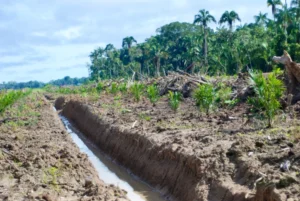
The decline of lemur populations is not a sudden phenomenon but rather the result of decades of environmental degradation. In the 1960s, Madagascar’s eastern rainforests—a region serving as a vital stronghold for biodiversity—underwent a significant transformation. Vast tracts of continuous, pristine forest were cleared to accommodate shifting agricultural practices and the expansion of cattle pastures. This systematic fragmentation broke once-unified habitats into isolated "islands" of vegetation separated by degraded land.
For the lemur, this fragmentation is a barrier to genetic health and survival. When populations are confined to small, non-contiguous patches of forest, they are unable to forage effectively or find mates from other groups, leading to inbreeding and reduced resilience against environmental shocks.
Recent initiatives, however, suggest a shift in strategy. In 2023, a collaborative coalition comprising local community leaders, international researchers, and environmental NGOs launched an ambitious reforestation project in eastern Madagascar. This project, centered around the Andasibe-Mantadia National Park and the Analamazoatra Special Reserve, aims to restore 150 hectares (370 acres) of native forest. By creating a "corridor" between these two protected zones, conservationists hope to re-establish the ecological connectivity that existed prior to the 1960s, allowing for the free movement of wildlife and the stabilization of local ecosystems.
The Paradox of Invasive Species
While reforestation is widely viewed as the "gold standard" for habitat restoration, it is not without complex ecological challenges. A significant hurdle in the recovery of Malagasy forests is the encroachment of the strawberry guava (Psidium cattleyanum). Originally native to Brazil, this invasive tree species has demonstrated a remarkable ability to colonize damaged forests, effectively muscling out native flora that lemurs rely on for their primary nutrition.
The threat is compounded by a biological irony: lemurs are actually active participants in the spread of these invasive seeds. Because the fruit of the strawberry guava is highly palatable, lemurs frequently choose it over native alternatives. As they consume the fruit and move through the forest, they inadvertently plant the seeds of the very trees that are degrading their habitat.
Anthropologist Cortni Borgerson, an associate professor at Montclair State University, has noted the severity of this cycle. In recent correspondence, she emphasized that restoration efforts must be highly nuanced. Simply planting trees is insufficient; managers must account for how invasive species like the strawberry guava influence the behavior of the region’s remaining frugivores. If restoration projects do not actively manage the encroachment of these invasive plants, they risk creating a "trap" where the very animals they aim to save end up accelerating the decline of the forest’s structural integrity.

Neglected Ecosystems: The Plight of Dry Tropical Forests
While the lush rainforests of eastern Madagascar often capture the public imagination, the island’s dry tropical forests are currently in a state of rapid decline, often without receiving the commensurate level of international funding or scientific attention. These dry forests are uniquely adapted to seasonal rainfall patterns, yet they are increasingly vulnerable to logging and charcoal production.
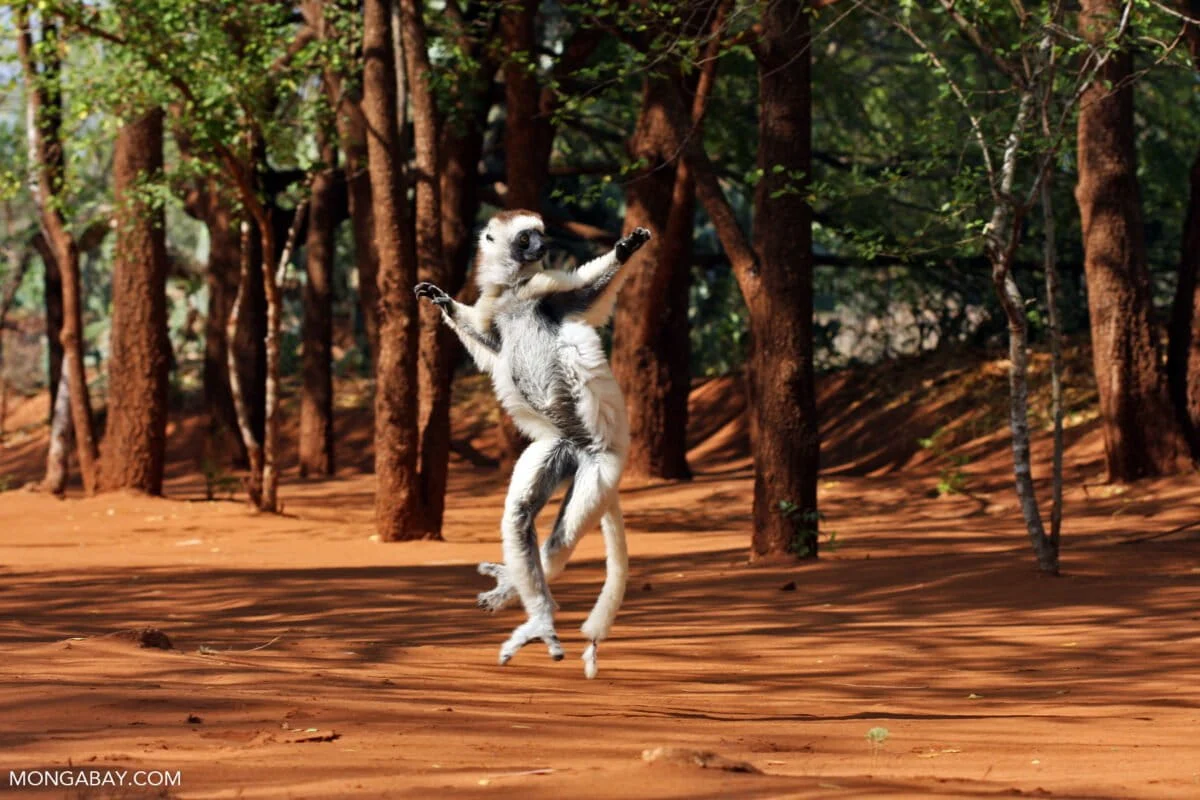
To address this disparity, conservationists have increasingly turned to "charismatic" species as a mechanism for policy advocacy. In September 2025, a concerted effort by various NGOs and government representatives successfully pushed for the inclusion of the Verreaux’s sifaka (Propithecus verreauxi) on the list of the World’s 25 Most Endangered Primates. The logic behind this move is strategic: by elevating the profile of an iconic, highly visible inhabitant of the dry forest, researchers hope to catalyze broader protective measures for the ecosystem as a whole. Inclusion on such a high-profile list can influence funding allocations, policy debates, and international tourism interest, providing a vital lifeline to an environment that has long been sidelined in global conservation discourse.
Data-Driven Conservation Strategies
The survival of Madagascar’s lemurs depends on a multi-pronged approach that integrates ecological restoration, community involvement, and biological research. According to data provided by recent conservation reports, the success of these programs is heavily dependent on the integration of local populations. In regions where reforestation projects include local communities in the planning and maintenance phases, the survival rates of native saplings are significantly higher.
Furthermore, the diversity of the lemur family—ranging from the iconic ring-tailed lemur to the tiny, nocturnal mouse lemurs—requires highly specialized management plans. For instance, the mouse lemurs, which are the subject of ongoing educational outreach by organizations like Mongabay Kids, play an essential role in seed dispersal and pollination across various forest types. Protecting them requires a landscape-level approach rather than a single-site focus.
Broader Implications and Future Outlook
The trajectory of Madagascar’s biodiversity is a barometer for the health of global tropical ecosystems. The challenges currently facing the island—habitat fragmentation, invasive species management, and the need for localized conservation funding—are mirrored in tropical forests across Southeast Asia, Africa, and the Amazon.
The implications of failure are profound. If the reforestation corridor projects in eastern Madagascar do not succeed, or if the dry forests continue to be depleted, the island could face a cascade of extinctions. Lemurs act as key ecological engineers; their loss would fundamentally alter the structure of Malagasy forests, leading to a decline in seed dispersal, forest regeneration, and the sequestration of carbon.
However, the current shift toward community-led, science-informed conservation offers a path forward. The focus on connecting habitats, managing invasive species with precision, and elevating the status of endangered species like the Verreaux’s sifaka reflects a more sophisticated understanding of conservation than existed even a decade ago.
As we look toward the future, the integration of these strategies must continue to evolve. Success will not be measured merely by the number of trees planted or the number of species protected, but by the development of sustainable, long-term relationships between the human populations of Madagascar and the unique primate species that share their home. World Lemur Day serves as an essential reminder that while the situation remains dire, the tools for recovery are available, provided there is the global will and sustained investment to implement them effectively. The resilience of these primates—and the forests they inhabit—depends entirely on the commitment of the international community to prioritize Madagascar’s natural heritage today, rather than when the remaining window for intervention has closed.