Sompong Viengchan, now in her mid-70s, has navigated the tenure of 16 prime ministers and 26 separate government cabinets in Thailand, all while maintaining a singular, unwavering focus: the restoration of her village’s dignity and the river that once sustained it. For over three decades, her life has been defined by a struggle against the Pak Mun Dam, a 136-megawatt multipurpose project that stands as a stark monument to the complexities of international development finance. As governments have shifted and political landscapes have evolved in Bangkok, the fundamental grievance voiced by Sompong and her community—that their livelihoods were sacrificed for a promise of prosperity that never materialized—has remained a constant, unresolved demand for justice.
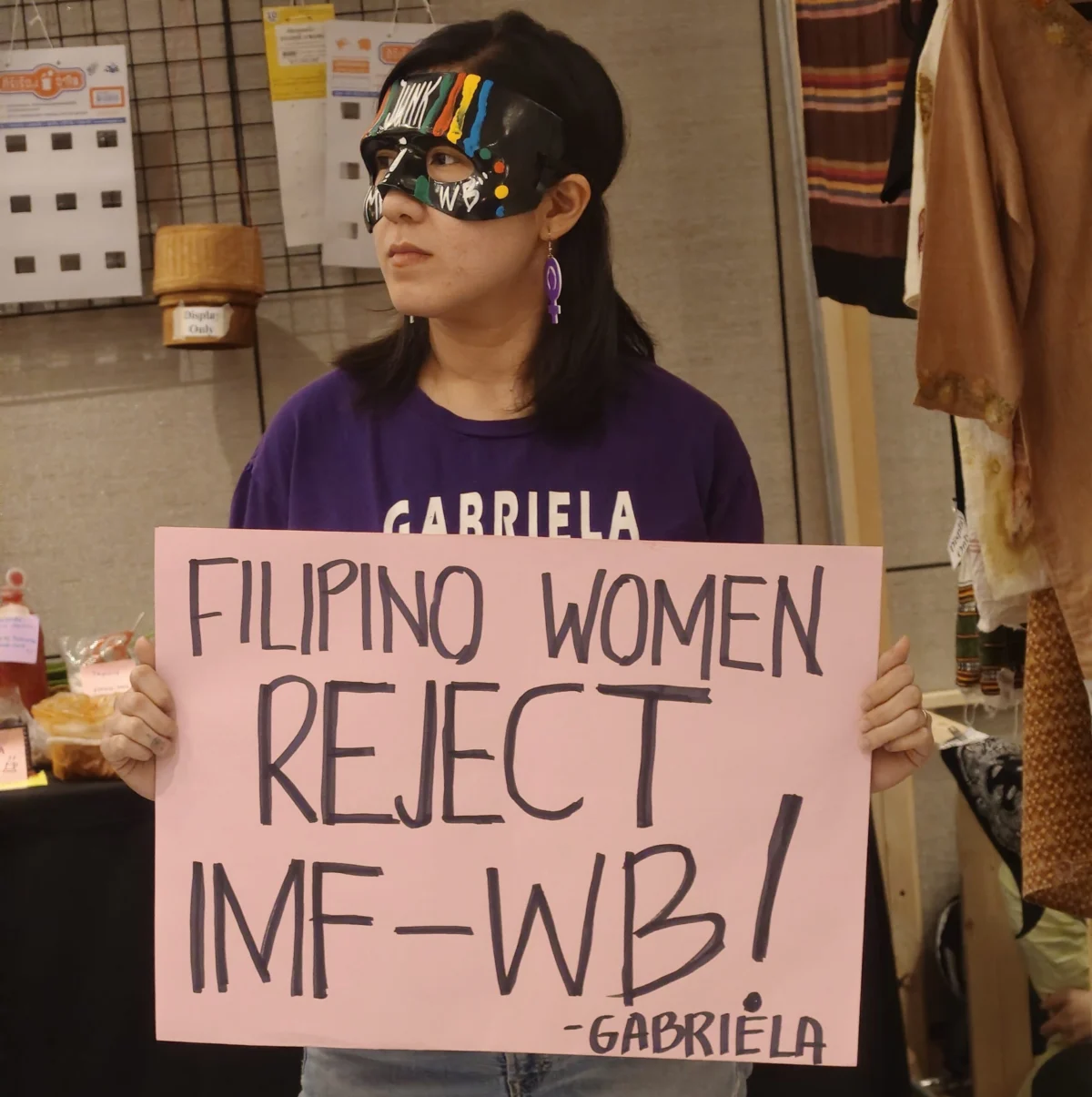
In October 2026, at a high-profile "people’s tribunal" in Bangkok, Sompong joined a cohort of 400 women land defenders from over 30 nations. The gathering, designed to scrutinize the social and environmental repercussions of projects funded by the International Monetary Fund (IMF) and the World Bank Group, served as a platform for these women to articulate the "counter-docket" of development. For Sompong, the testimony was a reflection on a journey that began in 1990, when the Mun River, a critical tributary of the Mekong, was dammed, fundamentally altering the ecology and economy of the region.
A Legacy of Displacement and Ecological Decline
The narrative surrounding the Pak Mun Dam is one of significant disparity between projected benefits and experienced realities. When the World Commission on Dams (WCD), an organization co-established by the World Bank and the IUCN, conducted a formal evaluation in 2000, the findings were sobering. The commission concluded that the construction of the dam had displaced approximately 1,700 households, stripping them of their homes, their agricultural land, or both. Furthermore, the ecological impact was catastrophic: fish catches in the reservoir and the areas immediately upstream plummeted by 60% to 80%.

Sompong’s account of the aftermath is visceral. "Living in a village downstream with no agricultural land, we relied primarily on fishing," she explained during the tribunal. "The blasting of rock for the dam’s construction effectively wiped out the local fish populations. We were plunged into financial ruin; our investments vanished and were replaced by systemic debt. Families were forced to send their children to distant cities to seek work just to survive, and when the area flooded, the entire community was forced to relocate."
For these women, the dam represents an existential threat rather than a source of clean energy. As Sompong succinctly stated, "Building a dam is the same as burying a person alive. It doesn’t kill you right away, but it ruins your life. We used to catch and sell fish; now, we are forced to buy fish to eat."
The 36-Year Chronology of Contention
The timeline of the Pak Mun resistance is a testament to the endurance of community organizing. Since 1990, local activists have engaged in a relentless cycle of protest marches, encampments, and negotiations. By 2026, after 36 years of persistent advocacy, the movement achieved a significant shift in the discourse. Authorities have begun to reconsider the cost-benefit analysis of the project, acknowledging that the electricity generated by the Pak Mun Dam falls significantly short of its 136-megawatt capacity. According to data from the Electricity Generating Authority of Thailand (EGAT), the average annual generation is closer to that of a 32-megawatt facility—a fraction of the initial promises made to the public.
This pressure has forced sporadic but meaningful concessions, most notably the periodic opening of the dam’s floodgates. These openings are critical, as they allow migratory fish species to traverse the Mun River, providing a lifeline to the ecological health of the river and, by extension, the food security of the riverside communities.

A Transnational Movement: Common Threads of Injustice
The grievances aired in Bangkok were not isolated to the Thai experience. The tribunal served as a nexus for similar stories of loss across Asia, revealing a pattern of development-induced trauma that transcends borders.
In Nepal, Manju, a farmer from the indigenous Rai community, spoke of the looming shadow of the 670-megawatt Dudh Koshi Storage Hydroelectric Project. While construction has yet to commence, the mere proposal of the project, supported by the World Bank and the Asian Development Bank, has frozen the lives of those in the project’s footprint. Since 2023, government-mandated land-use restrictions have prevented residents from buying or selling their property. "We cannot manage our assets," Manju told the assembly. "The freeze has blocked us from financing our children’s education and left us in a state of perpetual uncertainty regarding our ancestral lands."
In Indonesia, the discourse shifted to the intergenerational trauma caused by the Kedung Ombo Dam. Risma Umar, an activist with Aksi for Gender, Social and Ecological Justice, has spent years documenting the fallout of the $156 million project funded by the World Bank in 1985. The struggle for just compensation has lasted decades, characterized by military intimidation and the social stigmatization of those who resisted relocation. The psychological impact remains profound; Risma noted that some survivors still exhibit trauma-induced behaviors, such as hiding when they see men in uniforms, a direct consequence of the state-sponsored pressure they faced during the dam’s construction.
Systematic Marginalization and the Tool of Documentation
A common theme among the delegates was the necessity of documentation as a form of survival. Yokbeth Felle, a West Papuan activist, highlighted the paradox of her region: despite being home to some of the world’s most lucrative gold and copper reserves, it remains among the most disadvantaged in Indonesia in terms of health, education, and infrastructure.

"Within a system that marginalizes us on our own land, documentation is both a tool of resistance and a means of survival," Felle stated. By leveraging independent media and online platforms, activists are attempting to bridge the gap between local lived realities and the international narrative pushed by development institutions.
In the Philippines, the stakes are arguably higher. Cathy Estavillo, of the Amihan National Federation of Peasant Women, described the fallout of the World Bank-financed SPLIT program, which aimed to individualize 1.4 million hectares of collectively held agrarian reform land. Estavillo argues that this transition has exposed vulnerable households to severe economic risks, as poor farmers are often forced to liquidate their land titles to outside investors. The resistance to this policy has led to the freezing of organizational bank accounts and persistent threats to the safety of leaders. With Global Witness reporting the Philippines as the deadliest country in Asia for environmental and land defenders—citing 12 killings in 2025 alone—the fight for land rights is an inherently dangerous endeavor.
Implications for International Development Finance
The tribunal in Bangkok raises fundamental questions about the accountability of major financial institutions. Critics argue that the World Bank and other international lenders often prioritize large-scale infrastructure projects that align with state-led development goals while failing to implement robust, enforceable safeguards for marginalized populations, particularly women.
The "counter-docket" presented by these 400 women represents a call for a paradigm shift. It demands that the "success" of a project not be measured solely by megawatts or agricultural conversion rates, but by the preservation of community agency, the protection of ancestral land, and the long-term ecological viability of the regions involved.

The institutional response to these claims has historically been one of slow, bureaucratic reform. However, the persistence of activists like Sompong Viengchan serves as a reminder that the cost of ignoring social impact is not merely a financial calculation—it is a human one. The fact that the Pak Mun gates are open again is a victory, but it is an incomplete one. The communities scattered by the original project, the families torn apart by migration, and the youth who have never known the river as their parents did, represent a debt that remains unpaid.
As these women continue to mobilize, the international development community faces a critical juncture. The era of unilateral, top-down development is being challenged by a global network of women who are not only documenting the harms of the past but are also actively shaping the policy debates of the future. Their collective voice—demanding transparency, accountability, and the right to self-determination—serves as a potent warning that true development cannot be built on the erasure of those it claims to assist. The movement in Bangkok underscores that for the communities on the front lines, the struggle is not merely for compensation; it is for the right to exist in a landscape that has been irrevocably altered by global finance.