
The financial landscape for 2026 has been defined by a renewed consumer focus on simplicity and high-yield returns, leading industry analysts to crown the Wells Fargo Active Cash Card as the premier credit card for the current fiscal year. As inflationary pressures and fluctuating interest rates continue to shape household budgeting, financial institutions have pivoted away from complex, tiered reward structures toward streamlined, flat-rate cash-back models. This shift has elevated the Wells Fargo Active Cash Card, which maintains a consistent 2% cash rewards rate on all purchases, to the forefront of personal finance tools.
The Evolution of Cash Back Rewards
The credit card industry has undergone a significant transformation over the last decade. Historically, issuers relied on rotating categories and tiered rewards—where users might earn 3% or 5% on specific purchases like groceries or gas, but only 1% on everything else—to drive consumer engagement. However, market research from the past two years suggests that consumers are experiencing "reward fatigue." Managing multiple cards with different billing cycles and complex activation requirements for bonus categories has become a deterrent for the average cardholder.
The success of the Wells Fargo Active Cash Card reflects a broader trend toward "set-it-and-forget-it" financial management. By offering an unlimited 2% return on every transaction, the card removes the cognitive load associated with optimizing spending. This design choice aligns with current consumer sentiments, which favor transparency and immediate, tangible value over the potential for higher—but harder to achieve—rewards.
Strategic Market Positioning
The card’s emergence as a market leader is not solely due to its flat-rate rewards. Its competitive edge is reinforced by a strategic combination of features that address the primary pain points of modern credit users: high interest rates and the desire for initial incentives.

The inclusion of a $100 cash rewards welcome bonus, triggered by a modest $500 spend within the first three months, provides a low barrier to entry for new applicants. Furthermore, the 12-month 0% introductory APR period for both purchases and balance transfers has proven particularly timely. In an era where consumer debt levels remain elevated, this feature acts as a critical bridge for individuals looking to consolidate high-interest debt or manage significant one-time expenditures without incurring immediate interest costs.
Chronology of Financial Product Development
The trajectory of the Active Cash card follows a deliberate strategy by Wells Fargo to capture a larger share of the "generalist" credit card market. When the product was initially launched, it was positioned as a direct competitor to existing flat-rate cards that had long dominated the sector.
Throughout 2024 and 2025, the bank implemented a series of updates, including enhanced digital integration within its mobile banking application and refined security features such as built-in cell phone protection. By offering up to $600 in coverage for damaged or stolen devices—contingent upon the user paying their monthly bill with the card—the issuer added a layer of utility that transcends simple monetary rewards. This evolution demonstrates how issuers are increasingly packaging "value-add" services with core financial products to increase customer retention.
Comparative Market Analysis
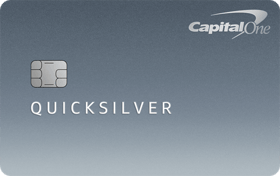
To understand why this specific product holds the top position for 2026, it is necessary to compare it against its closest competitors. For instance, the Capital One Quicksilver Cash Rewards Credit Card and the Citi Double Cash Card remain strong contenders, yet they offer slightly different value propositions.
The Capital One Quicksilver offers a 1.5% flat-rate cash back, which, while lower than the 2% offered by Wells Fargo, is often paired with a more robust travel booking ecosystem, including 5% cash back on hotels and rental cars booked through their portal. Meanwhile, the Citi Double Cash Card utilizes a unique structure where users earn 1% when they buy and an additional 1% when they pay their bill. While effective, this two-step process can be less intuitive for users who prefer an immediate rewards credit.
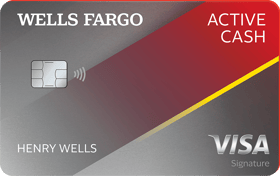
The Wells Fargo Active Cash Card effectively bridges the gap between these models by providing the simplicity of a flat rate with the competitive 2% threshold, making it the most balanced option for a diverse range of credit profiles, particularly those with good to excellent credit scores (670–850).
Data-Driven Consumer Implications
For the average household, the implications of choosing a high-yield flat-rate card are substantial. Based on average annual consumer expenditure data, a household spending $20,000 annually on a card with a 1% return would earn $200 in rewards. By switching to the 2% structure offered by the Wells Fargo Active Cash Card, that same household would double their annual return to $400. Over a five-year period, this difference represents a significant boost to a family’s discretionary income, especially when the card carries no annual fee.
The 0% introductory APR offer also carries significant weight in the current economic climate. With average credit card interest rates hovering well above 18%—and often reaching nearly 30%—the ability to carry a balance for a year without interest charges provides a safety net that can save users hundreds, or even thousands, of dollars in interest payments.
Official Stance and Responsible Usage
Financial experts consistently emphasize that while these cards are powerful tools, they are not a substitute for responsible budgeting. The "live richly, not risky" philosophy often promoted by financial literacy advocates serves as a reminder that the value of rewards is negated if a user fails to pay their balance in full by the end of each month.
The issuer, in its disclosure, clarifies that credit decisions are based on a variety of factors and that approval is never guaranteed. This serves as a reminder to prospective applicants that their personal credit history, debt-to-income ratio, and overall financial stability are the primary determinants in their ability to secure the best financial products.
Broader Economic Impact
The rise of the Wells Fargo Active Cash Card is symptomatic of a shift in the banking industry’s approach to customer acquisition. Rather than attempting to trap users in complex, high-fee environments, major banks are finding that providing clear, long-term value leads to higher customer lifetime value (CLV). By retaining users through a combination of high-utility, no-fee products, banks can cross-sell other financial services such as mortgages, savings accounts, and investment products.
As we look further into 2026, it is expected that the industry will continue to emphasize transparency and ease of use. The success of this card suggests that the "simplicity revolution" in credit is not merely a passing phase but a foundational change in how financial institutions must interact with a more informed and value-conscious consumer base.
Conclusion: A Tool for the Modern Consumer
Ultimately, the designation of the Wells Fargo Active Cash Card as the best credit card for 2026 rests on its ability to serve as a reliable, high-performing asset in the modern consumer’s wallet. By stripping away the complexities of rotating categories and annual fees, and by providing a robust, immediate cash-back incentive, the card offers a level of utility that is difficult to surpass. Whether for a student managing their first account or an established professional looking to streamline their finances, the product represents a synthesis of traditional banking strength and modern consumer-first design. As the financial environment continues to evolve, the demand for such transparent and efficient tools will likely remain the primary driver of credit market innovation.