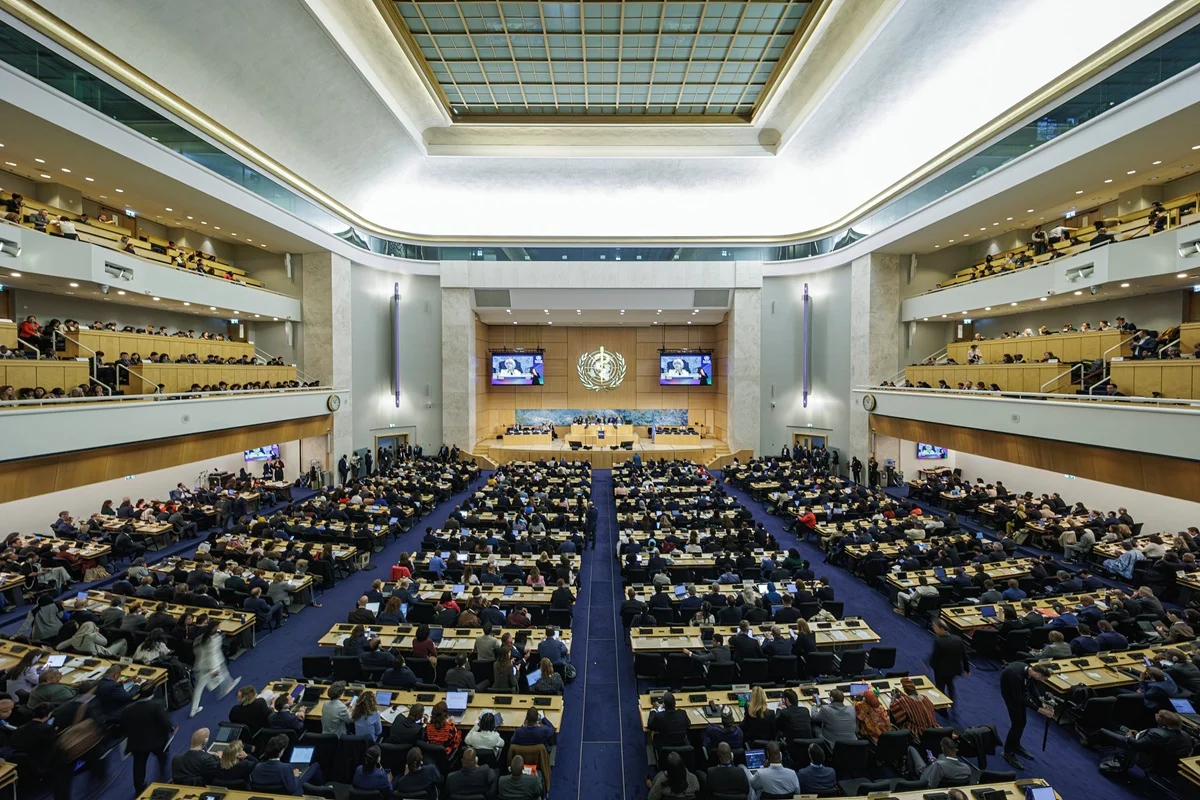
Geneva, Switzerland – May 18, 2026 – The Seventy-Ninth Session of the World Health Assembly (WHA79) commenced today at the Palais des Nations in Geneva, marking a pivotal moment for global health governance. The distinguished delegates from Member States elected Dr. Víctor Elías Atallah Lajam of the Dominican Republic as the President of the Health Assembly, signaling the commencement of crucial deliberations on the world’s most pressing health challenges. This year’s assembly, held against a backdrop of evolving global health landscapes and ongoing recovery from recent health crises, aims to chart a course for enhanced international cooperation and resilience in public health.
The election of Dr. Atallah Lajam, a seasoned public health professional with extensive experience in Latin America, underscores the assembly’s commitment to strong leadership. He will preside over the proceedings, guiding discussions and negotiations that will shape global health policies and strategies for the coming year.
Joining Dr. Atallah Lajam in leadership roles are the elected Vice-Presidents: Dr. Mohamed Ali Al-Ghouj of Libya, Dr. Assa Badiallo Touré of Mali, Mrs. Katarzyna Drążek-Laskowska of Poland, Mrs. Neesha Mehta of Nepal, and Mr. Elias Kapavore of Papua New Guinea. These individuals, representing diverse geographical regions and perspectives, will play a vital role in supporting the President and ensuring the smooth functioning of the assembly. Furthermore, Dr. Timur Sultangaziyev of Kazakhstan and Dr. Kwabena Mintah Akandoh of Ghana have been appointed as the Chairs of Committee A and Committee B, respectively, tasked with leading the in-depth review of specific agenda items.
A High-Level Welcome and Global Perspectives
The opening of WHA79 was marked by a high-level welcome ceremony that set a tone of collaboration and shared responsibility. H.E. Elisabeth Baume-Schneider, Federal Councillor of the Swiss Confederation, delivered a welcome address on behalf of the host nation, emphasizing Switzerland’s enduring commitment to the World Health Organization (WHO) and its mission. Her remarks highlighted the significance of Geneva as a hub for international diplomacy and multilateralism, particularly in the realm of global health security.
The assembly also had the honor of hearing from H.E. John Dramani Mahama, President of Ghana, who served as the Special Guest of Honour. President Mahama’s address likely focused on the critical need for equitable access to healthcare, the challenges faced by developing nations in strengthening their health systems, and the importance of robust global partnerships in addressing health disparities. His presence underscored the vital role of African nations in shaping the global health agenda.
Adding further weight to the opening proceedings, video messages were broadcast from prominent global leaders, including H.E. António Guterres, United Nations Secretary-General. The UN Secretary-General’s message would have undoubtedly reiterated the interconnectedness of health with broader sustainable development goals and the imperative of a strengthened WHO in achieving them. Similarly, messages from H.E. Ahmad Al Sharaa, President of the Syrian Arab Republic, and H.E. Mia Mottley, Prime Minister of Barbados, likely offered unique perspectives on regional health challenges and the impact of global health crises on their respective nations, while also emphasizing the need for international solidarity.
Director-General’s Vision and Recognition of Excellence
Dr. Tedros Adhanom Ghebreyesus, WHO Director-General, delivered a powerful opening address, likely outlining the organization’s achievements over the past year, the critical challenges ahead, and the strategic priorities for the future. His remarks would have undoubtedly touched upon the ongoing efforts to bolster pandemic preparedness and response, address the growing burden of non-communicable diseases, and promote universal health coverage. He would have also likely emphasized the need for sustained investment in primary healthcare and the crucial role of digital health innovations in expanding access to care.
A significant highlight of the opening session was the presentation of the WHO Awards for Global Health. This prestigious recognition was bestowed upon four distinguished individuals: Dr. Tore Godal, Dr. Merceline Dahl-Regis, Dr. Mike Ryan, and Dr. Heba El Sewedy. These awards serve as a testament to their lifetime achievements and exceptional contributions to improving the health and well-being of communities worldwide. Their work, spanning diverse fields from infectious disease control to health systems strengthening and policy advocacy, exemplifies the dedication and impact that drive global health progress. Dr. Ryan, in particular, is widely recognized for his pivotal role in the WHO’s response to numerous global health emergencies, including the COVID-19 pandemic, his leadership in the health emergencies program has been instrumental in coordinating international efforts.
The afternoon session concluded with an address from H.E. Pedro Sanchez, Prime Minister of Spain, who served as a Special Guest. His intervention likely provided insights into Spain’s commitment to global health initiatives and its vision for international cooperation in addressing health crises and promoting health equity.
Background and Context of the World Health Assembly
The World Health Assembly, the supreme decision-making body of the WHO, convenes annually in Geneva. It brings together delegations from all WHO Member States to set the Organization’s policies, appoint the Director-General, review the work of the WHO Secretariat, and approve the proposed budget. The WHA serves as a crucial platform for Member States to discuss and agree upon global health strategies, standards, and norms.
Each session typically focuses on a broad range of health-related issues, including infectious disease outbreaks, chronic disease prevention, maternal and child health, mental health, and the strengthening of health systems. The agenda is meticulously prepared, reflecting the evolving health priorities and emerging challenges identified by WHO and its Member States.
The Seventy-Ninth Session takes place at a critical juncture. The world is still grappling with the long-term consequences of the COVID-19 pandemic, which exposed vulnerabilities in global health security and exacerbated existing inequalities. The assembly will undoubtedly deliberate on strengthening pandemic preparedness and response mechanisms, ensuring equitable access to vaccines, therapeutics, and diagnostics, and establishing more resilient health systems capable of withstanding future shocks.
Furthermore, the WHA79 is expected to address the growing burden of non-communicable diseases (NCDs), which remain a leading cause of mortality and morbidity globally. Discussions are likely to focus on strategies for prevention, early detection, and improved management of NCDs, as well as the social and economic determinants that contribute to their rise.
Supporting Data and Global Health Trends
The discussions at WHA79 will be informed by a wealth of data and evidence. According to WHO reports, the COVID-19 pandemic, while receding in its acute phase, has had profound and lasting impacts on global health. The pandemic led to significant disruptions in essential health services, with an estimated 10 million excess deaths attributed to it in 2020 and 2021. Progress towards the Sustainable Development Goal for health (SDG 3) has been set back, with challenges in areas such as child mortality, maternal health, and the fight against infectious diseases like tuberculosis and malaria.
Conversely, there have been notable advancements in certain areas. Global vaccination coverage for routine childhood immunizations, which saw a decline during the pandemic, is gradually recovering. Innovations in digital health and telemedicine hold immense potential to expand healthcare access, particularly in remote and underserved regions. The development of new diagnostics and treatments for various diseases continues to offer hope for improved patient outcomes.
The global health landscape is also characterized by increasing health inequities. Wealthier nations generally have better access to healthcare services and advanced medical technologies, while lower-income countries often struggle with limited resources, infrastructure deficits, and a shortage of healthcare professionals. WHA79 will serve as a crucial forum to address these disparities and advocate for more equitable health outcomes worldwide.
Analysis of Implications and Future Directions
The outcomes of WHA79 will have far-reaching implications for global health policy and practice. The decisions made in Geneva will guide the WHO’s work for the next year and beyond, influencing national health strategies, research priorities, and international cooperation efforts.
Key areas of focus for the assembly are likely to include:
- Pandemic Preparedness and Response: A central theme will undoubtedly be the negotiation and finalization of a potential pandemic treaty, aimed at establishing a more robust and equitable framework for global cooperation in preventing, preparing for, and responding to future pandemics. This will likely involve discussions on pathogen surveillance, equitable access to medical countermeasures, and mechanisms for timely information sharing.
- Strengthening Health Systems: Delegates will explore strategies to reinforce primary healthcare systems, build resilient health workforces, and ensure the availability of essential medicines and technologies. This includes a focus on universal health coverage (UHC), ensuring that all individuals can access quality health services without facing financial hardship.
- Addressing Non-Communicable Diseases (NCDs): With NCDs accounting for a significant proportion of global mortality, the assembly will likely discuss intensified efforts in prevention, early detection, and management, with a focus on risk factors such as unhealthy diets, physical inactivity, tobacco use, and harmful alcohol consumption.
- Global Health Equity: A persistent challenge, global health equity will be a recurring topic, with discussions aimed at reducing health disparities between and within countries, ensuring equitable access to healthcare, and addressing the social determinants of health.
- Digital Health and Innovation: The assembly will likely explore the transformative potential of digital health technologies in improving health outcomes, expanding access to care, and enhancing health system efficiency, while also addressing challenges related to data privacy, security, and digital divides.
The success of WHA79 will be measured not only by the resolutions adopted but also by the commitment of Member States to implement these decisions effectively. The collective will to translate discussions into tangible actions will be paramount in shaping a healthier future for all. The leadership elected today, coupled with the global commitment to collaborative action, offers a hopeful outlook for addressing the complex health challenges of the 21st century.