The 2026 National Climate Change Risk Assessment has officially identified colonization as a primary driver of heightened climate vulnerability for Māori, the Indigenous people of Aotearoa New Zealand. Composed of four comprehensive reports, including a specialized companion document dedicated to Māori perspectives, the assessment argues that the impacts of record-breaking storms, rising sea levels, and ecological shifts are not merely natural phenomena but are exacerbated by a century and a half of systemic marginalization. This landmark document marks a significant shift in how the New Zealand government evaluates environmental risk, moving beyond purely meteorological data to incorporate historical, social, and cultural determinants of resilience.
The Intersection of Colonial History and Climate Risk
The core of the assessment’s findings lies in the assertion that colonization has "intensified" the risks faced by Māori communities. For over 150 years, colonial policies—including land confiscations, forced displacements, and legal frameworks that prioritized European-style agriculture—have pushed many Māori tribes (iwi) and sub-tribes (hapū) toward geographically vulnerable areas. Paora Tapsell, a representative of Ngāti Whakaue and Ngāti Raukawa and the director of the Kāika Institute of Climate Resilience at Lincoln University, notes that this "aggressive colonization process" has literally pushed Indigenous populations to the margins of the landscape.
Historically, the alienation of fertile, inland territories led to many Māori settlements being concentrated in low-lying coastal regions or near flood-prone river mouths. Today, these are the very areas most threatened by the accelerating effects of climate change. The report highlights that this is not a historical accident but a structural reality where chronic underinvestment in Māori-owned land and infrastructure has left these communities with fewer resources to build defenses against extreme weather.
A Global Pattern of Indigenous Vulnerability
New Zealand’s findings reflect a burgeoning global consensus among climate scientists and sociologists. The 2026 assessment joins a series of international reports that recognize the link between land theft and climate fragility. In 2023, the United States’ Fifth National Climate Assessment explicitly stated that colonization and the subsequent loss of traditional territories have amplified the climate crisis for Native American and Alaska Native populations. Similarly, Australia’s 2022 State of the Environment report, which featured an Indigenous lead author for the first time, concluded that Indigenous Australians are disproportionately affected by fires and floods due to their deep connection to specific, often high-risk, environments and the disruption of traditional land management practices.
Despite these repetitive findings across the "CANZUS" nations (Canada, Australia, New Zealand, and the United States), Indigenous leaders argue that global climate policy still fails to allocate adequate funding to those on the front lines. The New Zealand report emphasizes that while Māori communities are frequently recognized as essential "first responders" during disasters, they receive a fraction of the national adaptation budget required to future-proof their homes and heritage sites.
Meteorological Context: A Nation Under Pressure
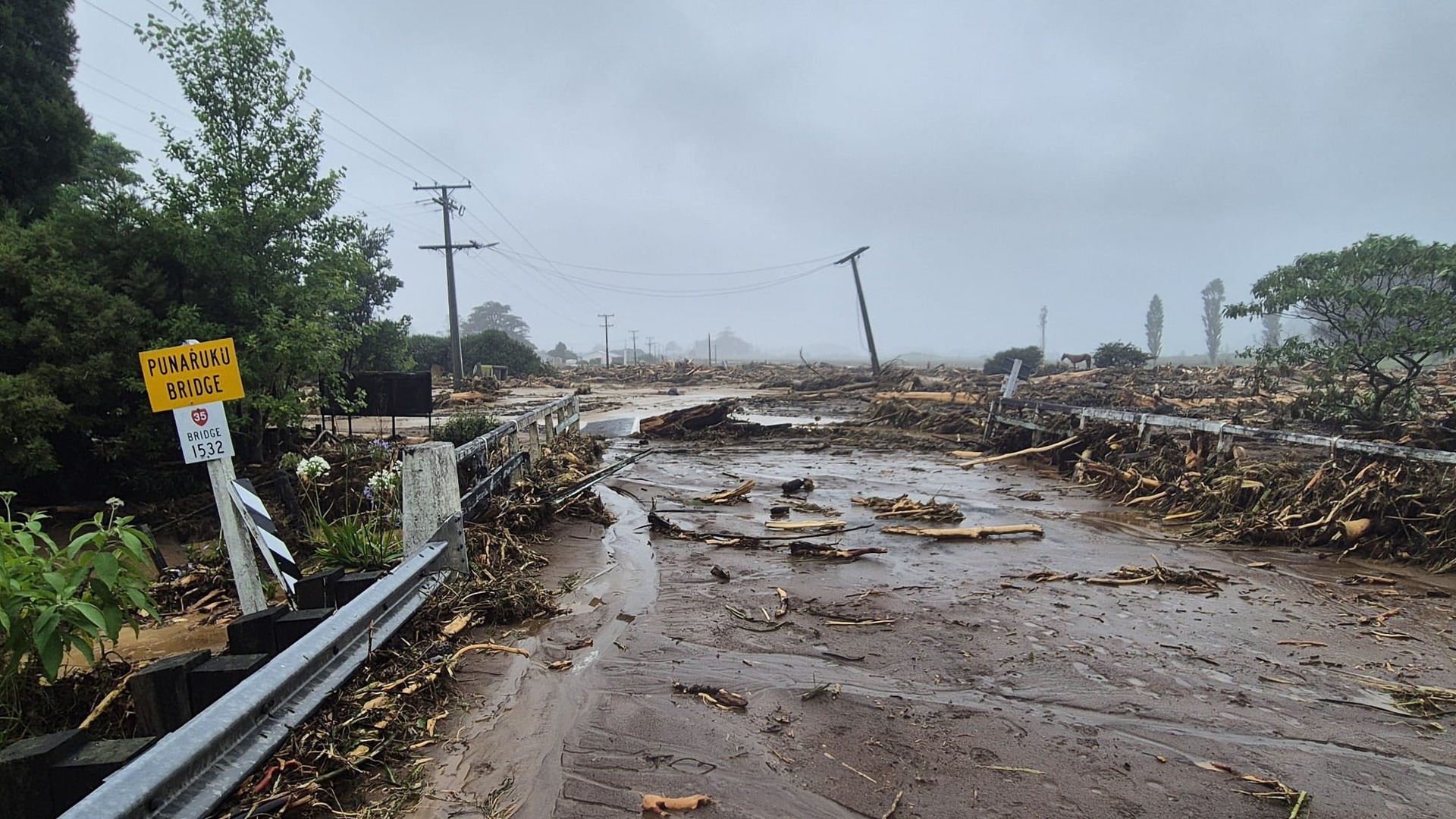
The release of the assessment comes on the heels of some of the most volatile weather seasons in New Zealand’s recorded history. In early 2023, Cyclone Gabrielle and the Auckland Anniversary floods caused billions of dollars in damage, leading to multiple national states of emergency. These events served as a "stress test" for the country’s infrastructure, and the results for Māori communities were sobering.
Shaun Awatere, a member of Ngāti Porou and the lead author of the Māori-focused companion report, observed that many kāinga (settlements) acted as hubs of resilience despite their economic disadvantages. During the 2023 floods, marae (tribal meeting places) across the North Island were converted into emergency shelters, providing food, medical aid, and housing for both Māori and non-Māori residents. However, Awatere points out that this reliance on Māori hospitality often masks a deeper inequity: these communities are expected to provide high-level emergency services while simultaneously dealing with the destruction of their own ancestral lands and resources.
Seven Domains of Risk: From Biodiversity to the Lunar Calendar
The 2026 assessment categorizes climate risk into seven interconnected domains, spanning environmental, cultural, and economic spheres. A primary concern is the rapid decline of protected endemic species. For Māori, the loss of biodiversity is not merely an ecological statistic; it is a direct threat to mātauranga Māori (Indigenous knowledge).
The report explains that the extinction or migration of specific birds, fish, and plants disrupts the maramataka—the Māori lunar calendar used for centuries to guide planting, harvesting, and fishing. When environmental cues like the flowering of certain trees or the arrival of migratory birds no longer align with the seasons, the intergenerational transmission of knowledge is severed. Furthermore, the loss of mahinga kai (traditional food gathering sites) impacts the ability of tribes to provide for their people, a cornerstone of Māori social structure and mana (prestige).
Cultural Fragmentation and Economic Vulnerability
Beyond the immediate physical threats of storms and erosion, the assessment warns of a "long-term cultural fragmentation." Māori culture is intrinsically tied to whenua (land). As burial sites (urupā) are washed away by coastal erosion and tribal meeting houses are repeatedly damaged by floods, there is a growing risk of permanent displacement. When a community is forced to move away from its ancestral land, the connection to lineage, language, and customary practices becomes harder to maintain.
Economically, the "Māori economy"—which is heavily invested in primary industries such as forestry, farming, aquaculture, and horticulture—is at a crossroads. These sectors are highly sensitive to climate hazards. Warming oceans and increasing acidity threaten Māori-owned fisheries and mussel farms, while unpredictable rainfall patterns jeopardize large-scale horticultural investments. The report suggests that without structural reform—such as easier access to capital for adaptation and more autonomy over land-use regulations—Māori economic vulnerability will continue to rise, potentially reversing decades of economic development.
The Treaty of Waitangi and Governance Failures
A critical component of the report is its critique of current governance structures. It argues that the exclusion of Māori from high-level climate decision-making is a "major risk multiplier." Under the Treaty of Waitangi (Te Tiriti o Waitangi), New Zealand’s founding document, the Crown has a legal and moral obligation to protect Māori interests and ensure their participation in governance.
Awatere and his co-authors argue that the current top-down approach to climate adaptation often ignores Indigenous expertise. They call for a shift toward "Indigenous data sovereignty," where Māori have control over the information collected about their lands and people, and "Māori-led adaptation," which utilizes traditional ecological knowledge alongside Western science. The report suggests that policies grounded in Māori customs are often more effective because they take a long-term, multi-generational view of land stewardship, rather than focusing on short-term political or economic cycles.
Implications for Future Policy
The 2026 National Climate Change Risk Assessment serves as a blueprint for what a more equitable climate strategy might look like. It recommends:
- Direct Funding: Increasing financial support for iwi and hapū to develop their own climate adaptation plans.
- Legal Reform: Amending resource management laws to give Māori authorities greater power in local environmental planning.
- Infrastructure Protection: Prioritizing the protection of cultural landmarks, such as marae and urupā, which are currently often overlooked in favor of commercial centers.
- Knowledge Integration: Formalizing the role of mātauranga Māori in national climate monitoring and response systems.
As Aotearoa New Zealand moves toward its next phase of climate planning, the question remains whether the government will act on these findings. The assessment makes it clear that climate change is not an "equal opportunity" disaster; it preys on existing fissures in society created by historical injustice. By acknowledging that colonization has laid the groundwork for modern climate vulnerability, the report challenges the nation to see climate adaptation not just as an engineering problem, but as a process of decolonization and social justice.
The findings of Shaun Awatere and his team underscore a grim reality: for many Māori, the climate crisis is not a future threat but a present-day continuation of a long-standing struggle for the survival of their land and culture. The success of New Zealand’s national climate strategy will likely depend on whether it can move beyond acknowledging these risks and start dismantling the structural inequities that created them.