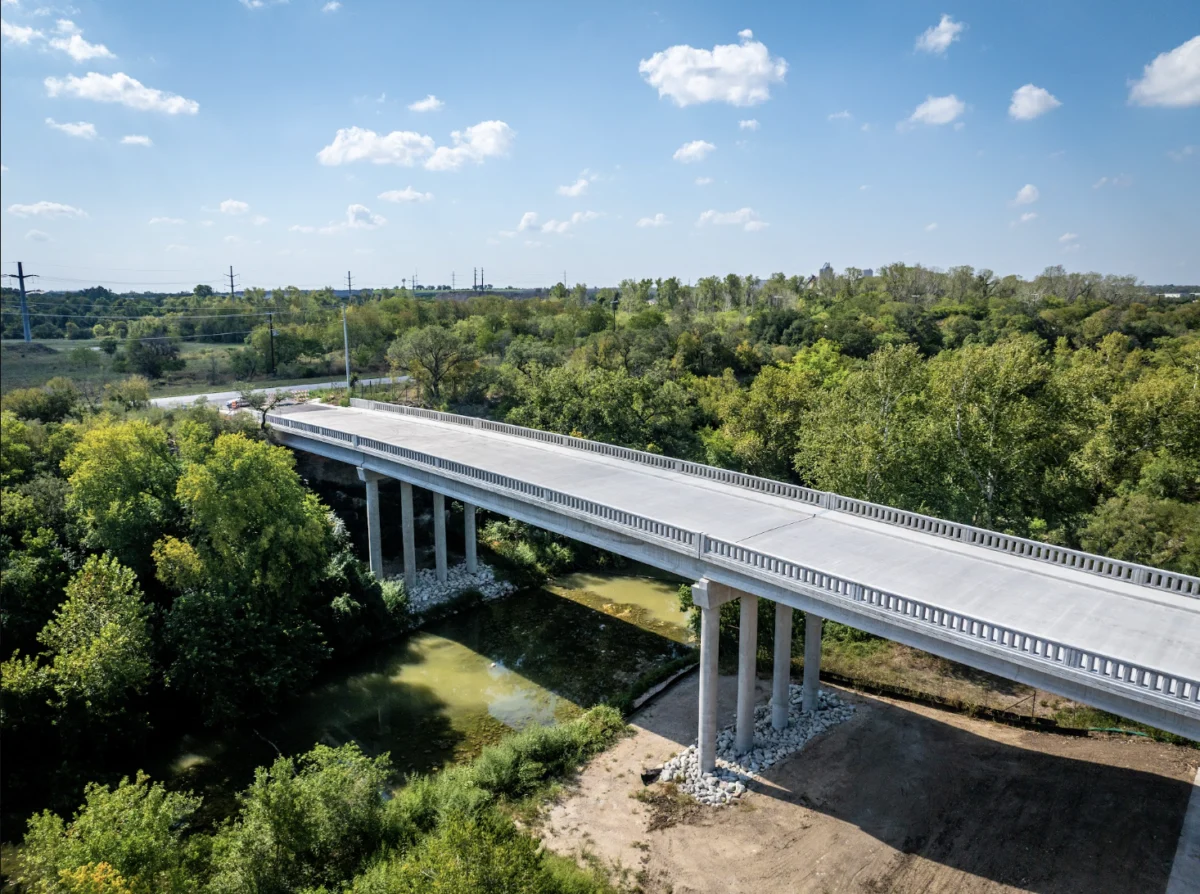
In the rapidly expanding corridor between Austin and San Antonio, the traditional boundaries between municipal responsibility and private development are blurring as cities grapple with unprecedented growth. On a recent Friday in Buda, Texas—a city of approximately 16,000 residents located 15 miles south of the state capital—local officials and corporate executives gathered for a ribbon-cutting ceremony that serves as a microcosm for the modern American housing market. The event marked the opening of a $7.6 million bridge, a critical piece of infrastructure that connects the new 496-home master-planned community, The Colony at Cole Springs, to the city’s primary commercial district. While the physical structure facilitates traffic flow, its true significance lies in the financial and collaborative framework that made it possible: a high-stakes public-private partnership (PPP) designed to solve the "infrastructure-affordability paradox."
For decades, the standard model of suburban development required cities to provide the backbone of utilities and roads, often funded through municipal bonds or taxpayer revenue. However, as the Austin-Round Rock-San Marcos Metropolitan Statistical Area (MSA) continues to lead the nation in migration and economic expansion, the financial strain on small municipalities like Buda has reached a breaking point. The City of Buda, despite its growing tax base, lacks the immediate liquidity to fund multi-million dollar bridges and major thoroughfare upgrades at the pace required by the housing demand. Conversely, homebuilders face a precarious balancing act: they must deliver the infrastructure required by local governments while keeping home prices within reach of a middle class increasingly priced out of the Central Texas market.
The Colony at Cole Springs project represents a strategic alliance between the City of Buda and two of the nation’s prominent homebuilders, M/I Homes and Meritage Homes. By splitting the $7.6 million cost of the bridge equally, the two builders bypassed the lengthy wait times associated with municipal bond elections, which often take years to move from voter approval to construction. This "fast-track" approach to infrastructure is becoming an essential tool for developers operating in high-growth regions where the window of market opportunity can close as quickly as it opens.
The Chronology of a Multi-Year Agreement
The journey to the ribbon-cutting ceremony was a years-long process of negotiation and fiscal engineering. Discussions between the City of Buda and the developers began in earnest around 2018, a period when the Austin area was seeing a dramatic spike in corporate relocations and a corresponding surge in housing demand. By 2020, a formal development agreement was finalized, laying out a complex roadmap for the 496-home community.
This agreement was not limited to the bridge alone. The scope of the project included comprehensive upgrades to the main access roads leading to the subdivision, the installation of a new traffic signaling system to manage the influx of residents, and significant enhancements to local parkland and creek access. The timeline of this project underscores the reality of modern land development: from the first meeting to the first resident crossing the bridge, nearly eight years of planning, permitting, and construction were required.
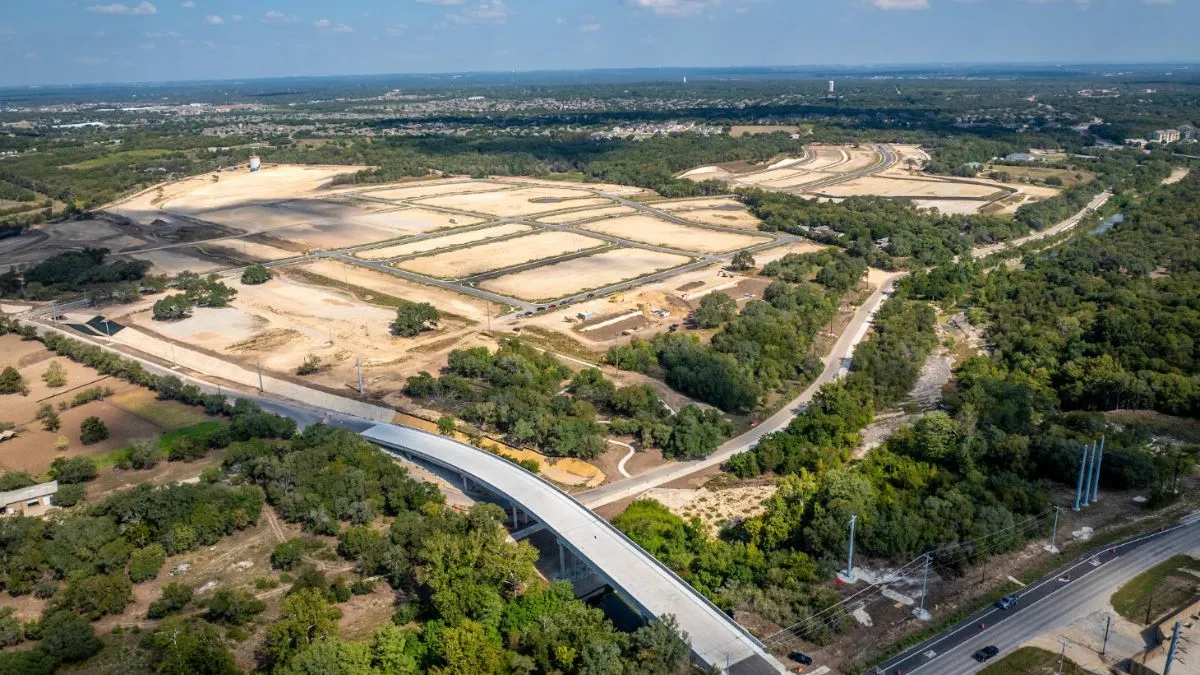
A pivotal component of the 2020 agreement was the authorization of a Municipal Utility District (MUD). In the state of Texas, MUDs are specialized political subdivisions that allow developers to finance the cost of water, sewer, and drainage infrastructure through the issuance of tax-exempt bonds. These bonds are eventually repaid through property taxes levied on the residents within the district. For The Colony at Cole Springs, the MUD served as the financial engine that allowed the builders to reclaim land and install essential utilities without placing an immediate financial burden on the city’s existing general fund.
Navigating the Infrastructure-Affordability Paradox
The central challenge of this partnership, as articulated by industry leaders, is the inherent friction between public investment and housing costs. Derek Baker, the Austin Area President at M/I Homes, noted that every dollar spent on a bridge or a road is a dollar that must eventually be accounted for in the final price of the home. In a market where the median home price in the Austin MSA has fluctuated between $450,000 and $600,000 over the last three years, the margin for error is razor-thin.
"We’re trying to balance providing the benefits of improvements like a bridge and additional streets, while also providing affordable housing half a mile from downtown Buda," Baker explained. He emphasized that the "sweet spot" for developers is finding a price point that the market can accommodate while still meeting the rigorous infrastructure requirements set by the city.
The scale of the project was the deciding factor in its feasibility. Bryan Crouch, the Austin and San Antonio area manager for Meritage Homes, pointed out that the nearly 500-home capacity of The Colony at Cole Springs provided the necessary volume to distribute the $7.6 million bridge cost. In a smaller community of 50 or 100 homes, such an investment would be mathematically impossible without pushing home prices into the luxury bracket. By spreading the infrastructure costs across 496 units, the partners were able to maintain a level of affordability that aligns with the needs of the region’s workforce.
Financial Incentives and Municipal Strategy
From the perspective of municipal governance, the partnership with M/I Homes and Meritage Homes was a pragmatic necessity. Micah Grau, the City Manager of Buda, highlighted the limitations of the public purse in an interview following the ceremony. He noted that major infrastructure projects typically require years of public outreach, engineering studies, and a voter-approved bond election. By partnering with private entities, the city was able to leverage private capital to achieve public goals in a fraction of the time.
To make the deal attractive for the builders, the City of Buda utilized a Tax Increment Reinvestment Zone (TIRZ). Under this arrangement, the city agreed to "kick back" 40% of the property taxes generated by the new development to help offset the costs of the improvements. This mechanism ensures that the developers are partially reimbursed for their upfront capital investment, while the city still retains 60% of the new tax revenue to fund general services like police, fire, and library operations.
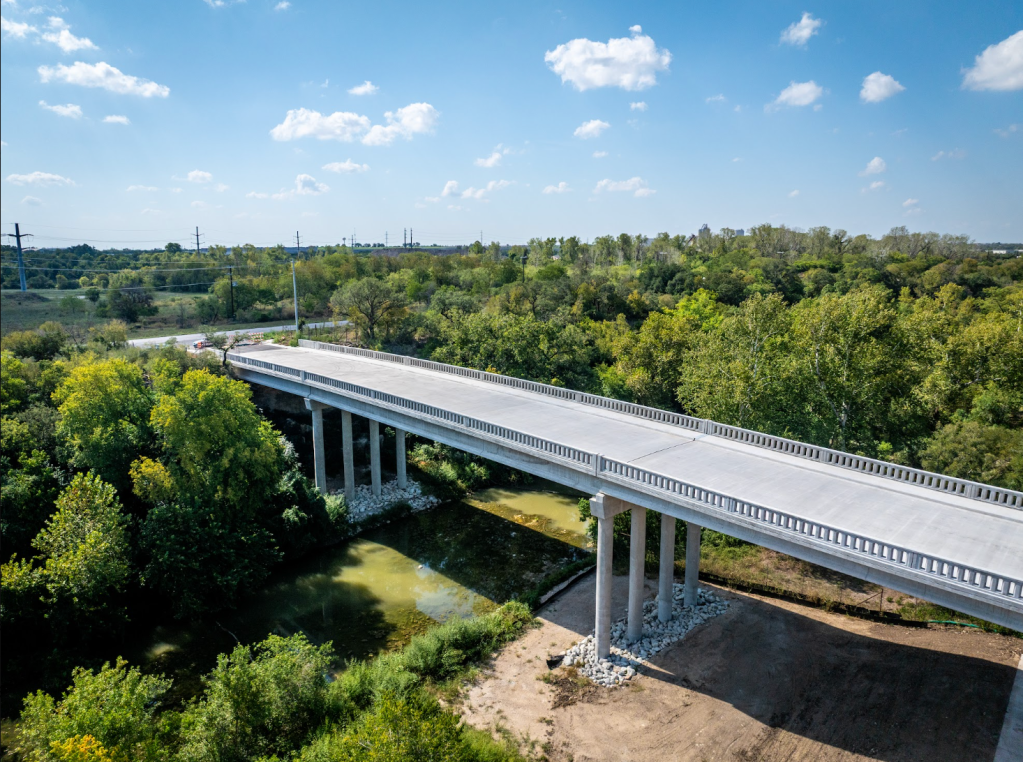
"The bridge would not have happened without the development partnership," Grau stated unequivocally. He noted that the bridge serves a dual purpose: it provides a vital second entrance and exit for the new subdivision and acts as a relief valve for traffic in the city’s downtown core. Furthermore, the bridge addresses a long-standing safety concern. The area west of Onion Creek has historically been prone to flooding, which can isolate residents during heavy Central Texas rainstorms. The new, elevated bridge provides a reliable route for emergency vehicles from the city’s main fire station, significantly improving response times for the western portion of the city.
Broader Impact and Regional Implications
The success of the Buda bridge project is likely to be studied by other municipalities in the "Flash Flood Alley" of Central Texas. The region’s geography—characterized by limestone bedrock and sudden, intense rainfall—makes infrastructure exceptionally expensive. Traditional roads are often undersized and flood-prone, requiring sophisticated engineering and costly materials to bring them up to modern safety standards.
For the residents of Buda, the bridge offers more than just a commute. It makes the city’s downtown commercial core accessible on foot in approximately 10 minutes from the new subdivision. This walkability is a key selling point for modern homebuyers and a strategic goal for city planners looking to support local small businesses. By funneling residents directly into the downtown corridor, the development is expected to stimulate economic activity in Buda’s historic center, creating a symbiotic relationship between new residential growth and established retail.
As the housing crisis persists across the United States, the Buda model suggests that the future of development may lie in these deeply integrated, high-transparency partnerships. The era of the "siloed" developer, who builds houses and leaves the infrastructure to the city, is rapidly coming to an end. In its place is a new paradigm where builders act as junior partners in urban planning, taking on the role of civil engineers and financiers to ensure their projects remain viable.
The implications for the housing market are clear: while public-private partnerships can deliver high-quality infrastructure and community benefits, they require a level of scale and financial sophistication that may favor large, national builders over smaller, local firms. As cities like Buda continue to grow, the ability to negotiate these complex agreements will become a defining characteristic of successful municipal management and sustainable urban expansion. The $7.6 million bridge over Onion Creek is, therefore, more than a transit link; it is a monument to the collaborative effort required to build a functioning community in the 21st century.