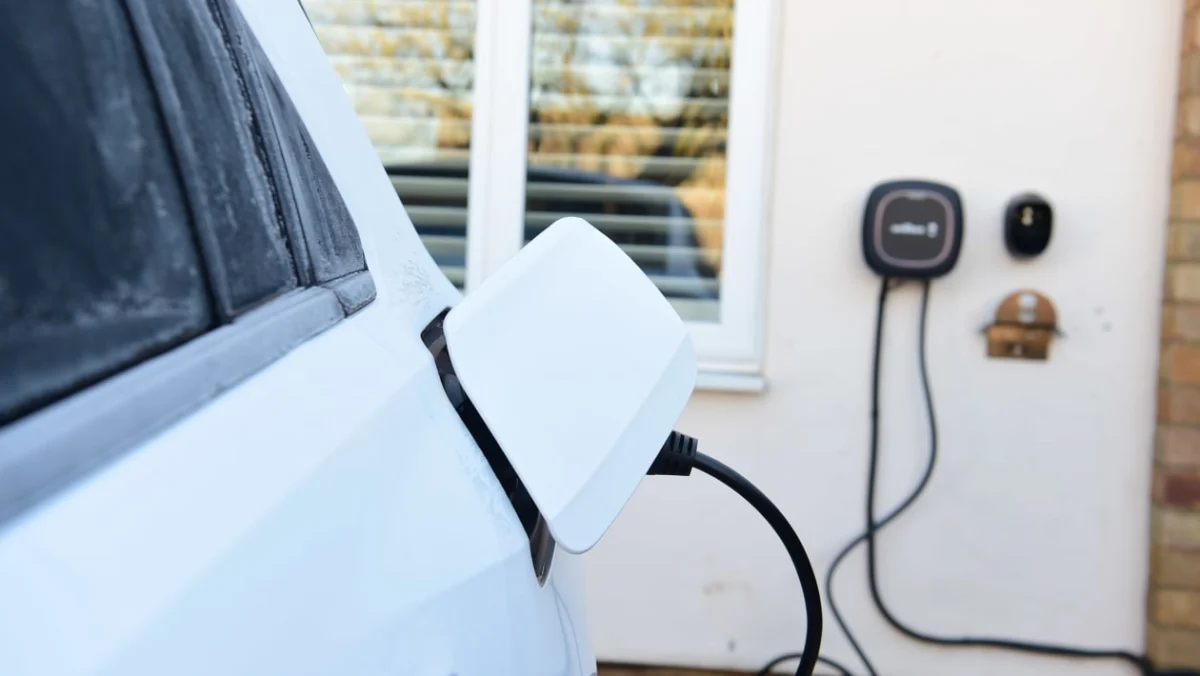
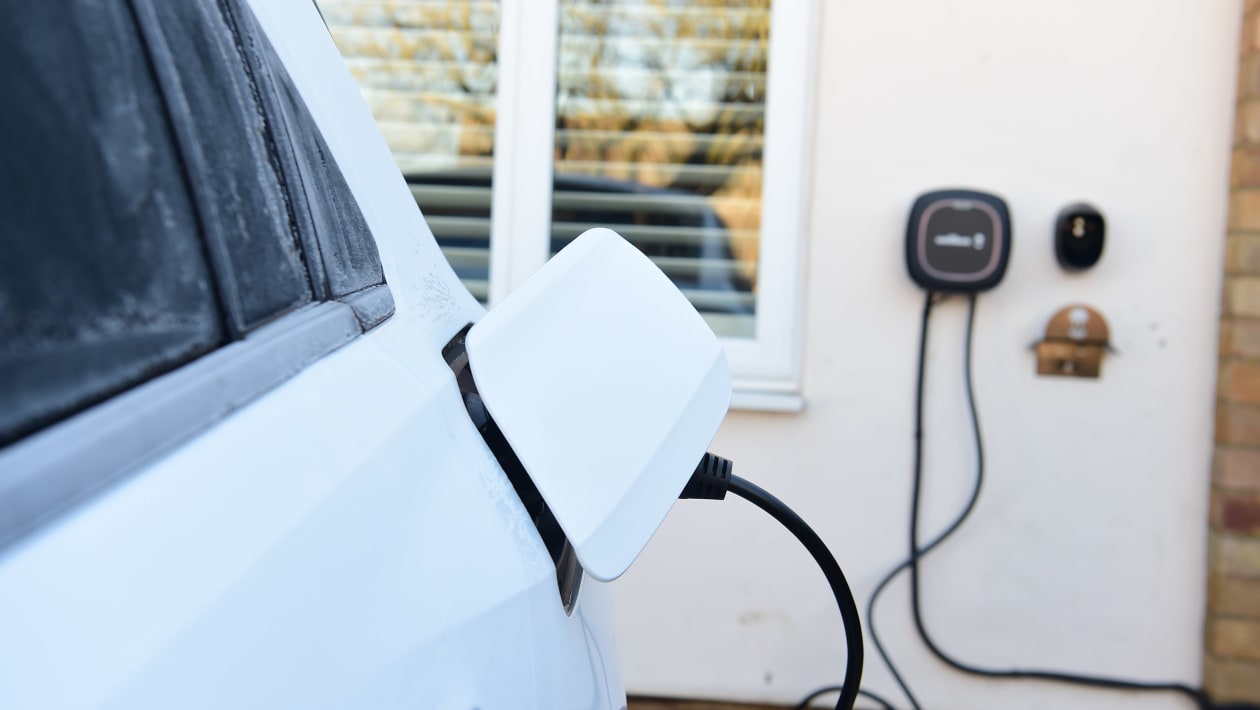
In a landmark move aimed at alleviating the cost-of-living crisis and accelerating the transition to zero-emission motoring, Prime Minister Andy Burnham has announced that Value Added Tax (VAT) on domestic electricity will be entirely scrapped starting October 1, 2026. While the policy is intended to provide immediate financial relief to millions of households, it has sparked a heated debate within the automotive industry regarding the widening "charging divide." By removing the 5% VAT on home energy without addressing the 20% VAT levied at public chargepoints, the government’s latest fiscal measure inadvertently penalizes electric vehicle (EV) drivers who lack access to off-street parking.
The Prime Minister’s announcement, framed as one of the definitive acts of his early administration, seeks to decouple the cost of home energy from international price volatility while incentivizing the adoption of green technologies. However, for the estimated 40% of UK households that do not have a driveway or garage, the news is a bittersweet reminder of a tax system that many experts describe as fundamentally "unfair."
The Mechanism of the VAT Cut
Currently, domestic electricity in the United Kingdom is subject to a reduced VAT rate of 5%. This is significantly lower than the standard 20% VAT rate applied to most goods and services, including electricity sold at public EV charging stations. Under the new Burnham government policy, the 5% domestic rate will be reduced to 0%.
The implementation date of October 1 is strategically significant. It coincides with the quarterly revision of the Ofgem energy price cap. Historically, the transition into the autumn and winter months sees a seasonal uptick in energy demand and, frequently, a rise in the price cap. By timing the VAT removal to match the new price cap period, the government effectively aims to neutralize any potential increase in electricity unit rates, ensuring that household bills remain stable or decrease even if wholesale costs rise.
In a public address, Prime Minister Burnham stated, "Westminster has not been working for people for too long, with families struggling with the cost of living. We’re taking immediate action to cut taxes on energy bills, put more money in people’s pockets, and bring back hope."
A Breakdown of the Savings: Home vs. Public Charging
The financial implications for EV owners vary significantly depending on their charging habits and their specific energy tariff. Based on the July to September 2026 price cap—which sits at approximately 26.11 pence per kilowatt-hour (kWh)—the removal of the 5% VAT represents a saving of roughly 1.3 pence per kWh for those on standard variable tariffs.
For a driver of a Tesla Model Y, currently the UK’s best-selling electric vehicle with a 60kWh battery, a full charge from empty would cost approximately 78 pence less under the new rules. While this may seem marginal on a per-charge basis, the cumulative effect over a year is more pronounced. Based on the average UK annual mileage of 7,100 miles and an efficiency of 3.5 miles per kWh, a driver would save roughly £17.64 per year on a standard tariff.

The savings are more modest for those utilizing specialized off-peak EV tariffs. Many providers offer overnight rates as low as 8 pence per kWh. For these users, the VAT removal equates to a saving of just 0.4 pence per kWh, or roughly 24 pence per full charge for a Model Y. Annually, this results in a saving of approximately £5.43.
However, these figures are calculated against the current price cap. If the October price cap rises, as many analysts predict due to global supply chain pressures, the absolute value of the 5% VAT reduction will increase, thereby providing a larger "buffer" for consumers.
The Growing "Charging Divide"
Despite the benefits for homeowners, the policy has drawn sharp criticism for failing to address the 20% VAT rate at public charging stations. This creates a two-tier system where those with the luxury of a private driveway pay 0% tax to fuel their vehicles, while those reliant on street-side infrastructure or rapid hubs pay the full standard rate.
Industry data from ZapMap indicates that the average cost of rapid public charging currently sits at 79 pence per kWh. At this rate, 13.1 pence of every kilowatt-hour consumed at a public charger goes directly to the Treasury in VAT. For a 10-80% charge of a 60kWh Tesla Model Y, a driver at a public hub pays approximately £33.18, of which more than £5 is tax.
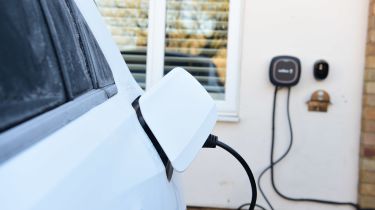
Vicky Edmonds, CEO of the electric car owner advocacy group EVA England, welcomed the reduction in household bills but highlighted the social inequity of the move. "For EV drivers who charge at home, it will make cars that can already save them thousands of pounds even cheaper to run," she noted. "But millions of EV drivers without a driveway will not fully benefit because they can’t easily access home charging. The Government’s Cost of Public Charging Review must now deliver real structural reform to bring down prices at the chargepoint."
Industry Reactions and the Call for Equalization
The automotive sector and EV infrastructure providers have long lobbied for "VAT parity." The argument is simple: electricity is the same commodity regardless of where it is delivered. Taxing it at four times the rate (and now infinitely more, given the 0% domestic rate) simply because of the delivery location is seen as a barrier to EV adoption for urban dwellers.
John Lewis, CEO of the on-street charging firm char.gy, expressed frustration that the new policy "throws the unfairness of the current VAT system into even sharper focus." He argued that the discrepancy actively discourages the transition to electric power for those who live in flats or terraced housing. "Drivers who rely on public charging… will still pay 20 per cent VAT for exactly the same electricity. If the Government is serious about making the EV transition work for everyone, the next step has to be equalizing VAT on public charging."
Analysts suggest that if the government were to reduce public charging VAT to 5% (the previous domestic rate), the cost of a typical rapid charge could drop by as much as £5. If it were reduced to 0% to match the new domestic rate, the savings for high-mileage commercial drivers and urban residents would be transformative.

Chronology of the UK’s EV Tax Evolution
The road to the 2026 VAT "axe" has been marked by several key policy shifts:
- 2020-2023: The UK government maintains a 5% VAT rate on domestic energy and 20% on public charging, despite the launch of the "FairCharge" campaign led by automotive journalist Quentin Willson.
- 2024: Amidst fluctuating gas prices, the Treasury rejects calls to equalize VAT, citing the need for tax revenue to fund infrastructure grants.
- January 2026: Following a change in leadership, the Burnham administration signals a "Green New Deal" focused on direct consumer tax cuts.
- July 2026: The Prime Minister officially announces the removal of domestic energy VAT effective from October.
- October 1, 2026: The scheduled date for the VAT reduction to take effect, coinciding with the new Ofgem price cap.
Broader Implications and Analysis
The decision to scrap domestic VAT on electricity carries significant weight beyond the automotive sector. It is a broad-brush economic tool intended to lower inflation by reducing the Consumer Prices Index (CPI), of which energy costs are a major component.
However, from an environmental perspective, the policy is a double-edged sword. While it makes EV ownership more attractive for the suburban middle class, it risks stalling the "second wave" of EV adoption. The initial surge in EV sales was driven largely by early adopters and fleet buyers with home charging access. To meet the 2035 ban on the sale of new internal combustion engine (ICE) vehicles, the government must now convince the "un-drivewayed" population to switch.
If public charging remains significantly more expensive due to tax policy, the total cost of ownership (TCO) for a city-dwelling EV owner may remain higher than that of a petrol or diesel equivalent. This could lead to a stagnation in EV sales in urban centers, potentially creating "pollution pockets" where older, fossil-fuel vehicles remain the only viable option for lower-income residents.
Furthermore, the loss of VAT revenue presents a challenge for HM Treasury. With domestic electricity being a multi-billion pound market, the move to 0% VAT represents a significant hole in the national budget. Critics argue that some of this lost revenue could have been better spent on targeted subsidies for public charging infrastructure or a partial reduction in public charging VAT to 5%, which would have been more equitable.
Future Outlook
As the October 1 deadline approaches, all eyes are on the Treasury to see if a companion announcement regarding public charging will be made. The "Cost of Public Charging Review," currently underway, is expected to provide recommendations by the end of the year.
For now, the message from the government is clear: home energy is a priority. But for the millions of motorists who park on the street, the "tax on the pavement" remains a significant hurdle in the race to net zero. The automotive industry continues to wait for a response from HM Treasury, which has been approached for comment regarding the potential for future VAT equalization.
The coming months will determine whether this policy is viewed as a masterstroke of cost-of-living relief or a missed opportunity to create a truly level playing field for the future of British transport. As it stands, the "VAT axe" has fallen, but its edge is only felt by those with a plug socket within reach of their front door.