The premium electric vehicle manufacturer Polestar has officially announced its intention to withdraw from the United States market, a move prompted by the company’s decision not to appeal a recent federal ban targeting vehicles equipped with Chinese-sourced hardware and software. The decision marks a definitive end to the brand’s operations in one of the world’s largest automotive markets, leaving a network of American dealers in a state of uncertainty and signaling a significant shift in the geopolitical landscape of the electric vehicle (EV) industry. Polestar, which is backed by the Chinese automotive giant Geely, had been facing increasing regulatory pressure from the U.S. Department of Commerce over national security concerns related to "connected vehicles" produced by entities with ties to "countries of concern," specifically China and Russia.
While the automaker had the legal standing to request a reconsideration from the Commerce Department or to challenge the ruling in federal court, a company spokesperson confirmed that Polestar will not pursue these avenues. This development comes despite the fact that Volvo, a sister brand also owned by Geely, successfully secured an exemption that allows it to continue selling connected vehicles in the United States. The departure of Polestar underscores the intensifying trade and security tensions between Washington and Beijing, which are increasingly manifesting as barriers to entry for high-tech consumer goods.
The Regulatory Framework: National Security and Connected Vehicles
The catalyst for Polestar’s exit is a sweeping regulation proposed and enacted by the U.S. Department of Commerce aimed at protecting domestic infrastructure and consumer privacy. The ban focuses on the integrated systems that allow modern EVs to communicate with external networks, including software used for automated driving, telematics, and vehicle-to-everything (V2X) communication. U.S. authorities have expressed concerns that these systems, if developed or controlled by Chinese entities, could be used for data harvesting or even remote vehicle manipulation, posing a threat to national security.
The ban specifically targets vehicles from the 2027 model year and beyond. For Polestar, a brand that has positioned itself as a leader in high-tech, software-defined mobility, complying with these regulations would have required a total overhaul of its supply chain and software architecture—a process that the company seemingly deemed financially and logistically unfeasible given its current U.S. market share. By choosing not to appeal, Polestar has acknowledged the difficulty of navigating a regulatory environment that increasingly views Chinese-linked technology as an inherent risk.
The Volvo Paradox: Why One Geely Brand Succeeded Where Another Failed
One of the most pressing questions surrounding Polestar’s exit is why it was unable to secure the same leniency as Volvo. Both brands operate under the umbrella of Geely, yet their fates in the U.S. market have diverged sharply. Industry analysts suggest that Volvo’s long-standing history as a Swedish heritage brand and its deeper integration into the global automotive market provided it with more diplomatic and regulatory leverage. Volvo has also spent decades establishing a robust corporate identity that, while owned by Geely, maintains a significant degree of operational independence and a massive physical footprint in the West.
Furthermore, Volvo’s product roadmap and software development may have been more easily decoupled from Chinese-specific platforms than Polestar’s. Polestar, which originated as a performance sub-brand of Volvo before being spun off as a standalone EV marque, has relied heavily on Geely’s Sustainable Experience Architecture (SEA) and other shared Chinese platforms. This technical intimacy with Chinese R&D likely made it a more direct target for U.S. regulators concerned about the "digital backbone" of modern transportation.
Manufacturing Implications: The Future of the South Carolina Facility
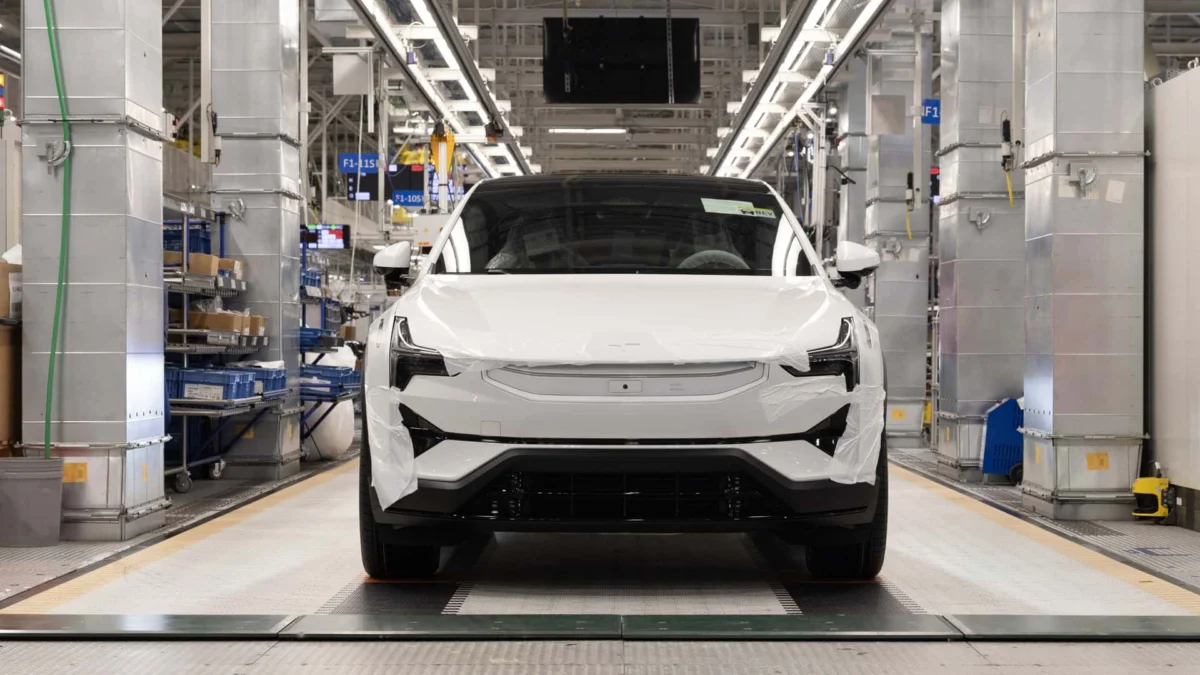
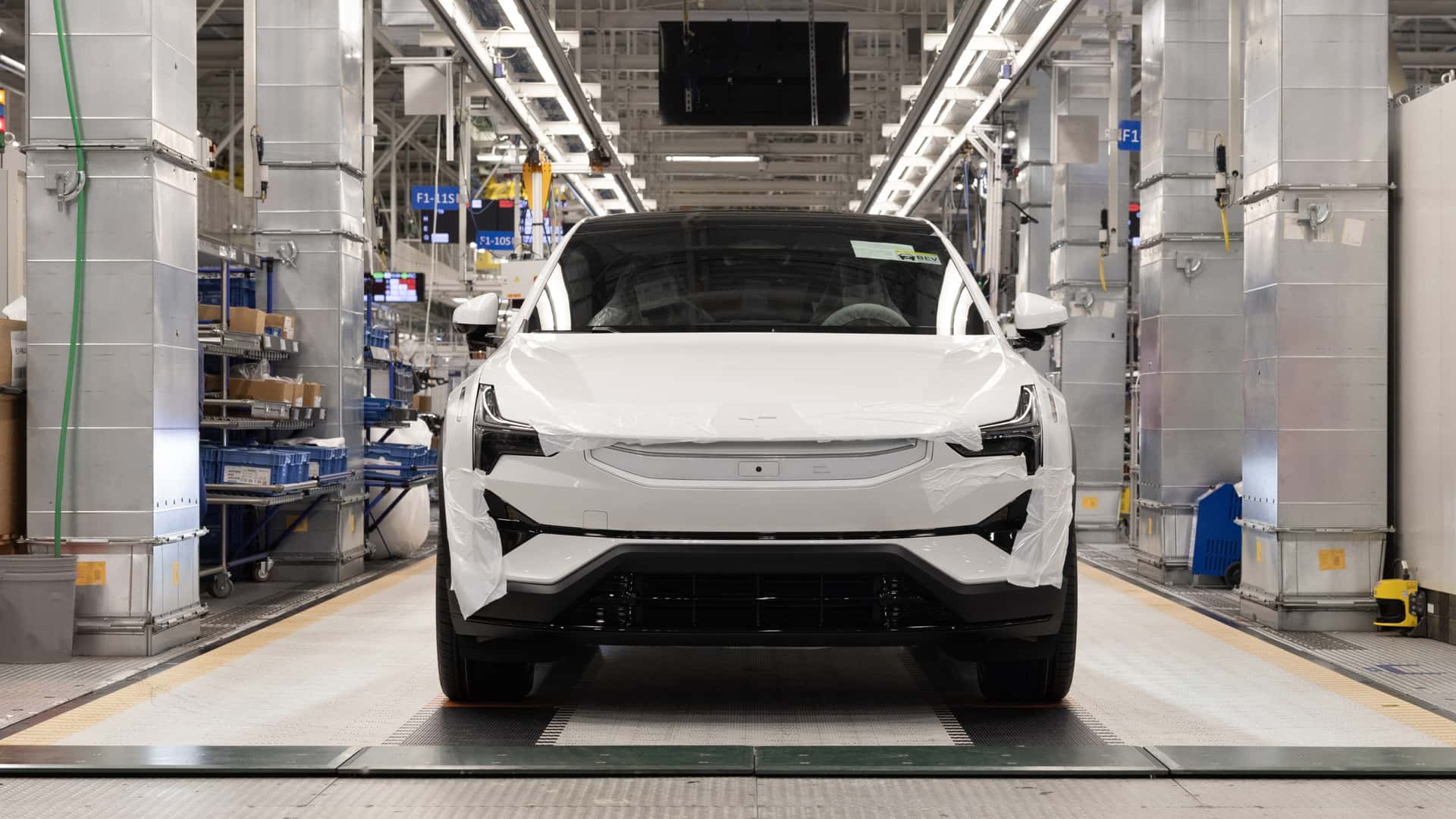
The exit of Polestar from the U.S. market creates a complex situation for domestic manufacturing. The Polestar 3, a flagship performance SUV, is currently manufactured in Ridgeville, South Carolina, at a plant shared with Volvo. The facility represented a major investment in American labor and a move to localize production to avoid tariffs. However, the federal ban applies to the technology within the vehicle rather than just its final point of assembly.
It remains unclear what will happen to the Polestar 3 production lines once the sales ban on 2027 models takes effect. While the plant could theoretically continue to produce vehicles for export to markets like Europe or Canada, the loss of the domestic U.S. market significantly undermines the economic viability of maintaining a specialized production line in South Carolina. The U.S. government’s stance indicates that even "Made in America" labels cannot bypass security concerns if the underlying software and hardware components are deemed to originate from restricted entities.
The Dealer Crisis: Financial Fallout for U.S. Partners
The decision to exit has left Polestar’s 32 U.S. dealers in a precarious position. These partners, who operate "Polestar Spaces"—minimalist, gallery-style showrooms—have invested millions of dollars into the brand’s American expansion. Many of these dealers were encouraged to expand their facilities and staff in anticipation of the launch of the Polestar 4, a high-volume SUV coupe that was expected to significantly boost the brand’s presence.
Matthew Haiken, a prominent Polestar dealer, voiced the frustrations of many in the network, stating to the Wall Street Journal that dealers "deserve some answers." The lack of an appeal has left showroom owners questioning why the brand gave up on the market so readily, especially after they committed substantial capital to support Polestar’s growth. The legal and financial ramifications of this exit for the dealer network are expected to be extensive, with potential breach-of-contract or compensation claims likely to follow as the company winds down its U.S. retail presence.
The Inventory Liquidation: Market Response and Consumer Impact
In the wake of the announcement, Polestar has moved aggressively to clear its remaining U.S. inventory. The company is offering unprecedented discounts, with price cuts of up to $25,000 on certain models, including the Polestar 3 and Polestar 4. While these deals represent a significant opportunity for bargain-hunting EV buyers, they also signal a "fire sale" mentality that could harm the brand’s long-term resale value and prestige.
Consumers who currently own Polestars or who purchase the remaining inventory face uncertainty regarding long-term support. While Polestar has committed to selling through its current stock, the eventual absence of a formal corporate presence in the U.S. raises questions about software updates, warranty fulfillment, and the availability of specialized parts. The company’s spokesperson noted that dialogue with U.S. authorities was "significant," but the ultimate conclusion was that the brand’s future in the country was no longer tenable.
Global Strategy Shift: Prioritizing Europe and Asia
From a business perspective, Polestar’s retreat from the U.S. is a calculated move to protect its global viability. In the previous fiscal year, the company sold 5,747 electric vehicles in the U.S., a figure that represented only 6% of its total global sales. In contrast, Europe remains Polestar’s stronghold, accounting for the vast majority of its revenue. By exiting the U.S., the company can reallocate R&D and marketing resources toward markets where it faces fewer regulatory hurdles and enjoys higher consumer demand.
This pivot is part of a broader trend where Chinese-owned or Chinese-linked EV brands are focusing on the European, Middle Eastern, and Southeast Asian markets, where trade barriers—though rising—are currently less prohibitive than the near-total exclusion seen in the United States. Polestar’s exit may serve as a warning to other manufacturers like Zeekr or Xiaomi, suggesting that the U.S. market may remain inaccessible to brands with significant Chinese technological DNA for the foreseeable future.
Chronology of the Polestar U.S. Exit
- Early 2024: The U.S. Department of Commerce begins formal inquiries into the security risks of connected vehicle technology from foreign adversaries.
- Mid-2024: Polestar begins production of the Polestar 3 in South Carolina, aiming to solidify its American footprint.
- Late 2024: The federal government announces a proposed ban on Chinese-developed hardware and software in connected vehicles, starting with the 2027 model year.
- Early 2025: Volvo receives a specific exemption/authorization to continue sales, while Polestar’s status remains under review.
- Recent Weeks: Polestar engages in "significant dialogue" with U.S. authorities to seek a path forward.
- Current Status: Polestar confirms it will not appeal the ban, initiates a massive inventory liquidation, and prepares to exit the U.S. market entirely.
Conclusion: The Geopolitical Redrawing of the Automotive Map
Polestar’s departure from the United States is more than just the story of a single brand’s failure; it is a landmark event in the "decoupling" of the Western and Chinese automotive sectors. For decades, the global auto industry relied on integrated supply chains and the free flow of technology. That era is rapidly coming to an end as vehicles transform into "computers on wheels," making them central to national security policy.
As Polestar shifts its focus to Europe and Asia, the U.S. EV market becomes more insulated, potentially benefiting domestic manufacturers and non-Chinese foreign brands like Hyundai, Kia, and the German legacy automakers. However, for the American consumer, the exit of a high-performance, design-focused brand like Polestar represents a reduction in choice and a slowing of the competitive pressure that drives innovation in the electric vehicle space. The "end of the road" for Polestar in America serves as a stark reminder that in the modern economy, geopolitics often sits in the driver’s seat.