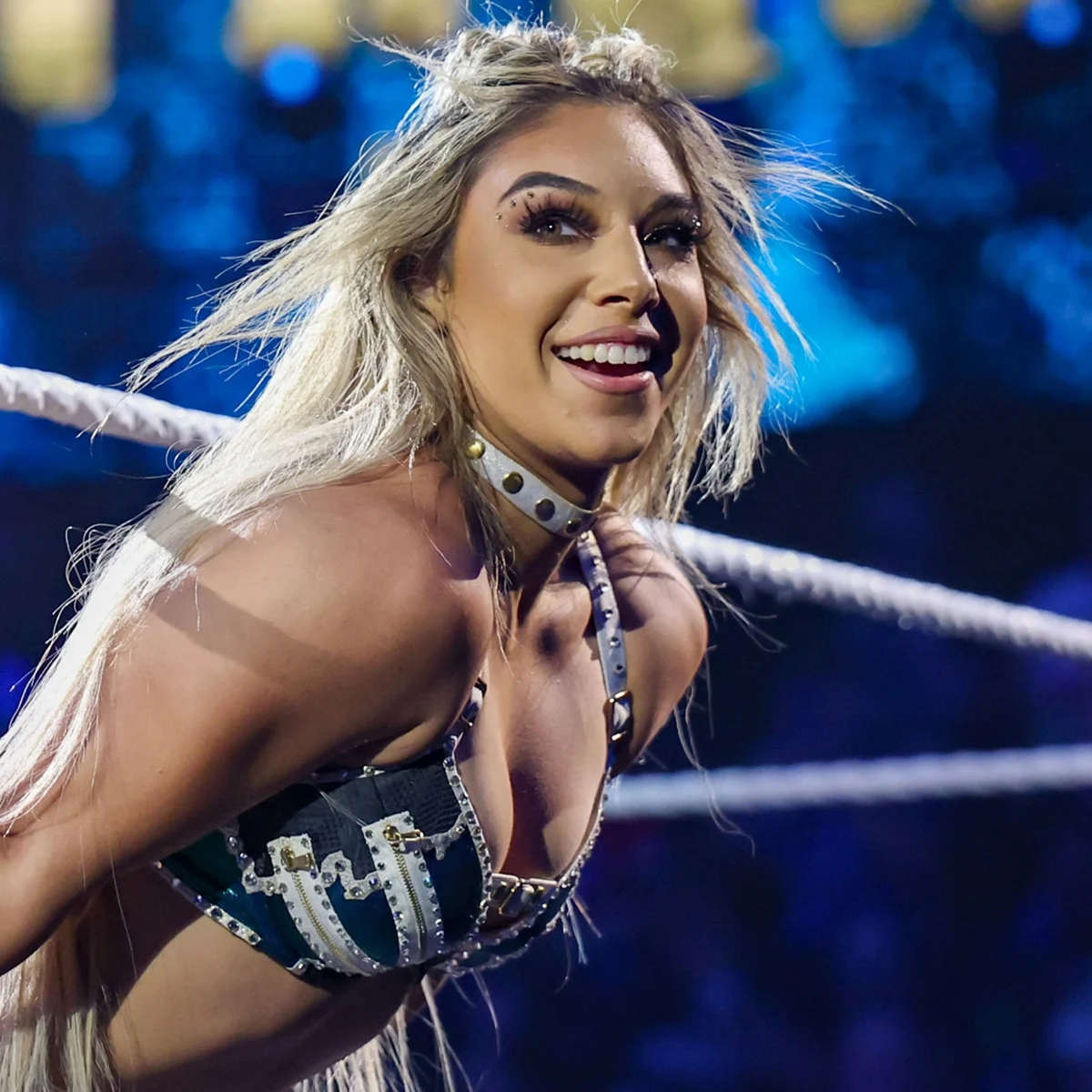
World Wrestling Entertainment (WWE) has long operated at the intersection of high-octane athletic competition and cinematic storytelling, a unique ecosystem where personal struggles are frequently woven into scripted television. While the industry has historically demanded rigorous physical perfection from its performers, recent years have seen an encouraging shift toward unprecedented vulnerability. A defining moment in this cultural evolution occurred during the November 24 broadcast of WWE NXT, when 23-year-old rising star Thea Hail stepped into the squared circle to address her private health journey publicly. In an emotional and unscripted display that resonated far beyond the realm of professional wrestling, Hail confronted the reality of her alopecia diagnosis, challenged rigid industry beauty standards, and shaved her head live on television to reclaim her narrative.
The emotional segment underscored the immense psychological pressure placed upon female athletes within sports-entertainment. Hail’s candid revelation shed light on the intersection of chronic illness, public scrutiny, and mental resilience, sparking widespread discussions across sports and entertainment platforms regarding the toll of public life on young performers.
Anatomy of a Diagnosis: The Silent Struggle
Thea Hail’s journey with alopecia began months prior to her televised address, though the physical and emotional manifestations had been quietly altering her daily life. In late August, Hail formally disclosed her condition to the public via an Instagram post captioned with the stark admission that she had "manifested going bald" after being diagnosed with alopecia areata.
Alopecia areata is a prevalent autoimmune disease characterized by the immune system mistakenly attacking hair follicles, which leads to unpredictable hair loss on the scalp and other parts of the body. For a professional athlete whose physical appearance, presentation, and branding are intrinsically tied to her television persona, the diagnosis carried devastating professional and psychological implications. During her November 24 NXT broadcast, Hail confessed that she had lost approximately 40 percent of her hair within a span of less than four months.
Reflecting on the initial impact of the diagnosis, the young athlete admitted that she struggled to maintain optimism during the onset of the condition. While public narratives often emphasize immediate strength and positivity following a major health crisis, Hail offered a refreshing dose of realism, noting that she was consumed by fear and anxiety about her professional future. The profound uncertainty of whether her hair would ever regenerate forced her to confront difficult questions regarding identity, self-worth, and public perception.
Navigating Vulnerability Within Scripted Feuds
In the structured environment of professional wrestling, personal vulnerabilities are occasionally incorporated into ongoing storylines to heighten dramatic tension. Hail’s ongoing on-screen rivalry with fellow WWE costar Chantel Monroe frequently integrated the physical manifestations of Hail’s alopecia into their scripted confrontations. While such creative choices are designed to generate dramatic engagement, Hail admitted that the execution significantly exacerbated her private anxieties.
The wrestler shared that Monroe’s utilization of her visible hair loss during their program forced her to confront her deepest fears far earlier than she felt emotionally prepared to handle. Having a deeply personal, sensitive medical condition thrust into the spotlight by a rival performer left Hail feeling exposed and vulnerable. The experience highlighted the complex ethical boundaries of utilizing real-life medical conditions as fodder for entertainment, prompting industry observers to evaluate how talent management balances creative storylines with the emotional well-being of performers.
Beyond her immediate feud, Hail used the platform to critique broader systemic issues regarding female aesthetics within the professional wrestling industry. She pointedly addressed the exhausting beauty standards enforced by external expectations, noting the intense scrutiny female performers face regarding their physical presentation—ranging from muscular composition to body weight.
Detailing the unseen labor required to meet these standards, Hail asked the audience to consider the hours performers spend in hair and makeup styling chairs prior to walking through the curtain. She highlighted the perpetual fear of fan backlash regarding minor stylistic inconsistencies, such as misaligned hair extensions, uneven tanning applications, or scrutinized ring gear. By exposing these behind-the-scenes pressures, Hail positioned her personal battle not merely as an isolated medical issue, but as a systemic commentary on the unrealistic perfection demanded of women in sports and entertainment.
The Turning Point: Live Head-Shaving and Crowd Support
Despite the vulnerability and initial fear surrounding her condition, Hail sought to transform a moment of perceived weakness into an enduring display of personal agency. Rather than allowing her diagnosis to dictate her career trajectory or diminish her confidence, the Pittsburgh native chose to confront her condition directly in front of a live audience.
In the climax of her November NXT address, Hail picked up an electric razor and shaved off the remainder of her hair in the center of the ring. The powerful, symbolic act was met with an overwhelming wave of support from the live audience, who chanted her name in solidarity. By taking control of the physical transition on her own terms, Hail successfully neutralized the sting of public scrutiny and turned her vulnerability into a defining symbol of resilience.
Medical and psychological experts frequently emphasize the profound psychological benefits of reclaiming autonomy during chronic illness diagnoses. For individuals experiencing alopecia, the loss of control over one’s physical appearance can lead to heightened rates of depression and social anxiety. Hail’s decisive action served as a vital therapeutic release, enabling her to shed the anxieties of hiding her condition and step forward authentically.
Broader Implications: Health Transparency in Entertainment
The willingness of sports and entertainment figures to openly discuss medical diagnoses has gradually transformed public discourse surrounding chronic illnesses, injuries, and mental health. Hail’s openness aligns with a growing movement among public figures who utilize their platforms to destigmatize invisible illnesses and bodily changes.
The entertainment industry has witnessed numerous high-profile figures confront unexpected health crises in recent years, ranging from autoimmune conditions and neurological events to traumatic injuries and surgical interventions. Whether athletes navigating sudden career interruptions or musicians addressing preventative health warnings, the public narrative is increasingly defined by transparency rather than silence.
For instance, fellow public figures have recently spoken out about critical health scares, including severe autoimmune flare-ups, neurological episodes, and physical rehabilitation journeys. These open dialogues collectively dismantle the illusion of infallible perfection that often surrounds celebrity culture, fostering deeper empathy and understanding among audiences. Hail’s contribution to this cultural shift within the sports-entertainment landscape marks a significant milestone for inclusivity and mental health awareness.
Industry Analysis and Future Outlook
The long-term implications of Thea Hail’s public address extend far beyond a single television segment. Within the structured corporate environment of modern professional wrestling, talent autonomy and personal narrative integration represent vital components of audience connection. By breaking the fourth wall to discuss a genuine medical condition, Hail transcended traditional heel-and-face dynamics, establishing a profound, authentic bond with the WWE fan base.
Furthermore, the mainstream coverage of Hail’s segment elevates the broader conversation surrounding alopecia awareness. Organizations dedicated to autoimmune research and support frequently highlight the importance of media representation in educating the public and reducing social stigma. When high-profile athletes embrace their diagnoses openly, it provides invaluable validation to millions of individuals worldwide who navigate similar medical conditions in silence.
As Hail continues her career within WWE NXT, her in-ring persona is now fundamentally enriched by her lived experience. No longer defined solely by her athletic capabilities or standard character tropes, she stands as a symbol of courage and authenticity. By transforming a personal health challenge into an empowering display of resilience, Thea Hail has redefined her narrative, proving that true strength in the professional wrestling industry—and in life—lies not in maintaining an illusion of perfection, but in the courage to stand unmasked.