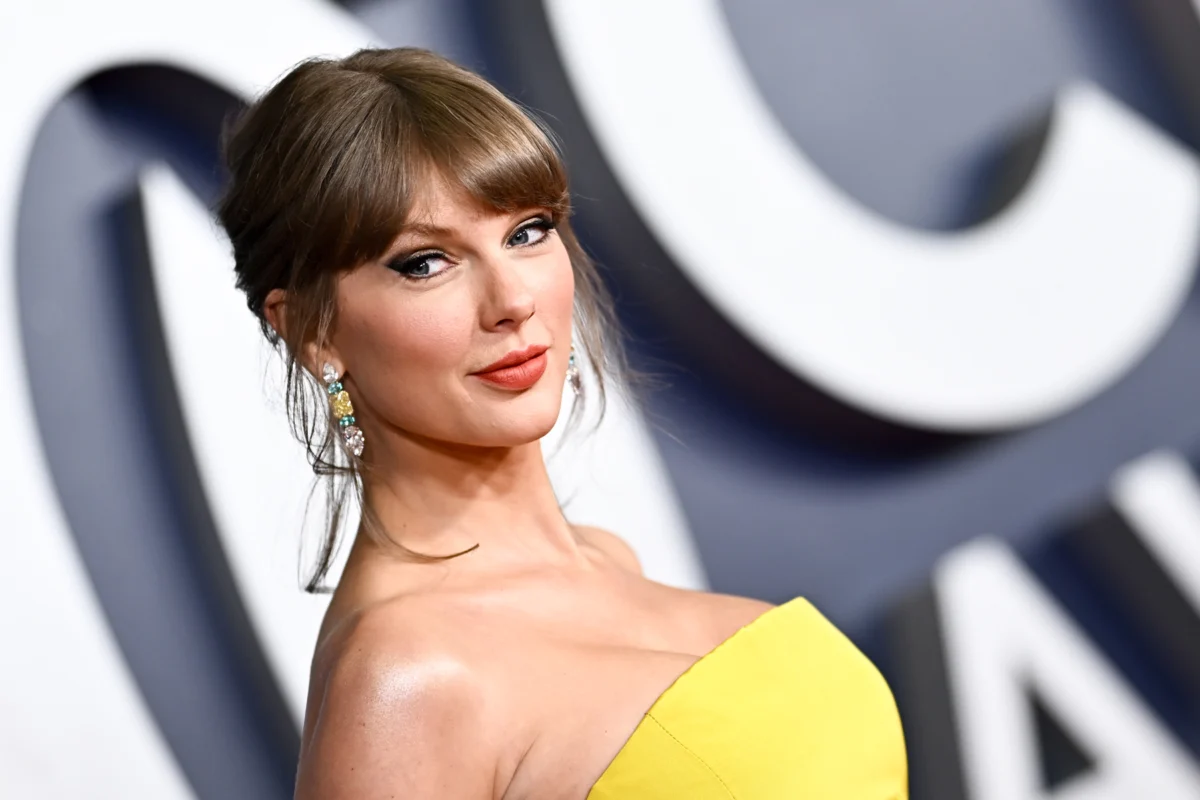
The landscape of modern celebrity journalism often relies on the synthesis of exhaustive profiles and intimate, humanizing anecdotes. This week, a sprawling investigative commentary published by Vanity Fair regarding the life and trajectory of global pop icon Taylor Swift has inadvertently triggered an internet phenomenon centered on an unlikely subject: a middle school wardrobe staple. While the article—which famously opted to refer to the artist simply as "The Star"—aimed to deconstruct the mechanisms of fame through the perspectives of 100 individuals from the artist’s past, the digital discourse has bypassed the profound sociological implications of the piece in favor of a singular, meme-worthy revelation: the singer’s childhood penchant for Ugg boots.
The Genesis of "Uggsgate"
The controversy—or, more accurately, the viral obsession—stems from a recollection provided by Arielle Peppers, a former classmate of Swift from her time in West Reading, Pennsylvania. In the context of the profile, Peppers noted that the young Swift was frequently seen sporting the popular sheepskin-lined footwear, specifically recalling a collection that included brown, black, and blue iterations.
While the detail was intended to serve as a marker of the socio-economic environment of the region and the specific aesthetic trends prevalent among middle schoolers in that era, it was rapidly decoupled from its original context by social media users. The speed at which this anecdote traveled across platforms like X (formerly Twitter) highlights the current appetite for "lore" within the massive Swiftie fan base, where even the most mundane details of the artist’s adolescence are subject to intense scrutiny, remixing, and community-building engagement.
Contextualizing the Footwear Phenomenon
To understand why this specific detail resonated so deeply, one must look at the cultural timeline of the mid-2000s. Ugg boots, originally manufactured by the Australian company Deckers Outdoor Corporation, became an ubiquitous symbol of suburban American youth culture during the early 2000s. Their rise to prominence was fueled by celebrity endorsements and their status as a "must-have" item in middle and high schools across the country.
The brand has historically occupied a unique space in the fashion industry. After becoming a quintessential part of the "Y2K" aesthetic, the brand successfully navigated a period of declining relevance to re-emerge as a luxury-adjacent staple in the 2020s. For a generation of fans, the mention of these boots in relation to a formative period in Swift’s life serves as a bridge between the artist’s hyper-successful current reality and the relatable, often awkward, realities of the American public school experience.
Clarification and Public Reaction
In the wake of the online frenzy, Arielle Peppers felt compelled to address the fervor surrounding her comments. In a statement provided to TMZ, she clarified that her intent was purely observational. "I shared a straightforward childhood memory with a reporter about school and what was affordable for different families at the time," Peppers stated. "It wasn’t intended as an attack on anyone."
This clarification underscores a growing friction in celebrity journalism: the tension between a reporter’s desire for granular, "truth-seeking" details and the public’s tendency to weaponize those details for entertainment. Despite the innocence of the original remark, the internet’s response evolved into a creative exercise, with fans reframing the boots as a central pillar of the singer’s mythology.
The Anatomy of a Viral Trend
The discourse surrounding the boots has manifested in a series of creative adaptations. Swift’s extensive discography, known for its narrative precision and emotional vulnerability, has become the canvas for these memes. Fans have begun inserting references to the footwear into established lyrics, effectively creating a sub-genre of fan-made content.
Examples include:
- "You Belong With Me": "She wears high heels, I wear Ugg boots. She’s cheer captain, and I’m wearing my second pair of Ugg boots."
- "I Bet You Think About Me": "With your organic shoes and your million-dollar Uggs."
- "Chloe or Sam or Sophia or Marcus": "Your hologram stumbled into my apartment hands in the hair of somebody in darkness wearing brown Uggs or black Uggs or blue Uggs or grey Uggs and I just watched it happen."
This behavior represents a form of "participatory culture," where the audience does not merely consume content but actively reshapes it to create a collective narrative. For many, this trend provided a rare moment of levity and unity within a fan base that often engages with more serious, data-heavy discussions regarding the artist’s business ventures or legal battles.
Broader Implications for Celebrity Journalism
The Vanity Fair profile, while polarizing for its decision to omit the artist’s name and its heavy reliance on anonymous or semi-anonymous testimonials, serves as a case study for the current state of long-form media. The piece attempted to capture the "mastermind" behind the brand, yet the public reception suggests that the audience is less interested in the high-level business analysis and more interested in the "humanizing" trivia that bridges the gap between the superstar and the civilian.
The fact that the "Uggs" detail became the headline of the discourse suggests a saturation point in high-concept celebrity journalism. When a 100-person interview project is distilled down to a single footwear choice, it raises questions about how media outlets should present investigative work in an era defined by short-form social media engagement.
Economic and PR Impact
Beyond the cultural memes, the incident has prompted speculation regarding the potential marketing benefits for the footwear brand itself. Several social media commentators have noted the massive "earned media" value generated by the viral discussion. In the age of digital marketing, organic mentions in viral trends are often valued more highly than traditional paid endorsements.
"This is the most free PR Uggs has gotten since Laguna Beach," wrote one observer on X. While it is unlikely that the brand orchestrated the inclusion of the anecdote in the Vanity Fair article, the subsequent surge in social media activity has undoubtedly placed the brand back in the cultural conversation, demonstrating the massive influence the singer’s fan base wields over consumer trends.
Conclusion: A Legacy of Lore
As the internet moves on to the next topic of discussion, the "Uggsgate" episode serves as a reminder of the unique relationship between modern pop stars and their audience. The discourse did not diminish the artist’s standing; rather, it functioned as a form of community bonding. By engaging with the minutiae of the artist’s past, fans are reinforcing their own investment in the narrative of the person behind the icon.
Ultimately, the event illustrates a fundamental truth of modern celebrity: the public does not just want to hear the music; they want to know the fabric of the life that produced it—even if that fabric is, in this case, the sheepskin lining of a middle school boot. The Vanity Fair piece may have intended to offer a profound reflection on the nature of fame, but it inadvertently succeeded in something much more common in the digital age: it gave the internet a new, harmless, and highly creative way to play. The enduring legacy of this incident will likely be found in the continued evolution of fan-made lore, as the "Uggs" anecdote joins the long list of specific, seemingly trivial markers that define the vast and complex world of modern pop music fandom.