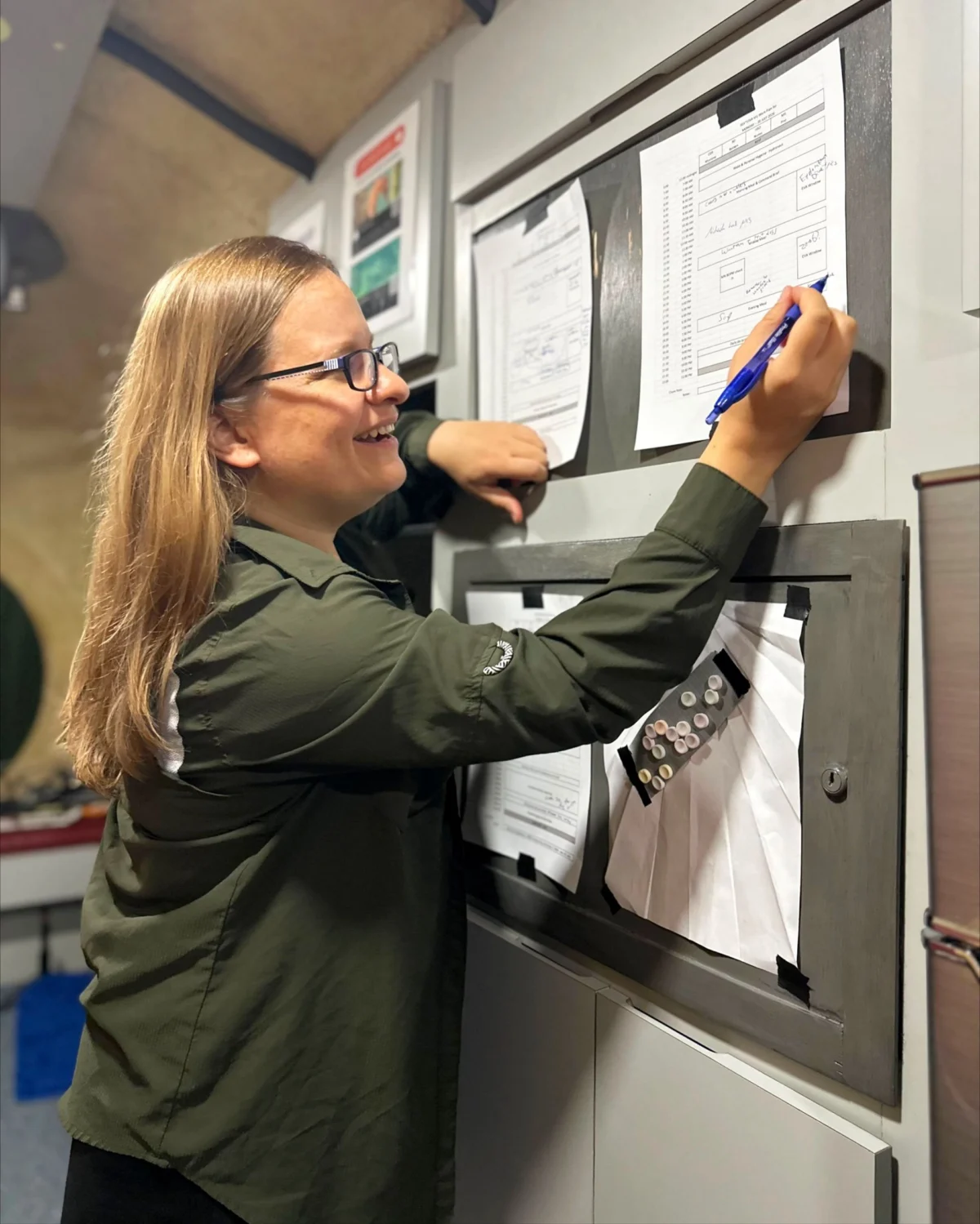
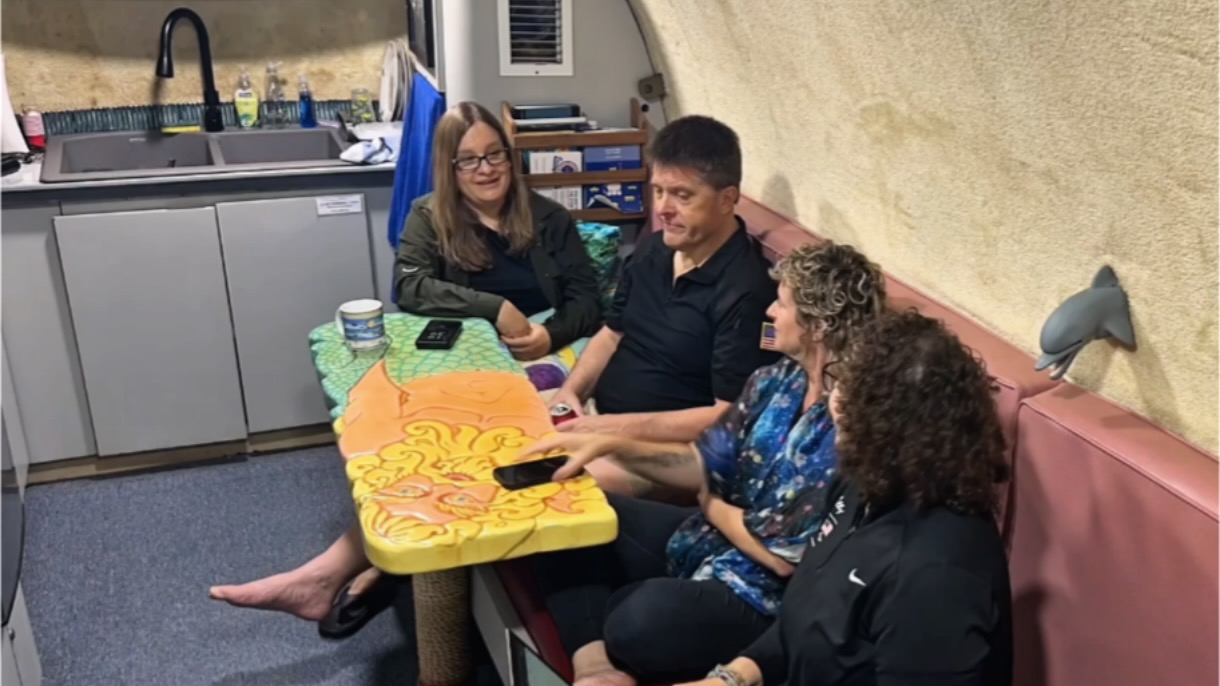
For five days, a team of four analog astronauts lived and worked 22 feet beneath the surface of the Atlantic Ocean in Jules’ Undersea Lab near Key Largo, Florida, serving as the crew for the SEA STAR underwater space mission. Led by veteran astrobiologist and analog mission commander Dr. Michaela Musilova, the mission tested human endurance, technological resilience, and psychological adaptation under extreme environmental pressures. Operating in what researchers call a "wet ISS," the crew experienced conditions closely mirroring those faced by astronauts aboard the International Space Station (ISS), while managing the unique physiological and logistical hurdles of saturation diving.
Mission Overview and Chronology
The SEA STAR mission represents the latest in a long lineage of simulated space expeditions designed to bridge the gap between terrestrial testing and long-duration spaceflight. Dr. Musilova, an award-winning astrobiologist who has previously commanded 40 simulated missions to the Moon and Mars for organizations including NASA and ESA, curated a specialized team for the Florida-based endeavor.
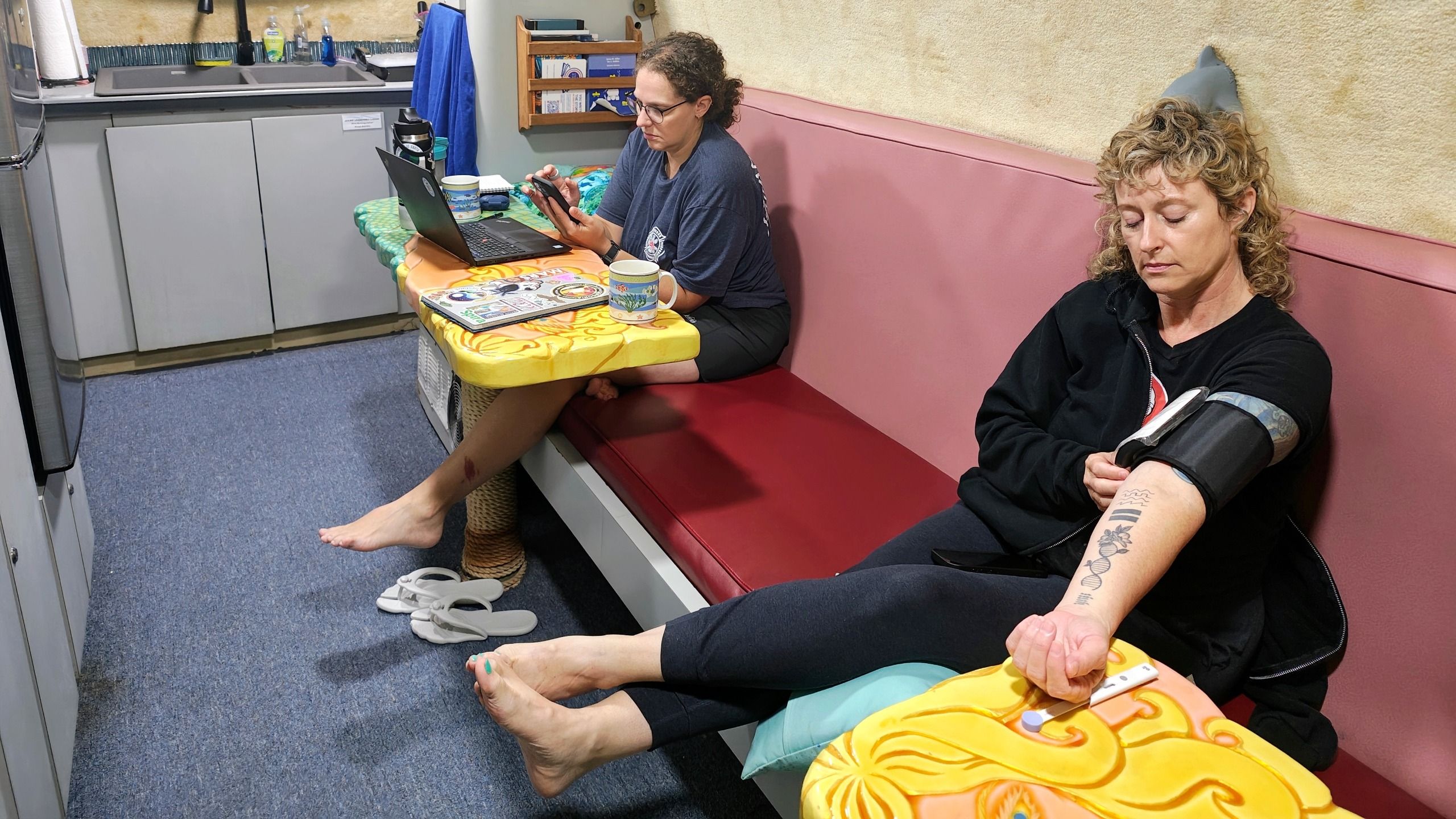
The chronology of the mission began well before the crew submerged. Months of preparation involved coordinating specialized research protocols, environmental sensors, and logistical frameworks. Upon arrival at Jules’ Undersea Lab, the crew underwent immediate saturation—a physiological state where the human body absorbs the maximum possible amount of inert gases, such as nitrogen, for a specific depth and pressure.
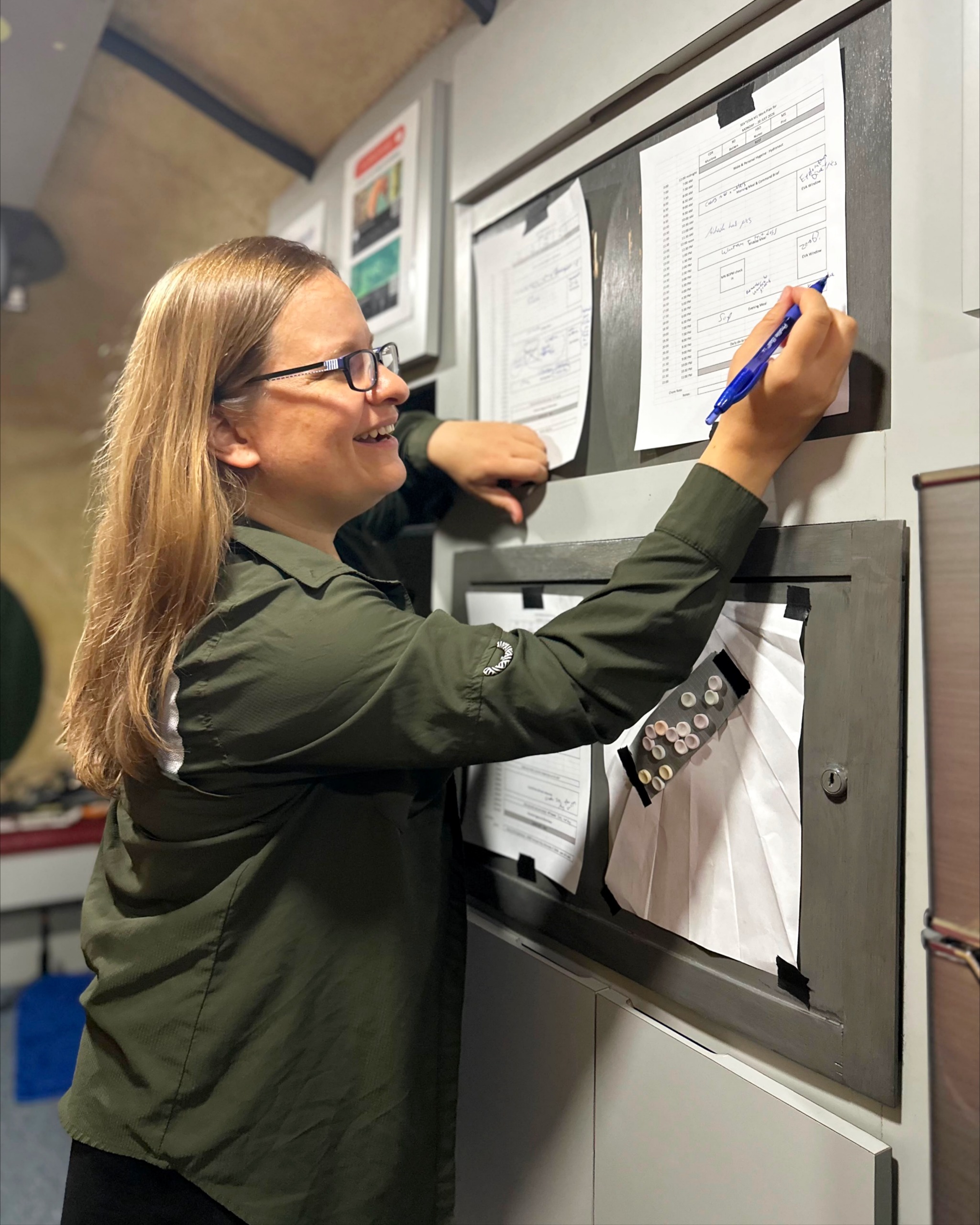
Throughout the five-day deployment, the crew adhered to a strict schedule of scientific experiments, equipment testing, environmental maintenance, and educational outreach. The mission culminated in a carefully managed decompression period and surface breach, allowing the researchers to transition safely back to atmospheric pressure.
Scientific Objectives and Research Focus
Because opportunities to conduct primary research aboard the International Space Station are severely limited by high launch costs and tight scheduling, terrestrial and underwater analog environments provide critical testing grounds for space exploration technology. The SEA STAR mission integrated several distinct scientific studies relevant to deep-space missions.
Cognitive Performance Under Pressure
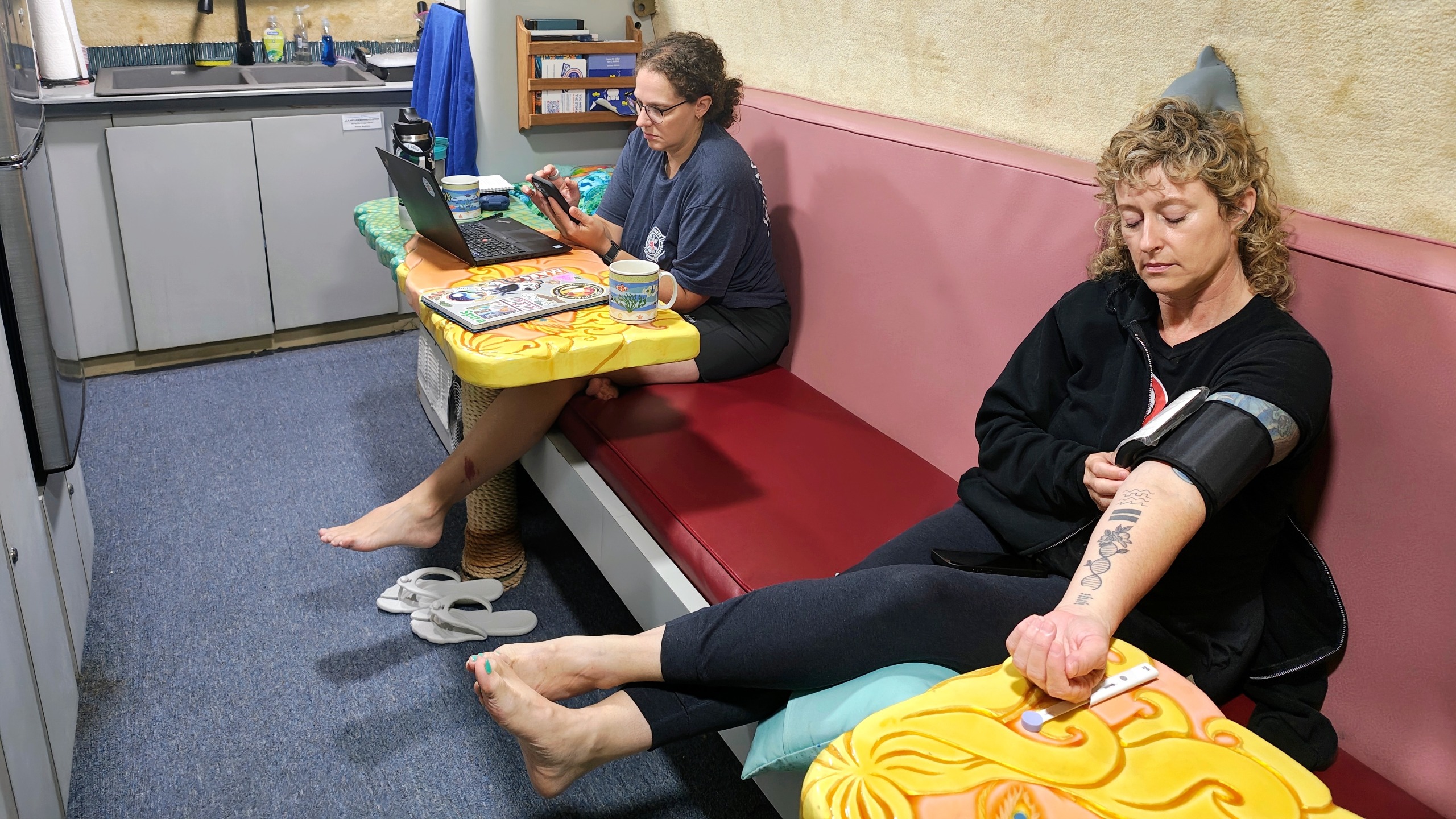
Dr. Musilova’s primary research project investigated the impact of hyperbaric pressure on human cognitive abilities and reaction times. Conducted in collaboration with the Center for Hyperbaric Medicine at the Faculty of Medicine of the University of Ostrava and City Hospital Ostrava in the Czech Republic, the study required crewmembers to perform regular cognitive assessments. Initial anecdotal findings indicated a noticeable deceleration in response times among the crew, offering valuable data for future aerospace medical guidelines.
Botany and Barotrauma in Microgreens
Health and Safety Officer Dr. Brandy Nunez spearheaded agricultural experiments focusing on microgreens. Kale and mixed salad seeds were cultivated under varied pressure settings—some germinated prior to the mission, while others began their growth cycle underwater. The seeds were subjected to distinct descent profiles featuring gradual and sudden pressure releases. Subsequent harvests revealed clear indicators of barotrauma, or cellular damage caused by rapid pressure shifts, highlighting the vulnerabilities of biological cargo during transport in fluctuating pressure environments.
Logistics and Environmental Taxonomy
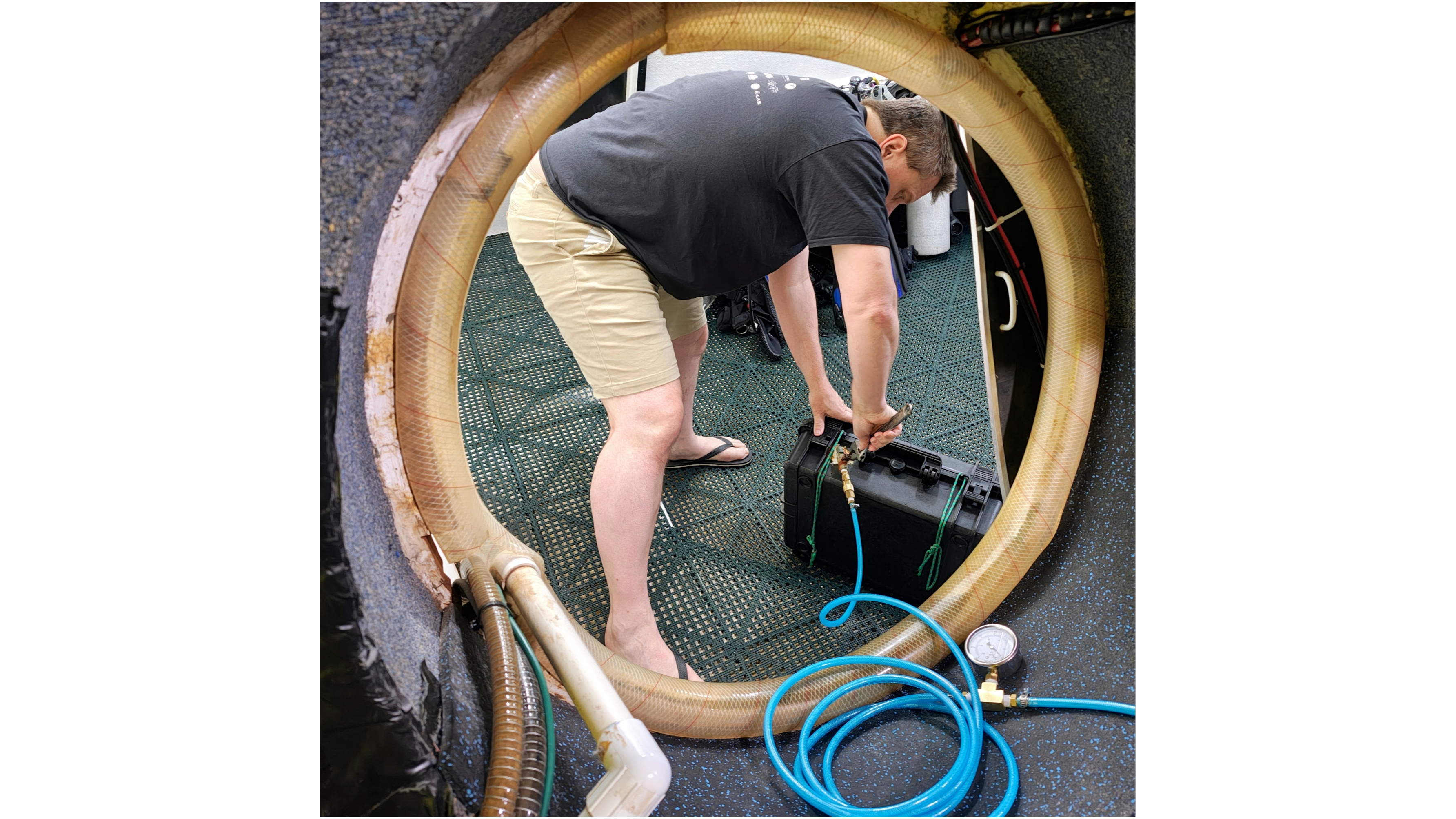
Executive Officer Paul Bakken focused on logistical transfer containers, analyzing how internal pressures fluctuate when exposed to significant environmental shifts. Meanwhile, Mission Specialist Jenn Pint collaborated with Interstellar Performance Labs to develop a comprehensive taxonomy for analyzing environmental and crew interaction factors during isolated missions. Additionally, the team tested environmental sensors designed by high school and university students in Slovakia, gathering supplemental data on the habitat’s internal climate.
Operational Challenges and Environmental Stewardship
Living in an underwater habitat presents operational hurdles comparable to those found in space. The SEA STAR crew contended with persistent environmental stressors, including the constant, loud mechanical hum of life support systems, aging plumbing infrastructure, and the inherent health risks associated with living under hyperbaric pressure.
Furthermore, conducting maintenance and scientific protocols outside the habitat required scuba-based "spacewalks" in low-visibility marine environments. Beyond internal research, the crew engaged in local marine conservation. Using specialized underwater vacuum devices, the aquanauts actively cleared debris and protected the immediate ecosystem surrounding Jules’ Undersea Lab, merging space analog research with ecological preservation.
Educational Outreach and Global Engagement
In alignment with protocols established for actual space missions, the SEA STAR crew prioritized public outreach and education. During the deployment, the team hosted a live virtual tour for Cosmic Region, a simulated space station facility located in Slovakia. To demonstrate the realities of working in analog environments, crewmembers executed a live underwater spacewalk, broadcasting their routine directly to students and space enthusiasts.
Psychological Implications and the "Underview Effect"
Psychological adaptation remains a primary area of study for long-duration isolation missions. Astronauts frequently report the "overview effect"—a profound cognitive shift in awareness sparked by viewing Earth from orbit. Dr. Musilova noted a parallel psychological phenomenon during the SEA STAR mission, which she termed the "underview effect."
Gazing upward through the water column at filtered sunlight that remained perpetually out of reach, the crew experienced a heightened sense of separation from terrestrial life. This environment fostered a dual sense of isolation and intense appreciation, reinforcing the crew’s commitment to terrestrial environmental stewardship upon their return to the surface.
Broader Impact and Future Implications
The conclusion of the SEA STAR mission underscores the growing importance of underwater habitats as cost-effective, high-fidelity analogs for space exploration. By subjecting researchers to the physiological constraints of saturation and hyperbaric pressure, institutions can gather vital baseline data concerning human psychology, agricultural viability, and mechanical engineering under stress.
As space agencies look toward extended lunar habitation and crewed missions to Mars, insights gleaned from projects like SEA STAR will continue to inform astronaut training protocols, life support system engineering, and mission architecture for decades to come.