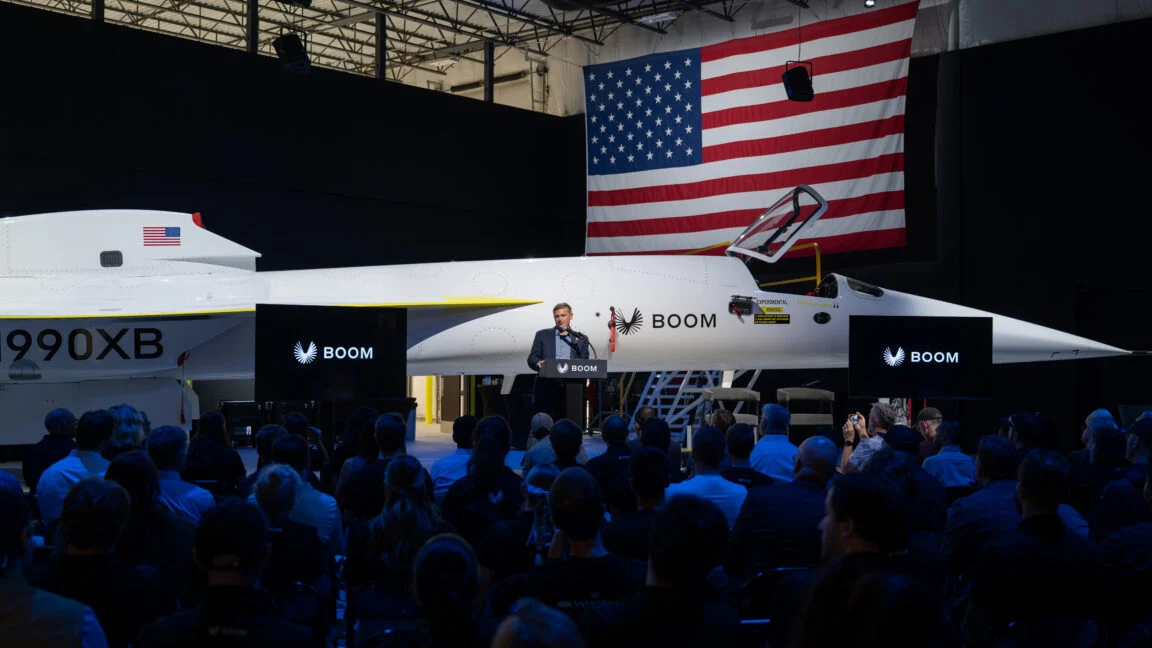
The ambitious vision of a supersonic aviation renaissance, championed by Boom Supersonic, is currently facing significant headwinds that threaten both its flagship Overture airliner project and its strategic pivot into energy infrastructure. Recent statements from key industry partners and the loss of a major contract have cast doubt on the company’s ability to meet its aggressive delivery timelines, sparking a broader conversation about the viability of high-speed commercial flight and the challenges of diversifying into the energy sector amidst the surging demands of the artificial intelligence boom.
A Shifting Timeline for Supersonic Travel
At the heart of the uncertainty is the Overture airliner, a project that has long promised to bring supersonic speeds back to commercial travel. Boom Supersonic has officially maintained a 2029 target for the delivery of its first aircraft. However, that timeline has been publicly questioned by one of the program’s most prominent proponents, United Airlines CEO Scott Kirby.
During an interview on the October 28, 2026, episode of the podcast Office Hours: Business Edition, Kirby offered a candid assessment of the project’s progress. While acknowledging his respect for Boom CEO Blake Scholl and the technical team behind the Overture, Kirby stated plainly that the 2029 target is no longer realistic. "It’s not going to happen in ’29—it’s going to take longer," Kirby remarked.
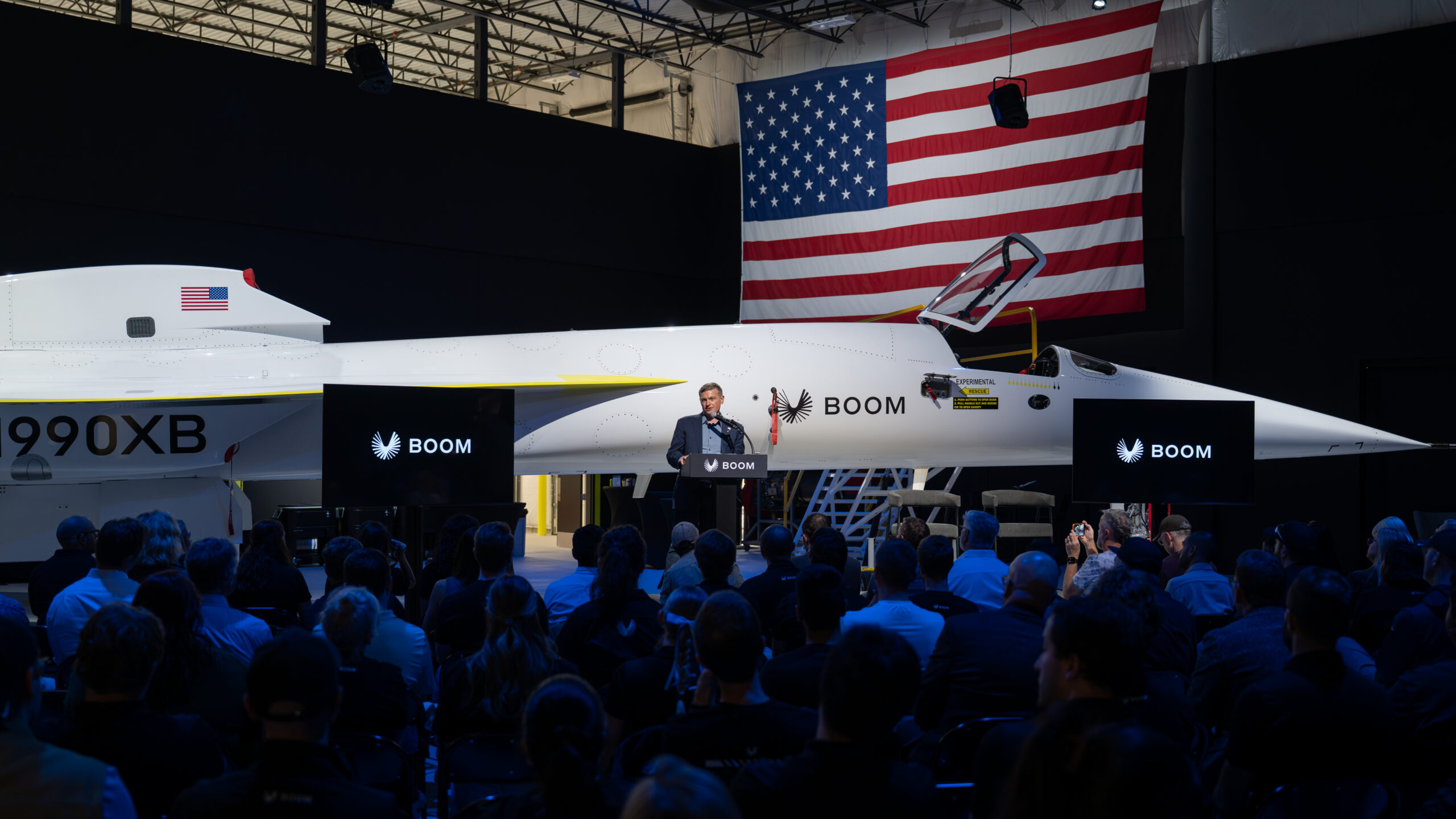
This assessment is not the first time the United executive has signaled caution. In March 2026, Kirby famously estimated the odds of the Overture entering commercial service as a "50-50" proposition. The skepticism from a potential major customer underscores the immense regulatory and engineering hurdles remaining, including the complex process of FAA certification for a commercial supersonic craft.
The Regulatory Landscape and Technological Aspirations
Boom’s efforts to revive supersonic travel have coincided with a favorable regulatory climate. In June 2026, the Federal Aviation Administration (FAA) proposed new rules that would permit commercial supersonic flight over the United States, contingent on the aircraft meeting specific noise mitigation standards. This move followed a June 2025 executive order by President Donald Trump, which prioritized American leadership in supersonic aerospace development.
Central to Boom’s technical strategy is the concept of "boomless cruise," or utilizing the "Mach cutoff" phenomenon. By flying at specific altitudes and speeds where shockwaves refract upward, the company aims to minimize sonic boom impact on the ground. This approach differs significantly from NASA’s ongoing X-59 research, which employs a distinct, needle-like nose geometry to soften the sonic boom signature. While both represent significant strides in aerospace engineering, they highlight the distinct paths currently being navigated in the effort to make supersonic flight environmentally and legally acceptable for overland transit.
Dormant Infrastructure and Taxpayer Scrutiny
Compounding the delays in the aircraft program is the current state of the company’s manufacturing infrastructure. In 2024, Boom completed its "Overture Superfactory" at the Piedmont Triad International Airport in Greensboro, North Carolina. The facility, which received over $50 million in taxpayer-funded state incentives, was designed to be the hub of Overture production. However, reports indicate that the facility has remained largely dormant, sparking concern among North Carolina state legislators and stakeholders regarding the return on investment for public funds. The lack of activity at the site has become a focal point for critics who argue that the company’s timelines were overly optimistic from the outset.
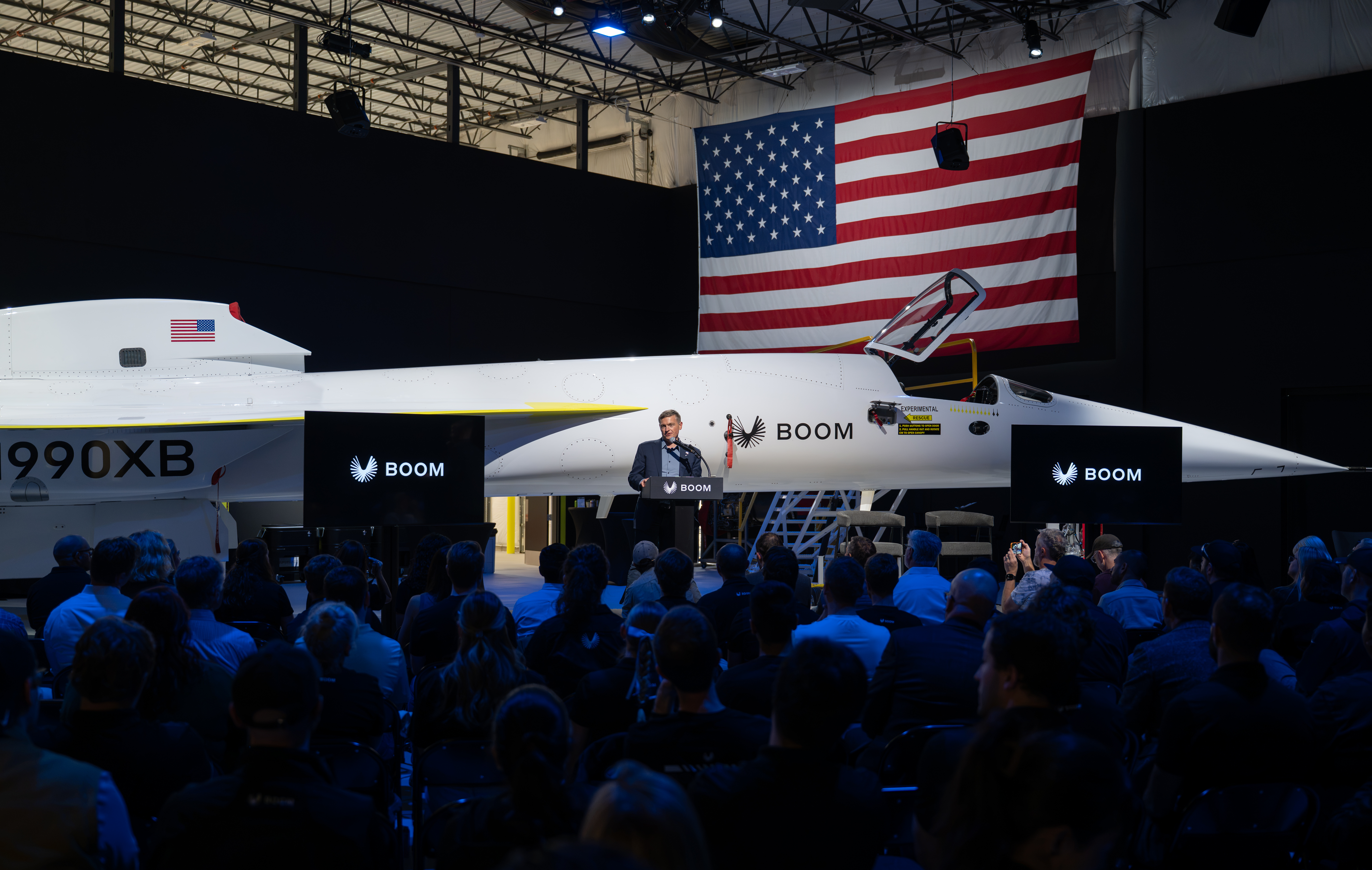
Diversification into the Energy Sector
Recognizing the capital-intensive nature of aircraft development, Boom has sought to diversify its revenue streams by entering the energy market. On October 22, 2026, the company unveiled a new facility in Centennial, Colorado, dedicated to the production of a 42-megawatt natural gas turbine, branded as "Superpower." The goal is to provide power solutions for the rapidly expanding AI data center market, which has faced severe grid constraints.
This pivot into energy is supported by the development of the "Sprint Core," a prototype turbine engine that Boom intends to adapt for both its industrial gas turbines and the Symphony engine slated for the Overture airliner. By leveraging the same core architecture, the company hopes to achieve economies of scale and technical synergy.
However, this venture has already experienced a notable setback. On September 25, 2026, it was revealed that Crusoe, a major developer of data center infrastructure, had cancelled a $1.25 billion deal that would have seen them purchase 29 of Boom’s turbines. This loss is a significant blow to the company’s immediate commercial momentum in the energy sector, especially as tech giants like Google, Microsoft, and Oracle—all of whom have utilized Crusoe’s services—scramble to secure reliable power sources for their AI compute clusters.
The Road Ahead: Challenges and Milestones
Despite the loss of the Crusoe contract, Boom remains committed to its energy goals. CEO Blake Scholl has stated that the company expects to deliver approximately 250 megawatts of power via its Superpower units to other, unspecified sites in 2027. The company’s roadmap targets an annual production of 25 turbines by 2028, scaling to 50 units by 2029.
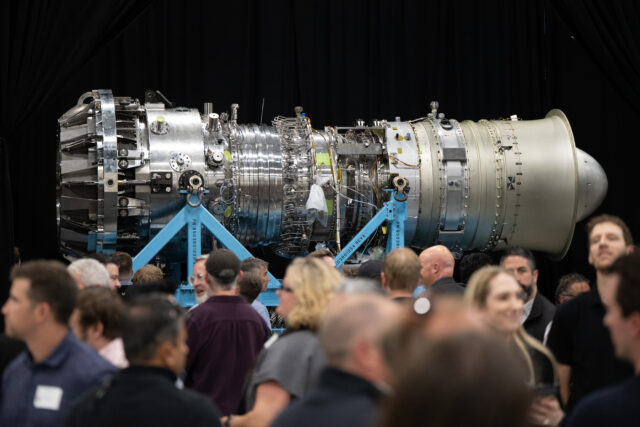
The next major milestone for the company involves the testing of the Sprint Core at the Colorado Air & Space Port. Firing the turbine for the first time—scheduled to occur before the end of November 2026—will be a critical test of whether the company’s dual-track strategy can produce a viable piece of hardware. If the testing is successful, it could provide the validation necessary to restore investor confidence and prove that the core engine technology is as versatile as the company claims.
Implications for the Future of Aerospace
The current situation surrounding Boom Supersonic serves as a case study in the risks of "moonshot" engineering. The transition from a small-scale demonstrator like the XB-1, which successfully flew in 2024 and 2025, to a full-scale commercial airliner is one of the most difficult challenges in modern industry. The added layer of entering the energy market creates a high-stakes environment where delays in one area directly impact the credibility of the other.
Industry analysts suggest that the next twelve months will be definitive for the company. Should the Sprint Core testing prove successful and should the company secure new, concrete contracts for its data center turbines, the current skepticism from industry leaders like Scott Kirby may subside. Conversely, further delays in the Overture program or a failure to find new energy customers could force a difficult reckoning for the company’s board and its investors.
As the company continues to navigate these challenges, it remains a focal point for the intersection of government policy, private innovation, and the massive energy needs of the digital age. Whether or not Boom can reconcile its ambitious promises with the practical realities of industrial manufacturing will determine if the dream of a new supersonic era—and its potential for high-efficiency energy production—becomes a reality or remains a cautionary tale of overextended ambition.

For now, the aviation industry remains a cautious observer, waiting to see if the turbulence currently affecting Boom is merely a momentary dip in a long flight, or a sign that the altitude was set too high to maintain.