The automotive landscape is undergoing a radical metamorphosis as electrification and software-defined architectures reshape the traditional parameters of vehicle manufacturing. At the center of this transformation is Renault, which has officially charted a new aesthetic course under the guidance of Alexandre Malval, the brand’s newly appointed head of design. As the manufacturer looks toward the latter half of the decade, the focus has shifted from mere functional utility to a philosophy defined by "audacity," distinct character, and a renewed commitment to balanced, sophisticated proportions. This strategic pivot, showcased through recent concept reveals and the evolving production lines of the Rafale and Scenic, signals an attempt to restore the French marque to its historical status as a trendsetter in automotive design.
A New Vision for Renault Design
Alexandre Malval, who steps into the role with a pedigree of influential design contributions, has made it clear that Renault intends to move away from the homogenized aesthetic that has characterized much of the mid-2020s mass-market segment. His vision centers on the concept of "sculptural emotionalism," where the exterior lines of a vehicle are not merely dictated by aerodynamics, but by a deliberate attempt to inject personality into every segment, from family crossovers to flagship SUVs.
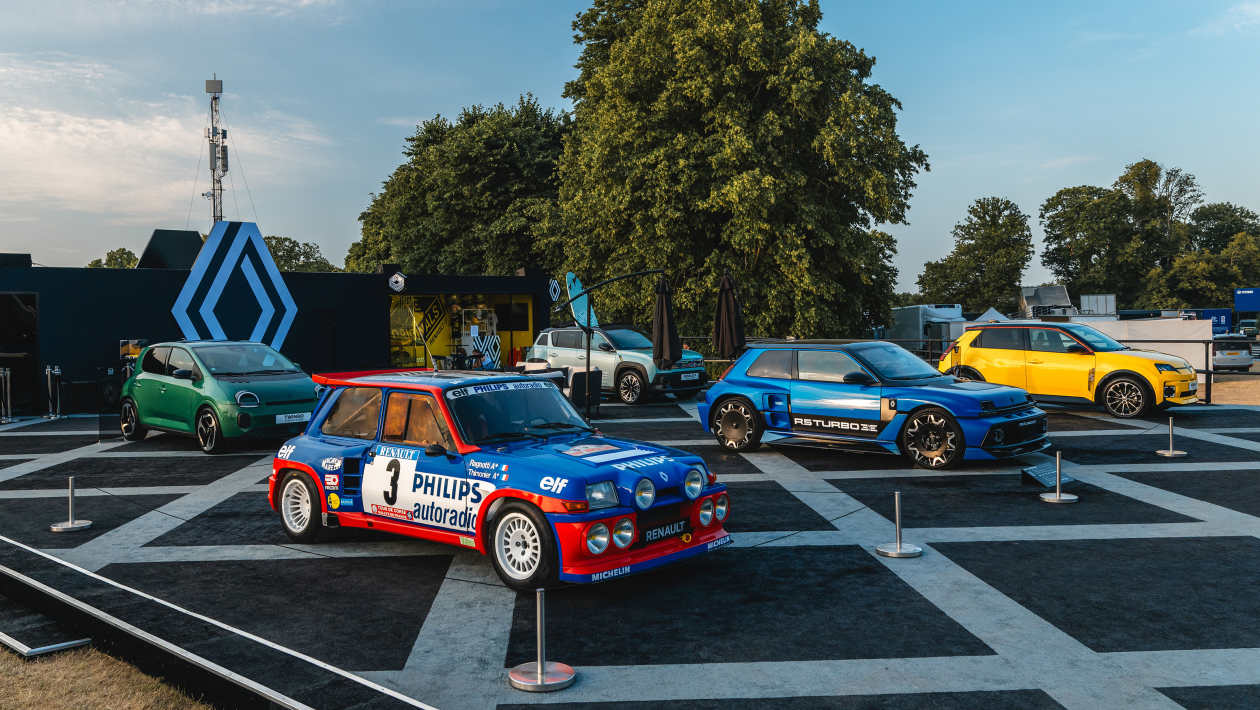
The shift is a response to a cooling market, where consumers have become increasingly sensitive to the aesthetic identity of their vehicles. By emphasizing "audacity," Malval aims to differentiate Renault models from the influx of cost-competitive imports that have flooded the European market. The design language focuses on wider track widths, aggressive lighting signatures, and a cabin-centric layout that prioritizes the human experience over purely technical specifications.
Chronology of the Strategic Shift
The current design evolution did not happen in a vacuum; it is the culmination of a multi-year effort to modernize Renault’s portfolio.
- Early 2024: Renault announces a comprehensive review of its brand identity, emphasizing the "Renaulution" strategic plan, which seeks to prioritize high-value segments over sheer volume.
- Late 2025: The introduction of the new Scenic E-Tech signaled the start of a design transition, moving the nameplate from a traditional MPV silhouette to a sleek, crossover-focused aesthetic.
- Mid-2026: The official unveiling of the new Rafale design cues, which integrated more aggressive, coupe-like rooflines and advanced lighting motifs.
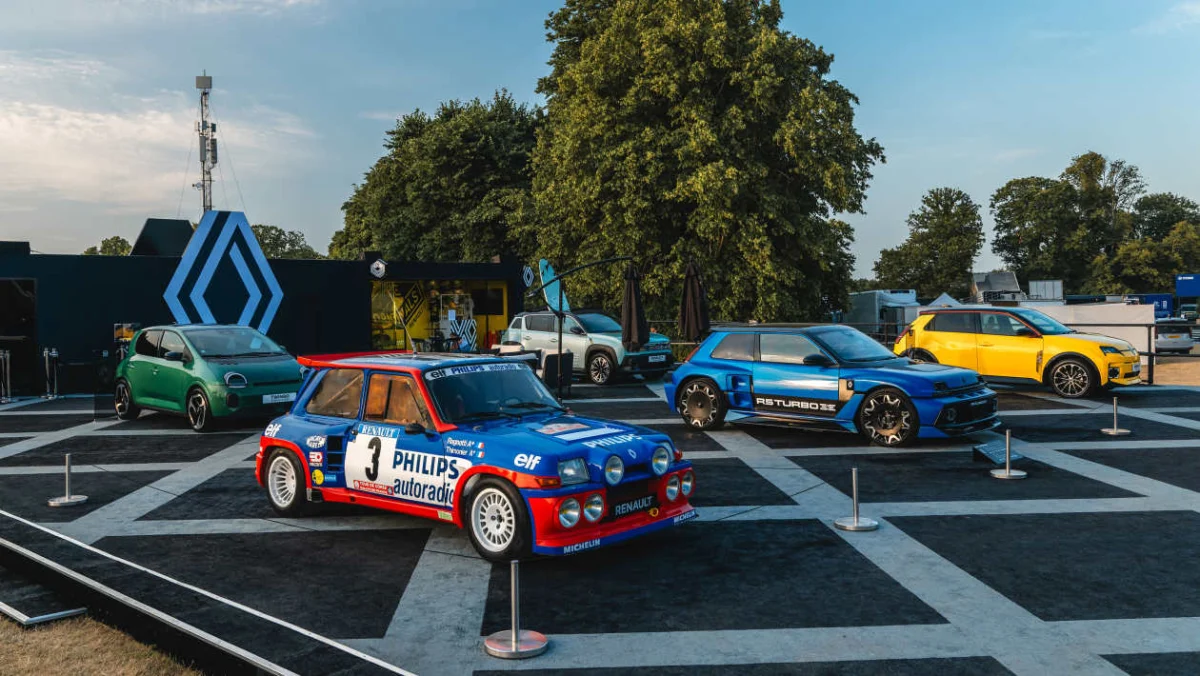
- September 2026: The Goodwood Festival of Speed serves as a critical milestone where Renault showcases its latest concept vehicle, embodying the "audacious" design language that will inform the 2027–2030 product pipeline.
Supporting Data and Market Context
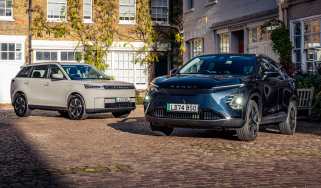
The move toward more expressive design comes at a time when the automotive industry is grappling with significant economic headwinds. Recent data indicates that the depreciation rates of mainstream vehicles are under scrutiny, with a surprising trend emerging: Chinese-manufactured vehicles are beginning to rival traditional European brands in residual value retention. This shift has forced incumbents like Renault to justify their premium positioning not just through brand heritage, but through superior design and build quality.
Furthermore, the average price of new vehicles has climbed steadily over the past 36 months, forcing a larger portion of the population to retain older vehicles for longer durations. Consequently, Renault’s design strategy is also tasked with "future-proofing" its aesthetic. By focusing on timeless proportions—such as the "golden ratio" of wheelbase to overhang—the design team intends for these vehicles to retain their visual appeal long after the initial launch, potentially aiding in secondary market valuation.
The Role of the Rafale and Scenic
The Rafale serves as the vanguard of this new era. As a flagship hybrid model, it is tasked with proving that Renault can compete in the premium-leaning D-segment. The design team has utilized a fastback profile that emphasizes width, paired with a sophisticated front-end light signature that will become a hallmark of all future Renault models.
Simultaneously, the new Scenic has been repositioned as a family-friendly beacon of sustainable design. By integrating recycled materials without sacrificing the "audacity" of its exterior, the vehicle represents the duality of Renault’s goals: to be environmentally conscious while remaining aesthetically adventurous. This approach addresses the critique that sustainable vehicles are often visually bland, proving that electrification allows for more daring, less constrained vehicle silhouettes.
Official Perspectives and Industry Reaction
While official statements from Renault emphasize a commitment to "proportions and personality," industry analysts point to the necessity of this shift. According to recent market briefings, the "sea of sameness" currently present in the SUV segment has led to customer fatigue.
"The challenge for Renault is to balance the high-volume requirements of the family segment with the need for a distinct, almost avant-garde visual identity," noted one automotive design analyst. "Malval’s focus on the architecture of the car—the way the wheels sit in the arches, the length of the hood, and the tension of the body panels—is a return to the fundamentals of good design. It’s not just about the digital screen inside; it’s about how the car commands a presence on the road."
Internally, the design department has been restructured to facilitate faster iteration. By utilizing virtual reality and AI-assisted modeling, the team can test the "audacity" of their designs against diverse global audiences before committing to expensive tooling. This digital-first approach ensures that the "personality" Malval seeks is quantified and validated early in the process.
Implications for the Future of Automotive Design
The broader impact of Renault’s new direction extends beyond its own showroom floors. As one of Europe’s largest manufacturers, Renault’s influence on the mass-market aesthetic is profound. If the strategy succeeds, it could trigger a "design arms race" among other European manufacturers who have relied on iterative, conservative styling for years.
There is, however, a risk inherent in this shift. As manufacturers attempt to push the boundaries of design, they must balance this with the practicalities of engineering, such as drag coefficients for electric vehicles, which often necessitate a "teardrop" shape that can limit stylistic flair. Renault’s ability to reconcile its aerodynamic requirements with its desire for bold, sculptural lines will be the true test of this new design philosophy.
Furthermore, the rise of over-the-air (OTA) software updates, while highly effective for functionality, has created a secondary challenge: the "dated" hardware problem. While software can keep a car’s infotainment system fresh for years, it cannot change the physical shape of the vehicle. By investing in strong, bold design today, Renault is banking on the idea that customers will prefer to own a car that still looks modern in 2030, even if the digital features are managed through subsequent software patches.
Conclusion
As Renault moves toward the end of 2026 and into the next fiscal year, the emphasis on audacity is more than a marketing slogan; it is a fundamental pillar of its corporate strategy. With Alexandre Malval at the helm, the brand is signaling a return to its roots—a time when French design was synonymous with innovation and style.
The success of the new Rafale and the evolution of the Scenic will provide the first real-world indicators of whether this design-led recovery can translate into sustainable market growth. In an era where Chinese imports are challenging the status quo and consumers are increasingly wary of rising costs, Renault’s focus on character, proportion, and aesthetic boldness may well be the differentiator that secures its future in an increasingly crowded and competitive global marketplace. The journey toward this future is already underway, and the industry will be watching closely to see if the reality of the road can match the ambition of the drawing board.