As the United States hurtles toward a critical political crossroads, the final stretch of the midterm election cycle has intensified dramatically. With just four days remaining before polls close, campaigns across the country are engaged in a high-stakes sprint to mobilize voters, shore up base support, and sway remaining undecideds. Major political developments spanning battleground states, shifting congressional dynamics, economic concerns, and foreign policy developments are converging to create one of the most unpredictable midterm landscapes in recent history. Analysts and data desks are working overtime to process rolling polls, early voting metrics, and unexpected campaign pivots as both major parties fight for control of Capitol Hill.
The Final Sprint: High-Stakes Midterm Battlegrounds
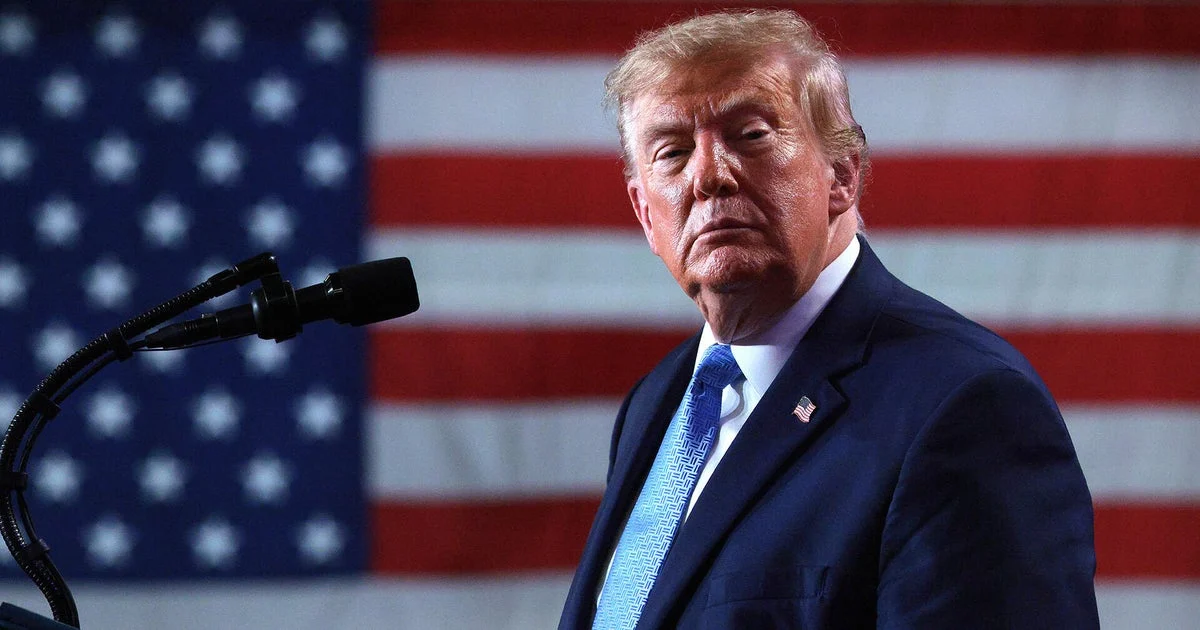
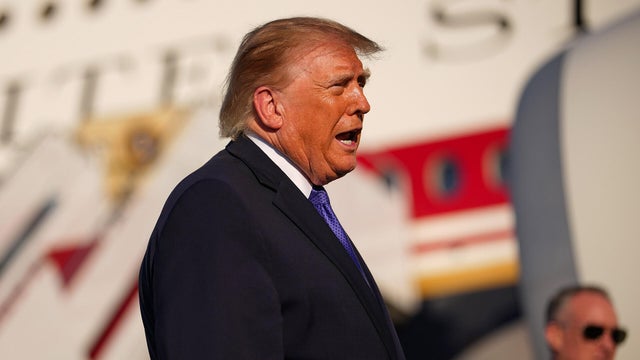
The closing days of the election cycle have brought a flurry of last-minute tactical adjustments from national political leaders. Former President Donald Trump reversed course on previously planned cancellations, announcing that he will hold high-profile rallies in Kansas and Iowa this weekend. The decision to campaign in these historically reliable Republican strongholds—alongside unexpected campaign stops in deep-red Florida—underscores a broader strategy to drive up raw turnout figures rather than exclusively chasing swing voters. Political strategists note that maximizing base enthusiasm in non-competitive regions can still have down-ballot impacts and serve as a national bellwether for voter mobilization.

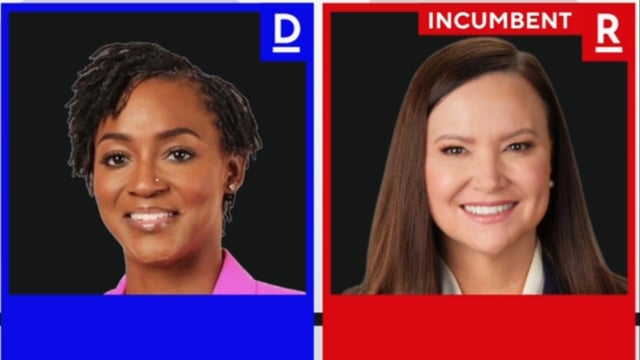
Meanwhile, attention remains intensely focused on traditional battlegrounds, where individual races could determine the balance of power in Washington. In Florida, voters are closely scrutinizing high-profile matchups, including progressive Democratic candidate Angie Nixon’s platform and how the local electorate is responding to sharply contrasting visions of governance. Concurrently, the South Carolina Senate race has seen significant shifts, with the CBS News data desk moving the contest firmly into the "leans Republican" column following late-breaking polling trends.
Further north, the political landscape in Alaska has been upended by a developing controversy surrounding Senator Dan Sullivan. The Department of Justice has launched an active investigation into the situation, sparking fierce debates among Alaskan voters and prompting intense local reactions. The inquiry has inadvertently drawn independent congressional candidates and incumbent campaigns into the fray, creating a turbulent environment as voters weigh ethical questions alongside traditional policy concerns.

Economic Realities and Societal Shifts
While campaigns hammer away at traditional partisan themes, everyday economic and cultural anxieties are heavily influencing the electorate. A newly released study highlights a mounting crisis for American families: the cost of caring for an elderly parent is rising at a rate significantly faster than the broader inflation index. This escalating financial strain is striking a chord with working-age voters, particularly members of the "sandwich generation" who are simultaneously supporting children and aging parents. The issue has quickly surfaced as a pressing talking point in local and federal debates, with voters demanding pragmatic policy solutions for long-term care affordability.

In a stark parallel to these economic pressures, cultural fatigue is also driving noticeable behavioral shifts among younger demographics. Generation Z is increasingly pushing back against the psychological toll of digital saturation. A growing movement within the cohort has seen young adults consciously stepping away from smartphones and actively reducing time spent "doomscrolling." In place of algorithmic feeds, many are turning to tactile, analog activities such as reading physical books and completing complex puzzles as a method of mental decompression and stress reduction.

Border Security, Immigration, and Regional Politics
Immigration policy and border security remain central pillars of the midterm debate, casting a long shadow over races in southern border states and beyond. The ongoing enforcement and policy impacts of agencies such as Immigration and Customs Enforcement (ICE) continue to shape voter motivations in Texas and other border-adjacent regions. For many voters in these areas, federal border management is not merely an abstract partisan talking point, but an immediate daily reality that influences local economies, community infrastructure, and ballot box decisions.
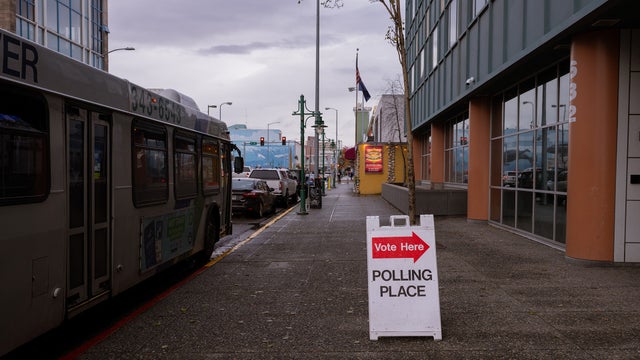
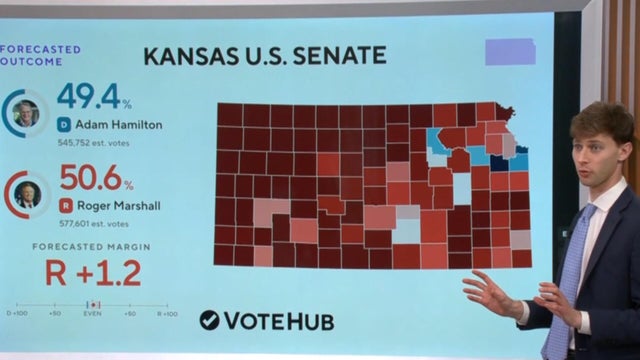
In Kansas, election officials are working to reassure the public regarding ballot integrity and voter verification processes. The Kansas Secretary of State recently outlined rigorous protocols designed to verify the citizenship of registered voters, addressing heightened public interest in election administration. These localized administrative procedures highlight the broader national focus on election security, transparency, and public trust as millions of Americans cast early and mail-in ballots.
Foreign Policy Intersections and Global Dynamics
Domestic political calculations are rarely insulated from international events, and the closing days of the midterms are no exception. Tensions in the Middle East have injected a volatile foreign policy element into the domestic discourse. Qatar has stepped up diplomatic efforts, actively pushing for a comprehensive peace deal between the United States and Iran to de-escalate ongoing regional conflicts.

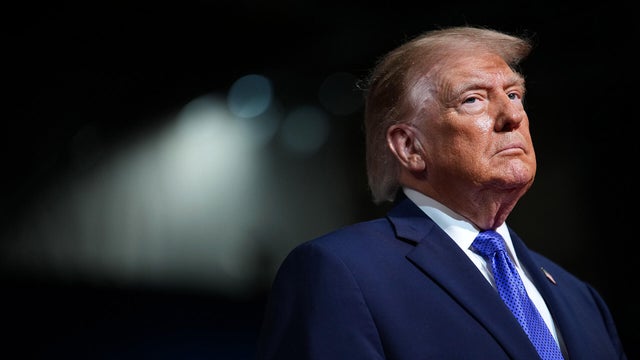
Amid these diplomatic maneuvers, military officials have moved to reassure the public and international markets regarding critical trade and transit corridors. The head of U.S. Central Command (CENTCOM) stated that strategic shipping lanes in the Strait of Hormuz remain clear and secure, pushing back against fears of severe supply chain disruptions. Meanwhile, Donald Trump addressed reporters to offer predictions that the conflict with Iran would soon draw to a close, while also fielding questions concerning Venezuela, international trade, and the domestic implications of his foreign policy record. These global developments serve as a backdrop to the campaigns, with candidates frequently sparring over America’s standing on the world stage and the economic fallout of international instability.
Demographic Shifts and Key Voting Blocs
As the final hours of campaigning wind down, both parties are making aggressive final appeals to critical demographic blocs. Analysts are paying close attention to the Latino vote, recognizing that shifting allegiances among Hispanic voters could ultimately decide the outcome in several key House and Senate races across the Southwest and Sun Belt. Campaigns have poured record resources into targeted outreach, focusing on economic mobility, educational opportunities, and small business support.
The convergence of economic anxieties, foreign policy friction, localized scandals, and intense base mobilization means that the final results of these midterm elections will carry profound implications for the remainder of the decade. With early voting already completed in many jurisdictions and election day fast approaching, the ultimate verdict rests squarely in the hands of an engaged, polarized, and anxious American electorate.