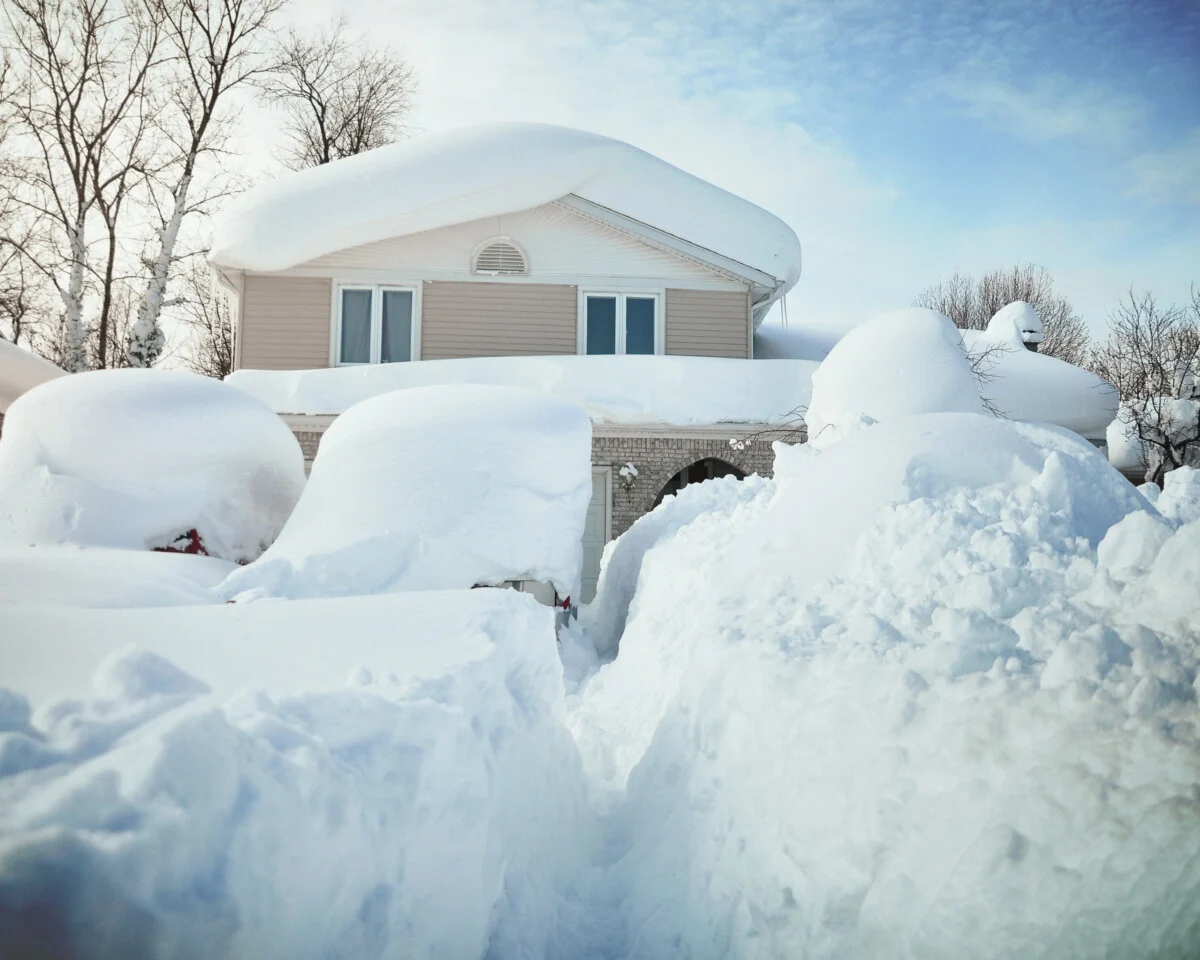
The traditional image of the American winter—characterized by deep snowpacks, frost-covered windowpanes, and months of sub-zero temperatures—is undergoing a profound transformation. While northern regions still experience formidable cold snaps, data from meteorological agencies globally confirm a stark reality: the planet is experiencing its hottest consecutive streak in recorded history, with winter emerging as the fastest-warming season. For prospective homebuyers, real estate investors, and long-term residents, understanding this climatic shift is no longer just an academic exercise; it is an essential component of geographic planning, property investment, and risk management.
A recent comprehensive analysis by real estate brokerage Redfin has mapped out the coldest cities across the United States, evaluating year-round average temperatures, seasonal lows, and historical extremes. The resulting data provides a fascinating window into how geography, elevation, and proximity to polar air masses dictate winter severity, while also highlighting the broader socioeconomic and housing market implications of shifting weather patterns.
Decoding the Map: America’s Coldest Urban Centers
When evaluating year-round meteorological data compiled from the National Oceanic and Atmospheric Administration (NOAA) and the National Centers for Environmental Information (NCEI), a clear geographic trend emerges. The nation’s coldest cities are heavily concentrated in the northern third of the country, far removed from the moderating warmth of the equator.
Fairbanks, Alaska, stands alone at the top of the list as the coldest city in the United States. With an average annual temperature of 28.3°F and an average winter temperature plunging to -4.1°F, Fairbanks outpaces its closest urban competitor, Anchorage, by nearly 10 degrees annually. The city’s climate credentials were recently underscored when it recorded its coldest winter on record, with average temperatures dropping to an astonishing -13.6°F, eclipsing a meteorological record that had stood since the mid-1960s. During that historic stretch, local temperatures failed to climb above freezing from Halloween straight through to April Fools’ Day.
In the Lower 48 states, Grand Forks, North Dakota, claims the title of the coldest city with a population above 20,000. While tiny International Falls, Minnesota, holds a legendary reputation for bone-chilling temperatures, its smaller population size excludes it from standard urban rankings. Grand Forks boasts an average annual temperature of 39.8°F, accompanied by a harsh winter average of 9.9°F and a historical low of -43°F.
Other notable entries on the list include Butte, Montana (average annual temperature of 40.1°F), Duluth, Minnesota (40.6°F), Superior, Wisconsin (41.4°F), and Laramie, Wyoming (41.4°F). These locations owe their severe climates to distinct geographical factors, ranging from high-altitude plateaus in the Rocky Mountains to direct exposure to sweeping Canadian air masses and the influence of the Polar Vortex.
The Microclimates of Cold: Elevation, Water, and Air Masses
Not all cold cities experience winter in the same way. The specific mechanics of local climates vary significantly based on topography and maritime influence. For instance, coastal Alaskan cities like Anchorage and Juneau benefit from the moderating thermal capacity of nearby large bodies of water. While these areas experience cool summers and abundant snowfall, their winter temperatures are often less extreme than inland locations situated at the same latitude.
Conversely, high-elevation municipalities like Laramie, Wyoming, and Butte, Montana, face unique climatic pressures. Nestled within and around the Rocky Mountain range, these cities are partially shielded from the brunt of certain continental cold fronts by surrounding peaks. However, their high elevation ensures that freezing temperatures dominate the calendar. Butte, for example, registers an average winter temperature of a relatively mild 20.4°F, yet experiences nearly 200 days a year with overnight lows dipping below freezing.
At the absolute extreme of North American habitation lies Utqiagvik, Alaska—formerly known as Point Barrow—situated on the northernmost tip of the continent. As the coldest permanently inhabited place in the United States, Utqiagvik records an average annual temperature of just 12.7°F, with winter averages sinking to -11°F and a record low of -56°F. The town endures more than 60 consecutive days of polar night during the winter months, when the sun does not rise above the horizon. Despite these harsh conditions, a resilient community of roughly 4,000 residents, primarily belonging to the Iñupiat people, maintains a year-round presence, accessible only by air or sea.

The Economic and Housing Market Implications of Winter Weather
Climate is far more than an aesthetic or recreational consideration; it is a fundamental driver of housing markets, architectural design, and regional economics. For real estate markets in northern latitudes, seasonal fluctuations dictate transaction volumes far more aggressively than they do in sunbelt states.
Real estate analysts point out that homebuying and selling activity in upper-Midwest and northern markets follows a distinctly seasonal rhythm. Winter months typically see subdued market activity as freezing temperatures and heavy snowfall discourage in-person home tours and relocations. However, as spring arrives, pent-up demand triggers rapid market acceleration.
Furthermore, decades of population and economic shifts in the Rust Belt and upper Midwest have historically kept home prices in many cold-weather cities relatively low compared to booming coastal or southern sunbelt metros. Today, as prospective buyers grapple with a nationally expensive housing market, some of these affordable northern cities are beginning to see renewed interest from Americans seeking value.
However, purchasing a home in a cold climate requires specialized financial planning. Building standards in northern tiers demand rigorous energy efficiency, robust insulation, specialized heating systems, and architectural features designed to withstand heavy snow loads and ice dams. Consequently, homeowners in these regions must factor higher seasonal utility costs and ongoing cold-weather maintenance into their long-term cost of living.
To help consumers navigate these variables, modern real estate platforms have integrated climate risk data directly into property listings. Tools tracking historical temperatures, extreme weather frequencies, flood zones, and sunshine scores allow buyers to assess the environmental resilience of a prospective home before making an investment.
A Warming Trend: The Future of America’s Coldest Regions
While these northern enclaves remain the frostiest in the nation, the overarching trajectory of global climate data indicates that extreme cold is becoming less frequent and less severe. According to recent meteorological findings, the past decade ranks as the hottest in recorded history, with winter warming significantly faster than any other season—particularly at higher latitudes.
Comparative studies of 30-year climate normals demonstrate that the majority of cities on the U.S. coldest list have experienced measurable increases in their average annual temperatures over the last several decades. Today’s coldest winter temperatures across the contiguous United States average roughly 7 degrees warmer than they did in 1970. Climatologists warn that the bitterly cold, prolonged winters characteristic of the 20th century are increasingly unlikely to repeat in the same magnitude, as global warming alters weather baselines.
For municipalities built around winter tourism, snow sports, and cold-weather commerce, this warming trend presents distinct long-term planning challenges. Infrastructure designed to manage heavy ice and deep snow must now also account for freeze-thaw cycles, increased winter precipitation in the form of rain, and changing ecological conditions.
Ultimately, while places like Fairbanks and Grand Forks will continue to anchor the lower end of national temperature charts, the lived experience of an American winter is evolving. As prospective residents weigh the pros and cons of relocating to colder climates, they must balance the charm of a snowy northern landscape against the undeniable realities of a shifting global climate.