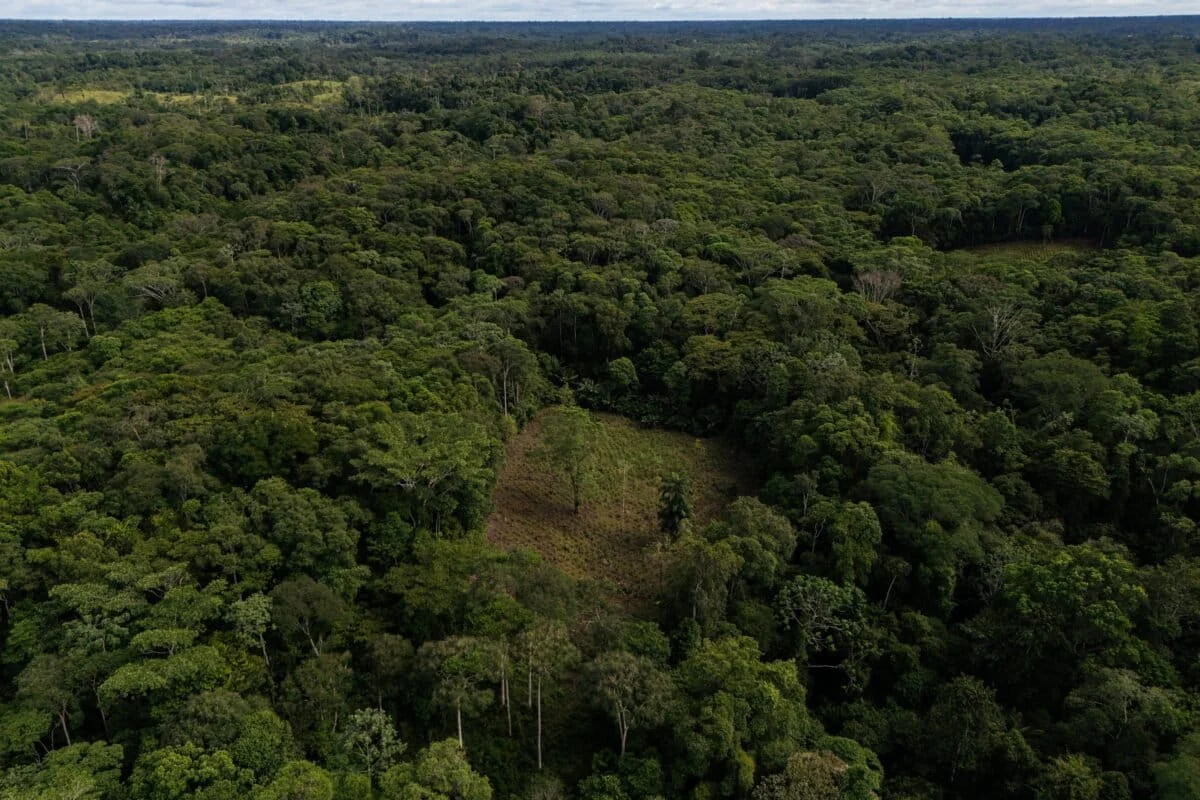
A bipartisan coalition of United States lawmakers has formally petitioned Secretary of State Marco Rubio to withhold support for the Colombian government’s proposed plan to reinstate aerial herbicide spraying as a primary tool in its counternarcotics strategy. The move, which would involve the widespread use of glyphosate to eradicate coca crops, has ignited a fierce debate regarding the efficacy of decades-old drug war tactics versus the pressing need for environmental conservation and rural development in the Amazon basin.
The letter, signed by several high-ranking members of Congress, underscores the precarious balance between Washington’s long-standing security interests in South America and the growing mandate for climate action and human rights protection. As Colombia continues to grapple with record levels of cocaine production, the dispute over the use of chemical agents reflects a broader shift in how international actors view the "War on Drugs"—a conflict that has historically prioritized supply-side reduction despite mounting evidence of its limited success.
A Fractured Legacy: The History of Aerial Eradication
For over two decades, aerial spraying was the cornerstone of Plan Colombia, a U.S.-funded initiative launched in 2000 to stabilize the Andean nation and curtail the flow of narcotics to global markets. During this period, millions of hectares of land were sprayed with glyphosate, a chemical that the World Health Organization’s International Agency for Research on Cancer classified in 2015 as "probably carcinogenic to humans."
The practice was suspended in 2015 under the administration of President Juan Manuel Santos, following a ruling by the Constitutional Court of Colombia. The court cited the "precautionary principle," noting that the government could not definitively prove the herbicide was harmless to the population and the ecosystem. Following the 2016 Peace Accords with the Revolutionary Armed Forces of Colombia (FARC), the focus shifted toward voluntary manual eradication and rural development programs. However, since the expiration of those agreements and the subsequent rise of new armed groups, the Colombian state has struggled to contain the expansion of coca fields, leading current officials to argue that manual eradication is too slow and hazardous for security forces.
The Current Standoff: Security vs. Sustainability
The Colombian government, led by its security apparatus, contends that aerial spraying is the only viable method to scale up eradication efforts rapidly enough to disrupt the financing of criminal organizations. Officials argue that these groups—which include remnants of the FARC, the National Liberation Army (ELN), and various drug-trafficking cartels—use the profits from coca to destabilize the country’s democratic institutions and terrorize rural populations.
Conversely, the U.S. lawmakers opposing the plan argue that the environmental cost is too high. The Amazon is currently at a critical tipping point; deforestation for the purpose of planting coca crops is a significant driver of ecological degradation. Critics point out that aerial spraying does not discriminate between coca crops and the surrounding rainforest, often killing native vegetation, contaminating local water sources, and destabilizing the fragile biodiversity of the region.
Furthermore, the socioeconomic implications are profound. Aerial spraying often affects legitimate agricultural plots adjacent to coca fields, displacing rural farmers and deepening the cycle of poverty. Lawmakers suggest that rather than relying on chemical warfare, the U.S. should pivot toward supporting comprehensive rural reform, improving infrastructure, and providing economic alternatives that allow small-scale farmers to transition to legal crops.
Data Trends: The Persistence of Production
Despite billions of dollars in U.S. aid spent on counternarcotics, the data presents a sobering reality. According to the United Nations Office on Drugs and Crime (UNODC), Colombia remains the world’s largest producer of cocaine. Recent reports indicate that the total land area dedicated to coca cultivation in Colombia has reached record highs, hovering near 230,000 hectares.

This persistence suggests a "balloon effect": as eradication efforts intensify in one area, cultivation simply shifts to more remote or better-protected regions. The cyclical nature of the drug trade means that when supply is constricted by force, market prices often rise, incentivizing further production. The reliance on aerial spraying has historically failed to achieve a permanent, long-term reduction in production, as farmers often replant crops shortly after the chemicals are dispersed.
Legislative Concerns and Potential Implications
In their communication to Secretary Rubio, the U.S. lawmakers emphasized that any involvement by the State Department could undermine the Biden-Harris administration’s stated goals of protecting the Amazon and addressing the root causes of migration and regional instability. They argue that supporting a return to aerial spraying would represent a regressive policy choice that contradicts the current focus on "holistic" and "sustainable" security.
The implications for U.S.-Colombia relations are significant. Colombia has traditionally been the United States’ closest ally in Latin America. However, the current administration in Bogota is navigating a complex political landscape where balancing security demands with public health and environmental concerns is increasingly difficult. If the U.S. officially backs the resumption of spraying, it risks alienating human rights advocates and environmental groups who are critical of the health impacts of glyphosate. Conversely, if Washington withdraws its support, it may strain ties with the Colombian military and law enforcement agencies who view the U.S. as an essential partner in their anti-trafficking operations.
Expert Analysis: Beyond Chemical Solutions
Public policy experts suggest that the debate over aerial spraying is a symptom of a larger, systemic failure to address the demand side of the cocaine market. International policy analysts argue that focusing exclusively on supply-side eradication ignores the economic realities of rural Colombia. Without a market for alternative crops—such as coffee, cacao, or tropical fruits—farmers in isolated regions will inevitably return to coca because it is the only product with a guaranteed buyer and logistical infrastructure.
"The history of aerial spraying in Colombia is a history of repeating the same mistakes," says one policy researcher familiar with Andean security. "The issue isn’t just whether the chemicals are toxic; it’s whether the strategy addresses the underlying motivation for why coca is planted in the first place. Until there is a legitimate economy in these remote zones, the state is essentially fighting an endless war against its own citizens."
Looking Toward a New Strategy
As Secretary Rubio reviews the petition from Congress, the pressure to adopt a more nuanced approach is mounting. The lawmakers are calling for an immediate briefing on the potential risks of resuming the program, including a thorough environmental impact assessment that considers the unique sensitivity of the Amazon ecosystem.
The proposed alternatives include:
- Technological Investment: Utilizing satellite imagery and drone technology to better target illegal infrastructure and labs without the indiscriminate use of herbicides.
- Rural Development Investment: Scaling up the implementation of the 2016 Peace Accords, which prioritize land titling and agricultural assistance.
- Improved Intelligence Sharing: Focusing efforts on dismantling the mid-level and high-level financial networks of cartels rather than targeting the small-scale producers at the bottom of the chain.
The final decision regarding the use of aerial spraying will likely serve as a litmus test for the future of U.S. foreign policy in the region. It forces a choice between the familiar, aggressive tactics of the past and a new, development-led strategy that aligns with contemporary global priorities of climate preservation and human rights. As the world watches, the outcome of this dispute will not only shape the future of the Colombian Amazon but also the direction of global counternarcotics policy for years to come.
Conclusion
The path forward for Colombia remains fraught with difficulty. The combination of armed conflict, the illicit drug trade, and environmental crisis requires a multifaceted response that moves beyond the simplistic binary of "spraying vs. not spraying." As the U.S. weighs its commitment to its regional partner against its global commitments to human health and environmental protection, the voices of the lawmakers in Washington provide a critical perspective on the need for evolution in policy. The persistence of the coca trade is not merely a failure of eradication; it is a testament to the need for a deeper, more sustainable approach that integrates security, economic opportunity, and ecological stewardship. Whether the U.S. chooses to repeat the cycles of the past or forge a new, more responsible path remains to be seen.