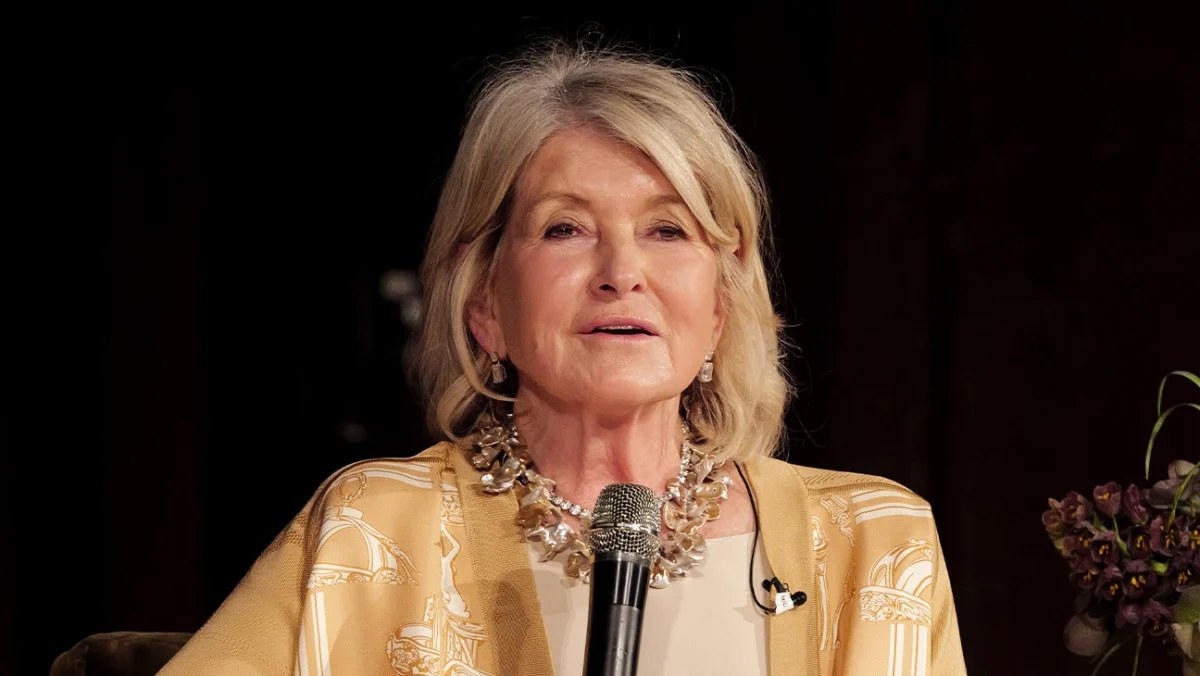
Lifestyle mogul and media icon Martha Stewart has found herself at the center of a significant social media firestorm following the publication and subsequent deletion of a Halloween-themed photograph. The image, which depicted Stewart dressed in tattered clothing with visible dirt smudged on her face, included a prop—a clipboard—bearing the handwritten message, "I AM HUNGRY HELP ME!!" The post, which was shared on her official Instagram account to promote a line of candles sold via QVC, drew immediate and widespread condemnation from followers and social media users who characterized the imagery as insensitive, performative, and deeply out of touch.
The incident occurred on November 1, 2026, following the Halloween festivities. While the post was intended to capitalize on the holiday season to drive commercial interest in her home goods collection, it instead ignited a debate regarding the boundaries of satire, privilege, and the representation of socioeconomic crises in the digital age.
Chronology of the Controversy
The digital footprint of the incident began when Stewart posted a carousel of images to her Instagram feed, ostensibly to showcase her QVC candle collection. Among the promotional photos was an image of Stewart in a costume that appeared to mimic the appearance of an unhoused person. The visual markers of the costume—the disheveled hair, the faux-grime, the shredded garments, and the plea for food written on a clipboard—were quickly identified by observers as caricatures of homelessness.
Within hours of the post going live, screenshots began circulating on platforms such as X (formerly Twitter) and TikTok. The backlash was swift. Users expressed outrage, noting that the aestheticization of poverty for the purpose of personal branding or holiday fun constitutes a "tone-deaf" approach to one of the most pressing humanitarian crises in the United States. As the negative commentary mounted, the original post was scrubbed from Stewart’s profile. However, the deletion did little to quell the discourse, as copies of the photo had already been archived and shared widely across the internet, leading to a viral conversation about the ethics of celebrity engagement with social issues.
The Context of Homelessness in America
To understand the severity of the reaction, it is necessary to examine the current landscape of housing insecurity in the United States. According to the most recent data from the U.S. Department of Housing and Urban Development (HUD), the number of individuals experiencing homelessness on any given night has been steadily rising. Factors such as the expiration of pandemic-era housing protections, the rising cost of living, and a lack of affordable housing stock have pushed thousands of Americans into precarious living situations.
Public perception of homelessness is frequently shaped by media representation. Critics of Stewart’s costume argued that by turning the experience of food insecurity into a "costume," she was trivializing a systemic failure that results in daily trauma for millions of people. In public discourse, the act of "poverty tourism" or the satirical depiction of those suffering from economic instability is often viewed as a reinforcement of harmful stereotypes that dehumanize vulnerable populations.
Official Response and Justification
In the wake of the mounting criticism, Stewart issued a formal statement to People magazine to address the controversy. In her response, she sought to clarify her intent, expressing distress that the imagery was interpreted as mockery.
"I’ve spent decades teaching others how to celebrate Halloween—sharing fun, festive recipes, providing unique craft ideas and giving tips on entertaining and hosting to make the most of one of my favorite holidays of the year," Stewart stated. "I am distressed that my Halloween costume yesterday, which was intended to bring more awareness to the very serious subject of homelessness, has offended people, which was never my intention."
She further emphasized her history of charitable work, noting that she has long supported organizations dedicated to combating the "social epidemic" of homelessness. "Homelessness continues to remain one of America’s greatest challenges and ongoing crises, something that I care deeply about and I have spent a significant amount of time and effort supporting charities that combat this ongoing social epidemic," she added. "I am committed to continuing to make a difference."
Despite this explanation, the disconnect between the visual execution of the costume and the stated goal of "raising awareness" remained a focal point of the criticism. Communication experts have noted that when a message is delivered through an image that relies on stereotypes, the intended meaning is often eclipsed by the harm caused by the imagery itself, regardless of the celebrity’s underlying intent.
Sociological Analysis of Celebrity Brand Management
The incident involving Stewart provides a case study in the risks of celebrity brand management in an era of heightened social consciousness. For decades, Stewart has cultivated a brand built on domestic perfection, refinement, and aspirational living. When a figure associated with the pinnacle of luxury engages in a performance of poverty, it inherently creates a jarring juxtaposition that audiences find difficult to reconcile.
Dr. Elena Vance, a sociologist specializing in media studies, notes that "when high-profile influencers or media figures attempt to address social issues through a lens of ‘costume’ or entertainment, they risk alienating their audience. The audience sees the power dynamic: one individual is playing at being poor for a few hours for a marketing campaign, while the reality for the target of that ‘costume’ is a permanent, life-threatening situation. The lack of self-awareness regarding this power imbalance is what fuels the anger."
Furthermore, the integration of a social issue into a commercial post—in this case, promoting candles—was viewed by many as a cynical exploitation. The transition from a "help me" message on a clipboard to a sales pitch for home fragrance products highlighted a commercialization of misery that many followers found unacceptable.
Broader Implications and Future Outlook
This incident is not the first time a celebrity has faced scrutiny for their Halloween choices, but it highlights the growing expectation that public figures be held accountable for the imagery they disseminate. As social media platforms continue to act as the primary medium for celebrity communication, the barrier between professional marketing and personal expression has blurred.
For Martha Stewart, a business leader who has navigated numerous professional and personal challenges throughout her career, this event serves as a reminder of the volatility of the digital public square. The rapid deletion of the post indicates an acknowledgment of the mistake, but the lasting impact on her brand’s reputation remains to be seen. Industry analysts suggest that this controversy may lead to more rigorous oversight of content shared by celebrity accounts, particularly when dealing with sensitive social themes.
As the news cycle moves forward, the conversation surrounding the incident continues to serve as a catalyst for discussions about empathy, the responsible use of social platforms, and the necessity for public figures to engage with social issues in a substantive rather than performative manner. Whether this will lead to a change in how Stewart manages her digital presence remains a topic of speculation, but the event has certainly left an indelible mark on the public’s perception of her approach to social advocacy.
In the final analysis, the backlash is less about the costume itself and more about the perceived lack of alignment between a lifestyle brand and the reality of the societal issues it attempts to address. As social media users demand greater authenticity and deeper awareness from the influencers they follow, the margin for error for global brands continues to shrink.