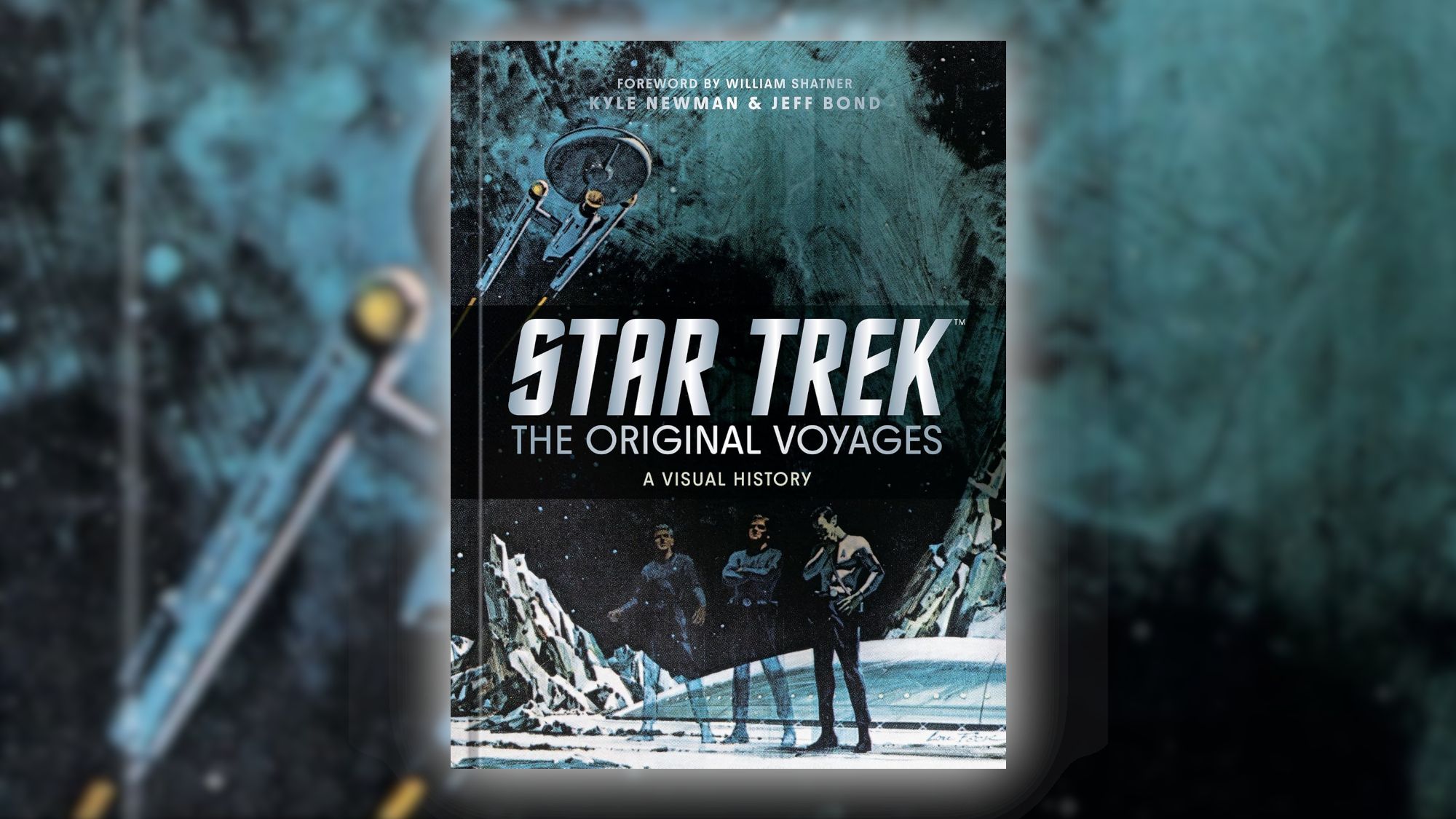
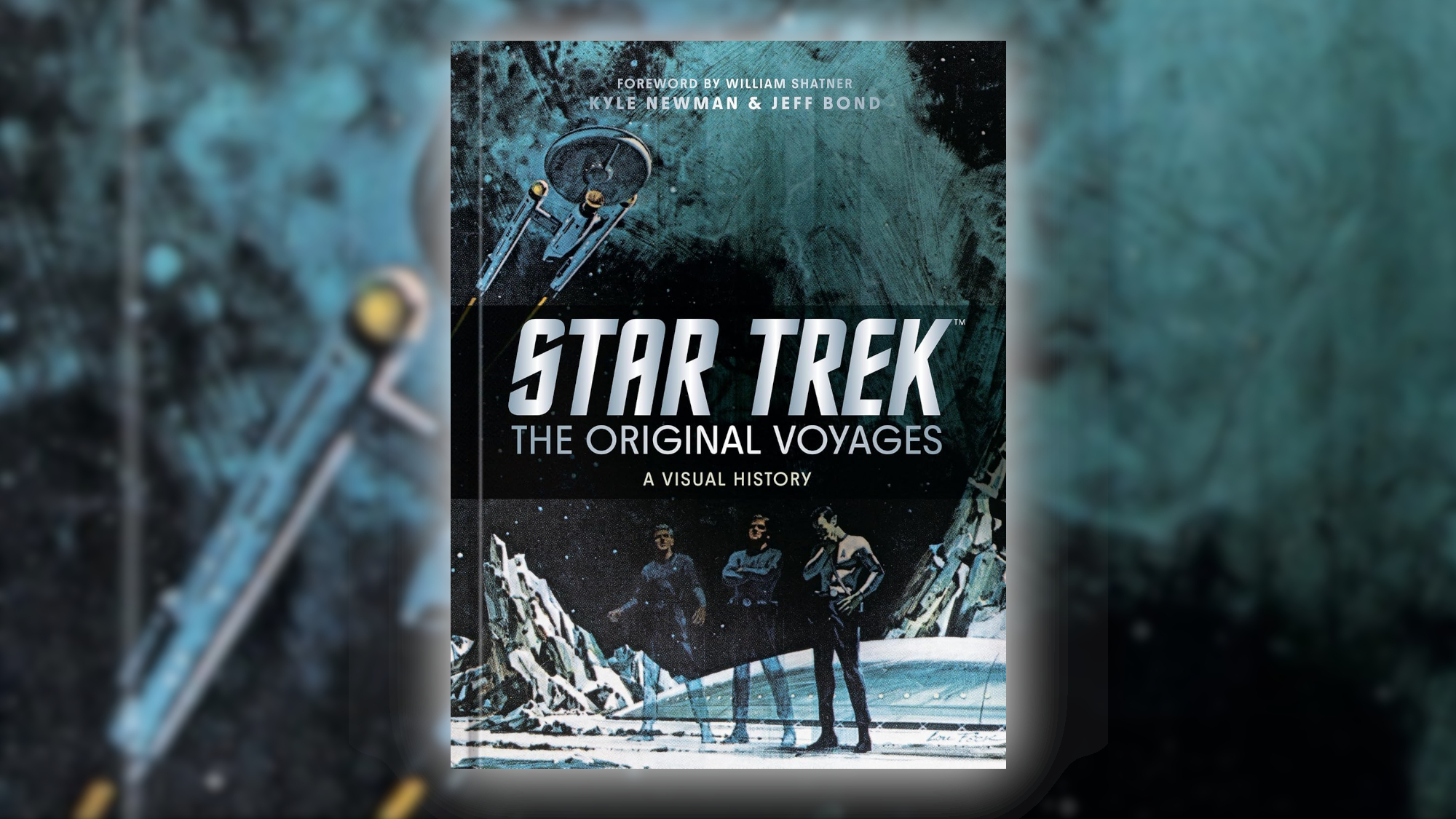
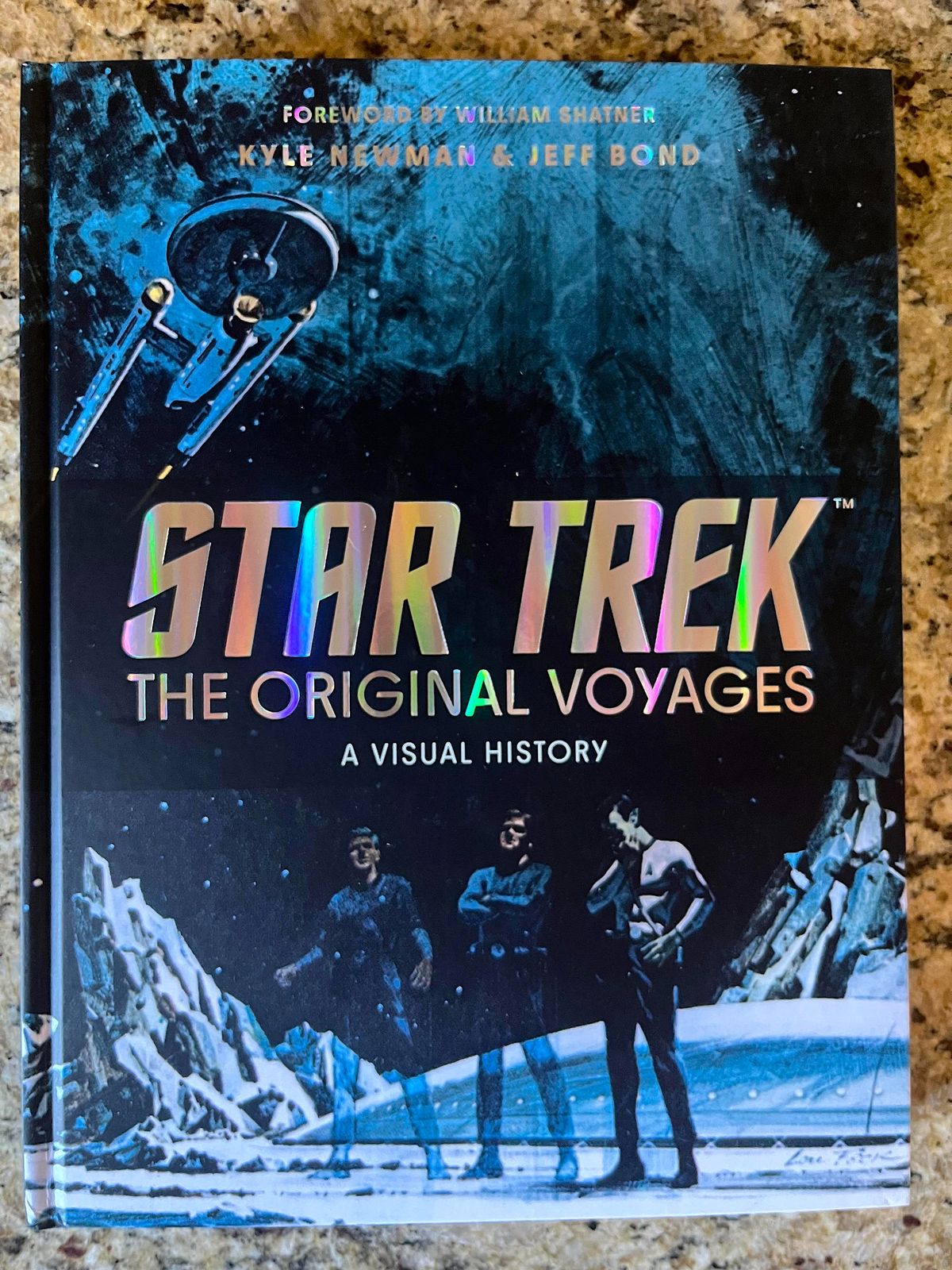
As the iconic science fiction franchise Star Trek continues to reflect upon its historic diamond anniversary, commemorating sixty years since its inaugural broadcast on NBC on September 8, 1966, the publishing industry is preparing a definitive tribute. Penguin Random House, through its Ten Speed Press imprint, has officially scheduled the release of Star Trek: The Original Voyages: A Visual History for November 10, 2026. Authored by noted cultural historians and writers Kyle Newman and Jeff Bond, the upcoming 416-page hardcover book aims to deliver an exhaustive, meticulously curated retrospective of the franchise’s foundational era, capturing everything from its humble television origins to its expansion into global multimedia phenomena.
The publication arrives during a high-water mark for franchise retrospection. Throughout late 2025 and 2026, the global fanbase—famously known as Trekkies—has engaged in widespread celebrations. These festivities have included theatrical runs of newly produced commemorative documentaries featuring original cast members such as William Shatner, specialized fan screenings across major international cities, world-record-breaking gatherings attempting mass Vulcan salutes, and prominent cultural displays like the Star Trek-themed "Space for Everybody" Rose Parade float. Additionally, touring historical artifacts, such as the restoration and transit of the legendary Galileo shuttlecraft to New York, have underscored the enduring public fascination with the franchise’s practical creation methods and mid-century aesthetic.
Chronology of an Iconic Universe: From 1966 to 1991
To understand the scope of Star Trek: The Original Voyages, one must examine the timeline of the epoch it covers. The book focuses primarily on the classic iteration of the property, spanning from the inception of the live-action television series through its early offshoots and cinematic adaptations up to 1991.
The historical timeline highlights several major milestones:
- September 8, 1966: Star Trek premieres on NBC with the episode "The Man Trap," introducing audiences to Captain James T. Kirk and the crew of the U.S.S. Enterprise.
- 1969: Following three seasons and 79 produced episodes, NBC cancels the original series due to low Nielsen ratings, inadvertently setting the stage for a massive syndicated afterlife.
- 1973–1974: Star Trek: The Animated Series airs on Saturday mornings, reuniting most of the original voice cast and expanding the narrative boundaries of the universe.
- December 1979: Following the massive commercial success of Star Wars, Paramount Pictures elevates the property to the big screen with Star Trek: The Motion Picture, directed by Robert Wise.
- 1982–1991: A highly successful cinematic run follows, encompassing Star Trek II: The Wrath of Khan (1982), Star Trek III: The Search for Spock (1984), Star Trek IV: The Voyage Home (1986), Star Trek V: The Final Frontier (1989), and culminating with Star Trek VI: The Undiscovered Country (1991), which served a symbolic farewell to the original film crew.
Inside the Collector’s Edition: Archival Riches and Rare Ephemera
Weighing in as a heavy, premium-grade coffee table book, Star Trek: The Original Voyages represents the first installment in a planned two-volume comprehensive visual history. Early review copies made available to entertainment press showcase an extraordinary assemblage of rare materials sourced directly from private archives, studio vaults, and personal collections.
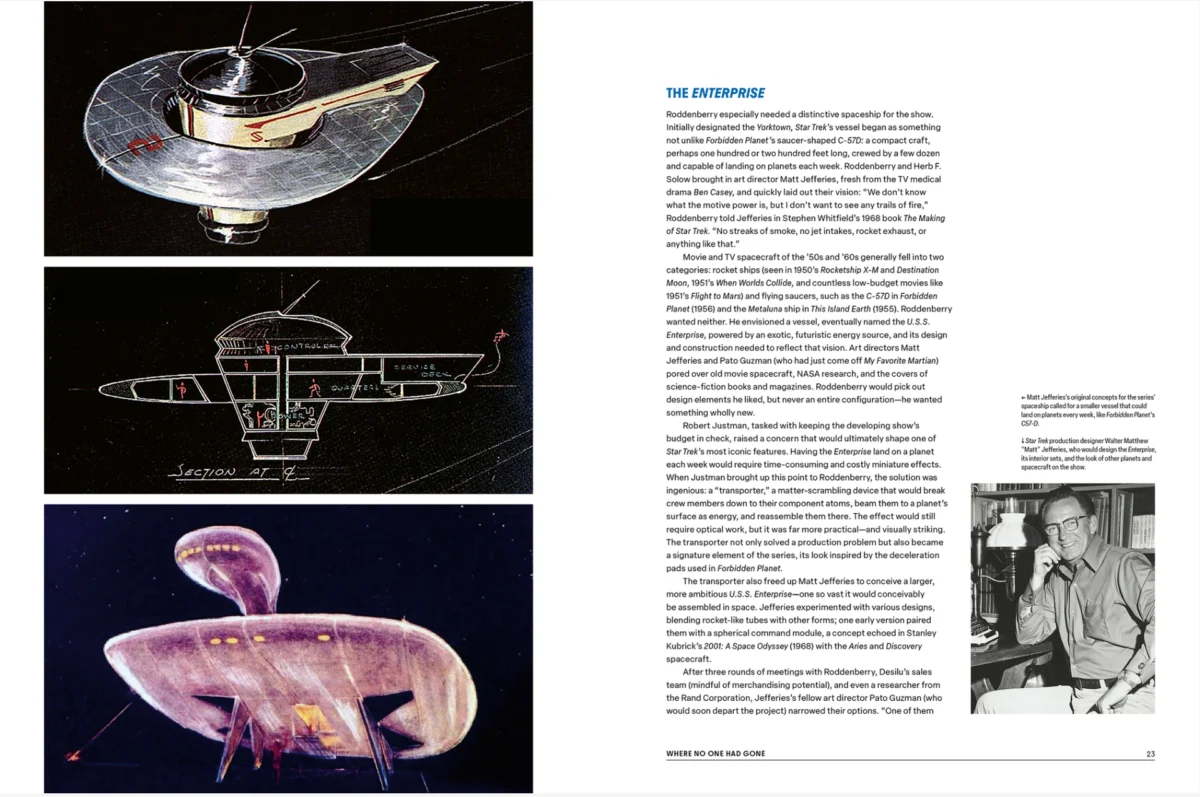
The volume moves far beyond standard promotional stills. Readers will find exhaustive documentation of production design, including early conceptual sketches by master illustrators like Matt Jefferies (creator of the iconic U.S.S. Enterprise design) and costume concepts by William Ware Theiss. Furthermore, the book catalogs behind-the-counter industry ephemera: original working scripts, interior set blueprints, filming miniature photography, behind-the-scenes dialogue transcripts, and candid correspondence between creator Gene Roddenberry—frequently referred to by fans as "The Great Bird of the Galaxy"—and network executives, writers, and technical consultants.
Beyond the television sets and sound stages, the publication deliberately addresses the commercial and cultural explosion that accompanied the show’s syndication boom in the 1970s. Chapters are dedicated to the sprawling ecosystem of licensed merchandise that helped sustain the franchise during its dark years between cancellation and cinematic revival. This includes vintage board games, model kits by AMT, Dell and Marvel comic book runs, early convention badges, promotional roadshow materials, trading card sets, and scarce magazine covers that reflected the emerging power of organized science fiction fandom.
Context and Industry Background
The publication of Star Trek: The Original Voyages is timed strategically to leverage both the 60th-anniversary momentum and the surging demand for high-end pop culture historiography. Coffee table books dedicated to classic franchises have evolved from simple promotional tie-ins into serious academic and archival projects. Authors Kyle Newman and Jeff Bond bring established credentials to the project, having previously navigated complex entertainment histories through meticulous research and access to primary sources.
Industry analysts note that retrospective publishing serves a dual purpose for media conglomerates like Paramount Global, which owns the Star Trek rights. By validating the historical weight and artistic craftsmanship of the 1960s and 1970s productions, publishers and rights-holders reinforce the intellectual property’s prestige value. This historical anchoring supports ongoing contemporary streaming output on platforms like Paramount+, proving to modern audiences that current series stand upon a deeply rooted, highly documented foundation.
Broader Implications and Cultural Legacy
The cultural footprint of the original Star Trek series extends far beyond traditional entertainment metrics. When the show premiered at the height of the Cold War and amid intense civil rights movements in the United States, Gene Roddenberry utilized a futuristic, multi-ethnic, and cooperative bridge crew to challenge contemporary societal prejudices. The famous interracial kiss between Captain Kirk and Lieutenant Uhura in the 1968 episode "Plato’s Stepchildren" remains a watershed moment in television history.
Furthermore, the technological predictions embedded within the original series—ranging from communicator devices that anticipated modern cellular phones to medical tricorders and computerized voice interfaces—helped inspire generations of real-world engineers, scientists, and astronauts. Figures such as Mae Jemison, the first African American woman in space, have frequently cited Nichelle Nichols’ portrayal of Lieutenant Uhura as a direct inspiration for pursuing careers in STEM fields.
As Star Trek: The Original Voyages: A Visual History arrives on bookshelves on November 10, 2026, it offers more than a nostalgic trip down memory lane for long-time enthusiasts. By cataloging the fragile storyboards, sweat, ingenuity, and collaborative vision required to bring a low-budget 1960s television experiment to life, the book solidifies Star Trek‘s place as a cornerstone of modern myth-making and industrial design. Whether viewed through the lens of sociological impact or cinematic artistry, the volume ensures that the foundational voyages of the U.S.S. Enterprise will remain meticulously preserved for future generations of explorers.