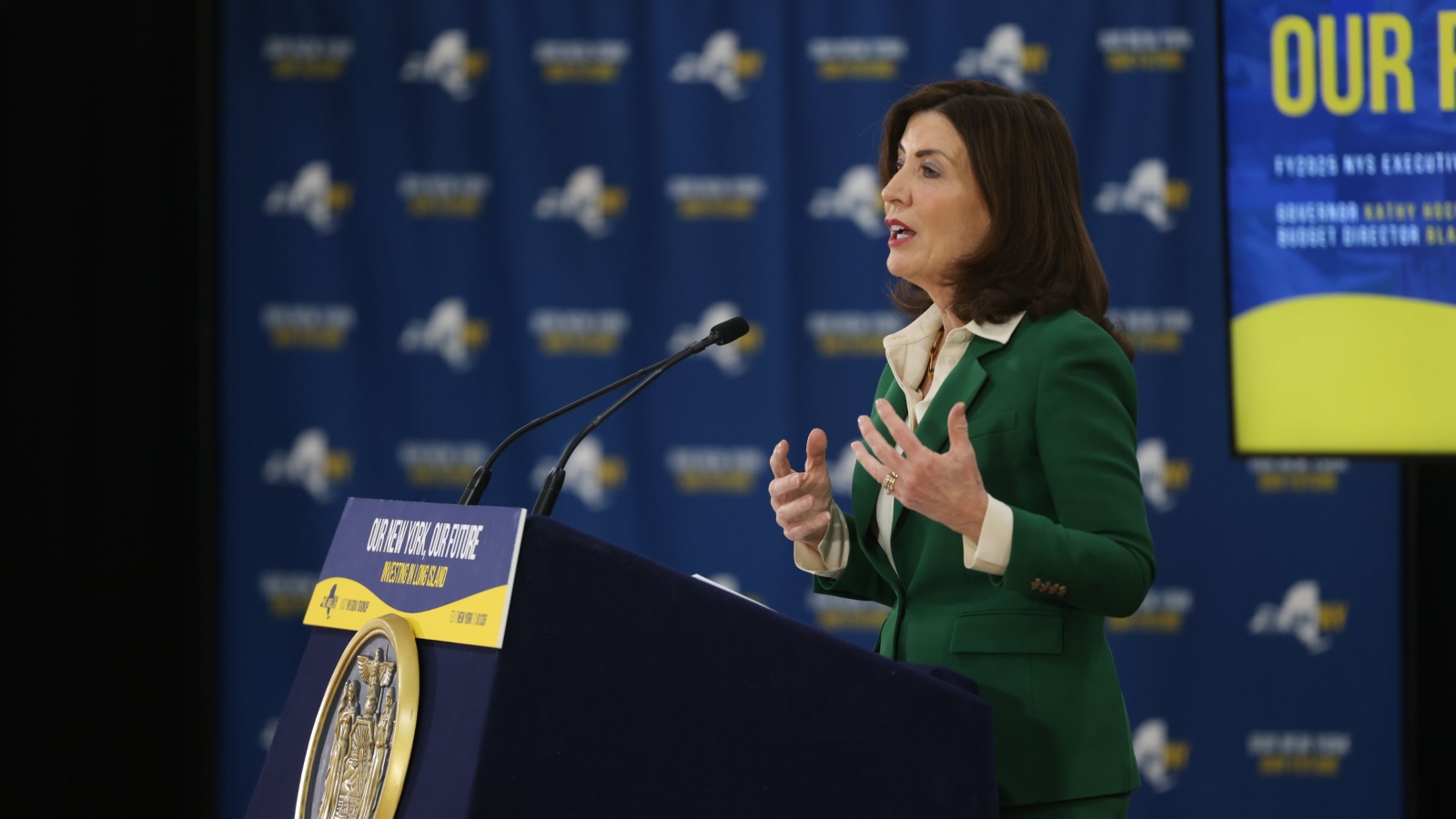
In a move that marks a significant shift in the intersection of technology infrastructure and environmental policy, New York Governor Kathy Hochul issued an executive order on Tuesday establishing a one-year moratorium on the construction of large-scale, "hyperscale" data centers across the state. This directive makes New York the first state in the nation to implement a comprehensive pause on such facilities, highlighting a growing tension between the rapid expansion of artificial intelligence and the physical limitations of the American energy grid.
The executive order, effective immediately, halts the issuance of new permits for data centers exceeding specific energy consumption thresholds for a period of twelve months. Governor Hochul cited the urgent need to protect the state’s utility ratepayers and ensure the long-term reliability of the electrical grid as the primary drivers behind the decision. The move comes at a time when the tech industry is pouring billions of dollars into New York and other states to satisfy the voracious computing appetites of generative AI models, which require exponentially more power than traditional cloud storage or search engine operations.
A Growing Conflict Between AI Growth and Energy Constraints
The surge in data center development has been fueled by a global arms race in artificial intelligence. Major tech conglomerates, including Microsoft, Google, Meta, and Amazon, have been scouting locations with access to high-voltage transmission lines and abundant water for cooling. However, the sheer scale of these projects has begun to outpace the capacity of local and state infrastructures to support them.
"As data center development threatens to hike up utility bills, deplete our natural resources, and create uncertainty for New Yorkers, it’s my responsibility to take action and lead," Governor Hochul stated in an official release. Her administration expressed concern that the rapid influx of high-demand facilities could force costly grid upgrades, the burden of which would fall on residential and small-business taxpayers rather than the multi-billion-dollar corporations building the centers.
According to data from the International Energy Agency (IEA), data centers currently account for approximately 1% to 1.5% of global electricity use. However, with the integration of AI, that number is projected to climb significantly. A single query to an AI-driven chatbot can consume up to ten times the electricity of a standard Google search. In New York, where the state is also pursuing an aggressive transition to renewable energy under the Climate Leadership and Community Protection Act (CLCPA), the addition of massive new "baseload" energy consumers presents a mathematical challenge for state planners.
The Scope of the Executive Order and Agency Directives
The one-year moratorium is not merely a pause but a period of intensive study and regulatory recalibration. Governor Hochul has directed the New York State Department of Public Service (DPS) to lead a comprehensive environmental and economic analysis of the industry’s footprint.
The DPS is tasked with investigating the following areas:
- Grid Impact Analysis: Determining the specific stress points on the state’s high-voltage transmission system caused by hyperscale facilities.
- Ratepayer Protection: Developing a new pricing structure that would require data centers to pay a premium for their energy consumption or, alternatively, mandate that they supply their own power through dedicated off-grid renewable sources.
- Environmental Review: Assessing the impact of "once-through" cooling systems on local water tables and the carbon footprint of these facilities relative to the state’s 2030 and 2040 decarbonization goals.
Furthermore, the Governor has instructed the state’s economic development agency, Empire State Development (ESD), to create a standardized framework for local municipalities. This framework is intended to empower local communities to negotiate more effectively with tech giants. The state’s vision includes requiring tech companies to invest in "social infrastructure," such as childcare facilities, direct financial support for local schools, and the adherence to strict labor and wage standards for construction and maintenance staff.
Chronology of the Data Center Debate in New York
The road to this moratorium has been marked by increasing friction between the tech sector and state legislators.
- April 2024: Maine Governor Janet Mills, a Democrat, vetoed a similar statewide moratorium proposal, arguing that it would send a negative signal to the business community and stifle innovation. Her veto momentarily stalled the momentum for statewide bans in the Northeast.
- June 2024: The New York State Legislature passed a more permanent and extensive data center moratorium bill (S10642). This bill sought a longer pause and more stringent restrictions than the Governor’s eventual executive order.
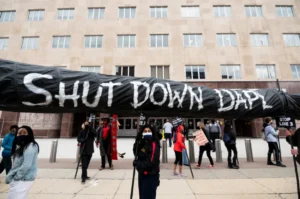
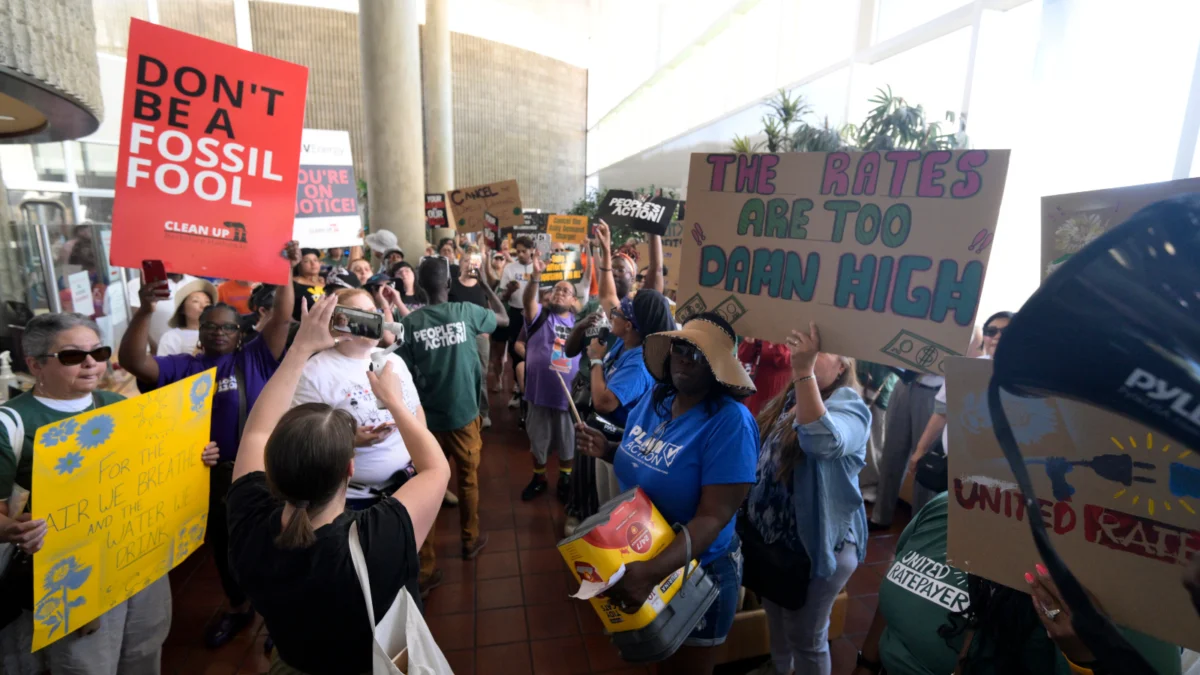
- Late 2024 – Early 2025: Local protests intensified in Upstate New York, particularly in regions where old industrial sites were being converted into data centers. Residents expressed concern over rising electricity prices and the lack of long-term job creation once construction phases were completed.
- July 14, 2026: Governor Hochul issues the executive order, opting for a middle-ground approach that allows for a one-year study period while she considers whether to sign the more aggressive legislative bill still sitting on her desk.
Financial Implications and the Repeal of Tax Exemptions
A pivotal component of the Governor’s announcement involves a call to repeal the state’s existing sales tax exemptions for large-scale data centers. For years, New York, like many other states, offered lucrative tax incentives to lure tech companies, under the assumption that these centers would be engines of economic growth.
However, critics have argued that the return on investment for the state is minimal. While data centers provide a temporary boost during the construction phase, they are notoriously automated and employ relatively few permanent staff compared to their physical footprint and energy usage. By calling for the repeal of these exemptions, Hochul is signaling that the era of "unconditional welcome" for big tech in New York is over.
The Governor also announced the creation of a "Grid Infrastructure Fund." This fund would require data center developers to pay into a state-managed pool of capital dedicated to upgrading the electrical grid and expanding New York’s supply of clean energy, such as offshore wind and solar.
Industry and Advocacy Reactions
The reaction to the moratorium has been polarized. Environmental advocacy groups and consumer watchdog organizations have largely praised the move. "For too long, we have allowed the tech industry to treat our public utilities as a bottomless resource," said a spokesperson for the New York Public Interest Research Group (NYPIRG). "This moratorium ensures that New Yorkers aren’t subsidizing the profit margins of Silicon Valley through their monthly electric bills."
Conversely, industry trade groups have expressed concern that the moratorium will drive investment to neighboring states or to "data center hubs" like Northern Virginia, which currently houses the highest concentration of such facilities in the world. Tech advocates argue that New York’s climate goals are actually dependent on the advanced computing power that these centers provide, which are used to model climate change and optimize energy distribution.
Broader Impact and the National Precedent
New York’s decision is likely to reverberate across the United States. As more states grapple with the "AI power surge," the New York model of a statewide pause combined with a "pay-to-play" energy framework may become a blueprint for other governors.
In Northern Virginia’s "Data Center Alley," local officials have already begun implementing stricter zoning laws and noise ordinances in response to resident complaints. In Oregon and Arizona, concerns over the massive water consumption required to cool server racks have led to similar local restrictions. New York, however, is the first to take this battle to the state level with a comprehensive executive mandate.
The outcome of the DPS study over the next year will likely determine the future of the industry in the Empire State. If the state determines that the grid cannot support the current trajectory of growth without compromising reliability for residents, the one-year pause could evolve into a permanent, highly regulated permitting process.
As the "Golden Age of Artificial Intelligence" meets the physical realities of aging infrastructure and climate change, New York’s moratorium serves as a landmark moment in the regulation of the digital economy. The next twelve months will be a critical test of whether a state can balance its ambitions to be a global tech hub with its fundamental obligation to protect the resources and wallets of its citizens.