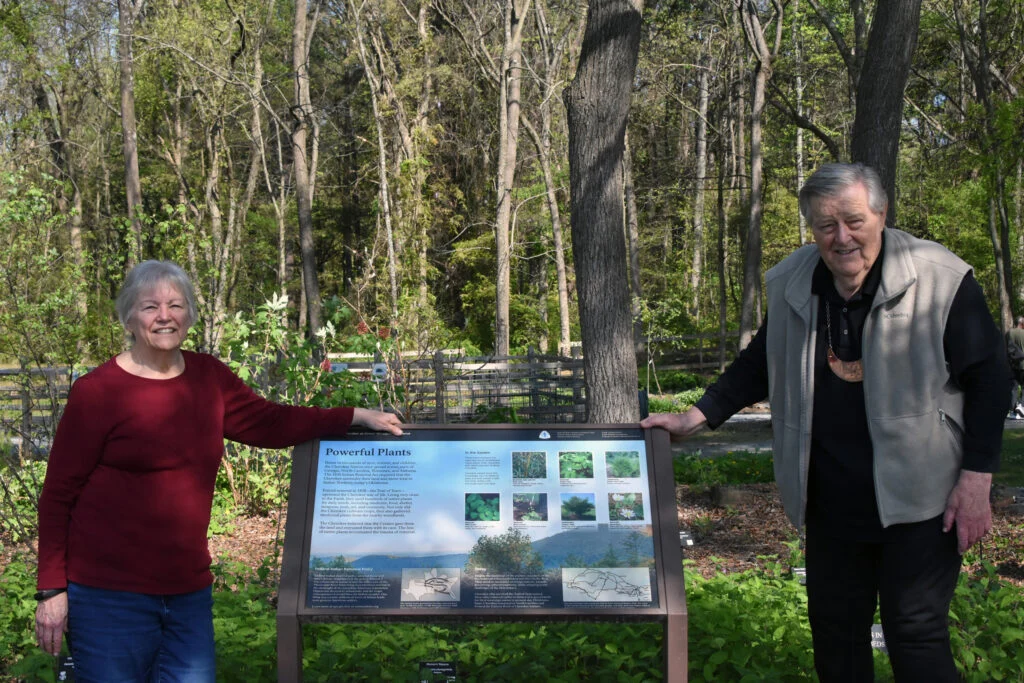
Under the dappled sunlight of the Cherokee Garden at the Green Meadows Preserve near Atlanta, Tony Harris pauses beside a slender sapling. In several years, this Sweetbay magnolia will produce creamy, fragrant white blossoms, a hallmark of the Georgia landscape that has existed since long before the arrival of European settlers. For Harris, a Cherokee elder and prominent member of the Georgia Cherokee Community Alliance, this tree represents more than just botanical beauty; it is a living vessel of history, medicine, and cultural identity. As the founder and manager of the garden, Harris has spent years cultivating native species that hold ancestral significance, but his recent efforts have centered on a broader goal: correcting a century-old botanical and historical error that sits at the very heart of Georgia’s state identity.
For over 100 years, the Cherokee rose (Rosa laevigata) has served as the official state flower of Georgia. Adopted in 1916, the flower is ubiquitous in the state’s iconography, appearing on everything from official documents to commemorative ornaments. However, the plant is not native to Georgia, nor does it have the deep ancestral ties to the Cherokee people that its name suggests. Instead, the Cherokee rose is an invasive species native to East Asia, and its elevation to a state symbol is the result of a complex tapestry of colonial trade, plantation-era land management, and a romanticized legend that many Indigenous leaders say obscures the brutal reality of the Trail of Tears.
The Botanical Origins of a Misnomer
The journey of the Cherokee rose from the mountains of China to the gardens of Georgia began long before it was ever associated with the state’s identity. Botanists believe the plant likely arrived in the American South during the mid-18th century, transported along maritime trade routes that linked the British colonies with East Asia. By the time the French botanist André Michaux traveled through Georgia in the late 1700s, he encountered the white, five-petaled rose growing vigorously along the riverbanks and hillsides.
Michaux, misled by the plant’s abundance and its apparent integration into the landscape, recorded the species in western scientific literature as Rosa laevigata, or the "polished rose." Because he found it growing in the northern regions of Georgia—territory then held by the Cherokee Nation—the name "Cherokee rose" began to circulate among European settlers.
By 1821, however, early American scientists were already questioning the plant’s origins. Stephen Elliott, a renowned botanist and banker often referred to as the "Planting Prelate," noted in his writings that while the rose was widely cultivated in Georgia, its true source remained obscure. Decades later, the mystery was solved by Asa Gray, the "father of American botany," who confirmed through comparative studies that the species was identical to roses indigenous to China and Japan. Modern genetic analysis has since solidified this finding, placing the Cherokee rose firmly in the category of introduced, and eventually invasive, species.
The 1916 Resolution and the Creation of a Legend
Despite the growing scientific consensus that the rose was a foreign introduction, Georgia lawmakers moved to formalize its status in the early 20th century. In 1916, the Georgia General Assembly passed a resolution officially designating the Cherokee rose as the state flower. The resolution explicitly stated that the plant "had its origin among the aborigines of the northern portion of the State of Georgia" and was "indigenous to its soil."
This designation was not merely a botanical error; it was a cultural one. During this era, many Southern states were adopting symbols to foster a sense of regional pride and identity. In Georgia, the adoption of the rose was accompanied by a poignant, if historically inaccurate, legend. According to the folklore, the white roses began to grow along the path of the Trail of Tears in 1838 and 1839. The story claimed that the white petals represented the tears of Cherokee mothers who were forced to leave their homes, while the gold center symbolized the gold that was discovered on Cherokee land, prompting their removal. The seven petals of the rose—though the actual plant typically has only five—were said to represent the seven clans of the Cherokee people.
Tony Harris refers to this narrative as the "Hollywoodification" of Indigenous history. "They didn’t have Cherokee roses with them during the Trail of Tears," Harris explained. "They were lucky to have the clothes on their backs and a few vegetable seeds. This story was created by the people who took the land, not the people who were forced off it."
A Tool of the Plantation Landscape
Beyond the myth, the Cherokee rose served a very practical and often dark role in the development of the antebellum South. Because of its rapid growth and formidable, hooked thorns, the rose was a favored plant for creating "living fences" or hedges on large plantations.
Before the invention of barbed wire, wealthy landowners—including Stephen Elliott himself—used the Cherokee rose to mark property lines, corral livestock, and delineate the boundaries of vast estates. These hedges were often planted and meticulously maintained by enslaved laborers. The rose became a symbol of the "Old South" aesthetic, praised by columnists in the early 20th century as being "intertwined with the romance" of the plantation era.
For historians like Andrew Denson, a professor of Cherokee history at Western Carolina University, the adoption of the rose as a state symbol represents a common pattern in settler-colonial societies. "Settlers and their descendants often engage with Native American history to deepen their sense of place," Denson said. "But in doing so, they often create romanticized stories that push Native people into the past. It becomes a way of honoring a ‘disappearing’ people while ignoring the actual living priorities of Indigenous communities today."
Ecological Consequences and the Invasive Reality
While the historical and cultural debates surrounding the Cherokee rose are significant, there is also a pressing ecological concern. The Georgia Department of Natural Resources and various native plant societies have long classified Rosa laevigata as an invasive species.
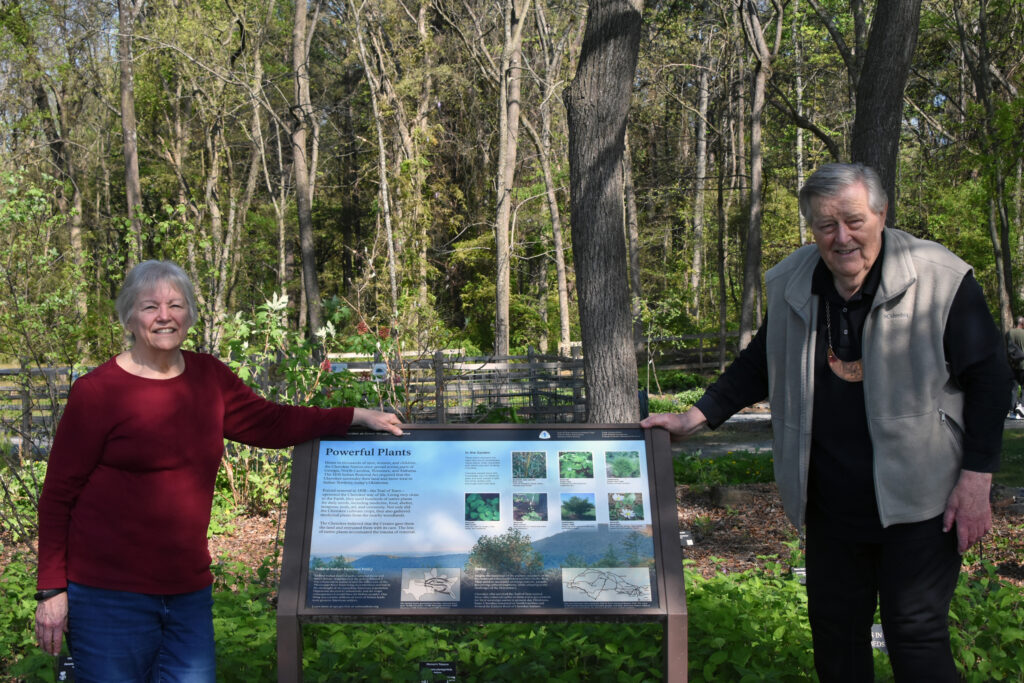
As a vigorous climber, the rose can grow up to 20 feet in a single season, its dense thickets smothering native vegetation and disrupting local ecosystems. It is particularly problematic in the coastal plain and Piedmont regions of Georgia, where it competes with native shrubs and prevents the regeneration of native forest species.
"Georgia is one of the most biodiverse regions in the world," said State Representative Deborah Silcox, a Republican who has spearheaded legislative efforts to change the state flower. "We have an incredible array of native flora that truly represents the natural heritage of our state. It is a contradiction to have an invasive species from Asia representing the ‘Empire State of the South.’"
The Push for the Sweetbay Magnolia
For the past two legislative sessions, Representative Silcox has sponsored bills to replace the Cherokee rose with the Sweetbay magnolia (Magnolia virginiana). Unlike the rose, the Sweetbay magnolia is native to the entire Atlantic and Gulf Coastal Plain, extending into the Georgia Piedmont.
The choice of the Sweetbay magnolia is intentional. The plant has deep roots in Cherokee ethnobotany; its bark and leaves were traditionally used for various medicinal purposes, including treating fevers and skin ailments. Furthermore, its fragrant white blooms offer a similar aesthetic appeal to the current state flower without the baggage of invasive growth or fabricated folklore.
Despite the support of botanical experts, environmental groups, and Indigenous leaders like Tony Harris, the legislation has faced hurdles. In both the 2023 and 2024 legislative sessions, the bill failed to reach a final vote in the Georgia Senate. Opponents of the change often cite tradition, arguing that the Cherokee rose has been the state symbol for over a century and that changing it would be an unnecessary erasure of established state history.
Broader Implications: Symbols and Sovereignty
The debate in Georgia mirrors similar movements across the United States where states are re-evaluating their symbols, flags, and monuments. From the redesign of the Mississippi state flag to the removal of statues, these efforts reflect a growing public desire for symbols that are both factually accurate and inclusive of the diverse histories of their residents.
For the Cherokee people, the issue is one of intellectual and cultural sovereignty. By continuing to use a non-native plant as a tribute to the Cherokee, the state of Georgia maintains a narrative that was constructed without the input of the people it claims to honor.
"Every plant has a story and a lesson to tell," Harris said, looking over the volunteers working in the Cherokee Garden. "When we use the wrong plant to tell a story, we lose the lesson. We lose the truth of what happened on this land."
The Georgia Cherokee Community Alliance continues to advocate for the change, viewing it as a small but significant step toward reconciliation. They argue that a state flower should be a source of unity and ecological pride, not a reminder of colonization and botanical misinformation.
Future Outlook
As the 2025 legislative session approaches, proponents of the Sweetbay magnolia are refining their strategy. They are focusing on educational outreach, helping Georgians understand the difference between native and invasive species and the importance of ecological stewardship.
The Sweetbay magnolia is already becoming more common in Georgia’s urban landscapes, as nurseries and home gardeners increasingly favor native plants that support local pollinators and wildlife. This "bottom-up" shift in the landscape may eventually provide the political momentum needed to see the change reflected in the state code.
In the meantime, Tony Harris will continue to tend his garden. The Sweetbay magnolia saplings there are growing taller each year, their roots reaching deep into the Georgia soil. For Harris, these trees are the "right" story—a story of resilience, native beauty, and a culture that remains vibrantly alive, regardless of the symbols chosen by the state. "The truth is in the earth," he said. "You just have to be willing to look at what’s actually growing there."