As the United States stands on the precipice of the 2026 midterm elections, the political landscape is charged with intense partisan friction, high-profile legal showdowns, and a massive early voter turnout that signals a potential historic shift in congressional power. With control of both the House of Representatives and the Senate hanging in the balance, political figures from the White House down to local battlegrounds made their final, frantic pitches to voters on Monday. President Donald Trump, who spent the final weekend rallying base supporters in critical states like Iowa and Kansas, announced he will monitor election results directly from the White House, while his administration fights a series of last-minute legal battles across the country.
The stakes could not be higher. According to tracking data from the University of Florida Election Lab, over 57 million Americans have already cast their ballots ahead of Tuesday, comfortably surpassing the nearly 46 million early voters from the 2022 midterm cycle. This surge includes nearly 32 million in-person early voters and more than 25 million mail-in ballots, underscoring an engaged electorate driven by economic concerns, immigration policy debates, and fierce partisan divisions.
The Supreme Court Denies Administration’s Mail-In Ballot Bid
In the judicial arena, the Supreme Court delivered a swift rejection on Monday to a last-minute emergency request from the Trump administration. The Justice Department had petitioned the high court to force California election officials to separate mail-in ballots received from approximately 20,000 individuals whom the federal government claims are not U.S. citizens.
In a one-line, unsigned order with no noted dissents, the Supreme Court turned down the request for an injunction. Solicitor General D. John Sauer had argued in court filings that a "modest remedy" was necessary to prevent valid votes from being diluted, noting that once challenged ballots are commingled with lawful ones, they cannot be retrieved. However, federal appeals courts and ultimately the Supreme Court left California’s certification procedures intact, marking a significant legal hurdle for the administration’s election integrity initiatives.
A similar legal drama played out in Alaska, where a federal judge threw out a Justice Department lawsuit seeking to block the certification of the state’s Senate race if Republican incumbent Senator Dan Sullivan loses. U.S. District Judge Sharon L. Gleason ruled on Sunday that the DOJ lacked proper legal standing to challenge the ballot layout, though the administration quickly filed a notice of appeal.
Michigan Senate Race Upended by Intra-Party Defection
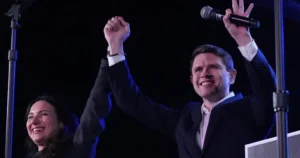
While federal courts weighed voting procedures, the political map was seismically disrupted by an unexpected endorsement in Michigan’s pivotal Senate race. Democratic Representative Haley Stevens publicly threw her support behind Republican nominee Mike Rogers, turning her back on her party’s candidate, progressive Abdul El-Sayed.
The move sent shockwaves through the Democratic establishment. Senate Minority Leader Chuck Schumer denounced the endorsement as a "despicable act," while House Speaker Emerita Nancy Pelosi accused Stevens of betraying Michigan families. Despite the backlash, Stevens defended her decision in interviews on CNN and CBS News’ "The Takeout," citing deep discomfort with extremist rhetoric and controversies surrounding El-Sayed’s campaign alliances.
The fallout, however, has paradoxically energized certain donor networks. El-Sayed’s campaign confirmed it raised a single-day record of over $2.4 million on Sunday following the announcement. Meanwhile, Vice President JD Vance seized on the fracture during campaign appearances, asserting that Stevens’ endorsement grants moderate voters "permission" to cross party lines and support the Republican ticket.
Texas Transformations and the "Hispanic Hurricane"
In Texas, traditionally a stronghold for the Republican Party, Democrats are eyeing potential breakthroughs across multiple competitive Senate, House, and gubernatorial contests. Economic anxieties and widespread frustration with federal immigration enforcement—particularly aggressive Immigration and Customs Enforcement (ICE) operations near the border—have energized Hispanic communities that previously swung toward Republican candidates in prior election cycles.
Democratic strategist and political contributor Chuck Rocha characterized the shifting momentum as a "Hispanic hurricane" washing ashore against Republican incumbents. In competitive regions like Texas’ 15th Congressional District, both Democratic challenger Bobby Pulido and incumbent Republican Representative Monica De La Cruz have voiced sharp concerns over the economic and social fallout of heavy-handed immigration crackdowns, urging the federal government to pivot toward addressing border cartels rather than disrupting working-class families.
Despite these warning signs, high-ranking Republicans remain mobilized. During an event for Texas Senate candidate Ken Paxton, Senator Ted Cruz warned supporters of the very real possibility of a Democratic sweep if conservative turnout flags. "If the election were today, it would be ugly," Cruz warned, urging fractured factions within the state party to set aside their primary grievances and head to the polls.
Final Closing Arguments and Presidential Messaging
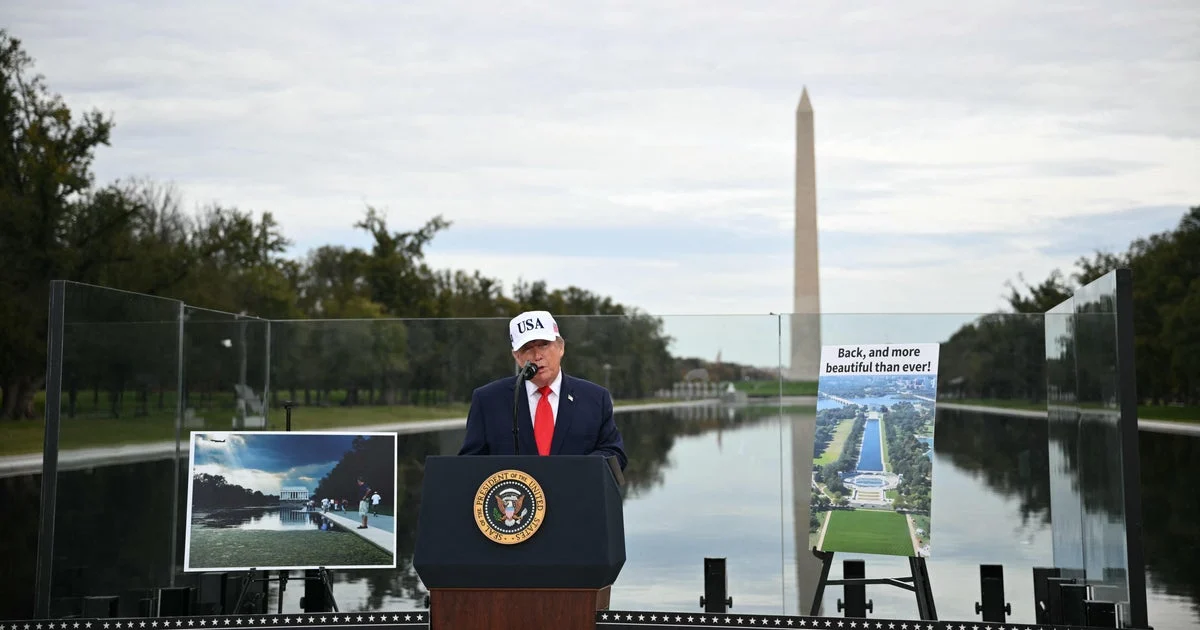
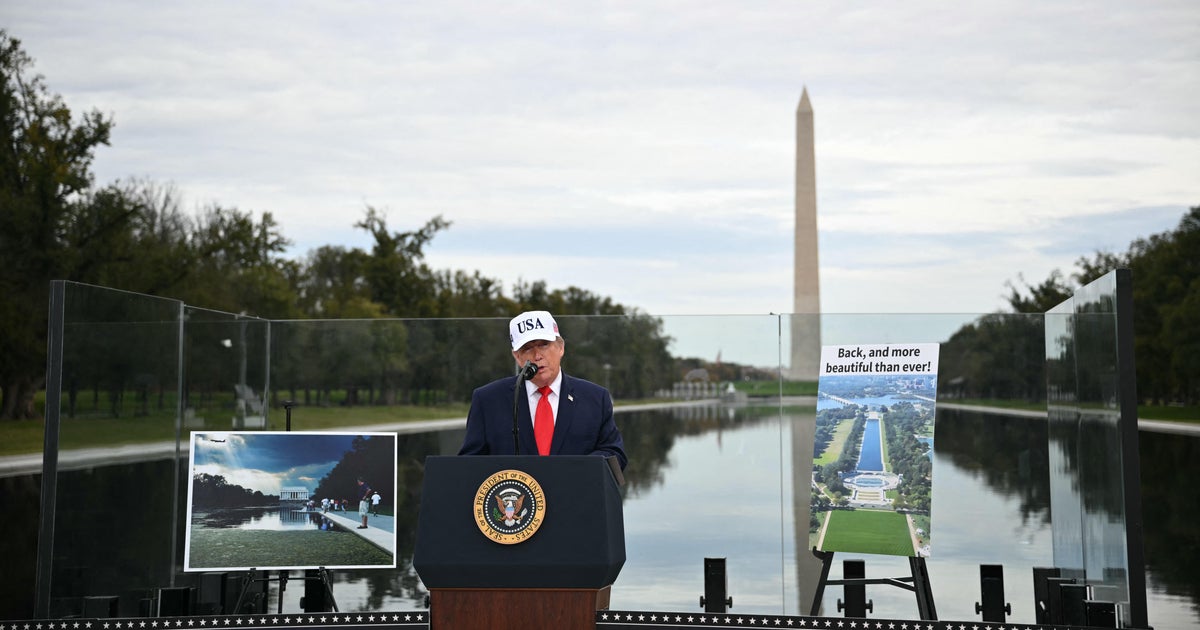
President Trump spent the final stretch of the campaign cycle driving home his administration’s economic message. Speaking to reporters from the newly renovated Lincoln Memorial Reflecting Pool in Washington, D.C., Trump highlighted infrastructure and wealth creation during his second term, pointing to trillions of dollars generated through tariff policies.
In a late-night appearance scheduled on Fox News with Sean Hannity, Trump framed the election as the definitive referendum on what he termed the "Golden Age of America." Earlier in media interviews, the president reflected on his extensive campaign schedule—which included rallies in Kansas and Iowa over the weekend—noting that he had never worked a midterm cycle quite as aggressively.
Meanwhile, Vice President JD Vance crisscrossed the country, campaigning for vulnerable Republican congressional candidates in upstate New York and the Midwest. Vance sought to tie Democratic opponents directly to the Biden administration’s legacy, attempting to galvanize conservative turnout in districts historically leaning toward the center.
Implications and Outlook for Control of Congress
The outcomes of Tuesday’s elections will dictate the balance of power in Washington for the remainder of the presidential term. In the House of Representatives, CBS News battleground models indicate that Democrats have a clear pathway to reclaim a narrow majority, though Republicans retain viable paths to defense across 47 targeted seats. Currently, the House operates on a razor-thin Republican majority of 218 seats to 214, alongside a handful of vacancies.
In the Senate, control hinges tightly on a dozen hyper-competitive races spanning states such as Michigan, Texas, Iowa, Maine, North Carolina, and Ohio. Republicans currently maintain a 53-47 advantage, but surging early voting numbers, local economic grievances, and late-breaking controversies leave the final composition of the upper chamber entirely unpredictable.
As polling stations prepare to open nationwide, both parties brace for what is projected to be one of the most consequential and fiercely contested midterm elections in modern American history.