Kith, the New York-founded lifestyle brand and retailer renowned for its coveted collaborations and streetwear dominance, has officially entered a new era of sartorial distinction. Long celebrated for its inclusive approach to urban apparel, the brand has historically offered curated selections for women alongside its massive men’s catalog. However, following a monumental watershed moment—highlighted by a high-profile collaborative capsule with Blackpink superstar Lisa—Kith is fundamentally restructuring its seasonal presentations. The brand is now evolving to present distinct, standalone men’s and women’s collections. Despite this structural division, the latest seasonal showcase proved that the brand’s creative director maintains a powerful, cohesive dialogue between the two categories, establishing a unified aesthetic vision while catering more specifically to the nuanced demands of each demographic.
The evolution of Kith from a hyper-localized sneaker boutique in Brooklyn and Manhattan into a global lifestyle titan provides essential context for this strategic pivot. Founded by Ronnie Fieg in 2011, Kith initially carved out a niche at the intersection of footwear culture and premium sportswear. Over the past decade, the label has methodically expanded its footprint, opening flagship locations in major cultural capitals including Tokyo, Paris, London, and Miami, while orchestrating blockbuster partnerships with heritage houses such as Versace, Calvin Klein, and BMW.
As the brand’s consumer base diversified globally, internal market research and shifting consumer habits highlighted a growing demand for specialized, dedicated womenswear. While Kith’s early womenswear offerings often leaned into unisex scaling or scaled-down versions of men’s silhouettes, the modern female consumer requires garments engineered specifically for her frame, lifestyle, and aesthetic preferences. The recent partnership with Blackpink’s Lisa served as a powerful catalyst for this transformation, drawing unprecedented international attention to Kith’s womenswear capabilities and proving that the brand could command the highest echelons of global pop-culture influence. By splitting the lines into discrete men’s and women’s collections, Kith is acknowledging the maturity of its female consumer base while retaining the streetwear pedigree that built the empire.
The Runway Showcase: Anatomy of the Comfy-Chic Aesthetic
The debut of this newly structured womenswear collection established a distinct vocabulary for the season, anchored heavily in a "comfy chic" ethos. Rather than abandoning comfort for the sake of high fashion, the collection demonstrated that luxurious textures and relaxed silhouettes can coexist seamlessly within a modern wardrobe.
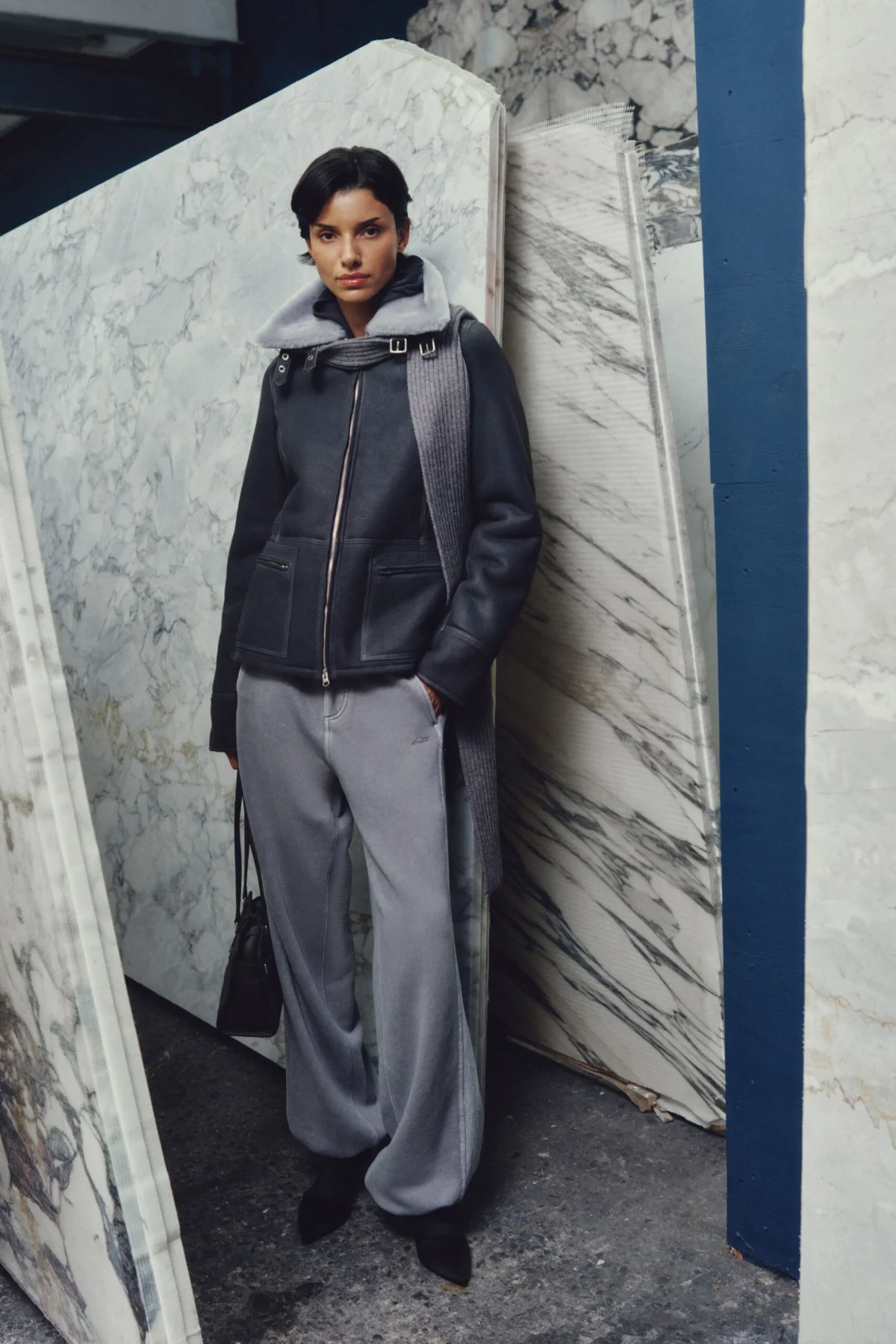
One of the strongest and most recurring throughlines across both the men’s and women’s presentations was the strategic deployment of faux fur. Designers utilized plush, cruelty-free materials to trim sophisticated knitwear, robust bomber jackets, and utilitarian vests, offering an instant tactile upgrade to cold-weather essentials. This commitment to tactile luxury set the definitive tone for the season, appealing to consumers who prioritize sensory comfort without sacrificing visual impact.
The collection excelled in versatility, heavily emphasizing multifunctional, layerable pieces designed for the dynamic lifestyles of contemporary urbanites. Standout items included an innovative hoodie featuring detachable scarves, allowing the wearer to adapt their outerwear to fluctuating temperatures or styling preferences. Similarly, a rich brown knit top incorporated a built-in tied wrap around the waist, offering built-in architectural interest that eliminated the need for extraneous accessories. For off-duty days, a casual second-skin hoodie paired with matching palazzo-like pants delivered an elevated take on loungewear, looking simultaneously cozy and meticulously tailored.
Color theory played a vital role in injecting seasonal energy into the lineup. A pumpkin orange mock-necked zip-up, lined with plush fleece, emerged as a standout piece capable of bringing vibrancy and warmth to holiday outings and festive winter gatherings. Conversely, for consumers seeking a sharper, more assertive aesthetic, the collection featured a sleek black ponyhair biker jacket that added an undeniable dash of downtown edge to the proceedings.
Academic Inspirations and the Evolution of Modern Tailoring
The collection also leaned into scholastic and professional archetypes, reinterpreting them through a contemporary, subversive lens. School-girl pleated skirts, paired with matching oversized knits, introduced a touch of vampy academia to the runway. This youthful nostalgia was counterbalanced by sharp, precise tailoring that nodded to the ongoing cultural fascination with workplace aesthetics.
The "office siren" archetype remains a powerful force in contemporary fashion, and Kith addressed this trend through micro-tailoring. The collection featured daringly short shorts and ultra-mini suit skirts, challenging traditional corporate dress codes while maintaining an air of high-fashion authority. For those preferring a more subdued approach, the brand also offered a sober gray suited set. True to the collection’s overarching theme of functional accessories, this gray suit was paired with its own matching scarf, creating a cohesive, monochromatic look that bridged the gap between professional polish and seasonal practicality.
Industry analysts tracking the brand’s trajectory have noted that this dual approach—balancing provocative micro-silhouettes with classic, sober tailoring—allows Kith to capture multiple consumer segments simultaneously. Younger, trend-driven buyers drawn to viral aesthetics find satisfaction in the micro-minis and statement outerwear, while more traditional luxury shoppers can invest in the versatile knitwear and tailored sets.
Chronology of Kith’s Womenswear Expansion
To understand the weight of this current evolution, one must examine the chronological milestones that paved the way for Kith’s gender-distinct collections:
- 2011: Ronnie Fieg opens the first Kith location in Brooklyn, focusing primarily on footwear and limited-edition men’s streetwear collaborations.
- 2015: Kith introduces its initial women’s capsule collections, largely consisting of unisex apparel and scaled-down menswear staples.
- 2018–2020: The brand opens international flagships in Paris and Tokyo, accompanied by dedicated spaces for women’s footwear and apparel, signaling a growing commitment to female consumers.
- 2022: Kith formalizes its womenswear design division, hiring specialized talent to build independent collections rather than derivative secondary lines.
- 2023: The brand launches high-profile lifestyle campaigns featuring prominent female cultural figures, significantly boosting its female demographic market share.
- Early 2024: The landmark collaboration with Blackpink’s Lisa debuts globally, shattering previous sales records and cementing Kith’s status as a major player in women’s luxury streetwear.
- Present: Kith officially institutes distinct, standalone men’s and women’s runway collections, maintaining a creative dialogue between the two while catering specifically to separate customer bases.
Market Analysis and Economic Implications
The decision to separate men’s and women’s collections is not merely an aesthetic choice; it is a calculated financial strategy backed by current retail data. According to recent reports from global luxury market analysts, the women’s streetwear and elevated casualwear sectors have experienced exponential growth, outpacing traditional menswear in certain key demographics. Female consumers are increasingly driving sneaker culture, luxury collaborations, and high-end streetwear acquisitions.
By establishing a distinct identity for its women’s line, Kith is positioning itself to capture a larger share of the female luxury market, which has traditionally been dominated by legacy European fashion houses. Furthermore, operating independent collections allows the brand to secure dedicated retail space in high-end department stores and secure targeted wholesale partnerships that previously viewed Kith primarily as a men’s destination.
Financial analysts point out that this structural shift will likely yield higher average order values (AOV) and improved customer lifetime value (LTV) metrics for the brand’s e-commerce platform. When consumers are presented with fully realized, cohesive collections rather than supplementary capsules, they are more likely to purchase complete looks—such as pairing the aforementioned gray suited set with its matching scarf, or combining the second-skin hoodie with the palazzo pants.
Official Responses and Industry Perspectives
While Kith’s executive team has maintained a measured approach regarding the exact operational details of the split, industry insiders and retail experts have been vocal in their assessment of the move.
"Kith has spent over a decade building equity in the men’s streetwear space, but the smartest brands recognize when their audience expands," notes Sarah Jenkins, a senior retail analyst based in New York. "The Lisa collaboration was a massive turning point. It signaled to the market that Kith’s aesthetic authority among women is equal to, if not greater than, its influence among men. Giving the womenswear line its own distinct runway identity is the logical next step in institutionalizing that success."
Creative director Ronnie Fieg has frequently emphasized in interviews that Kith’s evolution is driven by organic community feedback rather than rigid corporate planning. The brand’s ability to listen to its customer base—incorporating feedback regarding fit, functionality, and styling preferences—has been the cornerstone of its longevity. The inclusion of practical yet stylish elements, such as detachable scarves on hoodies and built-in waist wraps on knit tops, underscores a deep understanding of what modern consumers demand from their wardrobe investments: utility paired with high-end execution.
Broader Impact on the Streetwear and Luxury Landscape
Kith’s transition mirrors a broader industry-wide reckoning. For years, the streetwear genre was dominated by an inherently male-centric design philosophy, often treating womenswear as an afterthought or a simple matter of "shrink it and pink it." As female consumers claim a larger stake in sneaker culture, collectible drops, and premium casualwear, brands that fail to offer dedicated, thoughtfully engineered collections risk losing relevance.
By successfully bridging the gap between cozy-chic comfort and sharp, contemporary tailoring, Kith has demonstrated how legacy streetwear brands can mature alongside their audience. The integration of tactile elements like faux fur, ponyhair, and heavy knits alongside technical innovations like modular outerwear ensures that the brand remains at the cutting edge of seasonal trends.
As these distinct men’s and women’s collections roll out globally across Kith’s flagship stores and digital platforms, all eyes will be on how the market responds. If the enthusiastic reception of the recent runway presentation is any indicator, Kith’s strategic evolution will serve as a masterclass in brand expansion, proving that true creative growth requires honoring a brand’s roots while boldly embracing new horizons.