The political landscape of Texas and the broader American Southwest is undergoing a dramatic recalibration as the 2026 midterm elections approach. Just two years after President Donald Trump achieved historic milestones with Hispanic voters nationwide—securing a majority of Texas Latinos and fundamentally altering conventional wisdom regarding the state’s electoral competitiveness—recent polling and early voting data suggest a sharp pendulum swing. Driven by compounding anxieties over the cost of living, persistent inflation, and aggressive federal immigration enforcement, Latino voters appear to be reconsidering their political allegiances, providing an opening for Democratic candidates in marquee Senate, House, and gubernatorial races across the Lone Star State.
This evolving dynamic highlights a broader trend: rather than signaling a permanent partisan realignment, the shifting preferences of Hispanic Americans increasingly point toward a "dealignment." This phenomenon demonstrates that a crucial voting bloc is willing to fluidly cross party lines based on economic performance, governance, and community impact. As both political parties pour unprecedented resources into culturally targeted outreach—ranging from Spanish-language World Cup sponsorships to digital influencer campaigns—the ultimate outcome of the 2026 midterms in Texas could send shockwaves well beyond state borders, influencing competitive congressional districts in California, Arizona, Florida, and Pennsylvania.
A Historical Shift and Rapid Reversion
To understand the weight of the current political moment, political analysts point to the rapid trajectory of Latino voting patterns over the past decade. According to comprehensive analyses of validated voters by the Pew Research Center, Donald Trump steadily expanded his share of the Hispanic electorate over three presidential cycles, capturing roughly 28% of the demographic in 2016, 36% in 2020, and leaping to an unprecedented 48% in 2024. This growth was even more pronounced among Hispanic men, a demographic that shifted dramatically toward the Republican Party over that timeframe.
In Texas, these national trends manifested most visibly in the Rio Grande Valley, where President Trump secured approximately 55% of the Hispanic vote in 2024. This performance effectively flipped traditionally blue border counties, such as Hidalgo and Cameron, into light red territory and encouraged state Republicans to pursue mid-decade redistricting maps designed to cement their congressional advantages.
However, public opinion metrics have shifted substantially since the beginning of the presidential term. By early October 2026, President Trump’s approval rating among Latino voters dropped to 24%, with only 57% of those who voted for him in 2024 expressing satisfaction with his job performance—a stark decline from the 93% approval recorded in February 2025. Concurrently, broader surveys indicate that roughly 51% of Latino voters nationwide plan to support Democratic House candidates, compared to just 24% leaning Republican.
The Economic and Immigration Pressures Driving the Electorate
The catalyst behind this apparent reversal involves a combination of economic strain and social unease. Democratic strategist and CBS News political contributor Chuck Rocha, who advises several prominent campaigns in Texas, describes the mood of the electorate as intensely focused on pocketbook issues.
"There’s a Hispanic hurricane coming," Rocha remarked, describing the wave of voter frustration. "We just don’t know quite yet if it’s going to be Category 2 or Category 5, but it’s washing ashore right in front of the GOP, and they don’t know what to do about it."
Rocha emphasizes that while conservative, moderate, and liberal Hispanic voters hold diverse views, they share a unified anxiety over rising prices, fuel costs, and overall household affordability. Compounding these economic worries are deep concerns regarding immigration enforcement. High-profile actions by Immigration and Customs Enforcement (ICE)—particularly in South Texas communities—have generated widespread unease, impacting industries reliant on immigrant labor, such as construction and agriculture, and alienating segments of the population who feel targeted by aggressive enforcement policies.
Democratic Texas Representative Joaquin Castro echoed these sentiments following visits to the Dilley and Karnes County Immigration Processing Centers in South Texas. Castro argued that the administration’s enforcement mechanisms have disproportionately affected Hispanic men, fostering a sense of grievance that transcends traditional partisan lines.
"They feel like they’ve been treated like they’re all criminals, and they’re pushing back," Castro said. "Grocery prices are high, gas prices are high, but there have been other difficult times, economic times in our nation, and we’ve not seen the same kind of surge of Hispanic voting that we’re seeing now."
High Stakes in Texas Statewide and Congressional Races
The impact of these shifting voter attitudes is acutely visible in Texas’s top-tier races. The state, which has not elected a Democrat to statewide office since 1994 or a U.S. Senator since 1988, is hosting fiercely contested battles for the Senate and governorship.
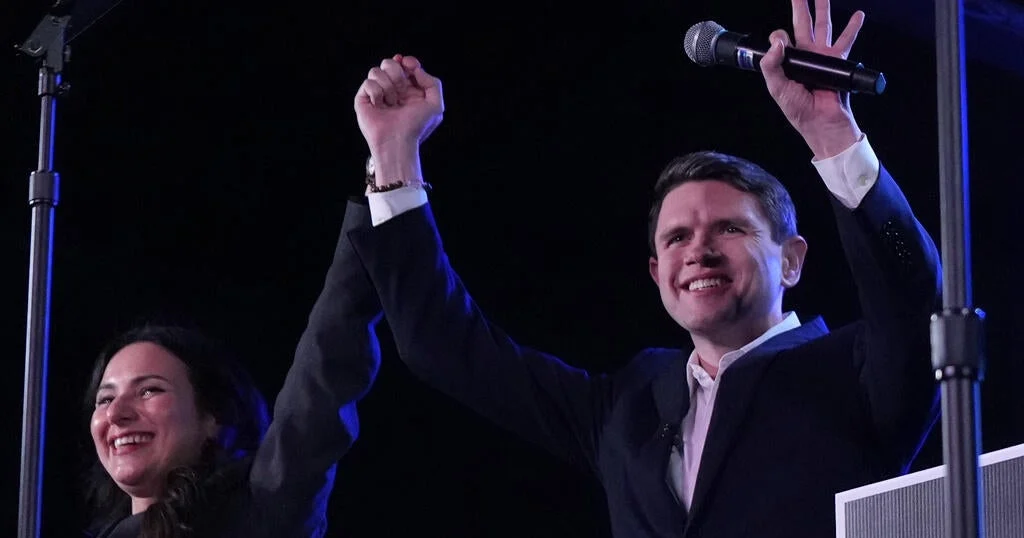
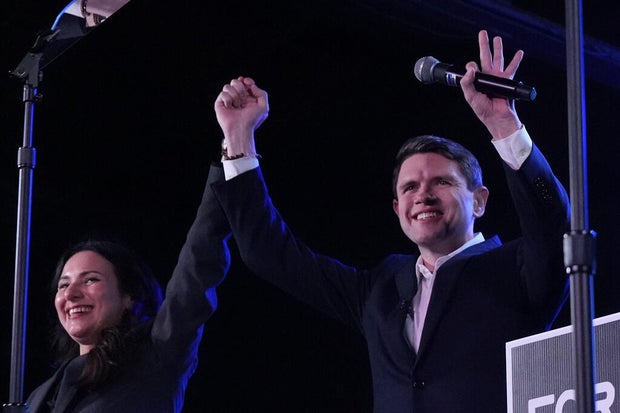
In a CBS News poll released in October, approximately six in 10 Hispanic voters indicated plans to support Democratic Senate candidate James Talarico over his Republican opponent, state Attorney General Ken Paxton. Democratic gubernatorial candidate Gina Hinojosa enjoyed a similarly wide margin among Hispanic respondents in her race against incumbent Republican Governor Greg Abbott.
Hinojosa argued that the initial appeal of the Republican platform stemmed from a shared populist frustration with institutional stagnation. "The reason why Trump won, and why he was able to capture the Latino vote in the Valley and in Texas, is because he said the system is rigged—and he’s right," Hinojosa told CBS News. "People feel betrayed. In this high-cost economy, people just want to know: are you going to work to make my life easier? Greg Abbott has been in charge for 12 years, and it is harder than ever to make it in Texas."
Republicans Push Back and Point to Enduring Conservatism
Despite Democratic optimism, Republican leaders and conservative advocacy groups strongly dispute the narrative of a mass defection among Hispanic voters. Daniel Garza, president of the LIBRE Initiative and a former official in the George W. Bush administration, maintains that enthusiasm for Democratic candidates remains muted in key regions like South Texas.
"There is no pro-Democrat enthusiasm," Garza said from Mission, Texas. "I think most voters couldn’t tell you what the Democrat plan is for bringing down prices."
Garza argues that the baseline of Republican support among Hispanics has structurally risen over the past decade, moving from a floor of roughly 25% to between 35% and 37%. He notes that many Hispanic workers in South Texas are employed in energy sectors, law enforcement, and federal agencies, making aggressive Democratic messaging on immigration enforcement less resonant with their day-to-day realities. Furthermore, Garza highlights that cultural conservatism, religious devotion, and traditional views on social issues continue to bind many Hispanic voters to the Republican platform, even amid economic headwinds.
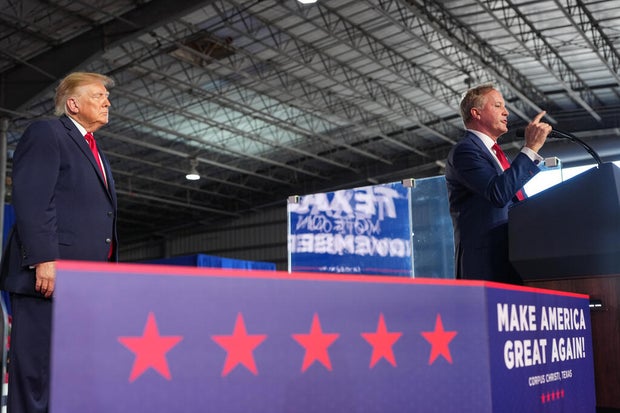
President Trump has likewise defended his administration’s record, pointing to significant economic milestones achieved during his tenure. During a rally in Corpus Christi, Texas, the president emphasized that Hispanic American poverty fell to a historic low of 13.9% and dismissed polling data indicating slipping support among the demographic.
"I won Hispanics," President Trump stated in mid-October. "I’ve done more than any other Republican in history. I got tremendous Hispanics."
Unprecedented Outreach and Early Voting Indicators
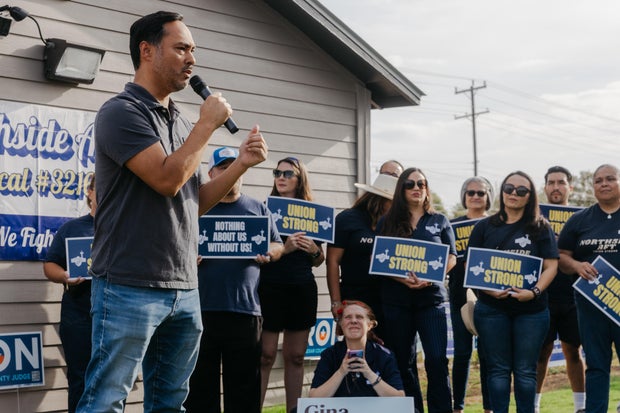
Both political parties have invested heavily in culturally resonant outreach this cycle, moving far beyond the traditional strategy of translating English-language advertisements into Spanish during the final weeks of a campaign.
Democratic campaigns have integrated innovative digital strategies to connect with younger and Spanish-dominant audiences. Talarico’s campaign allocated $800,000 toward World Cup advertising, while Hinojosa’s team purchased ad space during a major boxing match featuring Canelo Álvarez. Furthermore, campaigns have increasingly partnered with prominent Latino social media influencers, such as Carlos Eduardo Espina, to bypass traditional media channels.
Early voting data from South Texas suggests these efforts coincide with a surge in civic participation. During the first week of early voting in Hidalgo and Cameron counties, nearly 150,000 ballots were cast—representing a 63% increase compared to the same period during the 2022 midterm elections.
These high turnout figures carry immense implications for competitive congressional seats in the Rio Grande Valley. Races featuring candidates such as Democratic challenger Bobby Pulido against incumbent Republican Representative Monica De La Cruz, as well as Democratic Representative Vicente Gonzalez’s reelection bid, will test whether voter dissatisfaction translates directly into down-ballot success for Democrats.
Implications for the Future of American Politics
As voters head to the polls, the central question for political strategists is whether the current wave of Hispanic participation and shifting sentiment represents a temporary mid-term correction or the dawn of a longer-term political realignment.
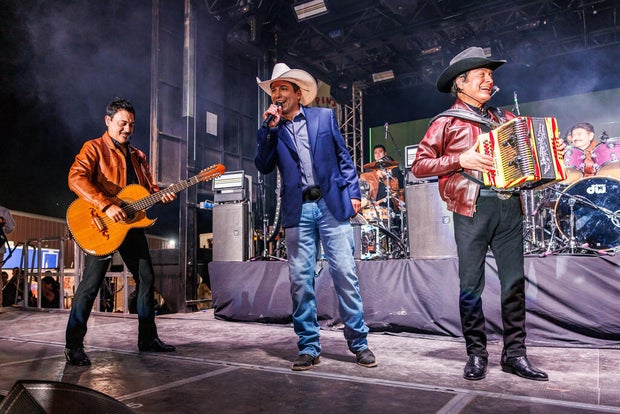
While Democrats view the current climate as an opportunity to break decades of statewide losses in Texas, veteran strategists from both sides acknowledge that the modern Hispanic electorate is exceptionally dynamic. Characterized by ticket-splitting and an intense focus on economic pragmatism, Latino voters have demonstrated that party loyalty is secondary to tangible results. The results of the 2026 midterms will not only dictate the balance of power in Washington and Austin, but will also establish a new baseline for how political coalitions are built across the American electorate for years to come.