Energy and Environment: A Symbiotic and Increasingly Critical Relationship
The intricate interplay between energy consumption and environmental impact forms one of the defining challenges of the 21st century. Our global civilization is fundamentally built upon energy, from powering homes and industries to fueling transportation and communication networks. However, the methods by which we generate and utilize this energy have profound and often detrimental consequences for the natural world. Understanding this relationship is crucial for developing sustainable practices, mitigating climate change, and ensuring a healthy planet for future generations. The dominant energy paradigm has historically relied on fossil fuels – coal, oil, and natural gas – which, while abundant and historically cost-effective, are the primary drivers of greenhouse gas emissions, particularly carbon dioxide ($text{CO}_2$). The combustion of these fuels releases $text{CO}_2$ and other pollutants into the atmosphere, trapping heat and leading to a gradual warming of the planet. This phenomenon, known as the greenhouse effect, is the bedrock of anthropogenic climate change, manifesting in rising global temperatures, more frequent and intense extreme weather events (heatwaves, floods, droughts, wildfires), sea-level rise due to thermal expansion of water and melting glaciers, and ocean acidification, which threatens marine ecosystems. The environmental consequences extend beyond climate change. Fossil fuel extraction, including mining and drilling, can lead to habitat destruction, water contamination, soil erosion, and the release of methane ($text{CH}_4$), a potent greenhouse gas. The transportation of these fuels, via pipelines, tankers, and trains, carries the inherent risk of spills, with devastating ecological impacts on land and sea. Furthermore, the refining and processing of fossil fuels can release a cocktail of toxic chemicals and air pollutants, contributing to respiratory illnesses and other public health problems in surrounding communities.
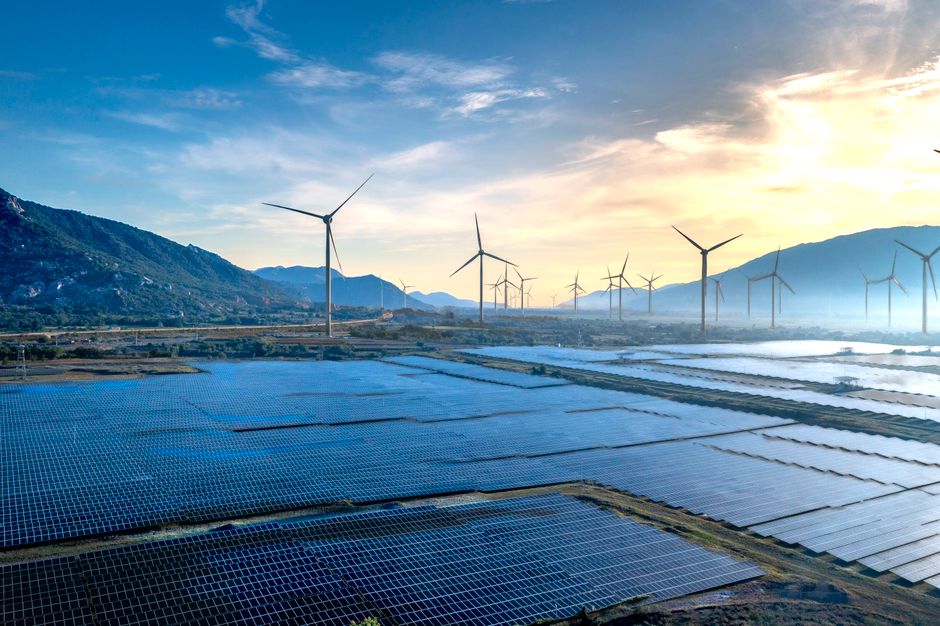
The concept of "energy transition" has emerged as the imperative response to these environmental crises. This transition refers to the fundamental shift away from fossil fuel dependence towards cleaner, more sustainable energy sources. Renewable energy technologies are at the forefront of this movement. Solar energy, harnessed through photovoltaic panels, converts sunlight directly into electricity. Its scalability, declining costs, and widespread availability make it a cornerstone of decarbonization efforts. Wind energy, captured by turbines, is another rapidly growing renewable source, particularly effective in offshore and onshore locations with consistent wind patterns. Hydropower, utilizing the kinetic energy of flowing water, has been a significant contributor to global electricity generation for decades, though its environmental footprint, including impacts on riverine ecosystems and potential displacement of communities, requires careful management. Geothermal energy taps into the Earth’s internal heat, offering a stable and consistent power source in geologically active regions. Biomass energy, derived from organic matter, can be used for heating, electricity generation, and biofuels, but its sustainability hinges on responsible sourcing to avoid deforestation and competition with food production. Tidal and wave energy technologies, while still in earlier stages of development, hold significant potential for coastal regions.
The environmental benefits of transitioning to renewable energy are multifaceted. Primarily, they drastically reduce greenhouse gas emissions, directly combating climate change. Unlike fossil fuels, most renewable sources produce electricity without releasing $text{CO}_2$ or other harmful pollutants into the atmosphere. This leads to improved air quality, reducing the incidence of respiratory and cardiovascular diseases, and a cleaner environment overall. Furthermore, renewable energy sources generally have a smaller land and water footprint compared to fossil fuel extraction and processing, though careful site selection and environmental impact assessments are still critical. For instance, while solar farms require land, they can often be integrated into agricultural landscapes or placed on rooftops, minimizing habitat disruption. Wind farms, while visually impactful, can coexist with agriculture and grazing. The localized nature of some renewable energy generation also enhances energy security and reduces reliance on volatile global fossil fuel markets, contributing to economic stability.
However, the energy transition is not without its challenges and environmental considerations. The manufacturing of renewable energy technologies, particularly solar panels and wind turbines, requires raw materials, some of which are finite and their extraction can have environmental consequences. Mining for rare earth elements, crucial for some wind turbine components and battery technologies, can be environmentally destructive if not managed responsibly. The disposal and recycling of retired renewable energy infrastructure, such as solar panels and wind turbine blades, present a growing challenge, necessitating the development of robust circular economy solutions. Energy storage solutions, such as batteries, are essential for overcoming the intermittency of solar and wind power. While battery technology is rapidly advancing, concerns remain regarding the environmental impact of mining for lithium, cobalt, and other battery components, as well as the eventual disposal or recycling of these batteries. The grid infrastructure also needs significant upgrades to accommodate the decentralized and variable nature of renewable energy sources.
The concept of energy efficiency and conservation is an equally vital component of the energy-environment nexus. Reducing the amount of energy required to achieve a given outcome is often the cheapest and most environmentally benign way to lessen our impact. This encompasses a wide range of strategies, from improving building insulation and using energy-efficient appliances in homes and businesses to optimizing industrial processes and promoting public transportation and fuel-efficient vehicles. Behavioral changes, such as turning off lights when not in use and reducing unnecessary travel, also play a significant role. Governments, through regulations and incentives, can drive energy efficiency improvements, such as stricter building codes for new construction and efficiency standards for appliances. The development of smart grid technologies also plays a role in optimizing energy distribution and consumption, reducing waste.
The intersection of energy and the environment also necessitates a focus on policy and governance. Effective environmental regulations, carbon pricing mechanisms (such as carbon taxes and cap-and-trade systems), and incentives for renewable energy deployment are crucial for driving the transition. International cooperation is essential for addressing a global challenge like climate change. Agreements like the Paris Agreement aim to coordinate global efforts to limit greenhouse gas emissions and adapt to the impacts of climate change. Furthermore, research and development in advanced energy technologies, including carbon capture and storage, advanced nuclear power, and hydrogen fuel cells, are critical for achieving deep decarbonization. The development of sustainable energy systems requires a holistic approach that considers economic viability, social equity, and environmental protection.
The environmental impact of energy extends to water resources. Many energy generation processes, including thermal power plants (both fossil fuel and nuclear) and some renewable sources like hydropower, require significant amounts of water for cooling or operation. This can lead to water scarcity in arid regions, alter river flows, and impact aquatic ecosystems. The extraction of fossil fuels, particularly hydraulic fracturing (fracking), has raised concerns about groundwater contamination. Developing energy technologies that are water-efficient or operate with minimal water usage is therefore an important environmental consideration.
The circular economy model offers a promising framework for integrating energy and environmental sustainability. This approach emphasizes minimizing waste and maximizing the reuse and recycling of materials. In the context of energy, this means designing energy systems and technologies with their entire lifecycle in mind, from resource extraction and manufacturing to operation and end-of-life management. For example, developing modular and easily repairable renewable energy components, and establishing robust recycling programs for solar panels, wind turbine blades, and batteries, are critical for minimizing their environmental footprint. This also includes the responsible sourcing of materials for these technologies, considering the environmental and social impacts of mining and extraction.
The social dimensions of the energy-environment relationship are also paramount. The transition to a sustainable energy future must be just and equitable, ensuring that no communities are left behind. This includes addressing the potential for job losses in fossil fuel industries and providing retraining and support for affected workers. It also means ensuring that the benefits of renewable energy are shared broadly and that communities disproportionately impacted by the negative environmental consequences of past energy practices are prioritized in the transition. The development of community-owned renewable energy projects, for example, can empower local populations and foster greater acceptance and benefit from the energy transition.
Ultimately, the future of our planet hinges on our ability to fundamentally reshape our relationship with energy. This requires a multi-pronged approach that prioritizes the transition to renewable energy sources, enhances energy efficiency and conservation, fosters innovation in clean energy technologies, and implements robust policies and international cooperation. The environmental challenges posed by our current energy systems are immense, but the opportunities presented by a sustainable energy future are equally profound, promising cleaner air and water, a stable climate, and a more resilient and equitable world. The constant evolution of technology, coupled with a growing global awareness of environmental imperatives, suggests that the trajectory towards a more sustainable energy landscape is accelerating, offering hope for mitigating the most severe impacts of human activity on the planet. Continued investment in research and development, coupled with ambitious policy frameworks, will be essential to navigate this complex but crucial transition.