The American West is grappling with the ecological aftermath of an unprecedented March heat wave that shattered temperature records from the deserts of Arizona to the high plains of Wyoming, signaling a profound shift in the region’s climate trajectory. In a month traditionally defined by late-season mountain snows and the slow awakening of spring, temperatures in March 2026 surged to levels more commonly associated with late May or early June. This thermal anomaly, which lasted nearly two weeks, has left scientists and land managers racing to assess the long-term damage to fragile ecosystems already strained by a century of warming.
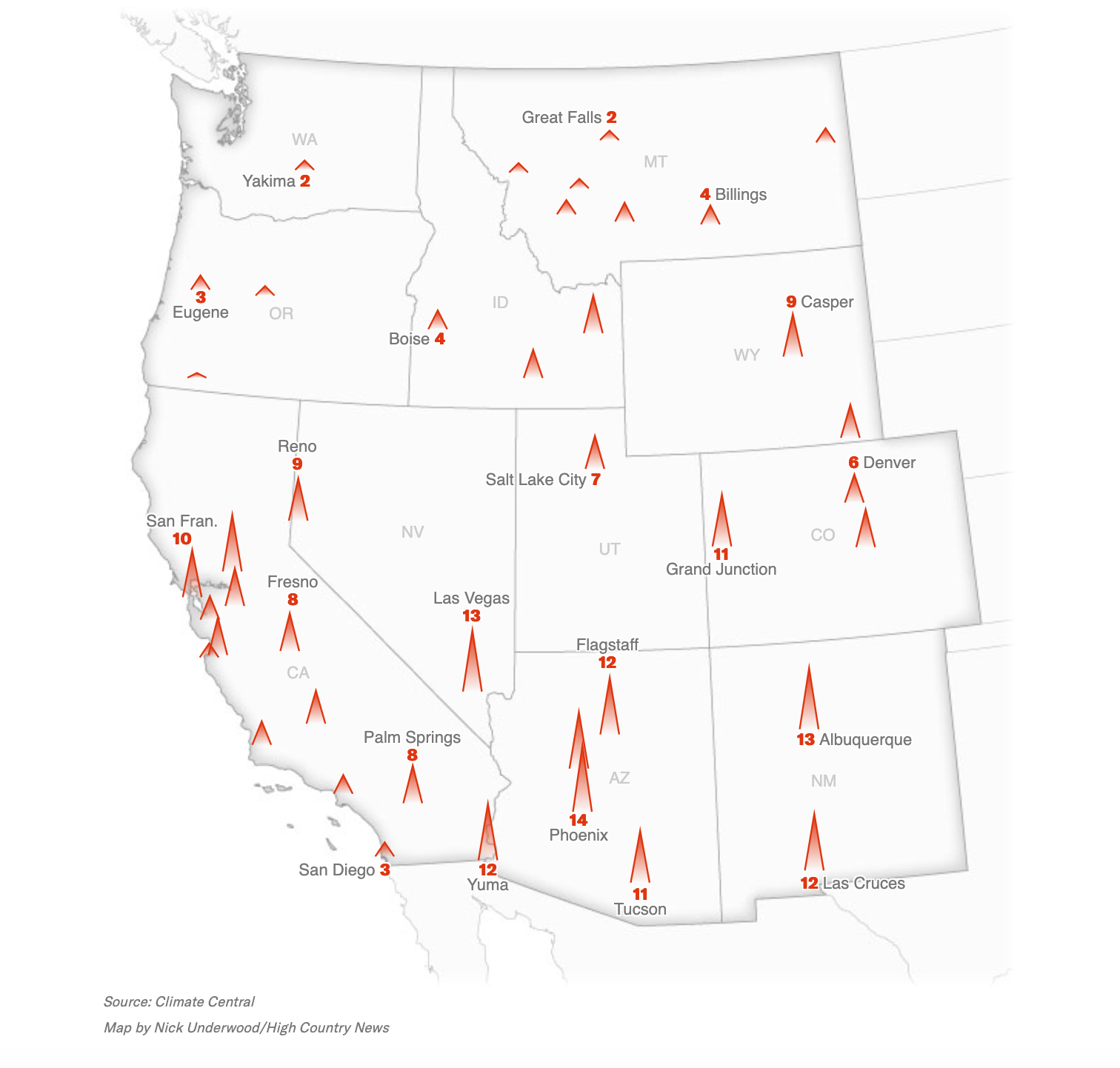
The intensity and early arrival of the heat wave caught the scientific community off guard. Climatologists noted that it is exceptionally difficult for the Earth’s atmospheric system to generate such extreme temperatures so early in the calendar year. Daniel Swain, a climatologist with the University of California Agriculture and Natural Resources, observed that the event represented a significant departure from historical norms. While heat waves are a natural component of Western weather patterns, the March 2026 event was distinguished by its vast geographical footprint and its duration, which Zachary Labe, a climate scientist at Climate Central, confirmed persisted for nearly 14 days in some corridors of the Southwest.
A Chronology of Climatic Extremes
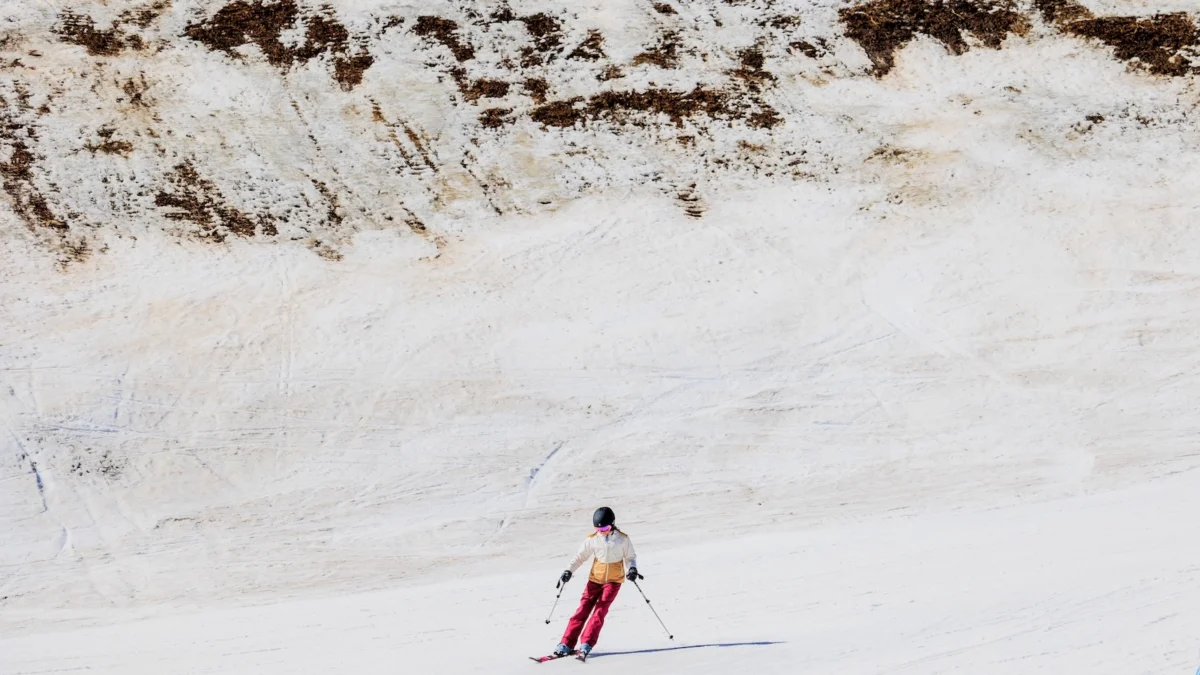
The seeds of the 2026 crisis were sown during the preceding winter months. Across the Western United States, the 2025-2026 winter season was characterized by record-breaking warmth and a lack of precipitation. In many high-altitude regions, the snowpack—the "water tower" of the West—was at its lowest level in recorded history. By the time March arrived, the landscape was already desiccated, lacking the moisture that typically provides a cooling effect through evaporation.
The heat wave began in earnest during the second week of March, as a high-pressure ridge parked itself over the Great Basin. In Tucson, Arizona, thermometers climbed into the 90s, while Casper, Wyoming, saw temperatures leap past previous March highs by double-digit margins. The event was not a localized spike but a systemic "heat dome" that trapped warm air across several states.
This early-season extreme follows a pattern of increasingly frequent and severe thermal events. Scientists frequently point to the 2021 Pacific Northwest heat dome as the modern benchmark for ecological catastrophe. During that event, temperatures reached 120 degrees Fahrenheit in areas accustomed to temperate maritime climates. The March 2026 event, while not reaching those absolute peaks, is considered equally significant because of its timing. Plants and animals are often more vulnerable to heat in the early spring, before they have developed the physiological "hardening" required to survive summer extremes.
Quantifying the Ecological Toll
The ramifications of such heat extend far beyond human discomfort, impacting the very foundations of regional biodiversity. Recent research into the 2021 heat wave offers a sobering preview of what the 2026 event may have triggered. A study co-authored by Julia Baum, a professor at the University of Victoria, revealed that the 2021 heat dome killed or severely harmed more than 75% of the species surveyed in affected areas.
Marine ecosystems were among the hardest hit. Along the rocky shorelines of the Pacific Northwest, sessile organisms—those unable to move to find shade—were essentially "cooked" in their shells. Estimates suggest that billions of mussels, barnacles, and seaweeds perished as shoreline temperatures hit 122 degrees Fahrenheit. In 2026, while the coastal impacts may have been less severe due to the March timing, the inland effects on vegetation were immediate.
In the forests of Oregon and Washington, the 2021 event caused what observers described as "orange snow"—a phenomenon where millions of coniferous needles turned brown and fell simultaneously. Adam Sibley, a remote sensing scientist, noted that many trees lost an entire growing season of needles. While mature Douglas firs often survived by regrowing needles the following year, younger trees and moisture-dependent species like Sitka spruce and western red cedar suffered high mortality rates. The March 2026 heat wave threatened similar outcomes for trees that were just beginning to push out new, fragile growth.
The Physiology of Heat Stress
The vulnerability of plant life to early-season heat is rooted in complex biological mechanisms. Christopher Still, a forest ecology professor at Oregon State University, explains that young leaves and needles lack the protective proteins and specialized fatty membranes that stabilize mature foliage. When temperatures spike before these defenses are in place, the membranes can literally melt, leading to leaf scorch and systemic failure.
Furthermore, the "phenological mismatch" caused by early heat creates a ripple effect through the food chain. In 2026, many fruit trees, such as cherries in the intermountain West, began blooming weeks ahead of schedule. While the heat itself may not kill the blossoms, it leaves them dangerously exposed to the inevitable spring frosts that follow. This "false spring" can wipe out entire agricultural yields and deprive pollinators of synchronized food sources.
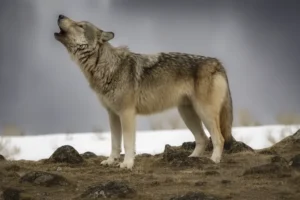
Wildlife behavior also shifts dramatically during these events. Data from previous heat waves show that large predators like wolves increase their movements, potentially to seek out prey that is hunkered down and weakened by heat. Conversely, birds of prey such as ferruginous hawks have been observed reducing their flight time by over 80% to avoid overheating, a move that limits their ability to hunt and provide for offspring.
Hydrological Impacts and Wildfire Risk
The March 2026 heat wave has exacerbated an ongoing hydrological crisis in the West. The region’s water security is intrinsically tied to the slow melting of mountain snowpack throughout the spring and summer. When record heat arrives in March, it triggers "snow drought" conditions. The little snow that existed in early 2026 was either melted prematurely or lost to sublimation—turning directly from ice to water vapor—leaving river basins like the Colorado and the Columbia with significantly reduced inflows.
This lack of moisture has a direct correlation with wildfire risk. The 2021 heat wave was a primary driver of a record-breaking wildfire season, as it rapidly dried out the "fine fuels"—grasses and wildflowers—that carry fire across the landscape. By the end of March 2026, land managers were already warning of an accelerated fire season, as the early heat had effectively bypassed the traditional "green-up" period, leaving vegetation brittle and flammable months ahead of schedule.
Scientific and Official Responses
The scientific consensus is that these events are no longer "statistical outliers" but are the direct result of anthropogenic climate change. Researchers from Climate Central and other institutions have utilized attribution science to demonstrate that the intensity of the March 2026 heat wave would have been virtually impossible in a pre-industrial climate.
Government agencies and non-profits are shifting their focus toward "climate adaptation" rather than just mitigation. This includes selecting heat-resistant species for reforestation projects and implementing more flexible water management policies. However, experts like Osvaldo Sala of Arizona State University’s Global Drylands Center warn that some ecosystems may be reaching a "tipping point." In the Southwest, while some desert plants survived the March heat by remaining in a state of dormancy, the cumulative effect of year-after-year record temperatures is altering the composition of the desert, favoring invasive, fire-prone grasses over native cacti and shrubs.
Broader Implications for the Future
The March 2026 heat wave serves as a stark reminder that the "new normal" for the American West is a state of constant flux. The ecological damage from these events is often cumulative; a tree that survives one heat wave may be too weakened to survive a subsequent drought or insect infestation.
As the climate continues to warm, the window of "safe" temperatures for many species is narrowing. The 2021 and 2026 events suggest that the timing of heat is becoming as critical as its magnitude. If extreme heat becomes a regular feature of early spring, the fundamental rhythms of the natural world—migration, flowering, and reproduction—will be permanently desynchronized.
The long-term survival of the West’s iconic landscapes depends on a deeper understanding of these ramifications. As researchers continue to analyze the data from this most recent event, the lesson is clear: the ecosystems of the West are being reshaped in real-time. The transition from a predictable seasonal cycle to one defined by "record-shattering" extremes is not a future threat, but a present reality that demands a total reimagining of conservation and resource management in the 21st century.